
The Beheading of Saint John the Baptist — History & Facts
In a world illuminated by flickering candlelight, moments of truth emerge, transforming shadows into revelations. This painting embodies that very essence, where light breathes life into the somber act of profound sacrifice. Look to the center where the figures of Saint John and his executioner stand, locked in a dance of fate. The stark contrast between the deep reds of the martyr's cloak and the pale, almost ethereal skin of his face captures the raw intensity of the moment.
Notice how the beams of light cascade from above, deftly highlighting the tension in their expressions, while the darkened background envelops the scene in a cloak of inevitable doom. The meticulous attention to detail in the fabric and the surrounding environment invites the viewer to linger, to absorb the gravity of this pivotal moment. As you delve deeper, observe the sorrow reflected not only in John’s eyes but also in the figures that encircle him. Each character carries a weight of emotions; the onlookers range from horrified astonishment to grim acceptance.
The juxtaposition of the vivid colors against the darkened backdrop emphasizes the duality of life and death, impact and insignificance. This is a moment frozen in time, yet it reverberates with the echoes of history, faith, and tragedy. Giovanni di Paolo painted this work between 1455 and 1460, during a period of personal and artistic transition in Renaissance Italy. At this time, he was evolving his style while engaging with themes of spirituality and morality, reflecting broader societal tensions.
His meticulous craftsmanship and devotion to emotional depth positioned him as a significant figure in the Renaissance, capturing the essence of human experience through the lens of religious narrative.
More Artworks by Giovanni di Paolo
Browse all →
Saint Catherine of Siena
Giovanni di Paolo

The Nativity
Giovanni di Paolo

Ecce Agnus Dei
Giovanni di Paolo
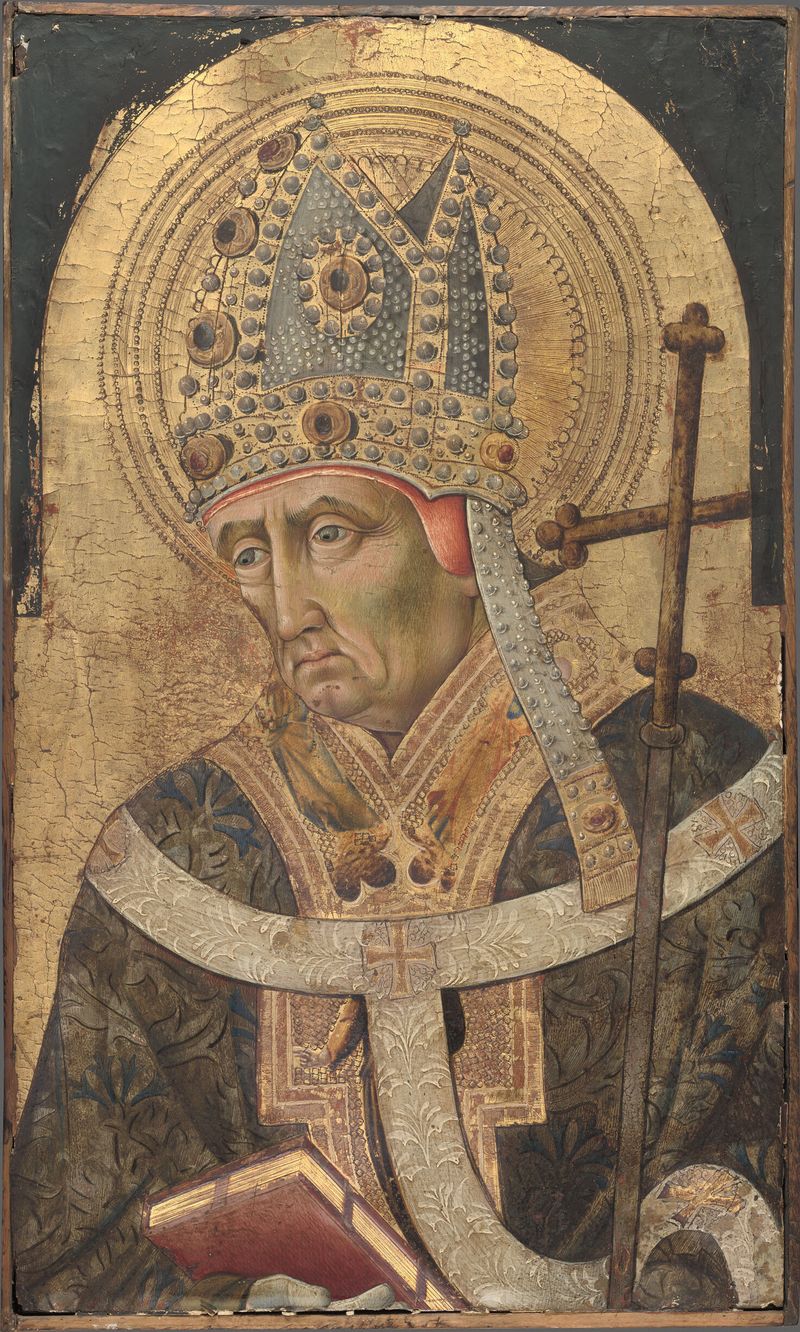
Saint Augustine
Giovanni di Paolo

Salome Asking Herod for the Head of Saint John the Baptist
Giovanni di Paolo

Saint John the Baptist Entering the Wilderness
Giovanni di Paolo

Saint John the Baptist in Prison Visited by Two Disciples
Giovanni di Paolo

The Head of Saint John the Baptist Brought before Herod
Giovanni di Paolo
More Religious Art
Browse all →
The Return of the Prodigal Son
Rembrandt van Rijn

The Garden of Earthly Delights
El Bosco

Count Orgaz’ funeral
El Greco

The Hundred Guilder Print: the central piece with Christ preaching, the plate arched
Rembrandt van Rijn

The Descent from the Cross
Rogier van der Weyden

The return of the prodigal son
Rembrandt van Rijn