
The Coach of Mangkoe Nagoro IV — History & Facts
In The Coach of Mangkoe Nagoro IV, the canvas becomes a portal to revelation, inviting us to explore the intersection of culture and identity through the artist’s lens. Look to the center where the regal figure sits, adorned in traditional dress, exuding authority and grace. Notice how the rich, earthy tones of the clothing contrast with the vibrant greens of the landscape that envelops him. The play of light captures the texture of his garments, drawing our eyes towards the intricate patterns that speak of heritage and pride.
The background fades softly into a serene vista, allowing the figure to emerge as the focal point, commanding attention with a quiet strength. Yet, beneath the surface, an emotional tension simmers. The gaze of the subject is both contemplative and distant, hinting at a complex relationship with power and tradition. The painter’s choice to depict the figure in a moment of pause suggests vulnerability, while the lush surroundings evoke a sense of belonging to the land.
This duality of presence and isolation invites viewers to ponder the weight of leadership and the burden of cultural legacy. Pieter Alardus Haaxman created this work around 1870, during his time in the Dutch East Indies, specifically in what is now Indonesia. This period marked a significant shift in European perceptions of indigenous cultures, as interest in local customs began to flourish across the art world. Through this piece, Haaxman not only contributed to the narrative of colonial representation but also sought to acknowledge the rich tapestry of identity within indigenously held spaces.
More Artworks by Pieter Alardus Haaxman
Browse all →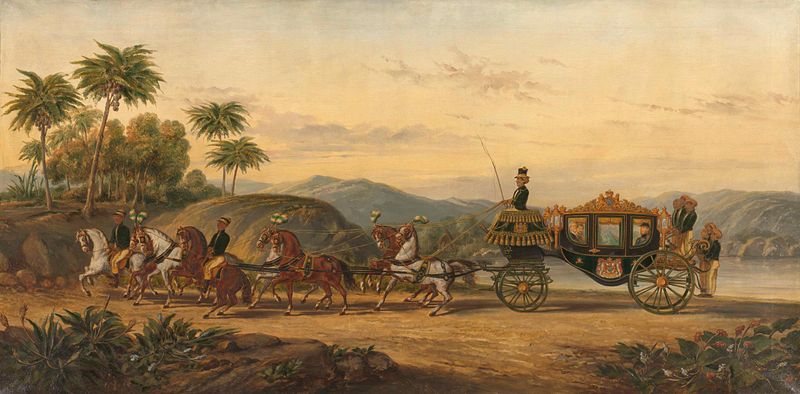
More Portrait Art
Browse all →
Las meninas
Diego Velázquez

Self-portrait with a Bandaged Ear and Pipe
Unidentified artist

Girl with a Pearl Earring
Johannes Vermeer

The Sampling Officials of the Amsterdam Drapers’ Guild, Known as ‘The Syndics’
Rembrandt van Rijn

The Hundred Guilder Print: the man seen on the back in the lower left corner
Rembrandt van Rijn

Portrait of Dr Gachet
Vincent van Gogh