
The Loretta — History & Facts
In the quiet corners of the heart, desire lurks, waiting for its moment to blossom into longing. Focus on the luminous figures entwined in the embrace of twilight, where delicate shadows dance playfully across the canvas. Look closely at the woman's serene expression, her gentle gaze turned slightly away, hinting at unspoken thoughts. The warm palette, infused with hues of amber and gold, bathes the scene in a soft light that evokes both tranquility and yearning, creating an intimate atmosphere that pulls the viewer deeper into the moment. The composition reveals contrasts that resonate with the pull of desire—the juxtaposition of the elegant lines of the woman's silhouette against the more rigid architecture around her speaks to the tension between freedom and confinement.
Notice the small details, like the delicate flowers in her hair, symbolizing beauty and fragility, and how they reflect her longing for a world beyond the confines of her surroundings. Each element in the painting seems to echo the silent whispers of hidden aspirations, inviting viewers to explore their own yearnings. Tavík František Šimon painted The Loretta in 1911, during a period of artistic exploration in Prague, where he was emerging as a key figure in modern representation. His focus on the interplay of light and emotion was influenced by the burgeoning movements of Symbolism and Art Nouveau.
At this time, the city was a melting pot of cultural and artistic innovation, which shaped his unique approach to capturing the subtleties of human experience in his work.
More Artworks by Tavík František Šimon
Browse all →
Charles Bridge
Tavík František Šimon
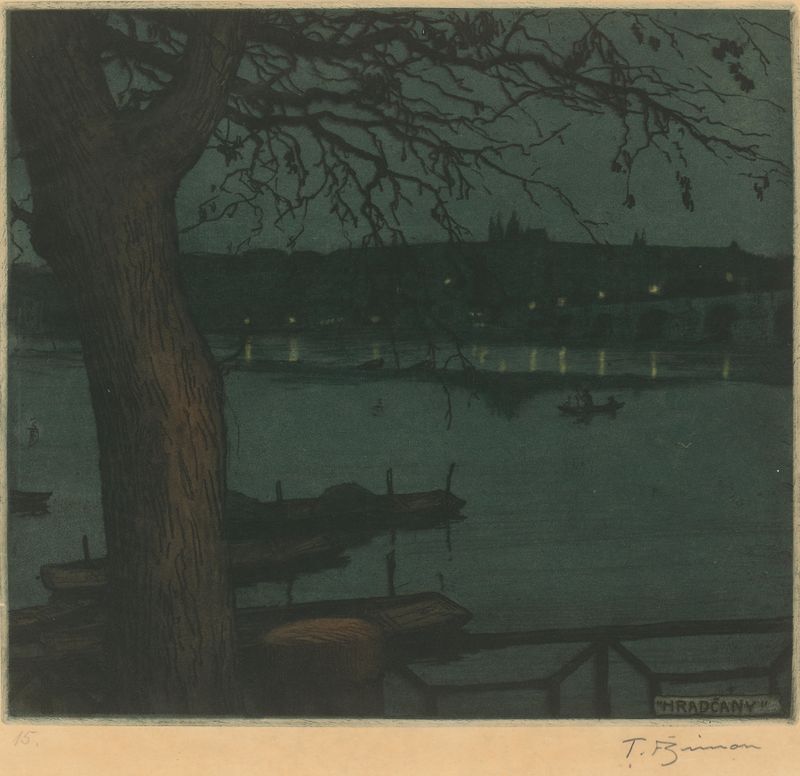
Pohľad na Hradčany z nábrežia
Tavík František Šimon
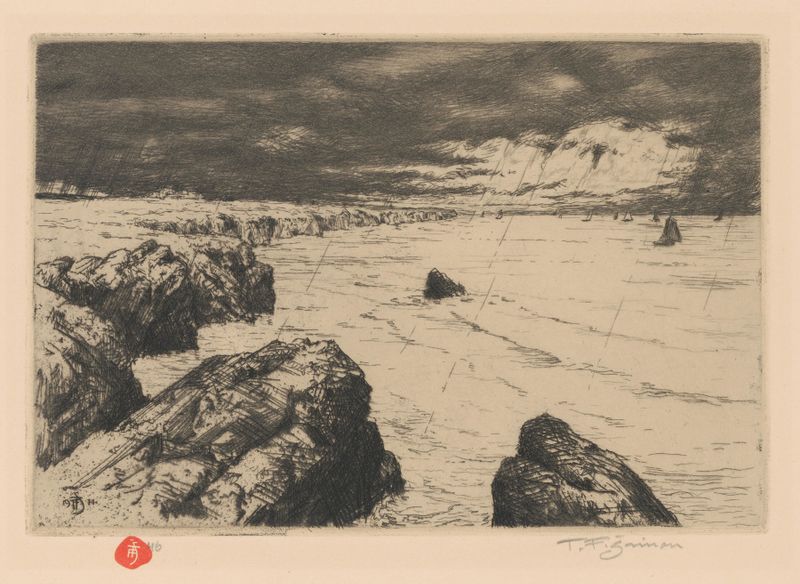
Bretónske brehy
Tavík František Šimon

Staromestská radnica
Tavík František Šimon
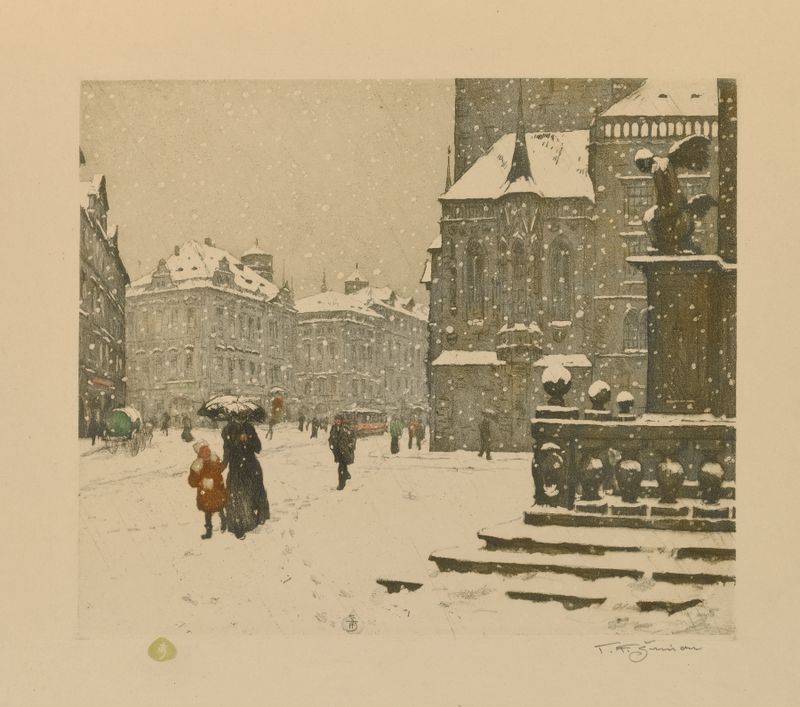
Prague
Tavík František Šimon
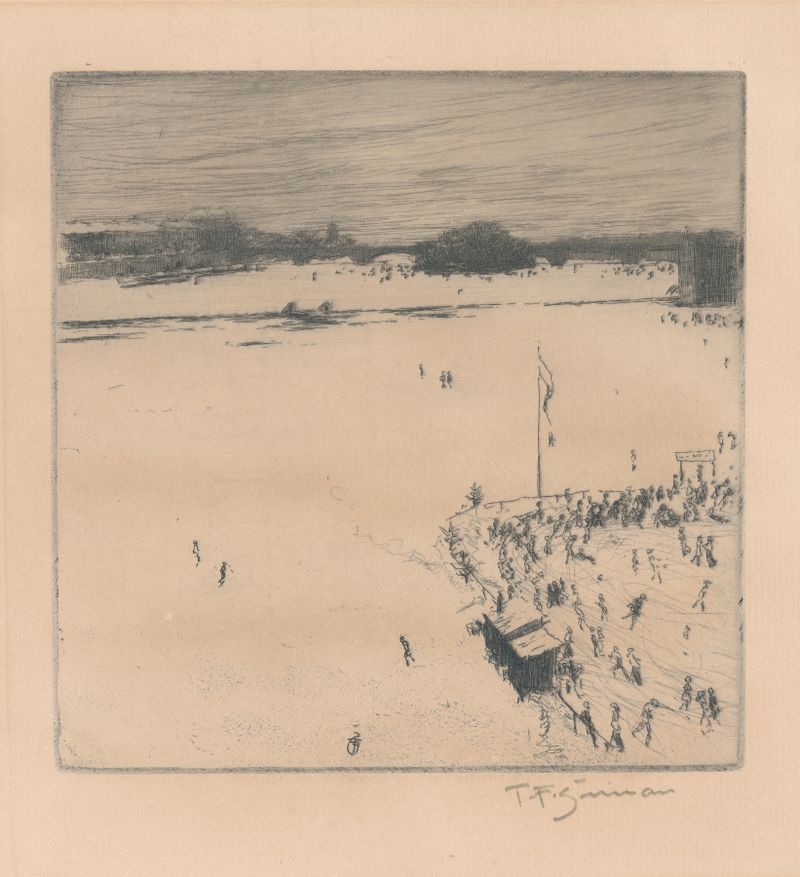
Klzisko pod Karlovým mostom
Tavík František Šimon

The Knights of the Cross Square with the Charles Bridge
Tavík František Šimon

The towers of the Hradčany
Tavík František Šimon

The entrance into the Týn Court
Tavík František Šimon
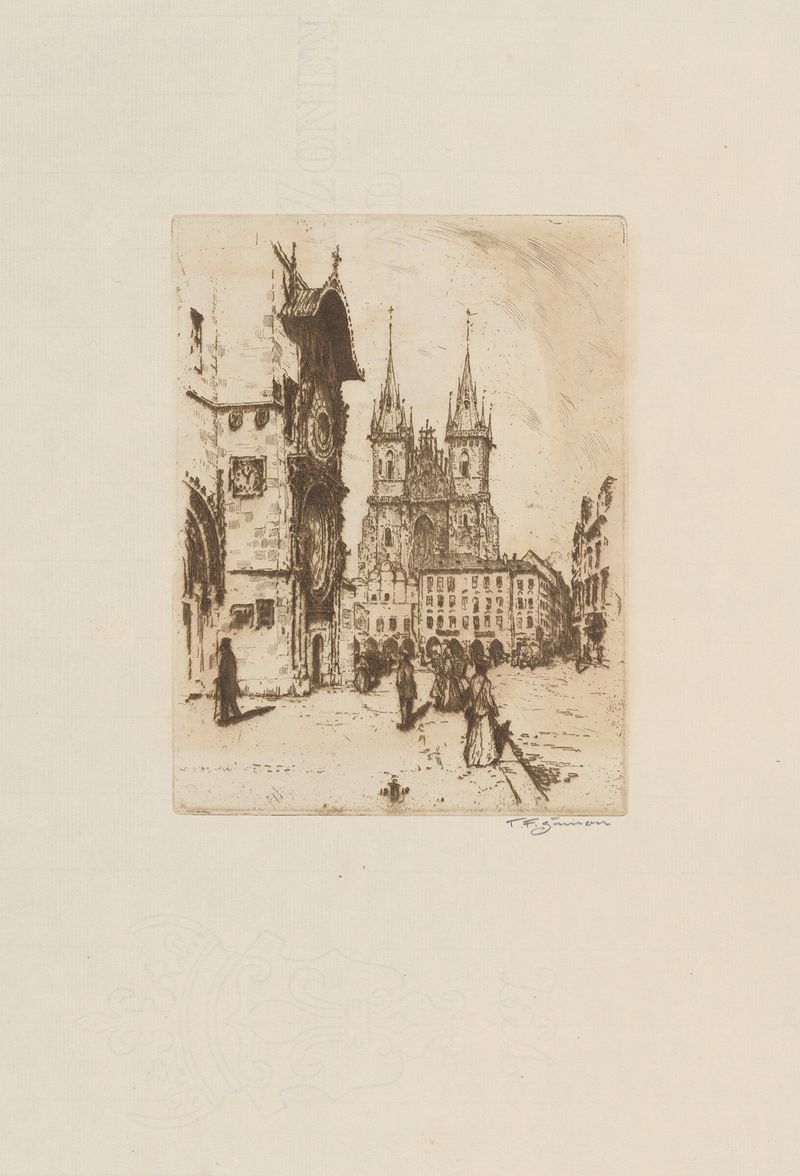
The Old Town City Hall with the Týn Cathedral
Tavík František Šimon
More Portrait Art
Browse all →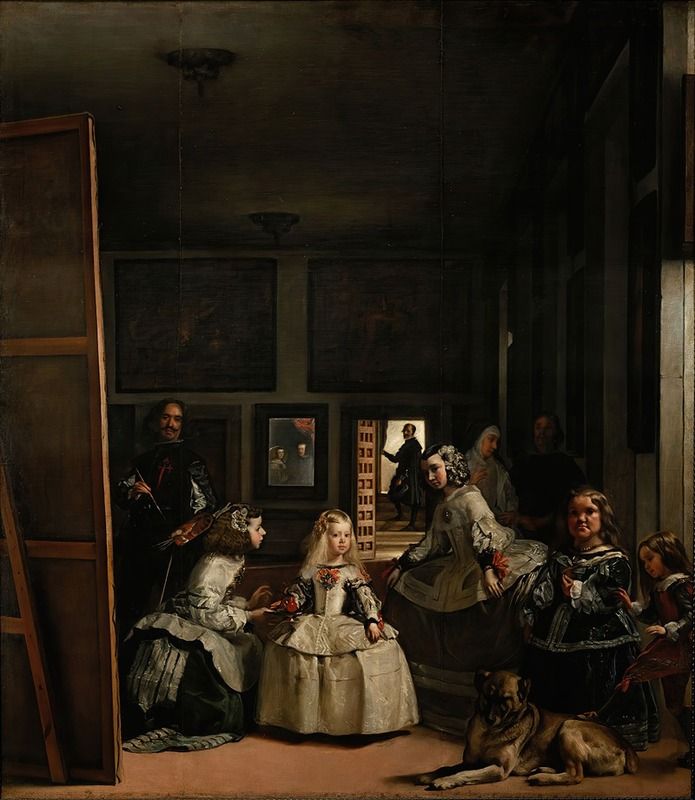
Las meninas
Diego Velázquez
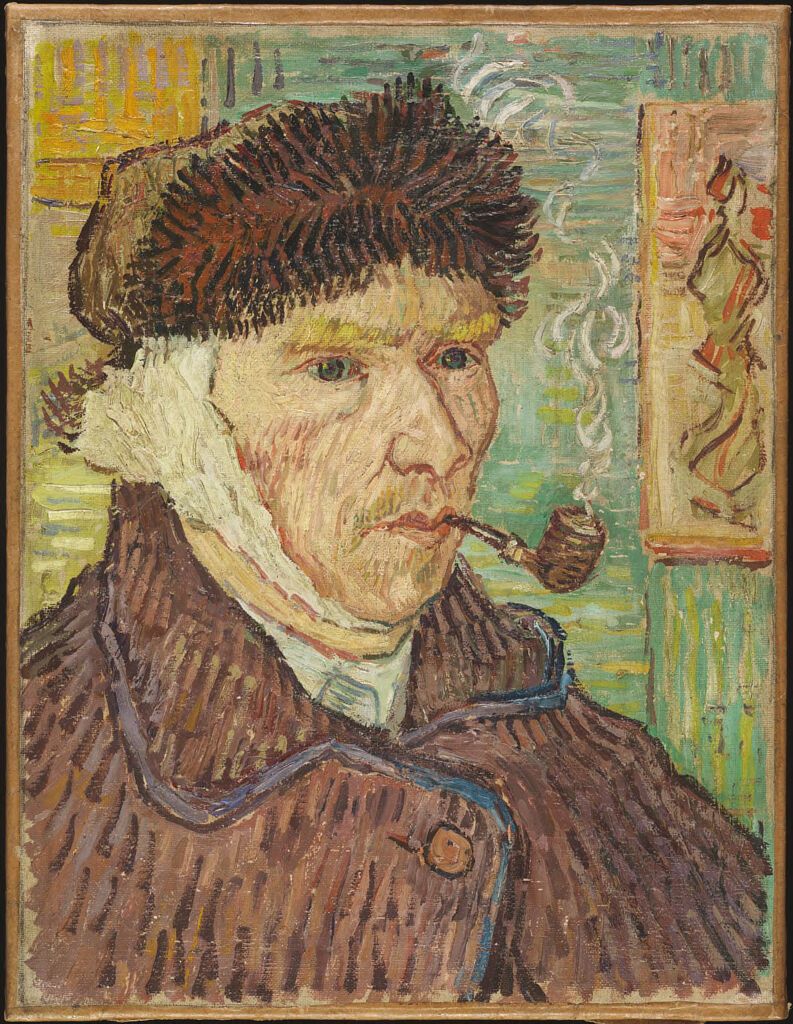
Self-portrait with a Bandaged Ear and Pipe
Unidentified artist
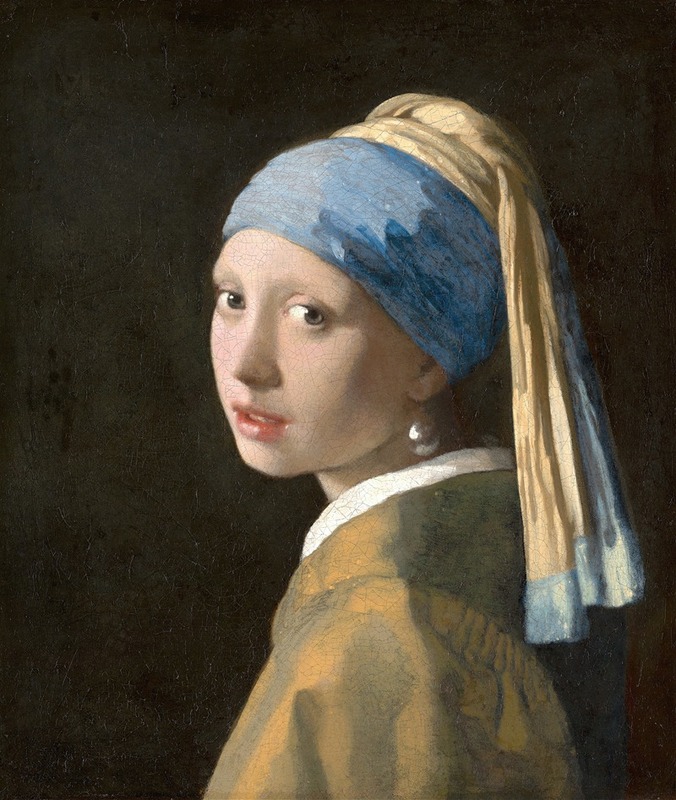
Girl with a Pearl Earring
Johannes Vermeer
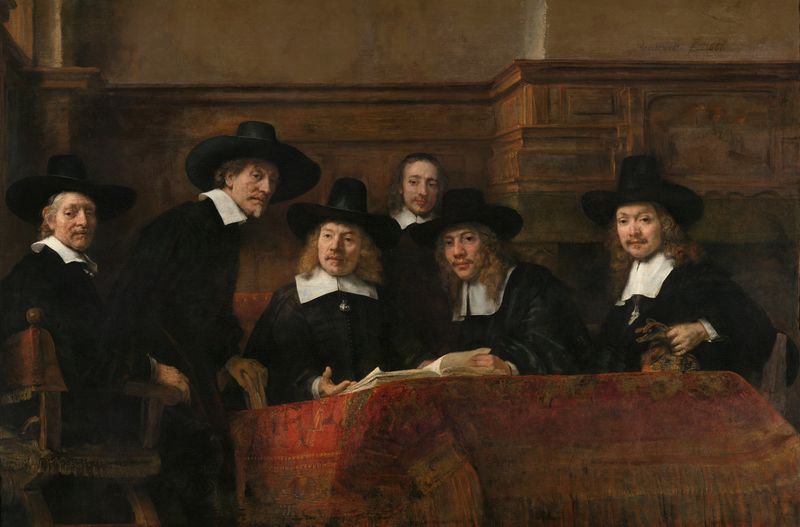
The Sampling Officials of the Amsterdam Drapers’ Guild, Known as ‘The Syndics’
Rembrandt van Rijn
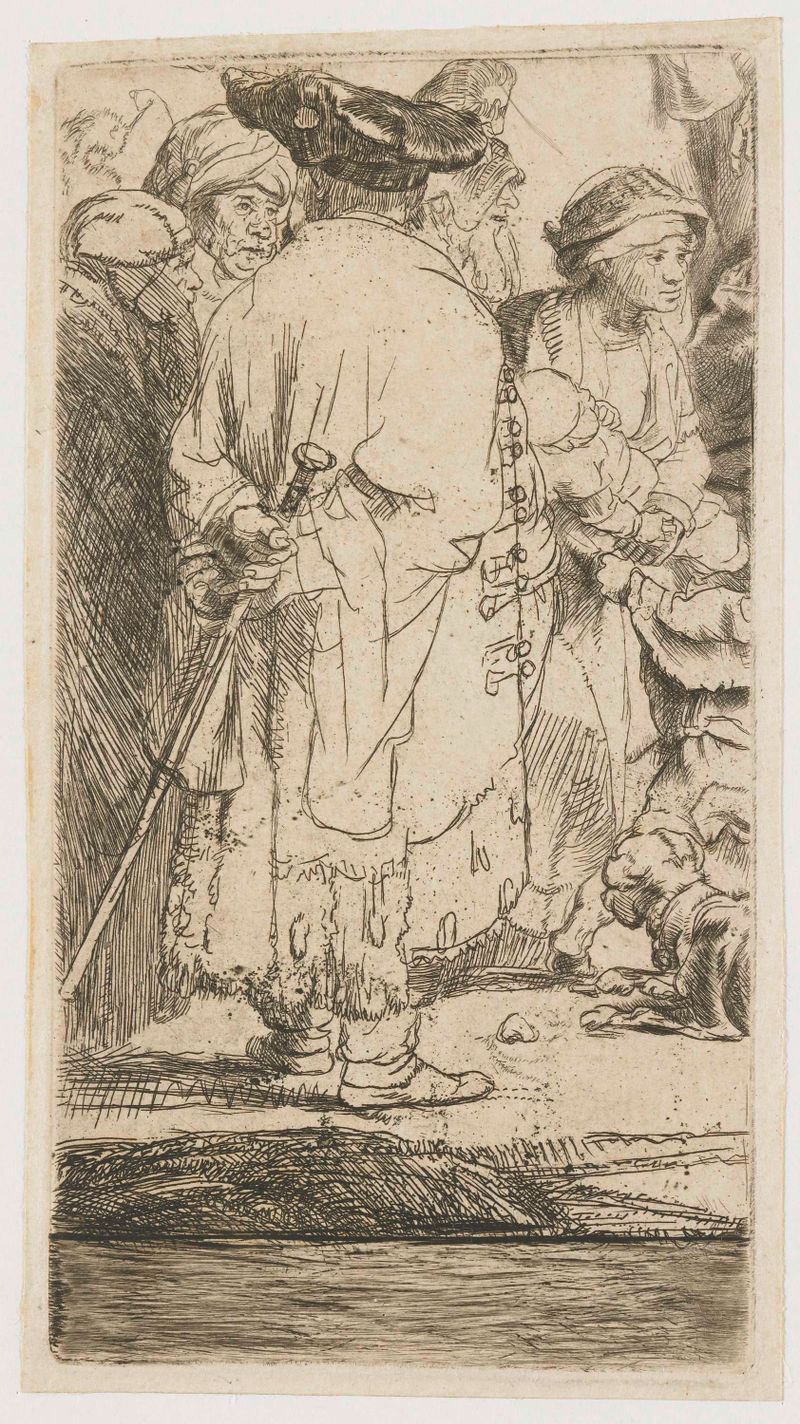
The Hundred Guilder Print: the man seen on the back in the lower left corner
Rembrandt van Rijn

Portrait of Dr Gachet
Vincent van Gogh