
The Spanish gypsy 'Preciosa' — History & Facts
Could a single brushstroke hold eternity? In the delicate figure of a Spanish gypsy, one finds the embodiment of hope, captured not merely in her stance, but in the very essence of her being. Look to the rich, vibrant colors that envelop the figure, drawing your eyes first to her expressive gaze. Notice the intricate patterns of her clothing, each swirl of fabric a testament to cultural heritage, while the surrounding shadows play a subtle game with the light, illuminating her face and emphasizing the depth of emotion reflected within her eyes. The artist's meticulous attention to detail, such as the delicate adornments in her hair, invites the viewer to linger, engaging with the story woven into every stroke. The emotional contrasts in this piece are profound.
The gypsy’s serene expression stands in stark relief against the turbulent backdrop of her world—her poise suggesting resilience amidst uncertainty. The warmth of her skin tone against the cooler hues surrounding her evokes a sense of isolation, yet also an enduring spirit that radiates hope. This duality encapsulates the struggle between freedom and confinement, capturing the essence of a life rich with promise yet fraught with challenges. Basan created this work during a period marked by profound social upheaval in Europe, as the Enlightenment began to reshape the arts and ideas about identity.
In the late 18th century, with the rise of romanticism, artists began to explore themes of individuality and emotion, which likely influenced Basan’s focus on the gypsy figure. Living in Paris, he became immersed in a vibrant artistic community, allowing him to refine his techniques in capturing the human experience, as seen in this poignant representation.
More Artworks by Pierre François Basan
Browse all →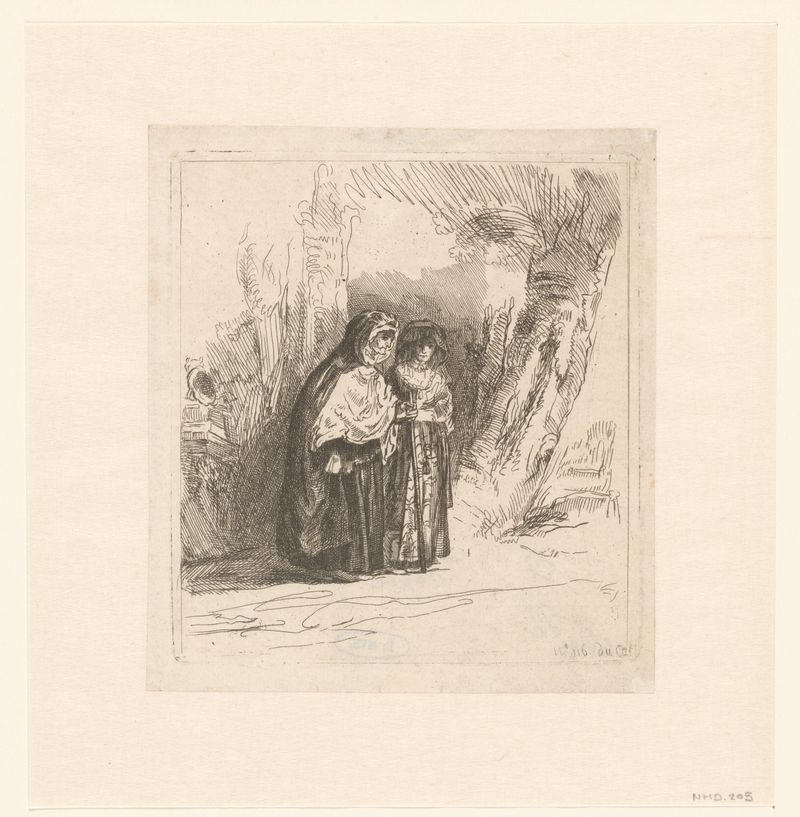

More Portrait Art
Browse all →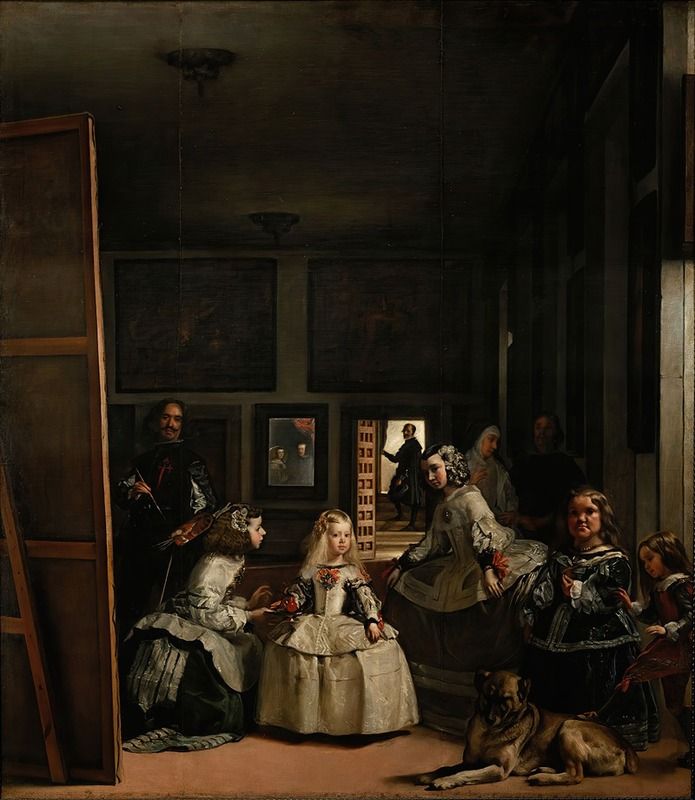
Las meninas
Diego Velázquez
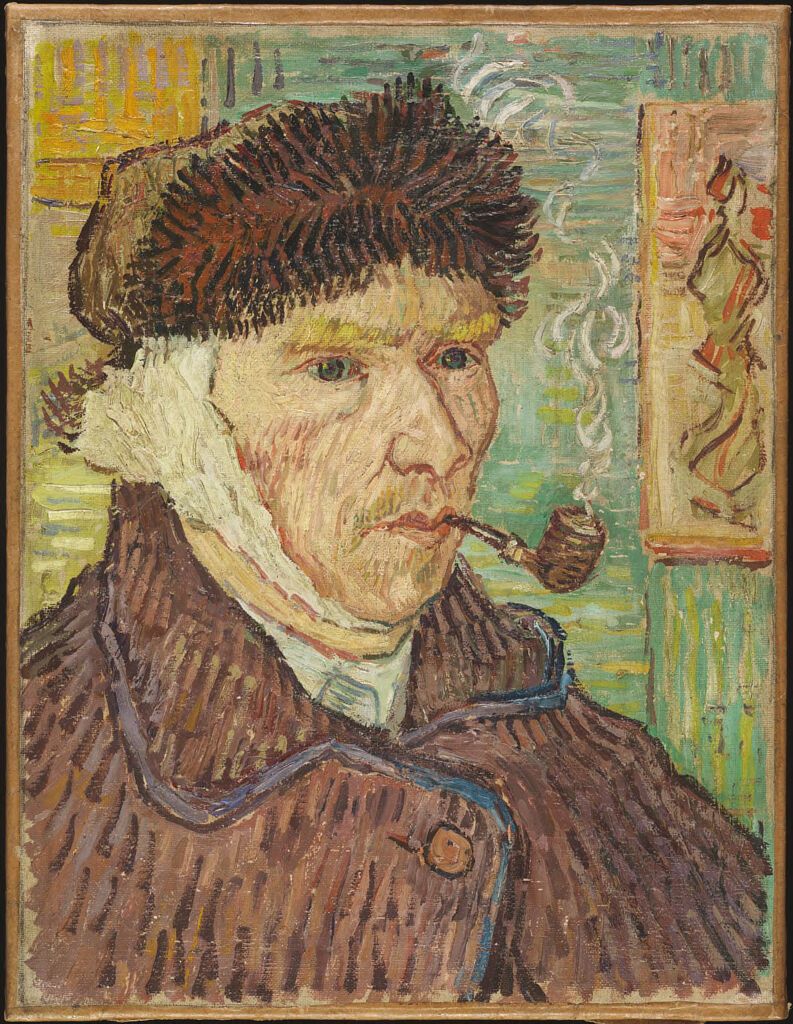
Self-portrait with a Bandaged Ear and Pipe
Unidentified artist
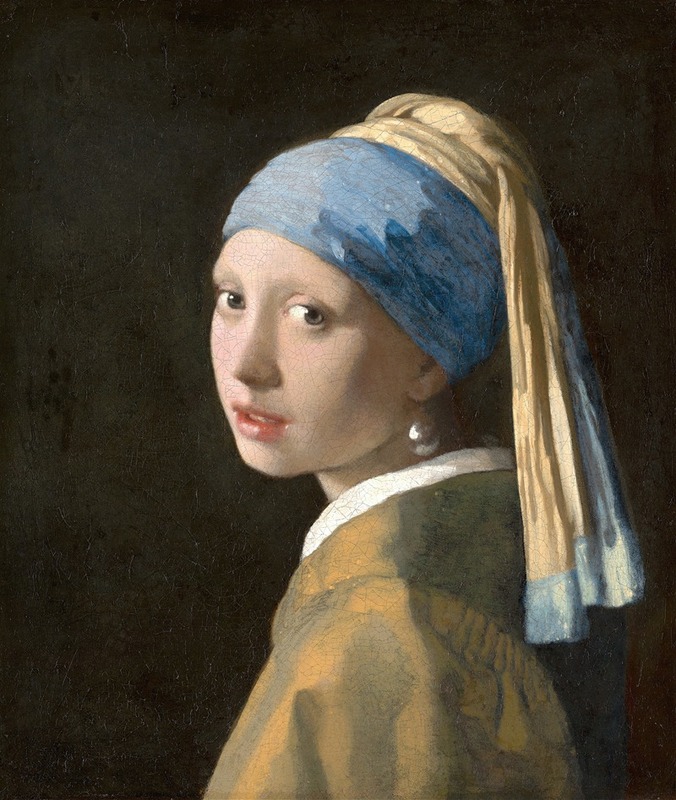
Girl with a Pearl Earring
Johannes Vermeer
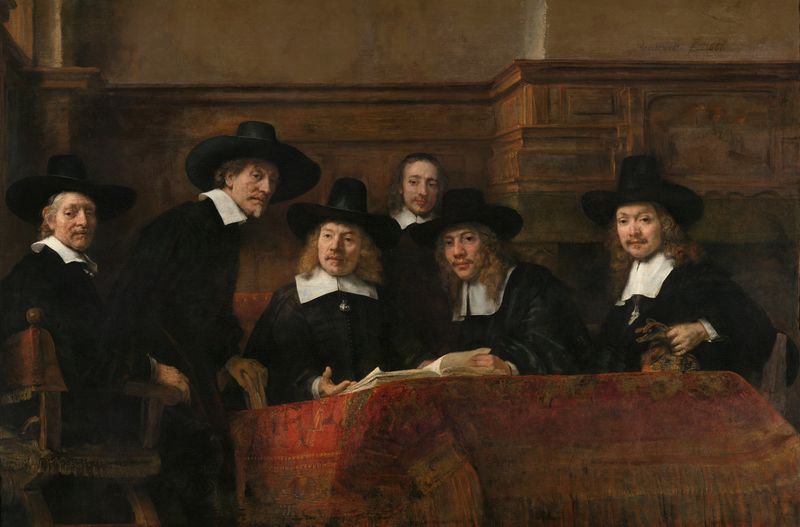
The Sampling Officials of the Amsterdam Drapers’ Guild, Known as ‘The Syndics’
Rembrandt van Rijn
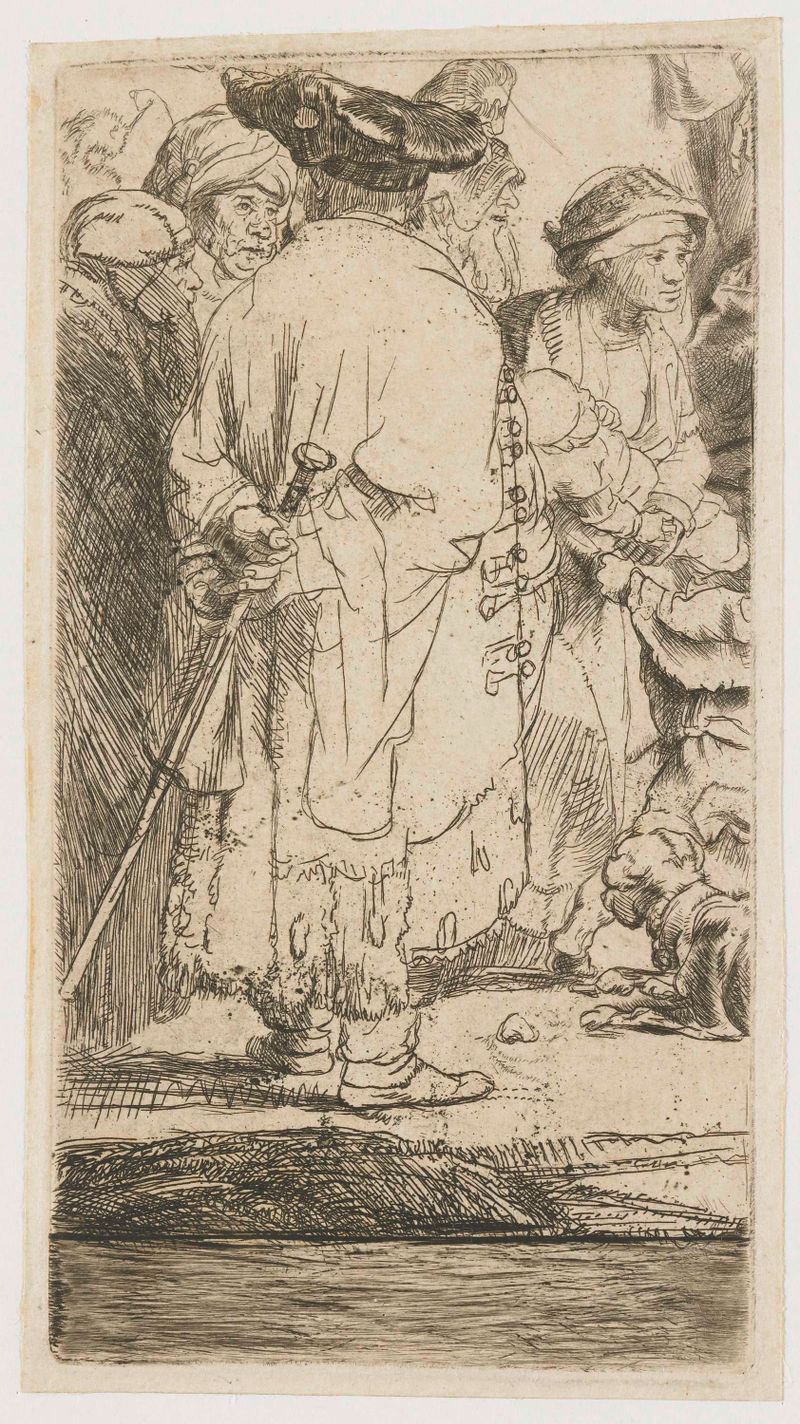
The Hundred Guilder Print: the man seen on the back in the lower left corner
Rembrandt van Rijn

Portrait of Dr Gachet
Vincent van Gogh