
Trachin en Chariclea — History & Facts
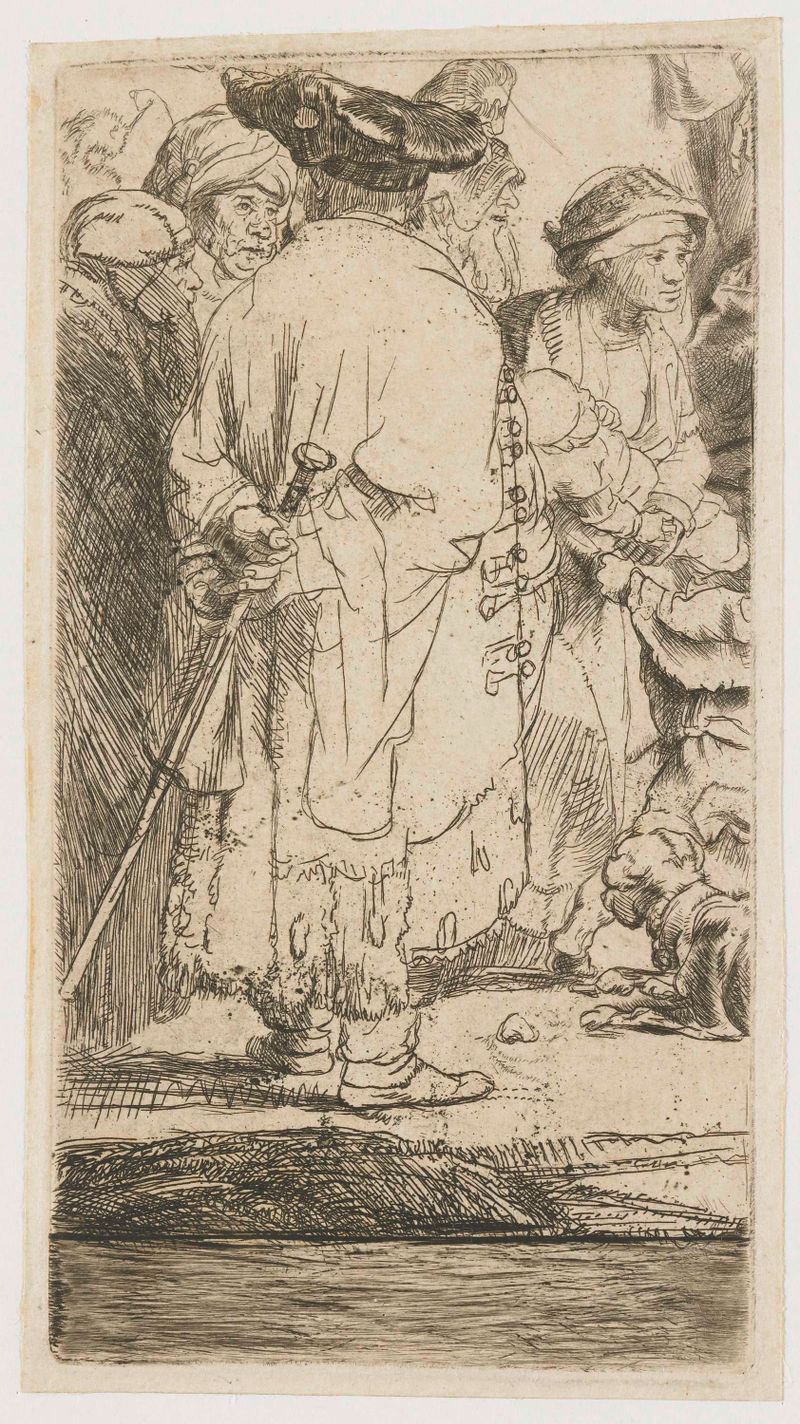
In the delicate pause between life and death, fragility takes center stage, urging us to confront our own vulnerabilities. In Trachin en Chariclea, the eye is drawn first to the haunting expression of Chariclea, her gaze intense and filled with unspoken sorrow. Look closely at the soft interplay of light and shadow across her face, as if illuminating her inner turmoil. The rich, muted colors of her robe contrast with the starkness of her surroundings, amplifying the emotional weight of the scene.
Each brushstroke conveys a sense of trembling fragility, inviting the viewer to linger in her moment of despair. The artist's palette embodies the conflicting themes of beauty and suffering. Chariclea’s elegantly draped garment suggests nobility, yet her posture—slightly slumped as if burdened—betrays a deeper melancholy. The subtle interplay of the figures in the background hints at a narrative of sacrifice and loss, enriching the work with layers of meaning.
The tension in their expressions captures a poignant tension between love and tragedy, reminding us that every choice comes with its consequences. Created between 1553 and 1614, this artwork emerged during a transformative period for Ambroise Dubois, who was working in Paris amidst the complexities of the Renaissance. His exploration of human emotion and fragility through classical themes was part of a broader movement in art at the time, where the emphasis shifted toward more introspective and personal reflections. Dubois's mastery in capturing such profound moments places him firmly in the conversation of a rapidly evolving artistic landscape.
More Portrait Art
Browse all →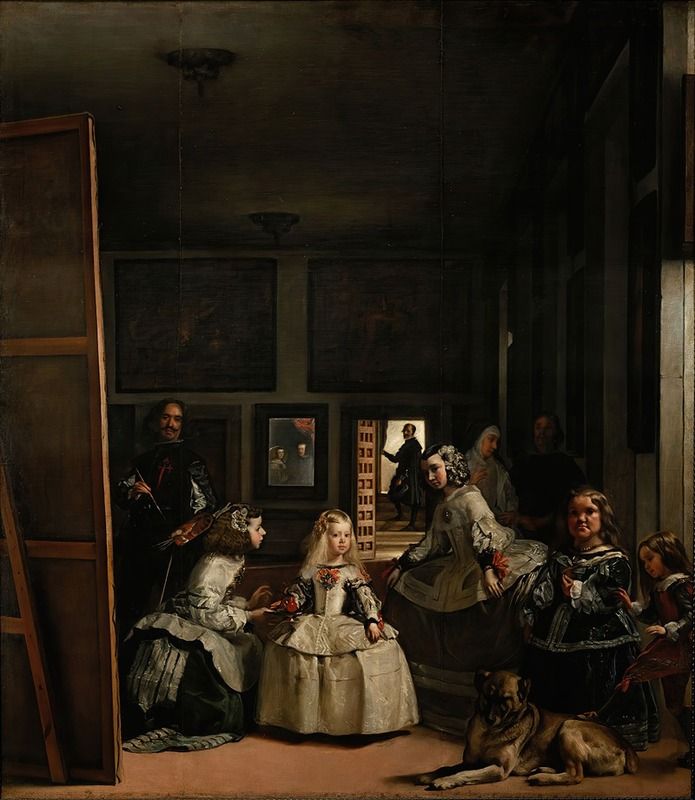
Las meninas
Diego Velázquez
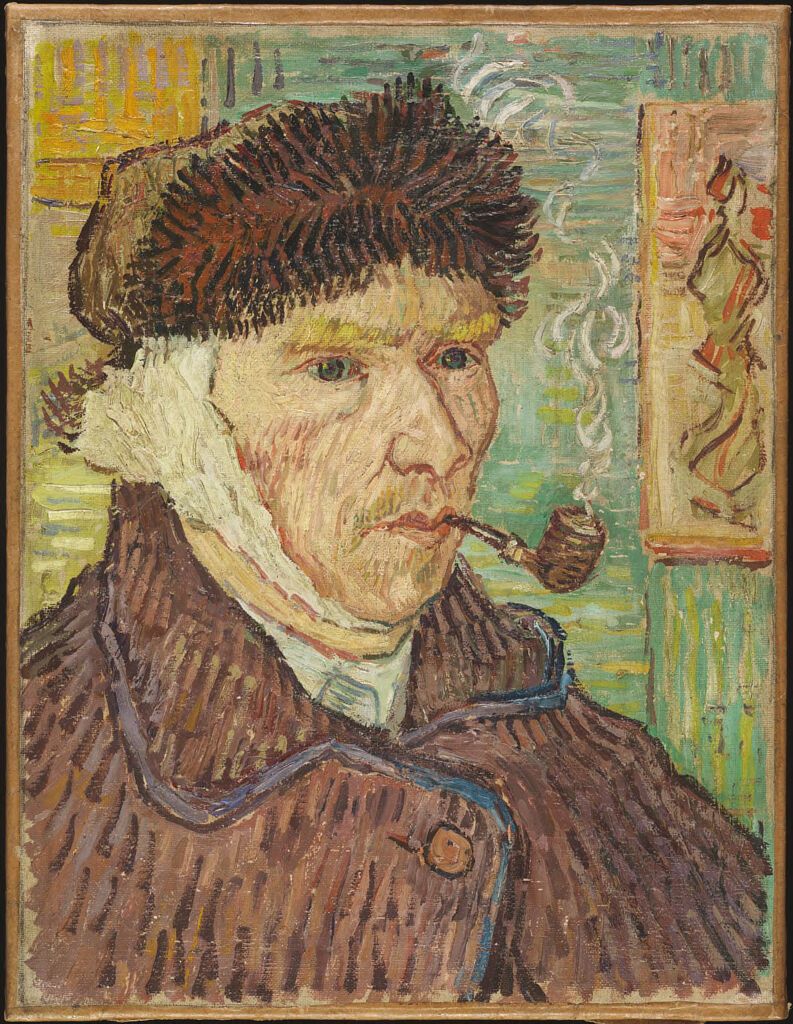
Self-portrait with a Bandaged Ear and Pipe
Unidentified artist
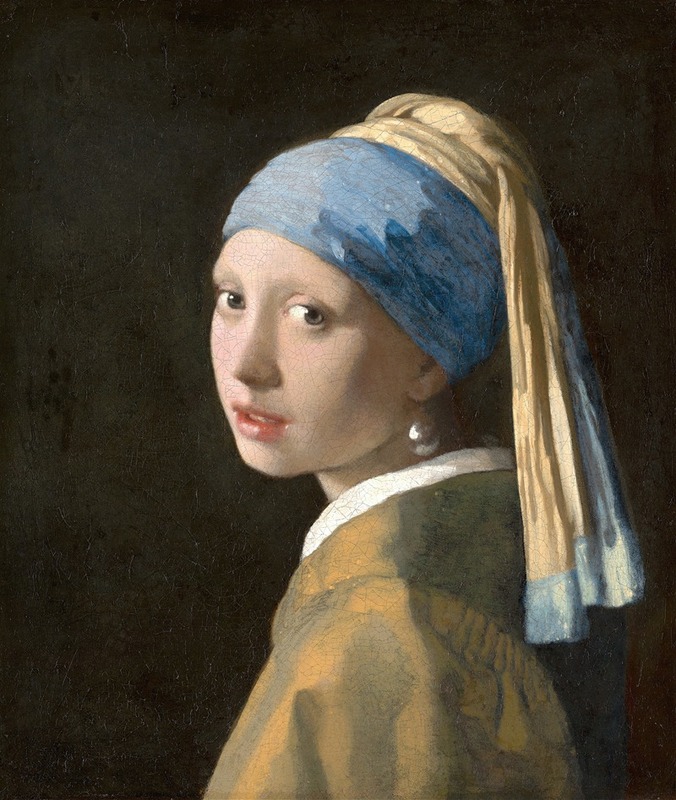
Girl with a Pearl Earring
Johannes Vermeer
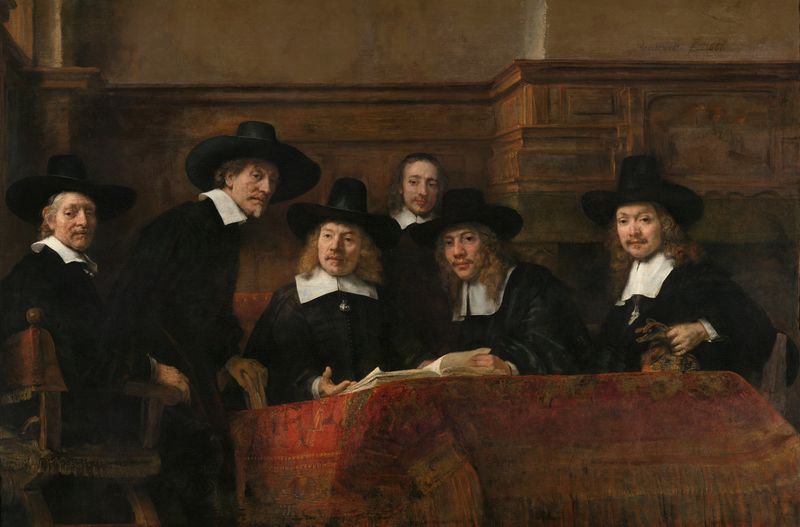
The Sampling Officials of the Amsterdam Drapers’ Guild, Known as ‘The Syndics’
Rembrandt van Rijn
The Hundred Guilder Print: the man seen on the back in the lower left corner
Rembrandt van Rijn

Portrait of Dr Gachet
Vincent van Gogh