Uithangarm in de vorm van een tak, uit verz. Mannheimer — History & Facts
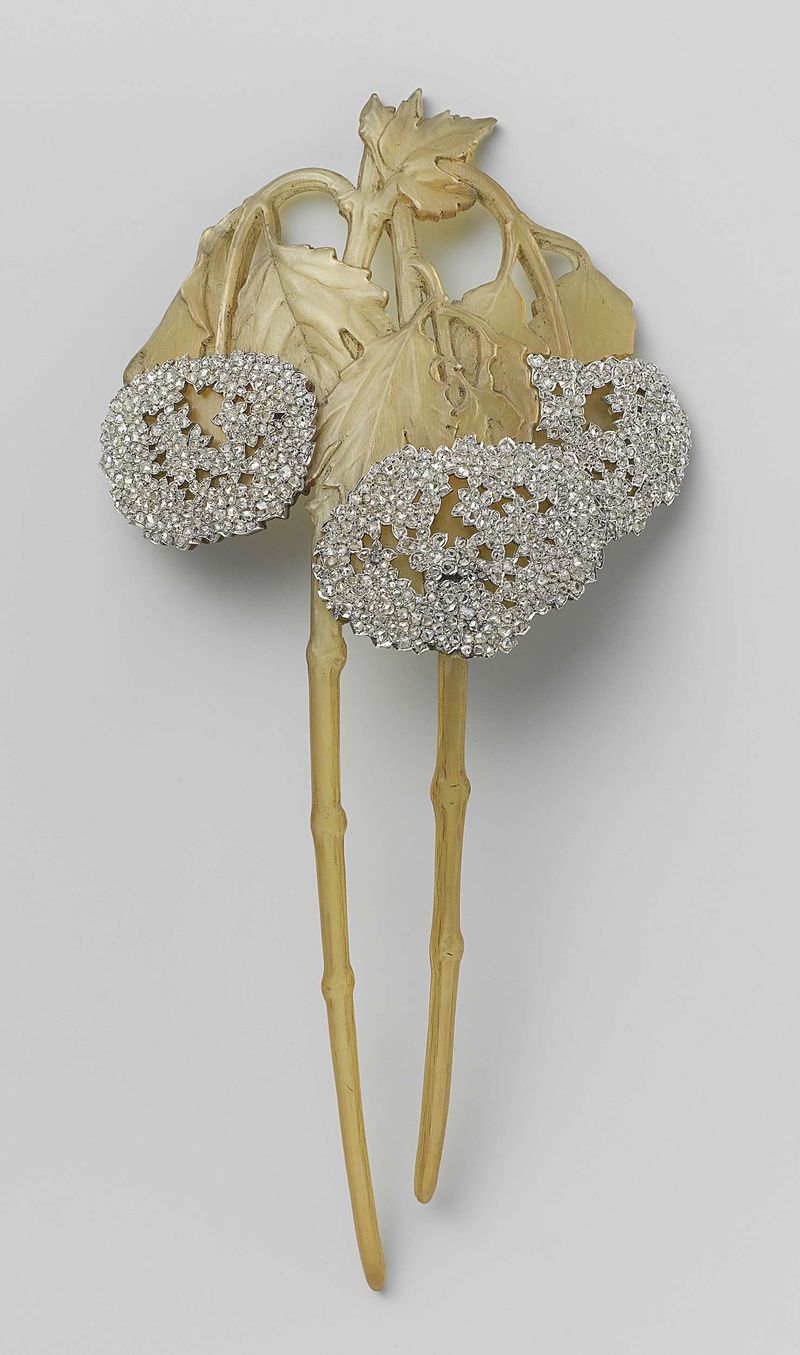
Could beauty survive in a century of chaos? This question resonates through the delicate intricacies of the piece, evoking a sense of wonder and contemplation about the nature of illusion and reality. Look closely at the intricately designed branch that extends outward from the canvas. The careful interplay of light and shadow reveals a soft luminosity that breathes life into the composition. Notice how the artist’s meticulous attention to detail, from the subtle textures of the bark to the graceful curvature of the leaves, creates a sense of movement, as if the branch could sway with the slightest breeze.
The muted palette, rich in earth tones, evokes a feeling of timelessness, drawing the viewer into a world where nature and artistry converge. Beneath the surface lies an exploration of fragility and resilience. The branch symbolizes growth and connection, yet it exists in a precarious state, echoing the uncertainties of its time. This sense of balance invites reflection on the fleeting nature of beauty amid turmoil.
The illusion of life captured in such an ephemeral form prompts us to question the permanence of art and the ways it mirrors our existence, leaving us pondering what is real and what is merely an illusion. Created in a period marked by significant social and political upheaval, the artwork emerged around the late 17th century, a time when artists navigated the delicate balance between representation and idealization. The unknown creator infused the work with a sense of hope, crafting a moment of serene beauty that stands in contrast to the chaos of the world around them, allowing us to glimpse a sanctuary in the midst of uncertainty.