
Vrouwenportret — History & Facts
The absence of sound in this portrait speaks volumes, echoing the unspoken thoughts of the subject, capturing a moment suspended in time. In an age where women often remained unseen, this work invites us to witness—and question—their existence within the confines of society. Look closely at the gentle contours of the woman’s face, where soft light caresses her cheek, casting delicate shadows that hint at both vulnerability and strength. Notice how her downcast eyes, framed by dark curls, draw you into her quiet world, evoking a sense of introspection.
The muted color palette enhances the solemn ambiance, accentuating the emotional weight of her solitude while the fine brushwork highlights the texture of her garments, suggesting a blend of elegance and restraint. Within the folds of her attire lies a contrast between the decorative elements and the simplicity of her expression, hinting at the tension between societal expectations and personal identity. The way her hands rest in her lap, clasped together, conveys an unresolved narrative—a silent struggle, perhaps, or a yearning for freedom from the constraints of her role. This interplay of presence and void speaks to the broader experience of women in the 17th century, encapsulating the complexities of their lives. Joh.
Cleyburg created this painting in the mid-17th century, likely in the Netherlands, where the Baroque period reigned supreme. During this time, he navigated the evolving art world, influenced by the rise of portraiture and the changing societal roles of women. This work reflects not only his technical prowess but also the profound cultural conversations surrounding femininity and identity, making it a poignant piece in his oeuvre.
More Portrait Art
Browse all →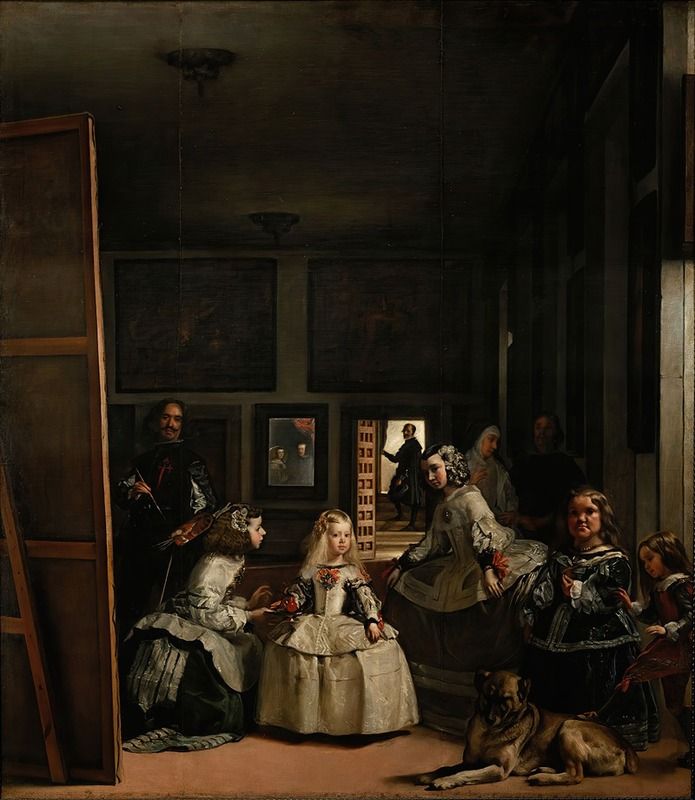
Las meninas
Diego Velázquez

Self-portrait with a Bandaged Ear and Pipe
Unidentified artist
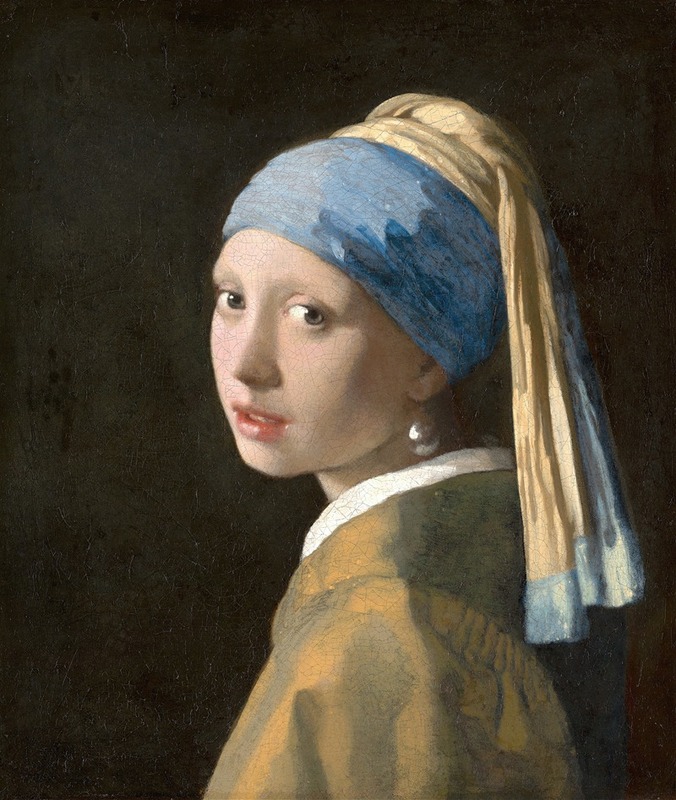
Girl with a Pearl Earring
Johannes Vermeer

The Sampling Officials of the Amsterdam Drapers’ Guild, Known as ‘The Syndics’
Rembrandt van Rijn

The Hundred Guilder Print: the man seen on the back in the lower left corner
Rembrandt van Rijn

Portrait of Dr Gachet
Vincent van Gogh