
William Gifford — History & Facts
This sentiment encapsulates the transformative power of art, where the rawness of human emotion is refined into a captivating vision. Through the lens of a portrait, we are invited to witness a moment suspended in time, revealing the essence of an individual and the world around them. Look closely at the subject’s gaze; it draws you in with a profound intensity that almost seems to speak. Notice how the rich, earthy tones dominate the background, allowing the figure to emerge with a softness that contrasts the vibrancy of the attire.
The delicate play of light across the face highlights the subject’s contemplative expression, revealing the artist’s skill in capturing not just likeness, but the spirit that lies beneath the surface. Within this portrait, there exists a tension between the outward appearance and the inner life of the sitter. The intricate details of the lace collar suggest both refinement and fragility, hinting at societal expectations of the time. Meanwhile, the subtle shadows around the eyes allude to a deeper narrative—perhaps one of longing or introspection.
This interplay between elegance and emotion invites viewers to ponder the complexities of identity and perception. After John Hoppner painted William Gifford around 1800, he was working in a period marked by a fascination with portraiture and the portrayal of individual character. At this time, Britain was experiencing significant political and social changes, with artists exploring new techniques and styles. Hoppner, a prominent portraitist, was gaining recognition for his ability to infuse life into his subjects, capturing not only their likeness but their essence, which firmly placed him in the evolving narrative of the art world.
More Portrait Art
Browse all →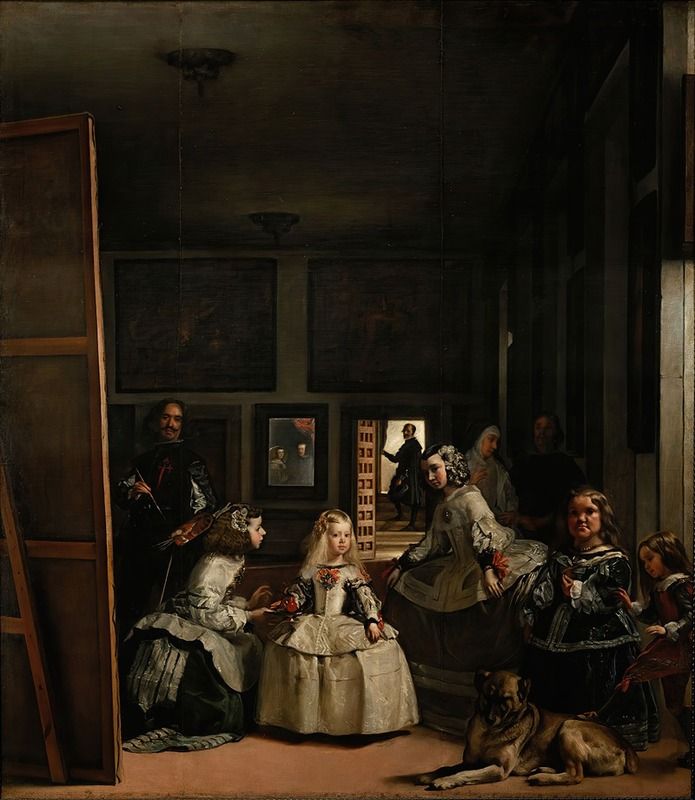
Las meninas
Diego Velázquez
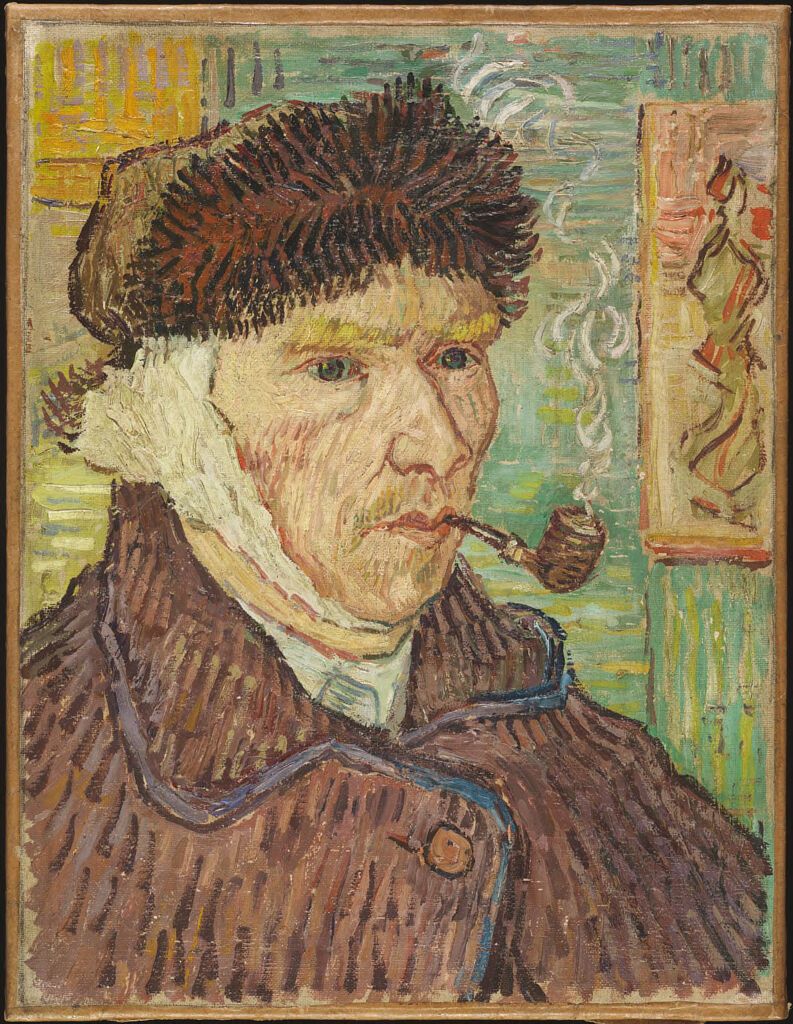
Self-portrait with a Bandaged Ear and Pipe
Unidentified artist
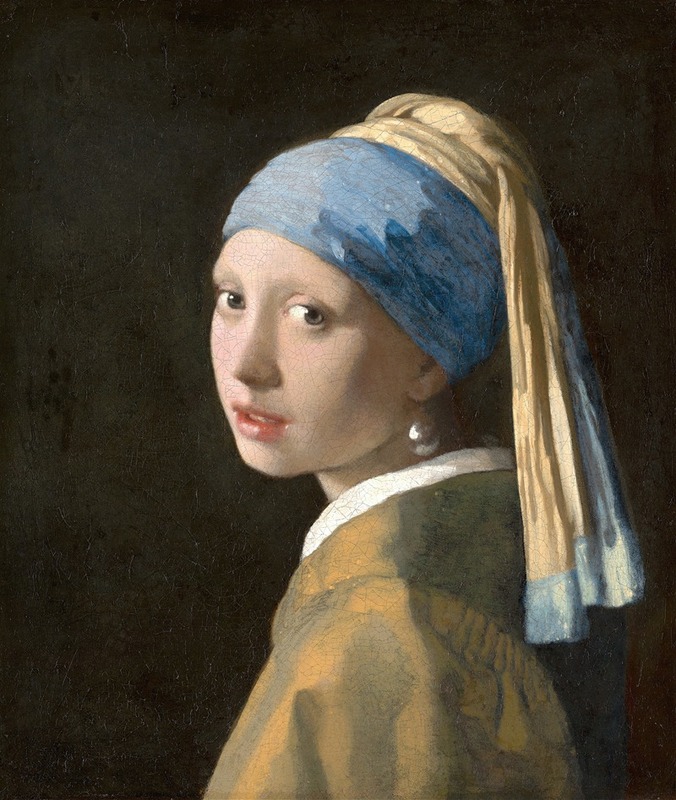
Girl with a Pearl Earring
Johannes Vermeer
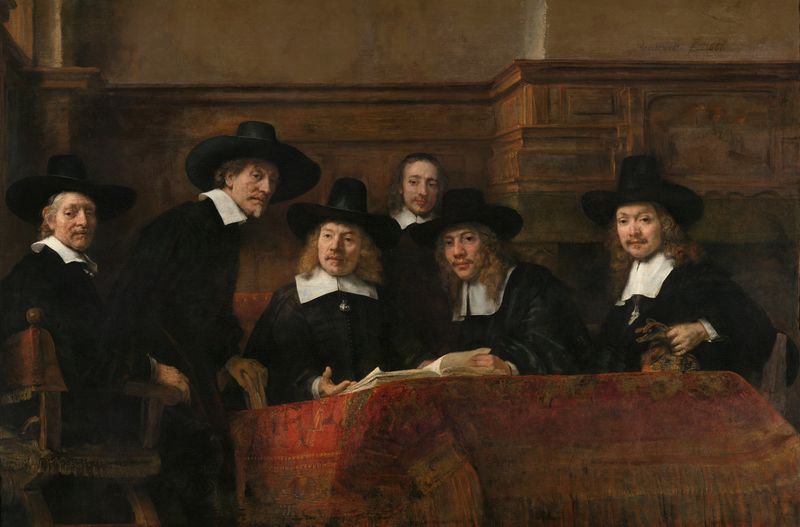
The Sampling Officials of the Amsterdam Drapers’ Guild, Known as ‘The Syndics’
Rembrandt van Rijn
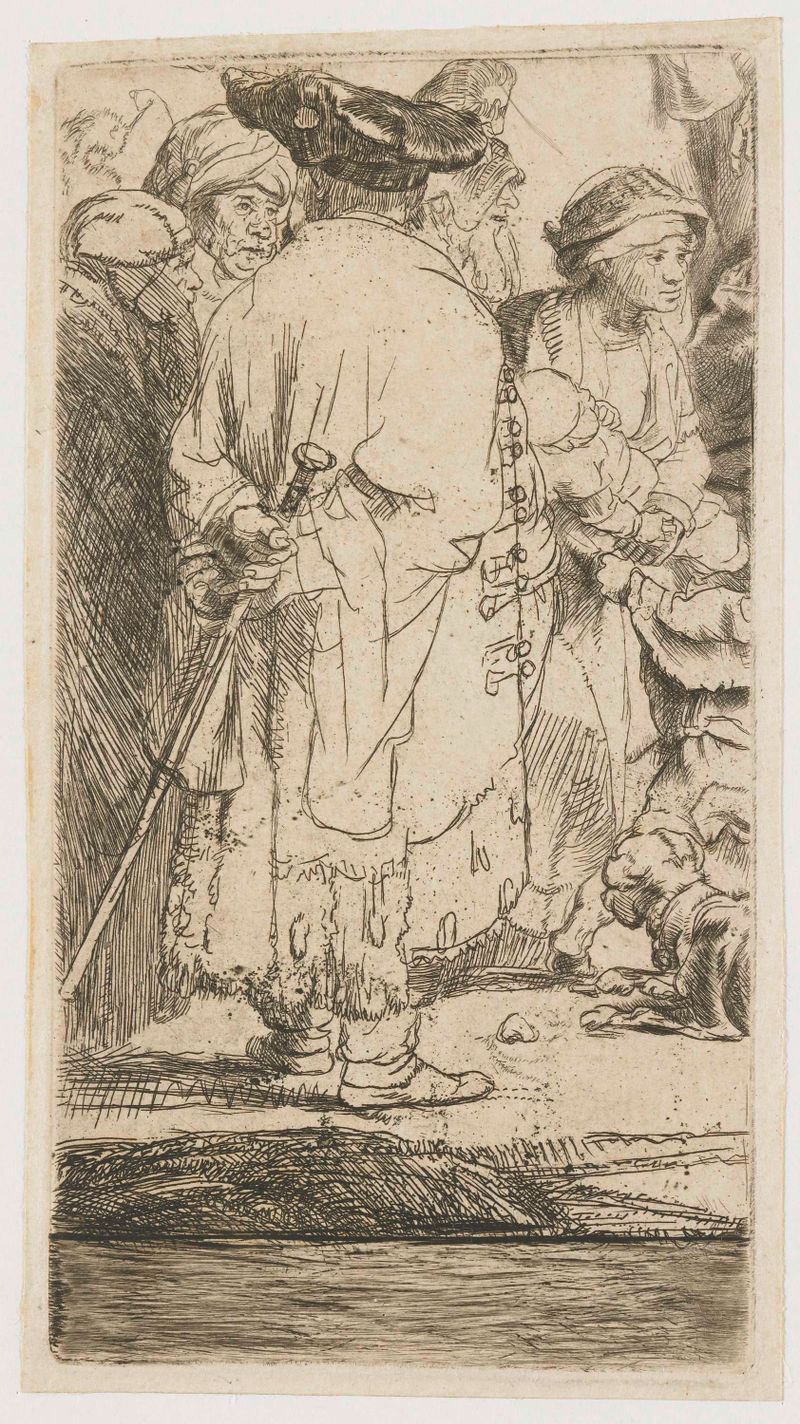
The Hundred Guilder Print: the man seen on the back in the lower left corner
Rembrandt van Rijn

Portrait of Dr Gachet
Vincent van Gogh