
Zittend jongetje — History & Facts
This notion echoes profoundly in Zittend jongetje, where the serene visage of a young boy invites contemplation of deeper truths. The artist, known for his sensitive portrayals, captures not merely the innocence of youth but also the layers of existence that lie beneath the surface. Look closely at the boy’s expressive gaze, a window into his soul. His bright eyes, painted with an almost ethereal clarity, draw you in, while the gold embroidery of his attire catches the light, symbolizing the duality of his experience.
The contrast between the rich textures of his clothing and the softness of his skin emphasizes a moment frozen in time, evoking both fragility and resilience. The choice of a dark background serves to highlight his figure, isolating him in a world where his thoughts seem to linger in silence. Within the delicate brushstrokes lies a complex interplay of divinity and humanity. The gold, as much a part of him as his youth, hints at the transient nature of beauty and innocence, suggesting that even in angelic appearances, the mortal coil remains.
The slight tilt of his head and the subtle smile suggest an awareness beyond his years, a hint of the burdens he may carry or the dreams that occupy his thoughts, weaving a narrative of both hope and melancholy. Leendert van der Cooghen painted this work during the mid-17th century, a time marked by the Dutch Golden Age. Amid the flourishing of art and culture, he found his niche in capturing the nuances of human emotion and character. This piece, crafted between 1642 and 1681, reflects not only his skill but also a period rich in exploration of the self, where every child could embody both divine potential and the complexities of existence.
More Artworks by Leendert van der Cooghen
Browse all →
Portret van een onbekend meisje met een mutsje op
Leendert van der Cooghen
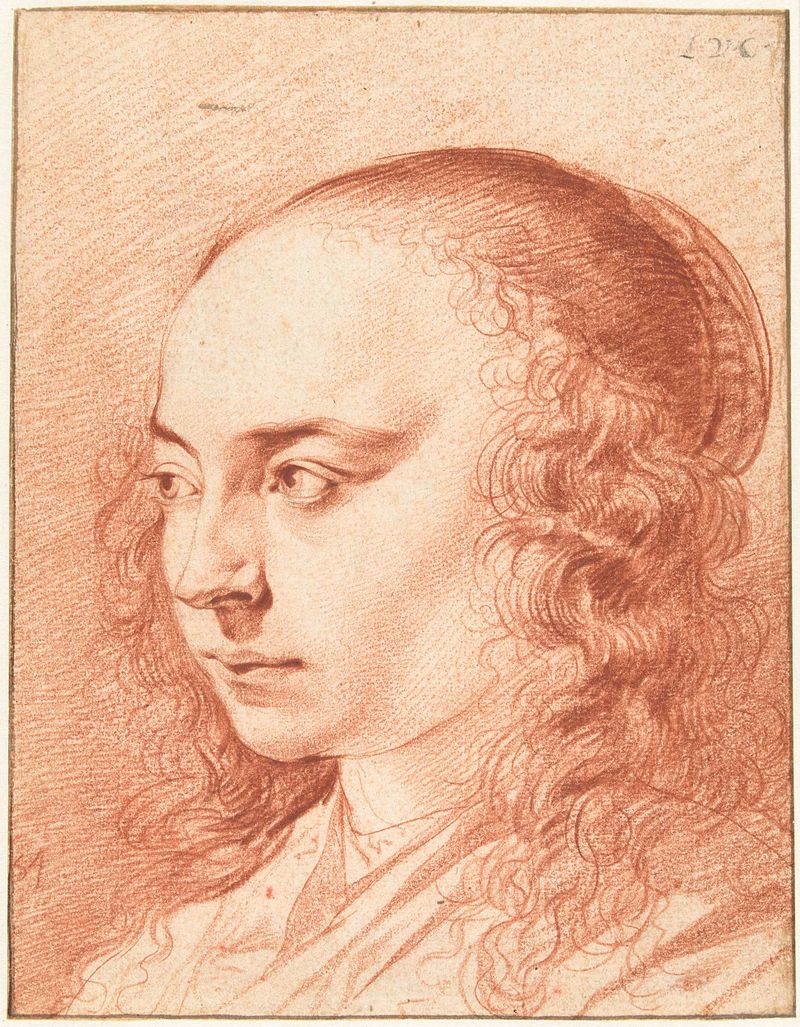
Portret van een onbekende jonge vrouw
Leendert van der Cooghen
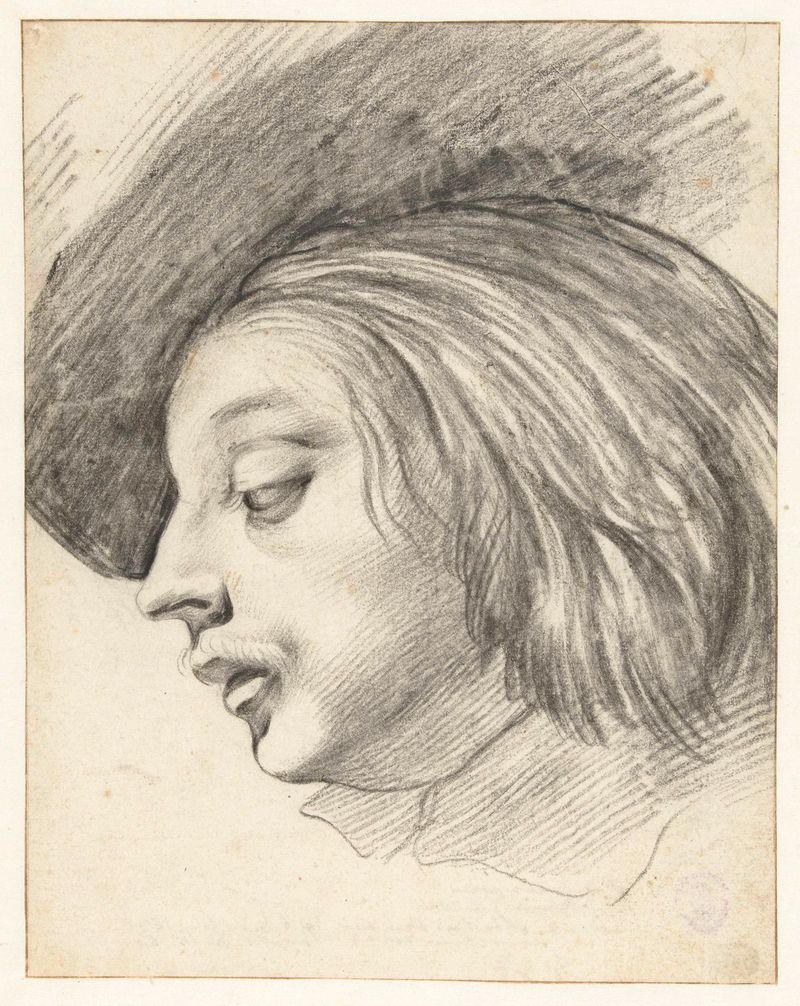
Portret van de kunstenaar Dirck Helmbreeker
Leendert van der Cooghen

Hoofd van een jongen
Leendert van der Cooghen
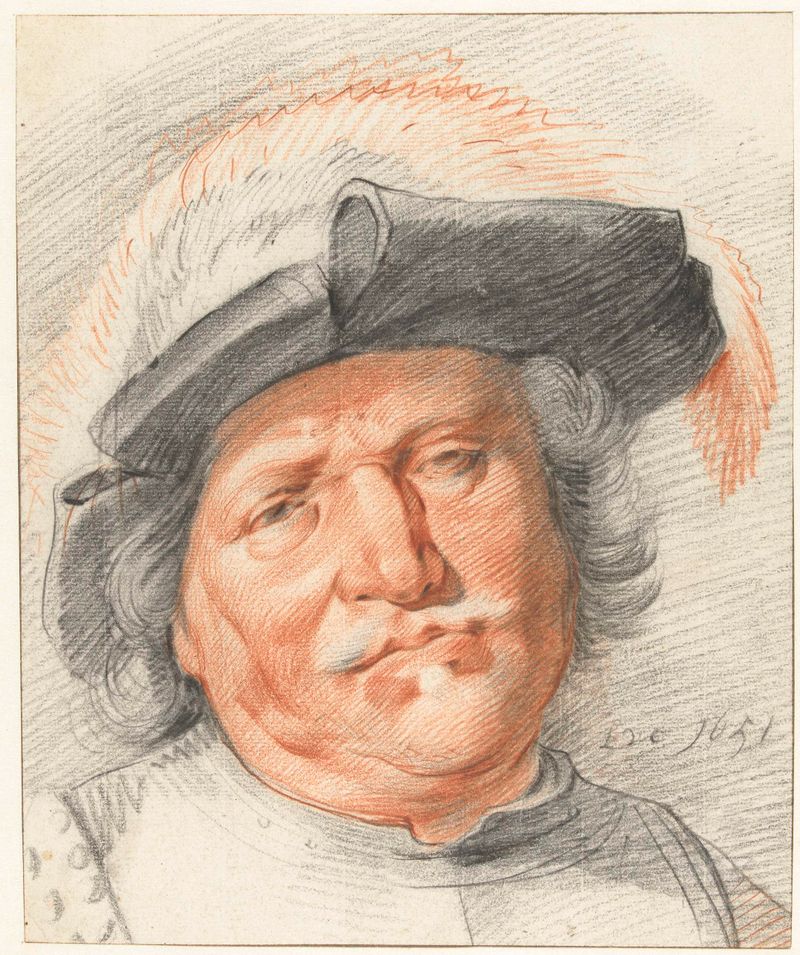
Hoofd van een man
Leendert van der Cooghen

David met het hoofd van Goliath
Leendert van der Cooghen
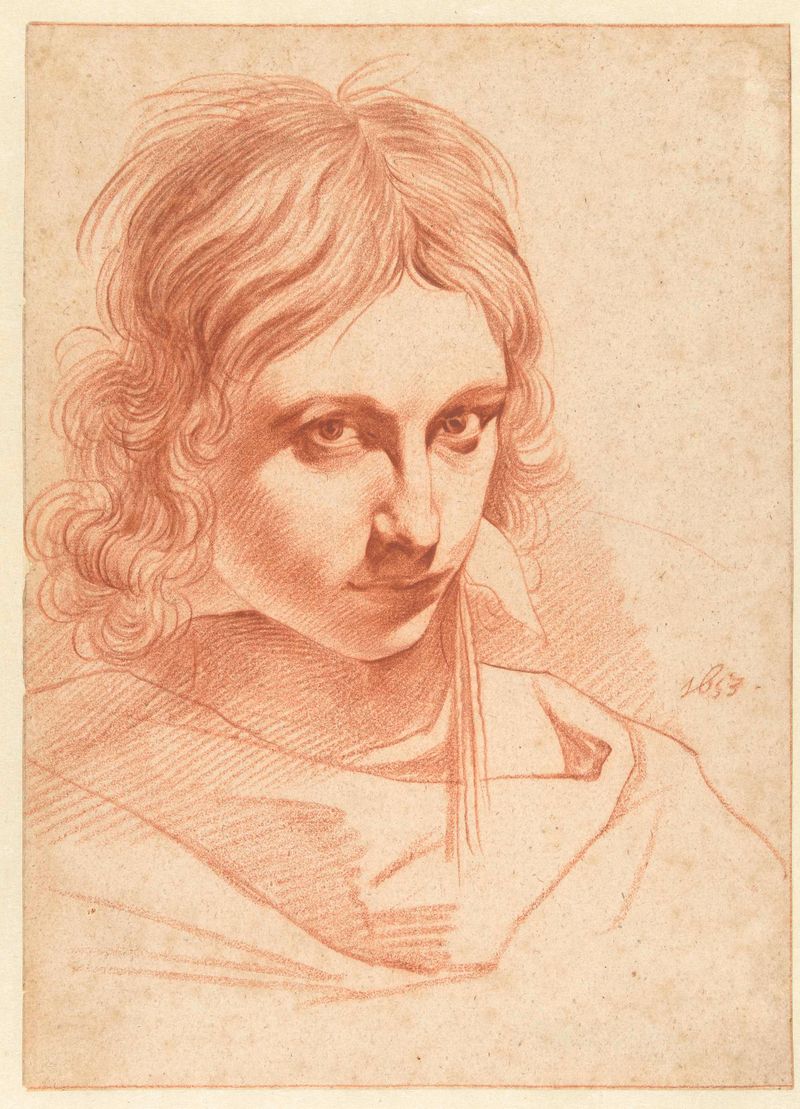
Zelfportret van Leendert van der Cooghen (?)
Leendert van der Cooghen

Hoofd van een jongen, naar rechts
Leendert van der Cooghen
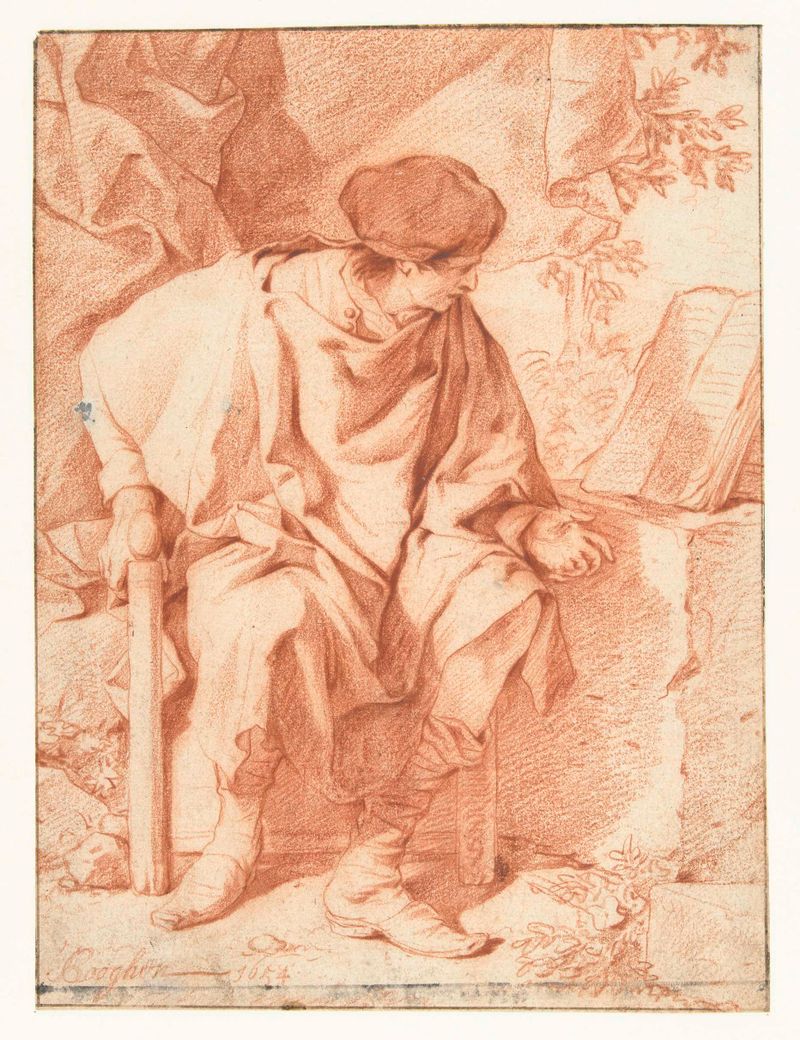
Landschap met een lezende man
Leendert van der Cooghen

Hoofd van een man
Leendert van der Cooghen
More Portrait Art
Browse all →
Las meninas
Diego Velázquez

Self-portrait with a Bandaged Ear and Pipe
Unidentified artist

Girl with a Pearl Earring
Johannes Vermeer

The Sampling Officials of the Amsterdam Drapers’ Guild, Known as ‘The Syndics’
Rembrandt van Rijn

The Hundred Guilder Print: the man seen on the back in the lower left corner
Rembrandt van Rijn

Portrait of Dr Gachet
Vincent van Gogh