Zonnewijzer van Wassenaar — History & Facts
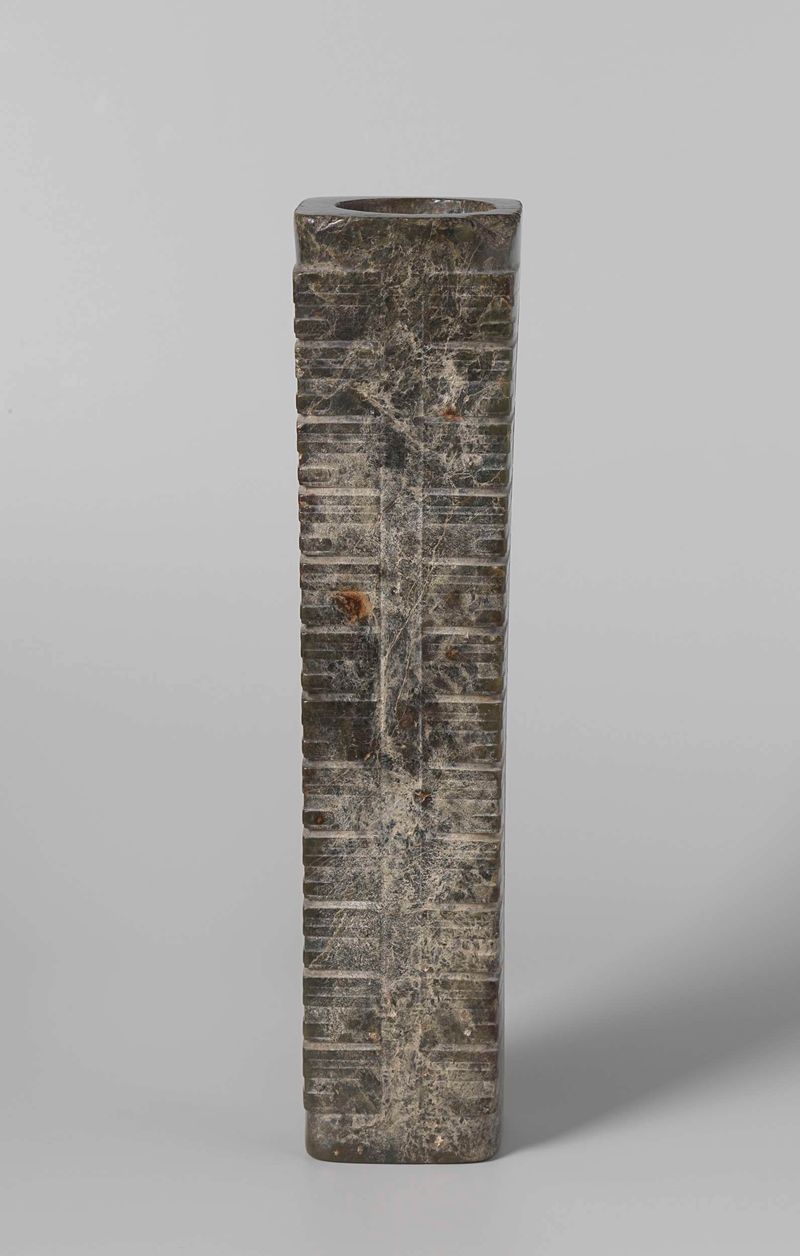
Can beauty exist without sorrow? The delicate interplay between joy and sadness creates an illusion that captivates the heart and mind. The viewer's gaze is instantly drawn to the intricate workings of the sundial, adorned with vibrant yet muted colors that evoke both warmth and nostalgia. Look closely at the finely etched details; the gleaming metal contrasts against the weathered stone base, symbolizing time’s relentless passage. Notice how the sunlight dances across its surface, animating the delicate shadows that linger just out of reach, inviting contemplation of life’s fleeting moments. Amidst the elegance lies a deeper tension.
The sundial not only marks time but also serves as a reminder of its inevitability and the sorrows that accompany each passing hour. The juxtaposition of the sun’s vibrant rays and the somber, quiet stone evokes a profound reflection on human existence—a dialogue between the ephemeral beauty of life and the shadows of loss that haunt it. Each detail whispers stories of joy and regret, compelling the viewer to ponder the fragility of moments captured in time. David Coster painted this work between 1719 and 1733, during a time of significant change in the art world.
As the Baroque period waned, artists began exploring themes of realism and emotion in their work. Coster, influenced by the shifting artistic landscape and local traditions, sought to capture the beauty of everyday objects while weaving in profound philosophical reflections on life, time, and the interplay of light and shadow.