
Art period · 17th century · Dutch Republic
Dutch Golden Age Art and Paintings
Dutch Golden Age painting is the art of a period that began in the Dutch Republic, today's Netherlands, around 1609 and lasted through the 17th century: lifelike portraits of citizens, quiet scenes of home and everyday life, landscapes and still lifes, painted for private buyers rather than the Church. Its painters include Rembrandt, Johannes Vermeer, Frans Hals, Jan Steen and Jacob van Ruisdael.
With no commissions from the Protestant churches, many painters specialized in one kind of picture. Rembrandt's The Night Watch, painted in 1642 for the hall of Amsterdam's arquebusiers, shows a militia company setting off; Rembrandt was the first to paint the figures in a group portrait actually doing something, the Rijksmuseum says.
Browse 10,424 Dutch Golden Age paintings and artworks below, all public domain and free to download.
Selected and written by Pavel MazuelasUpdated November 5, 2026
Part of Art Movements and Painting StylesRelated: Baroque, Northern Renaissance, Famous Still Life Paintings
All Dutch Golden Age paintings and artworks
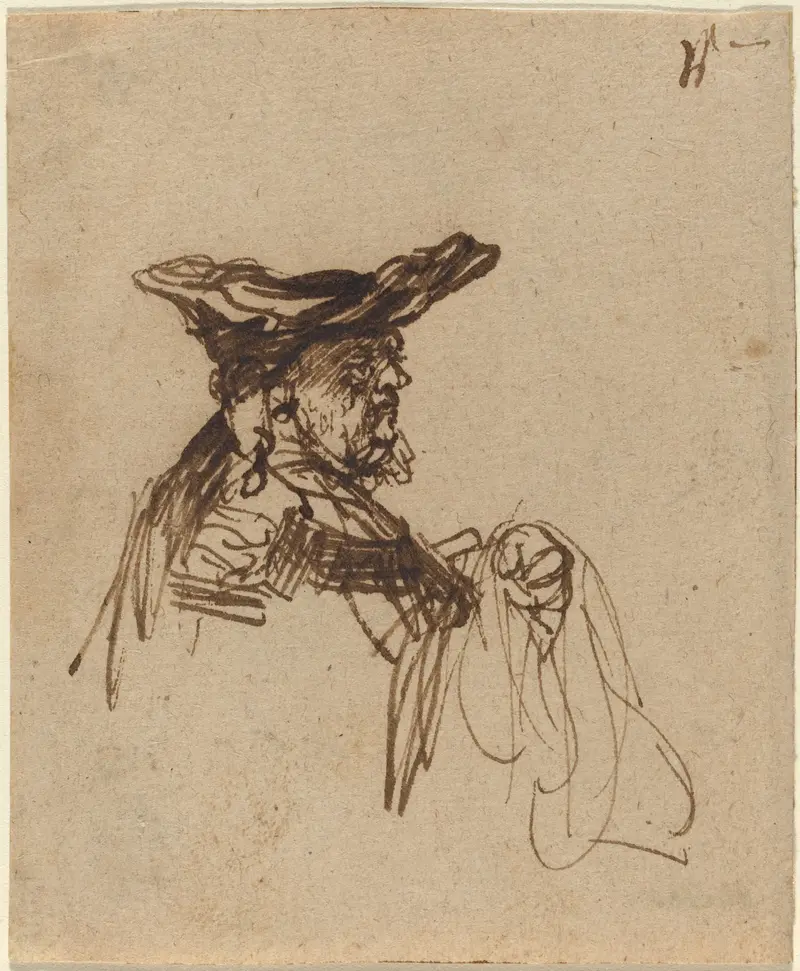
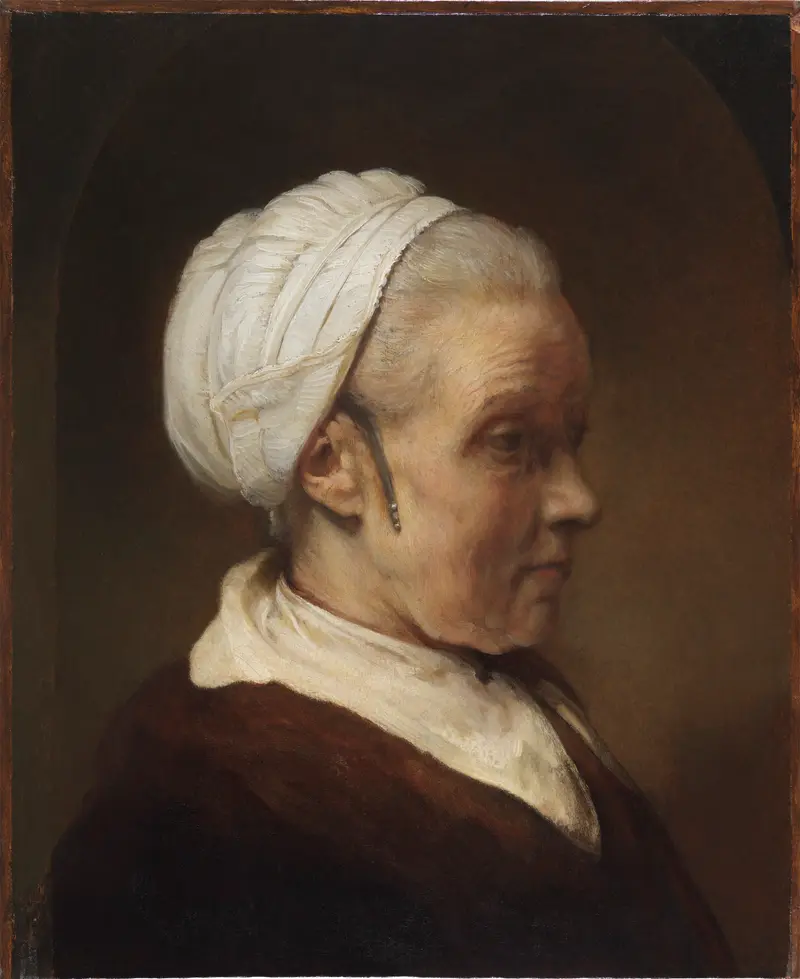
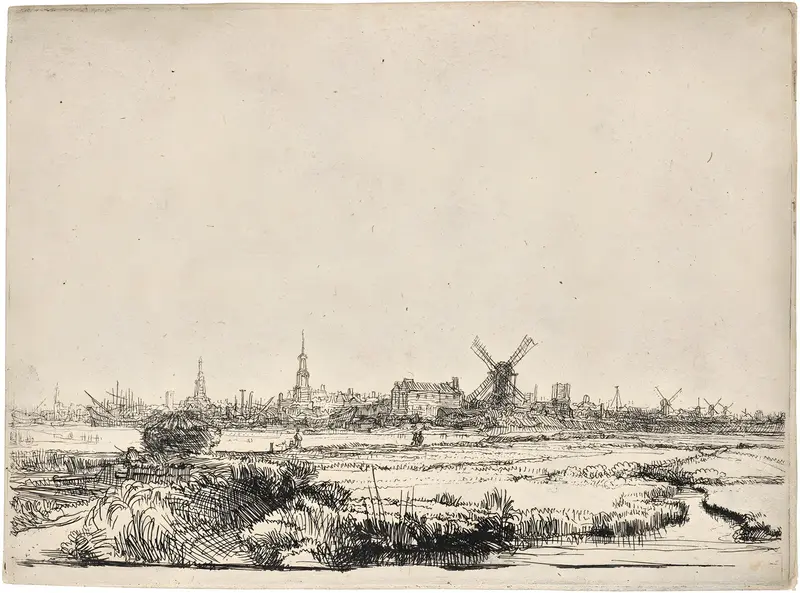
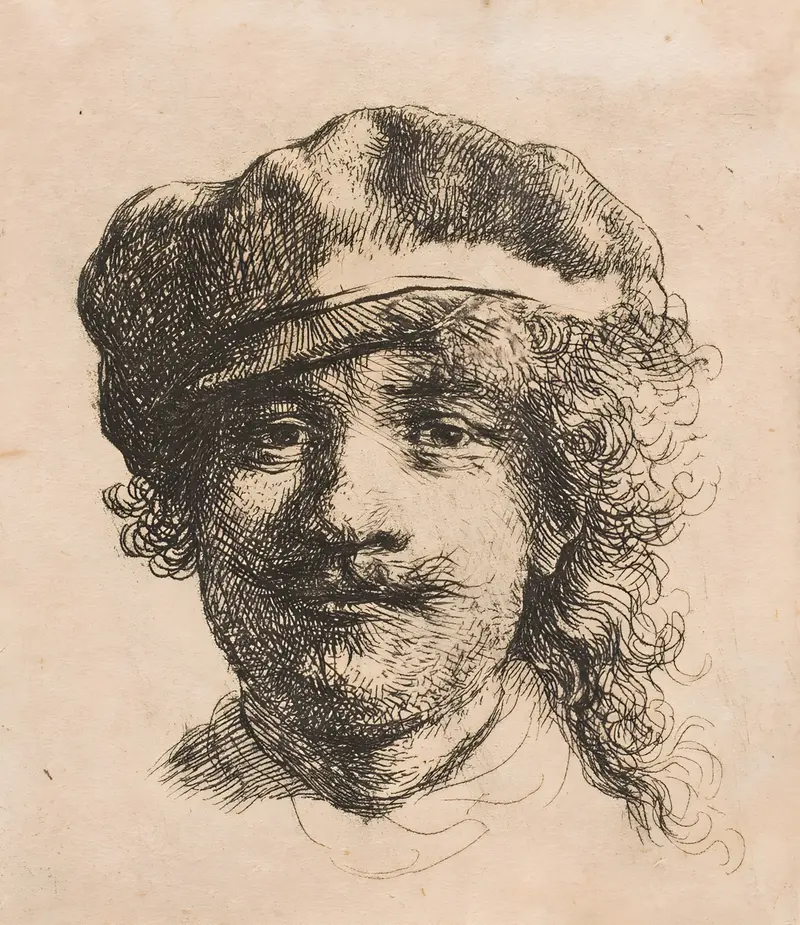
Landscapes, seascapes, portraits, scenes of daily life, still lifes and etchings. All public domain, free to download.












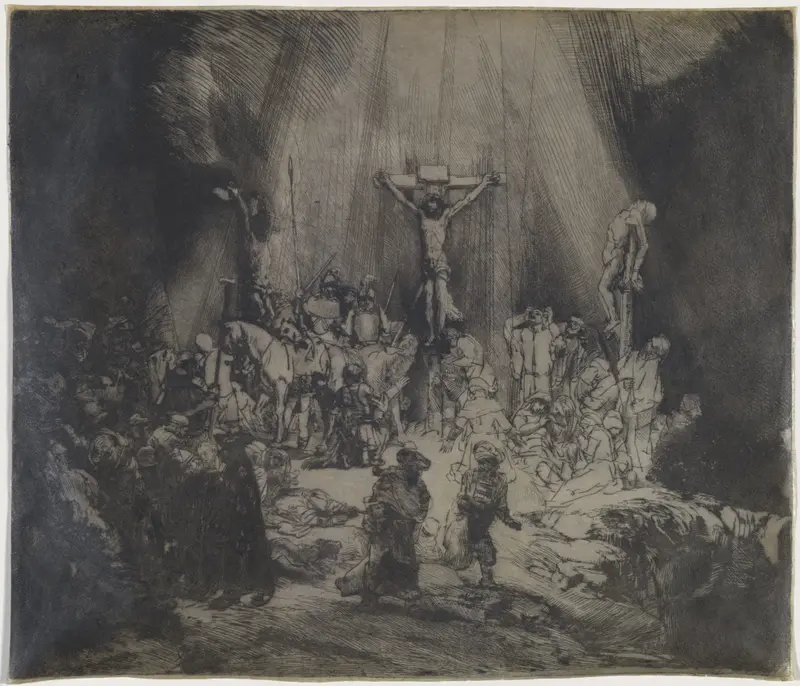
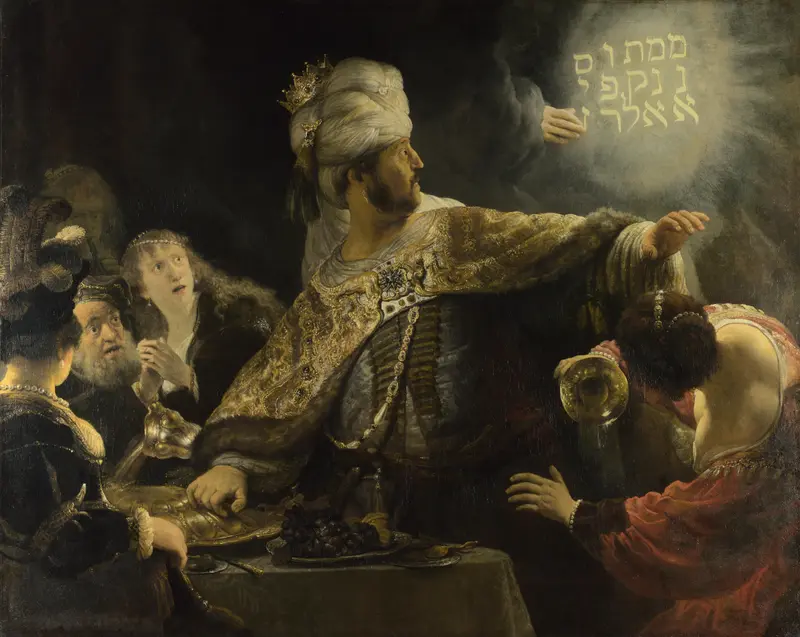
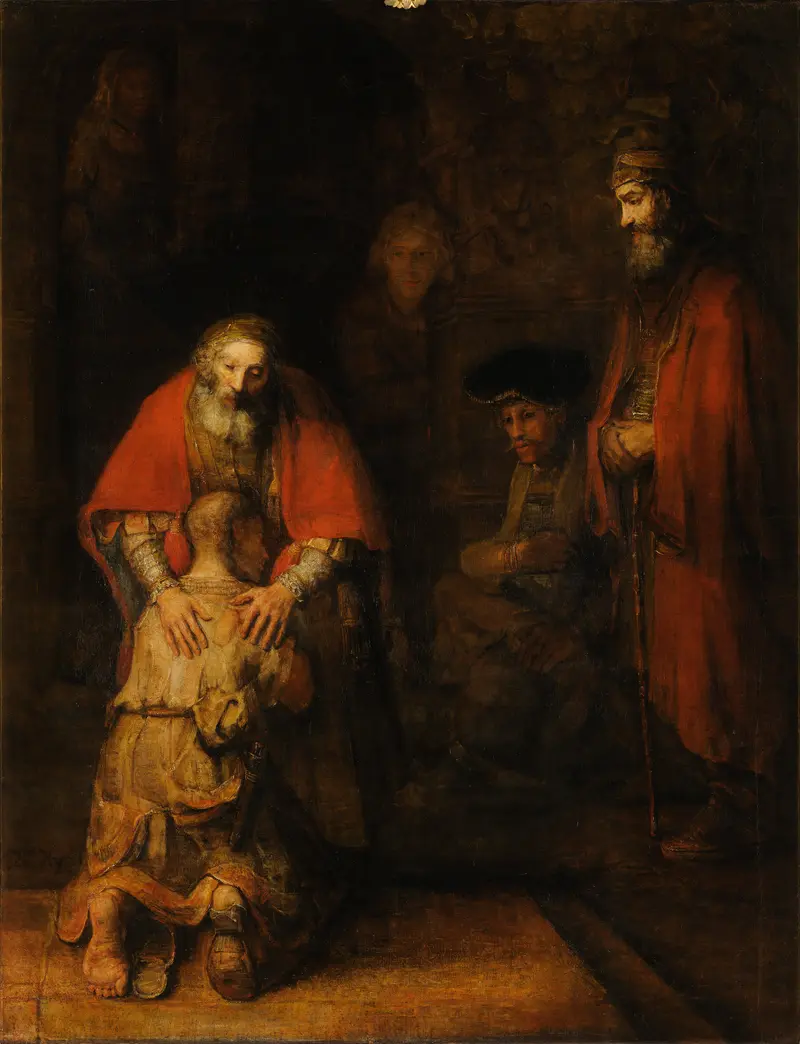
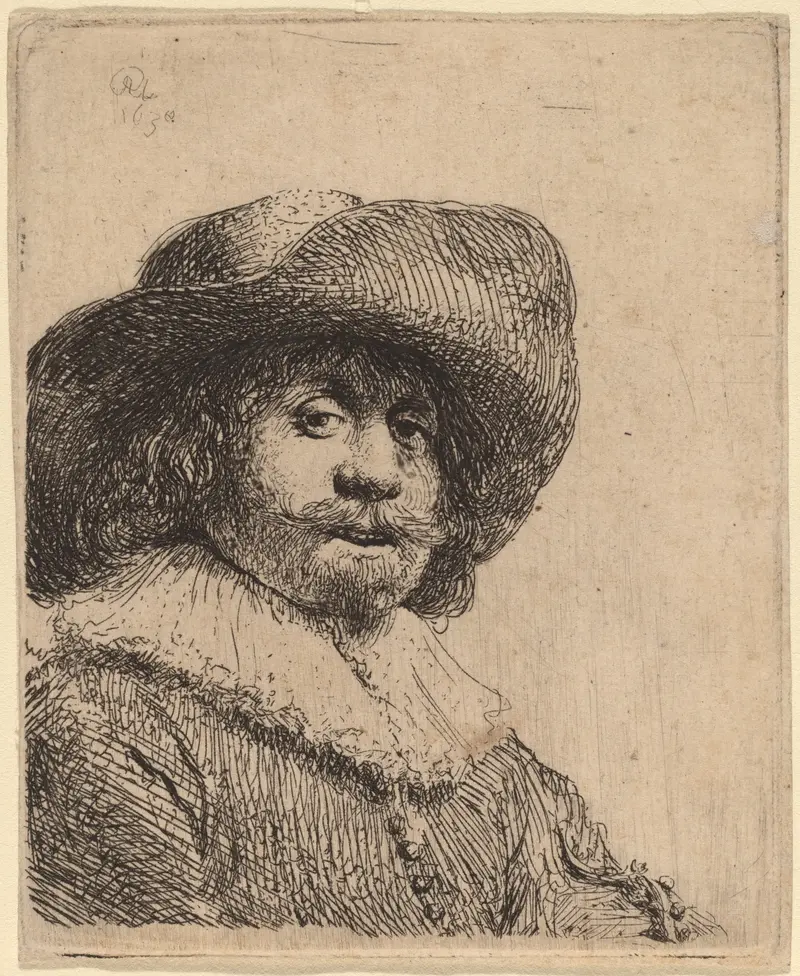
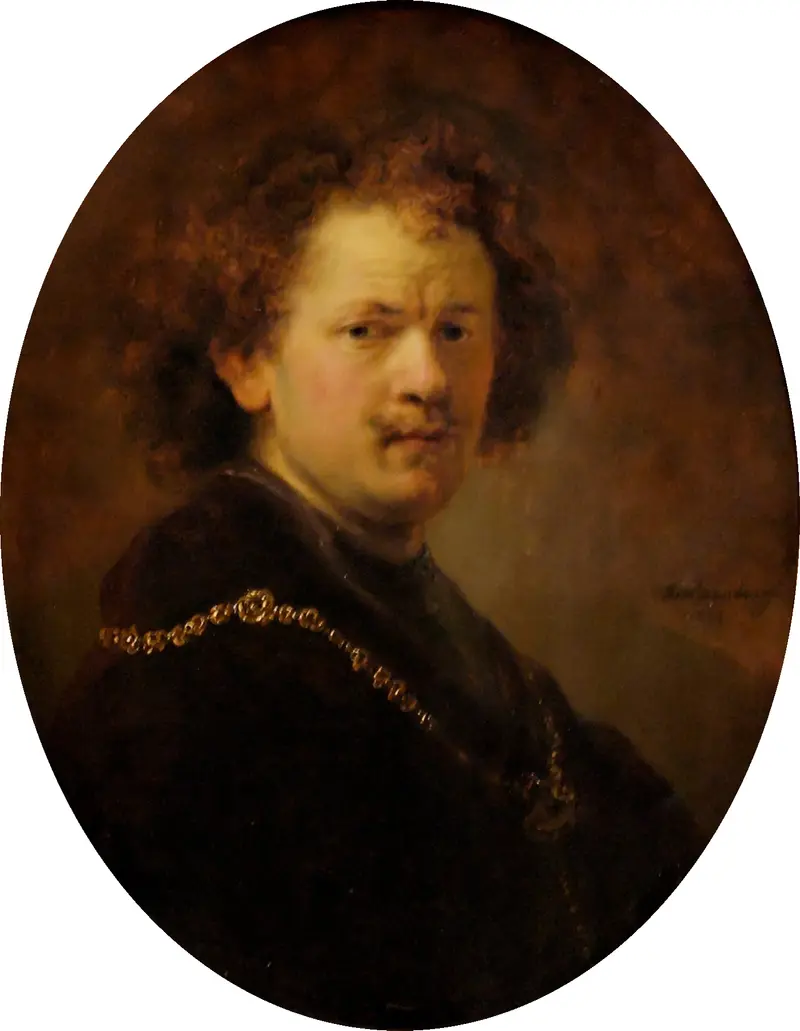
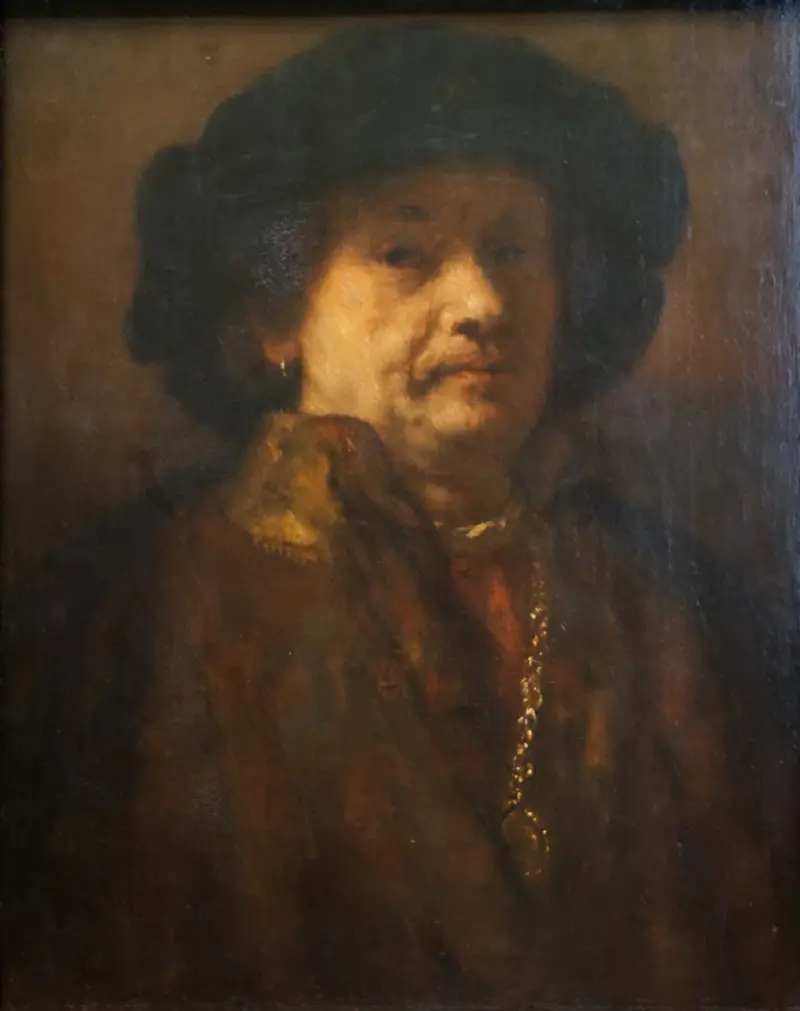
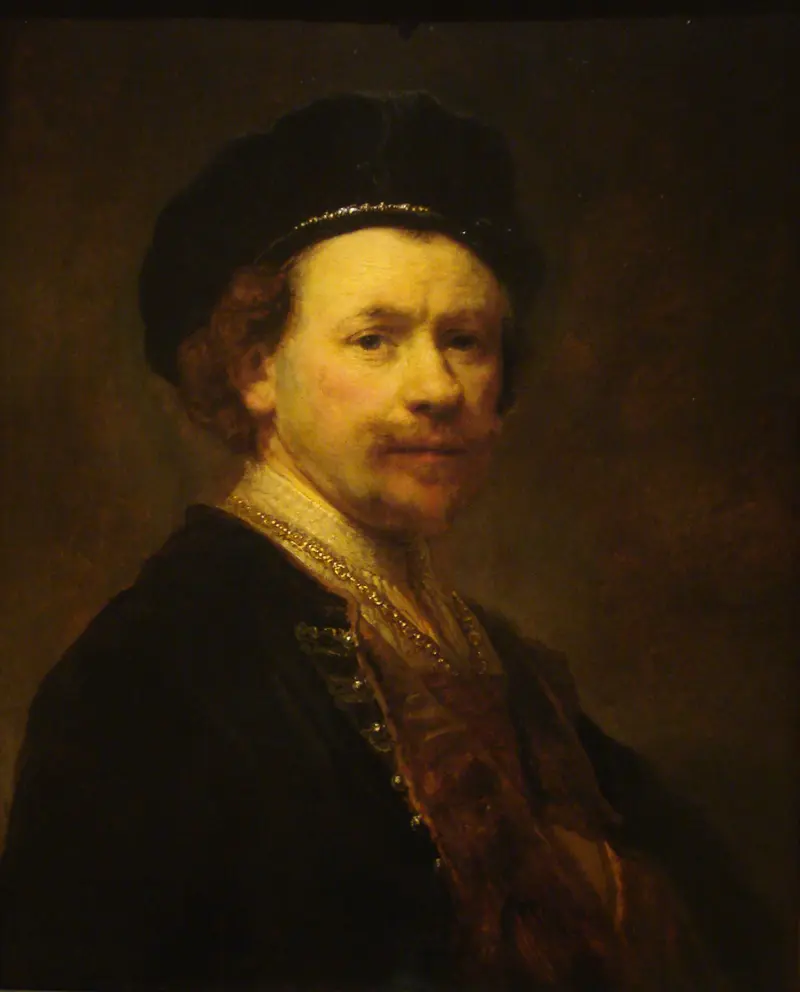
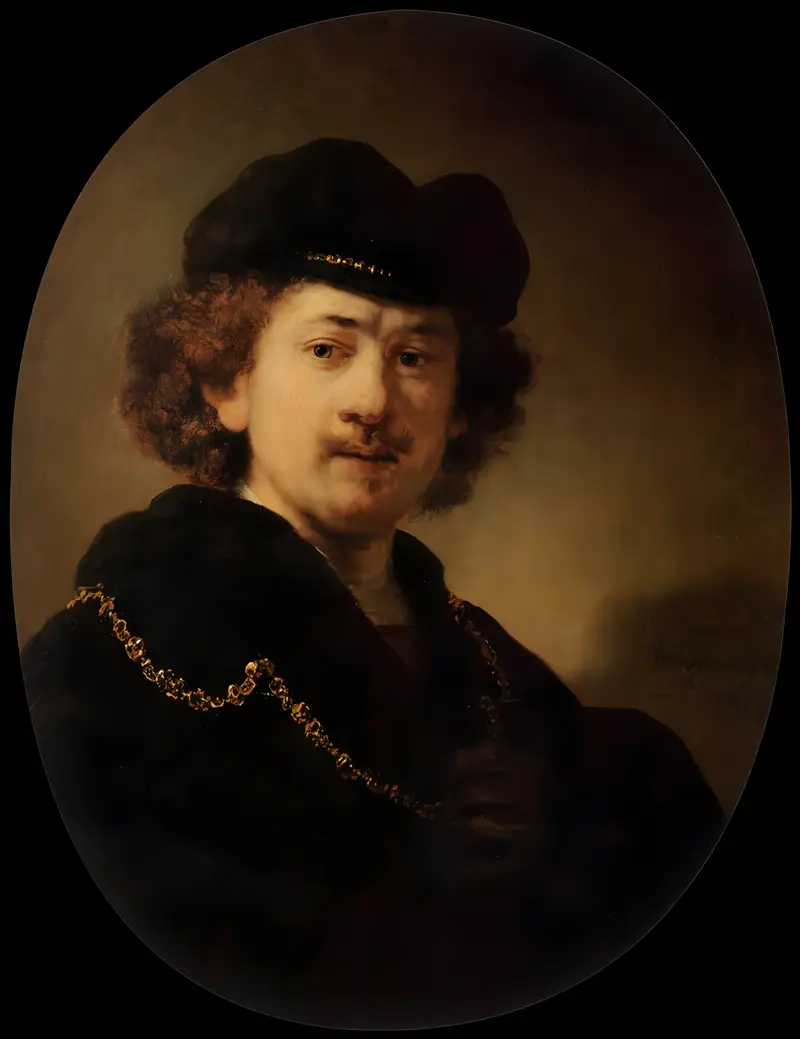
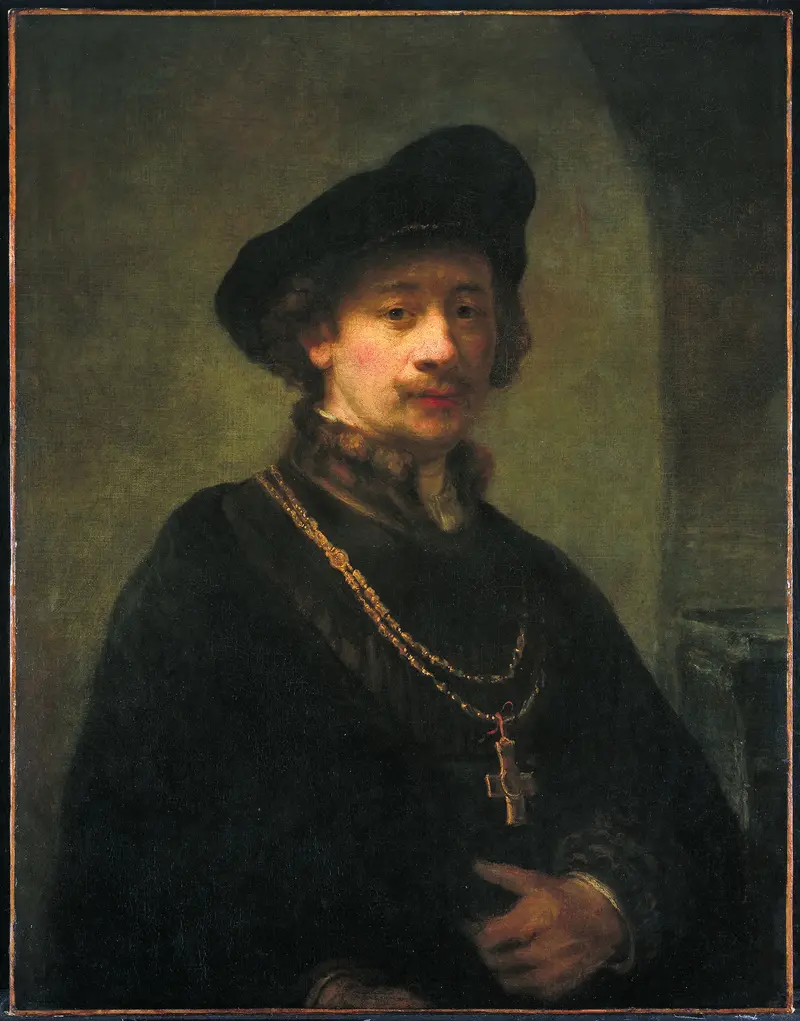
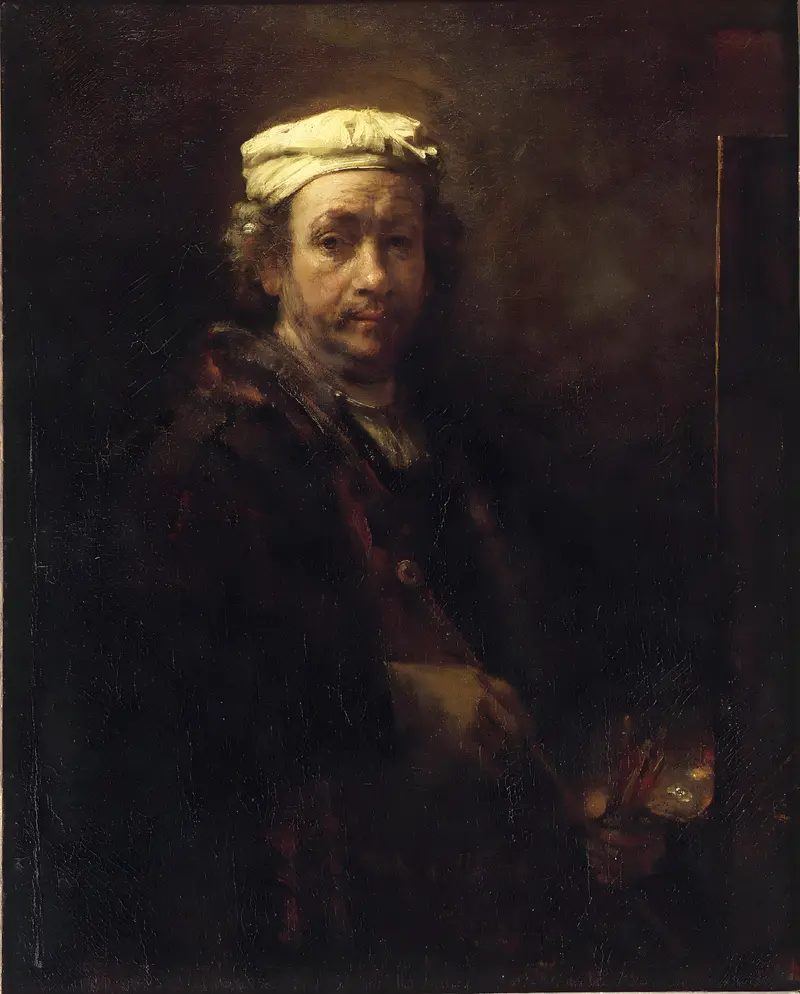

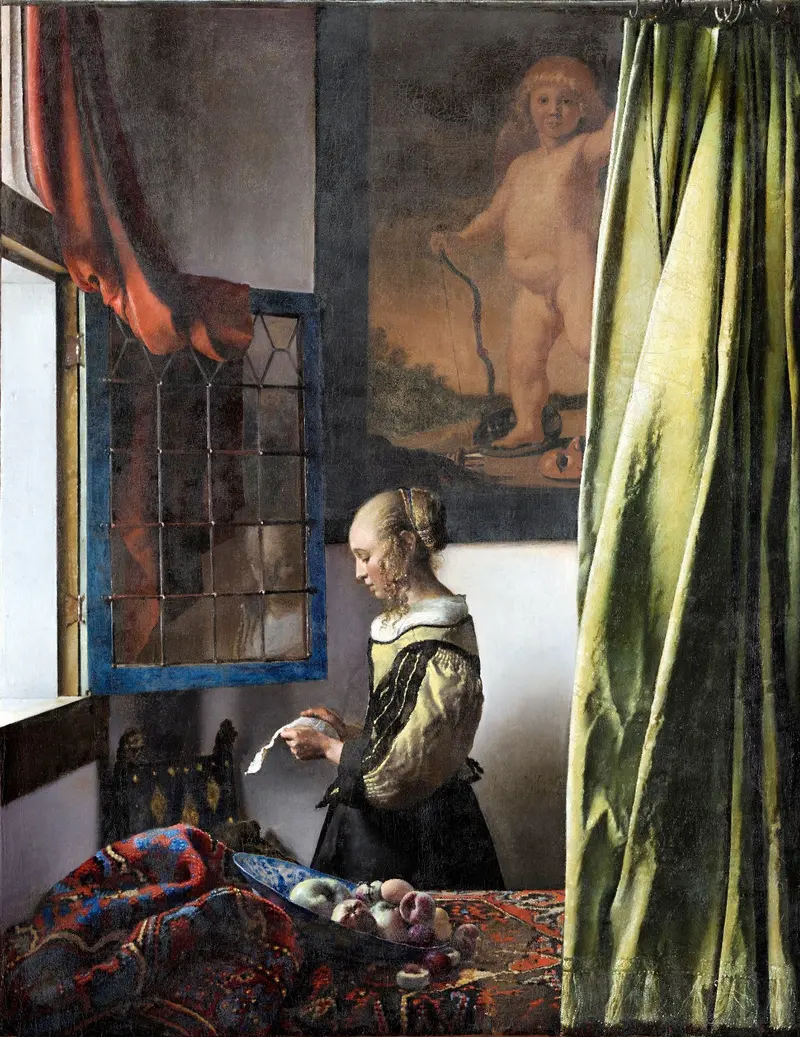
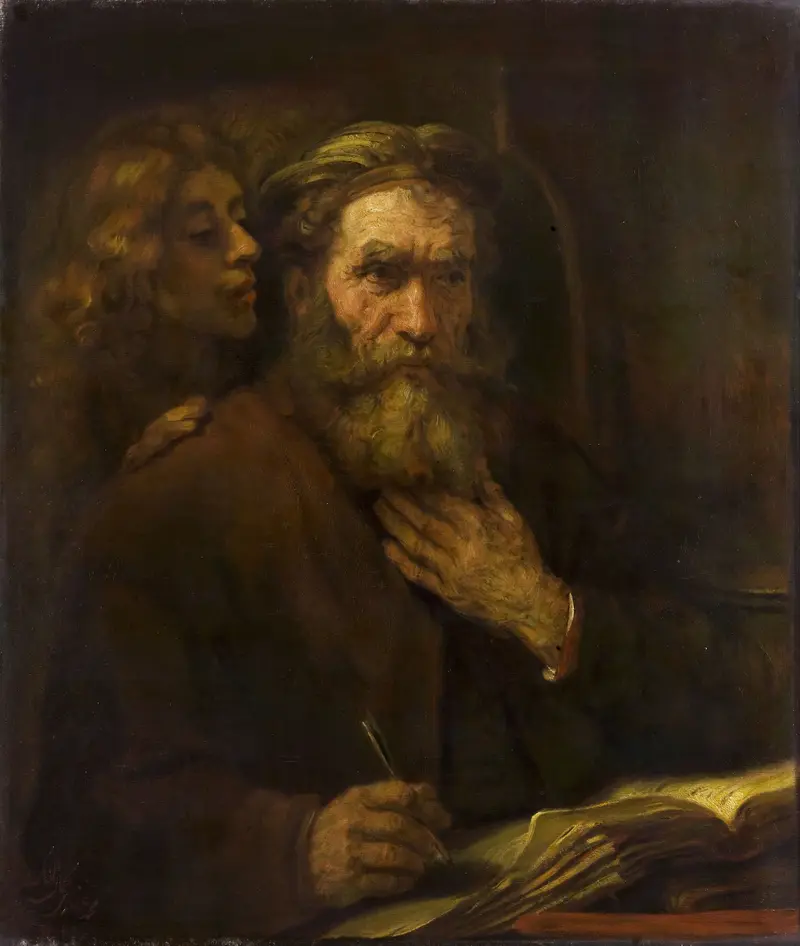
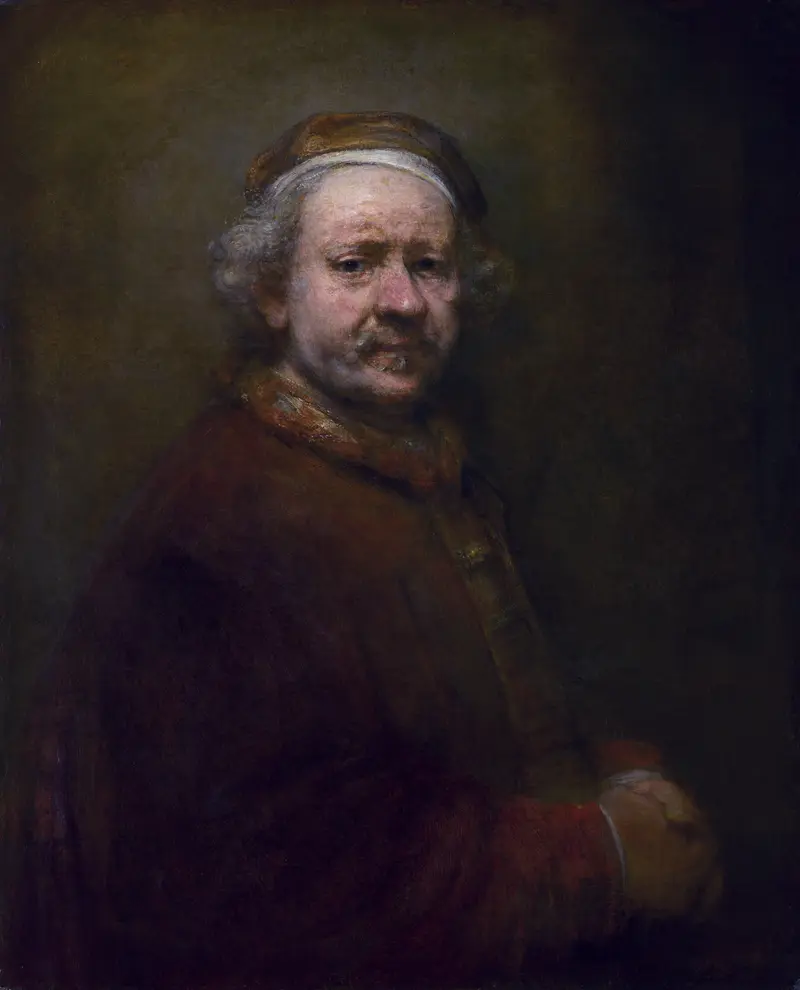
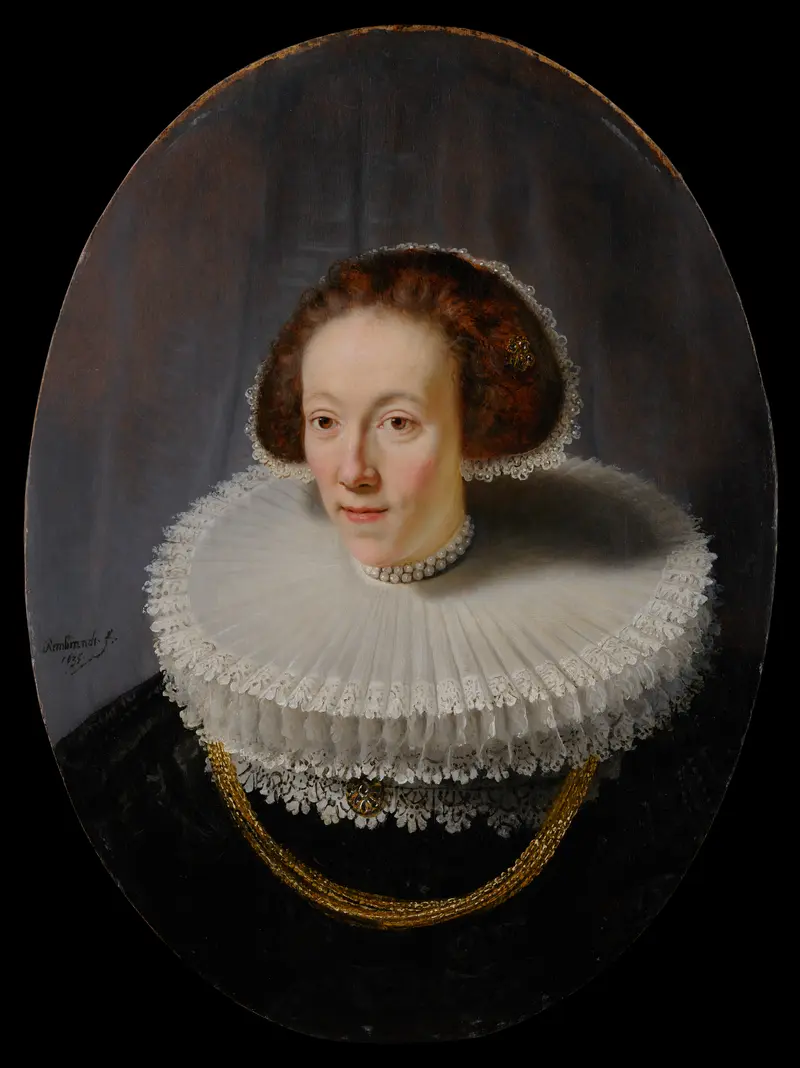
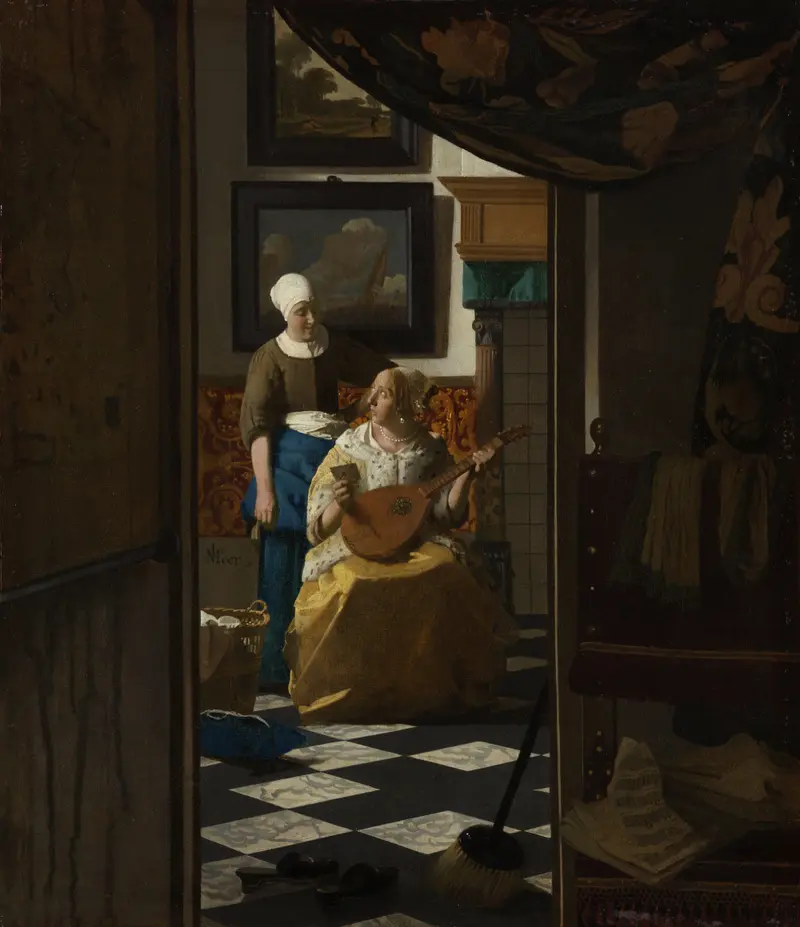

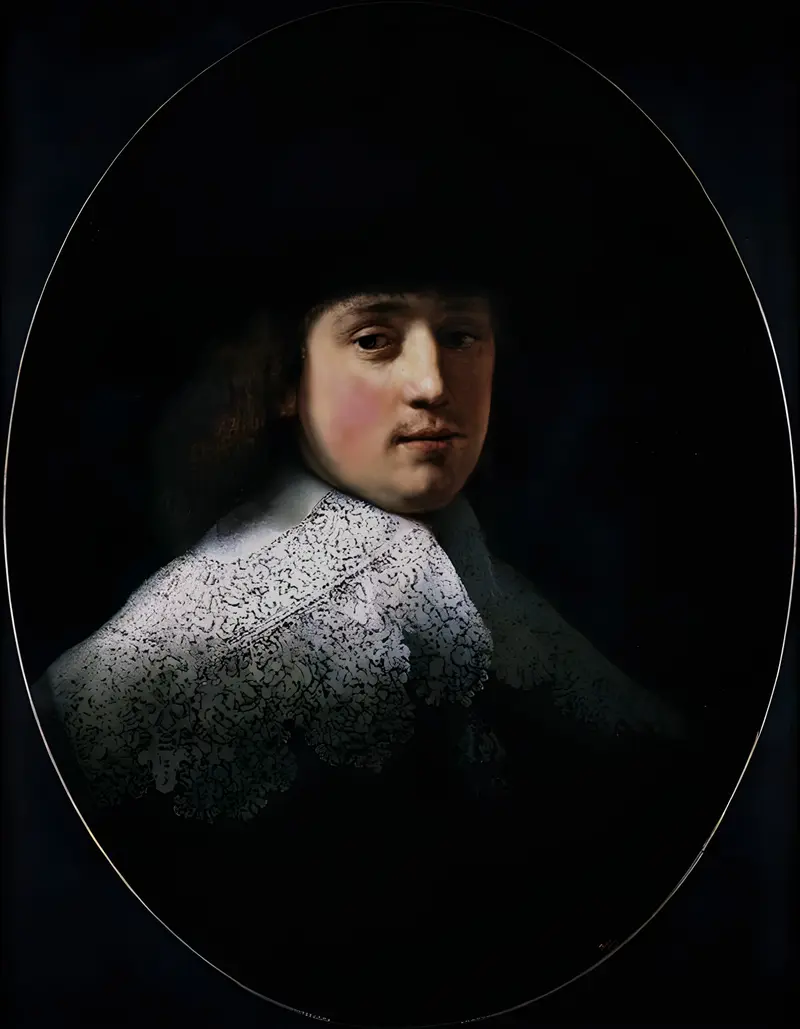

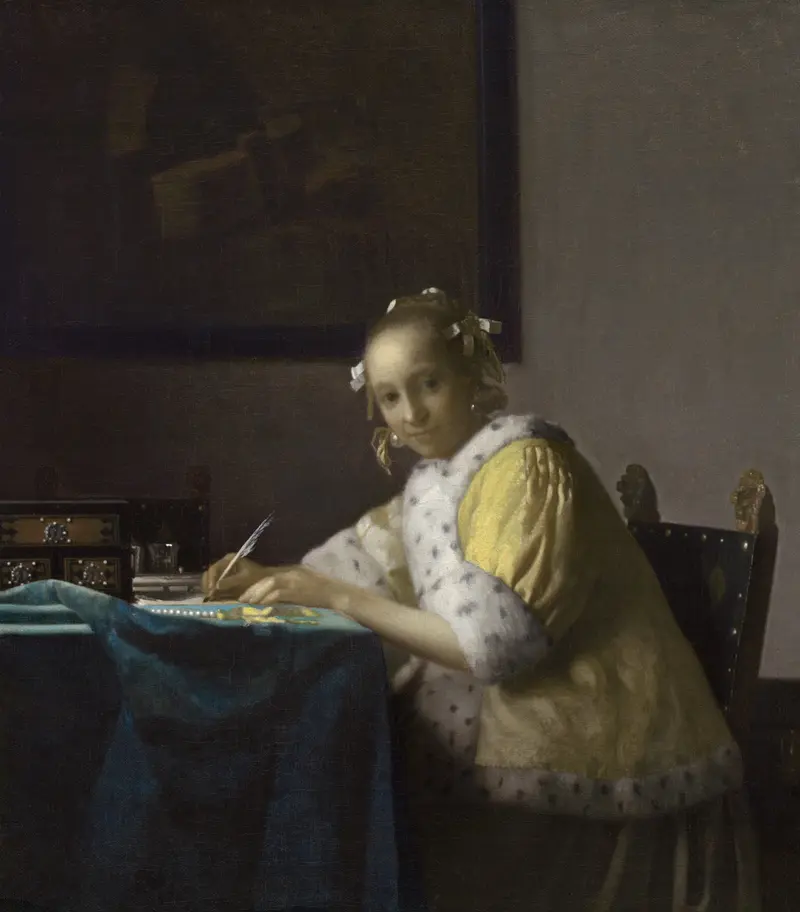
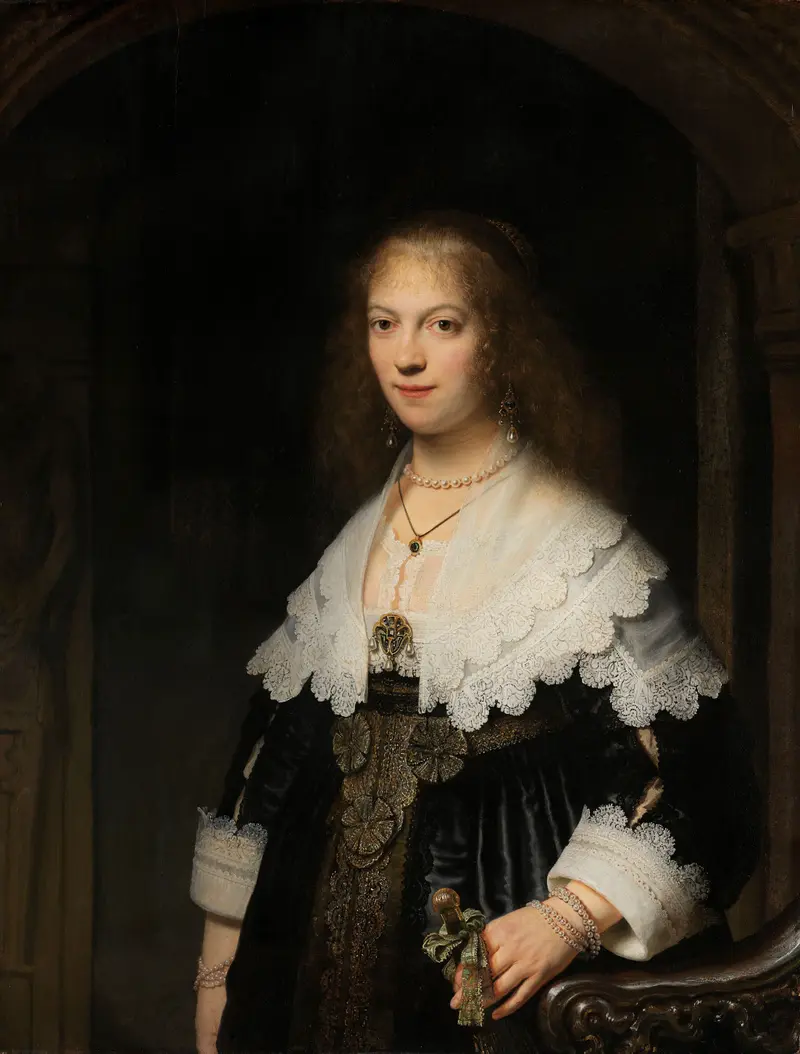
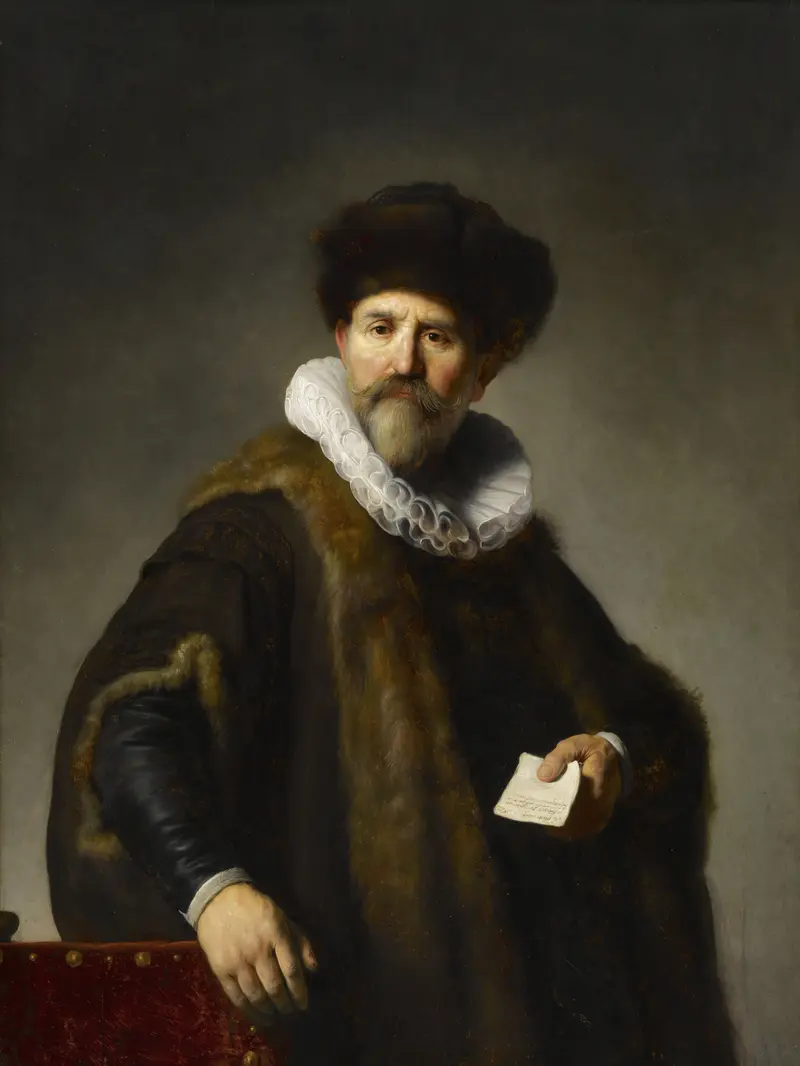
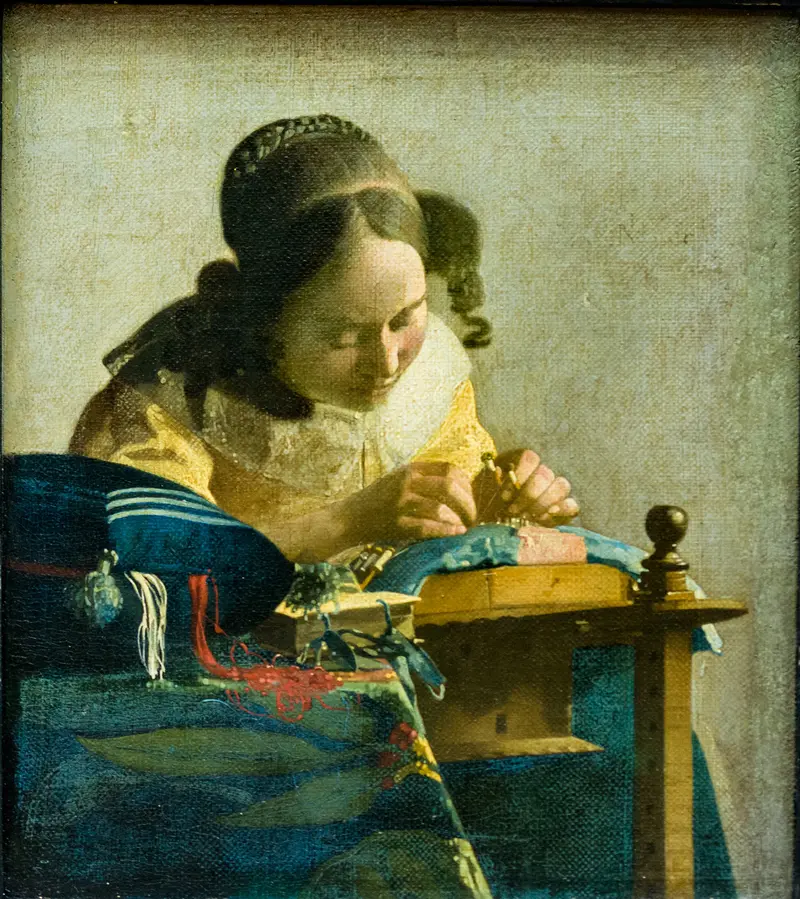
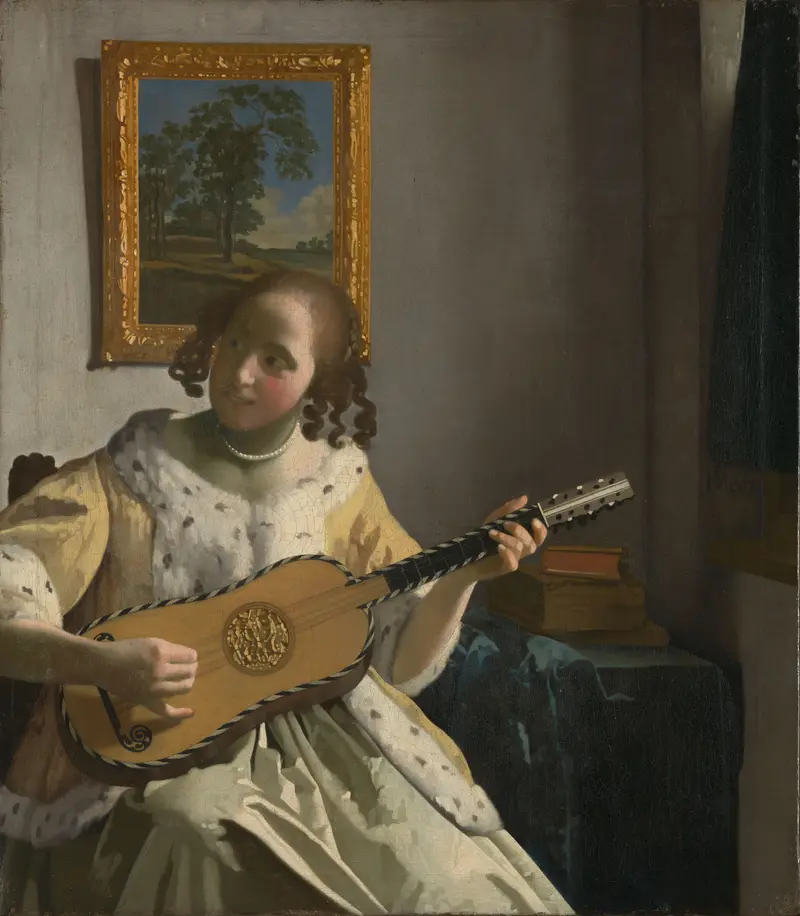
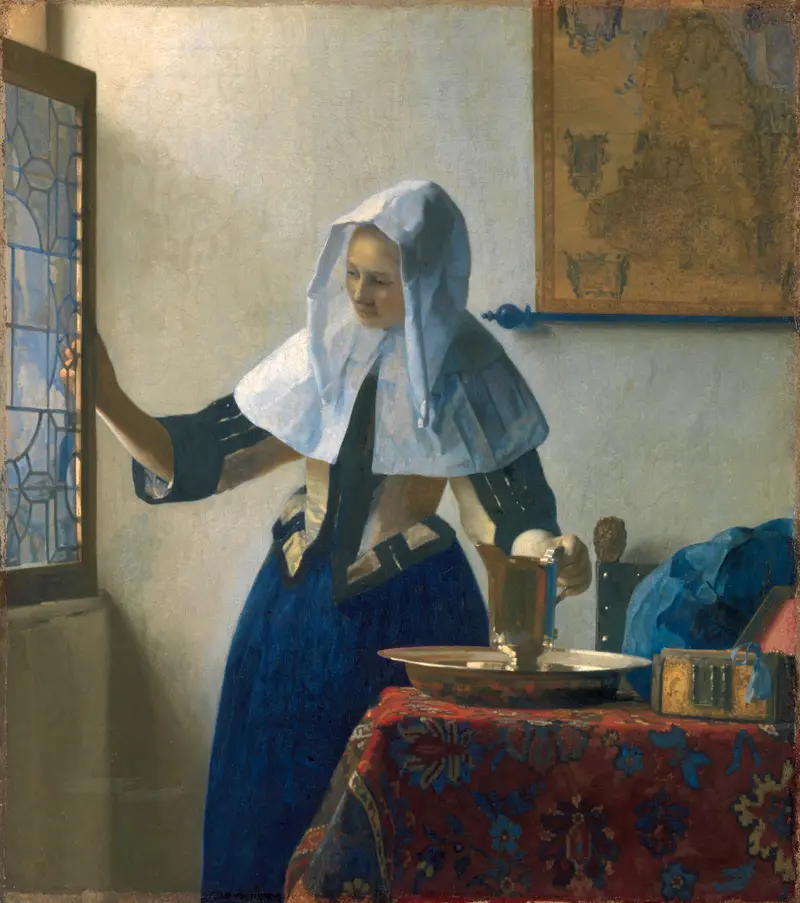
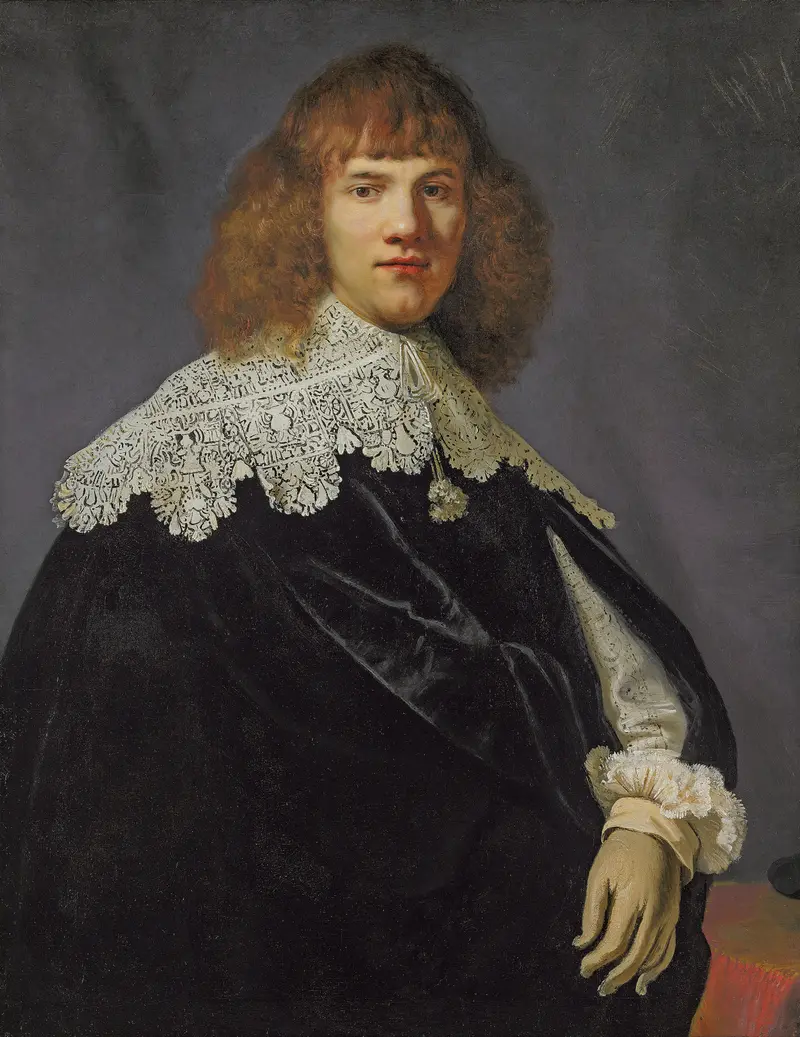
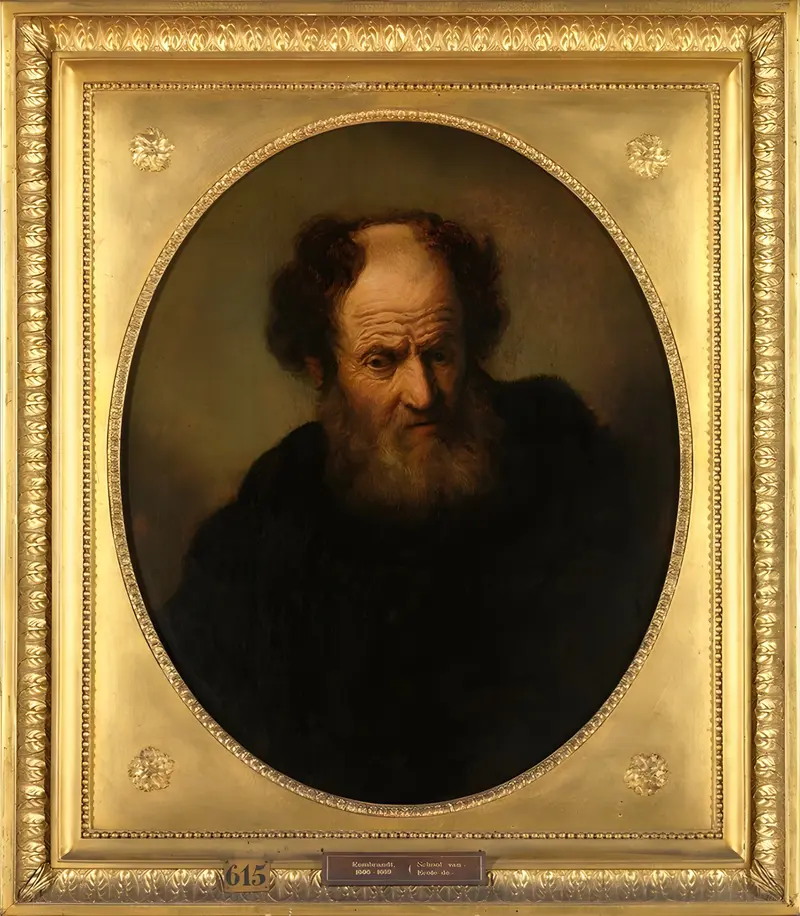
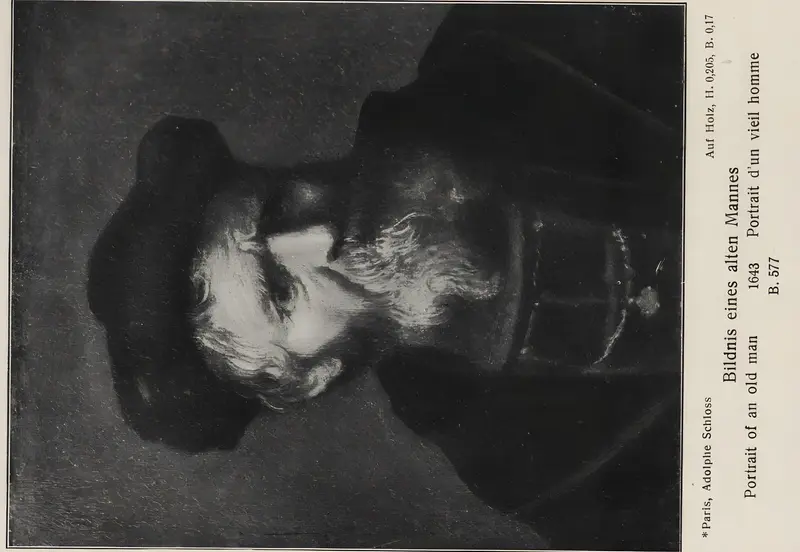
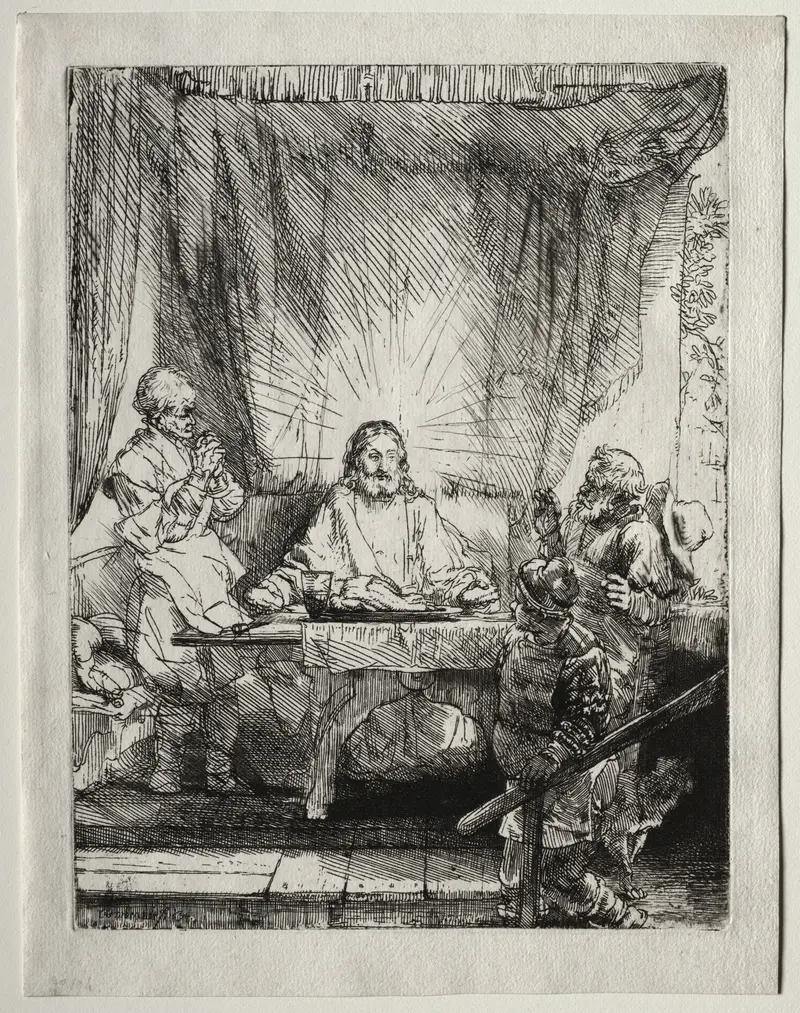

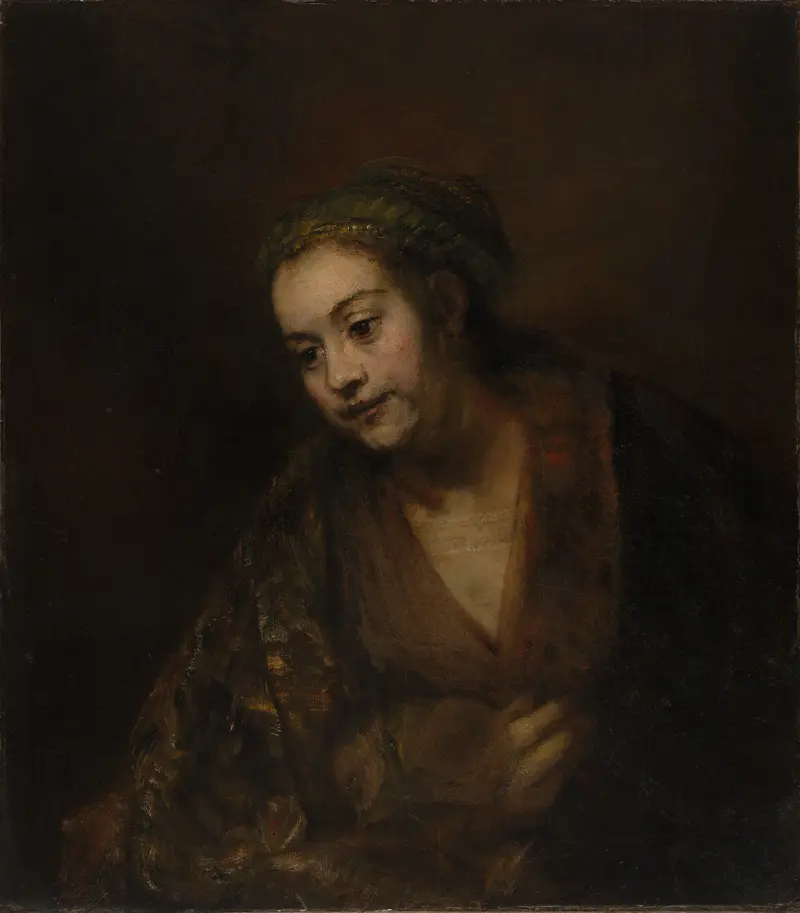
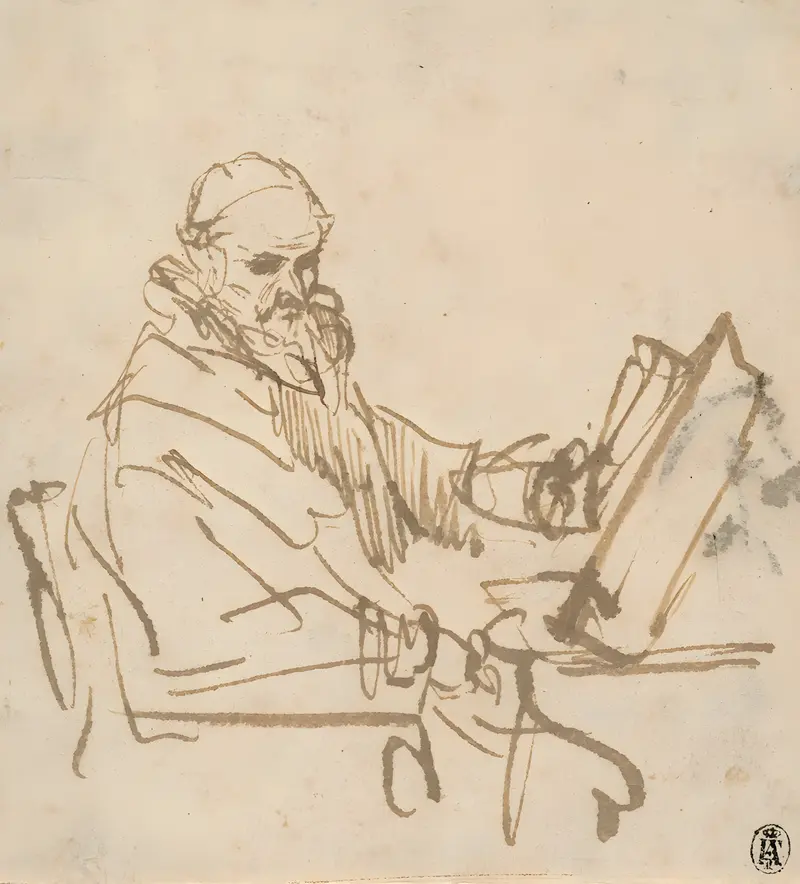
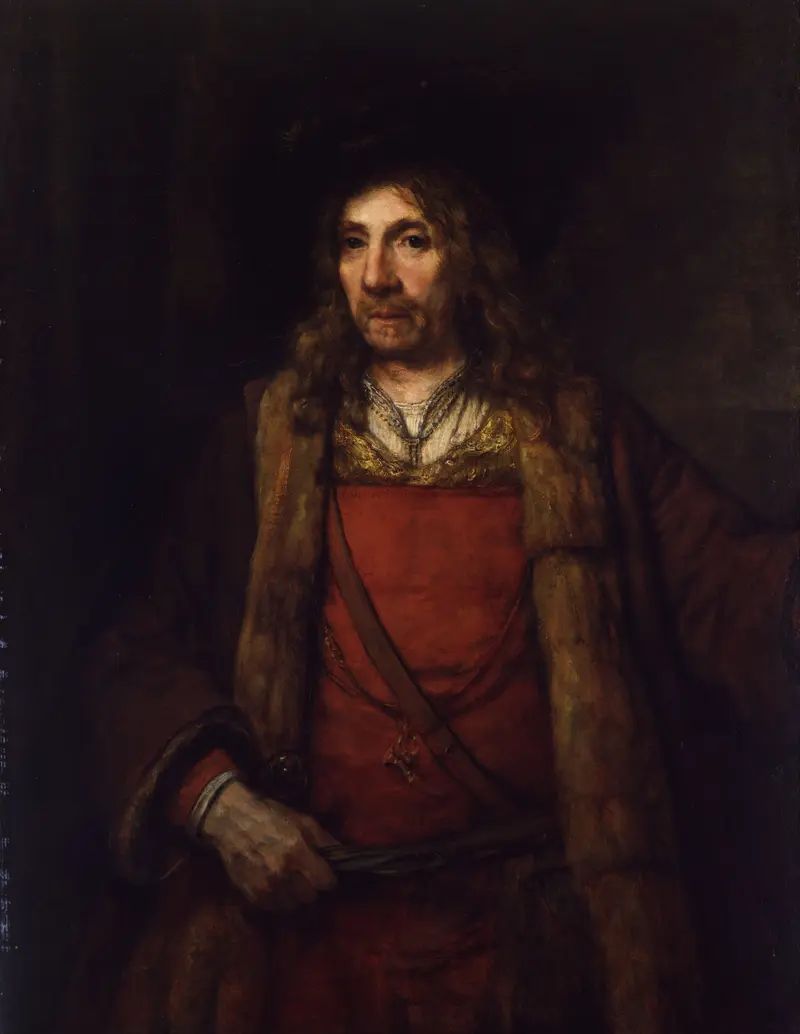

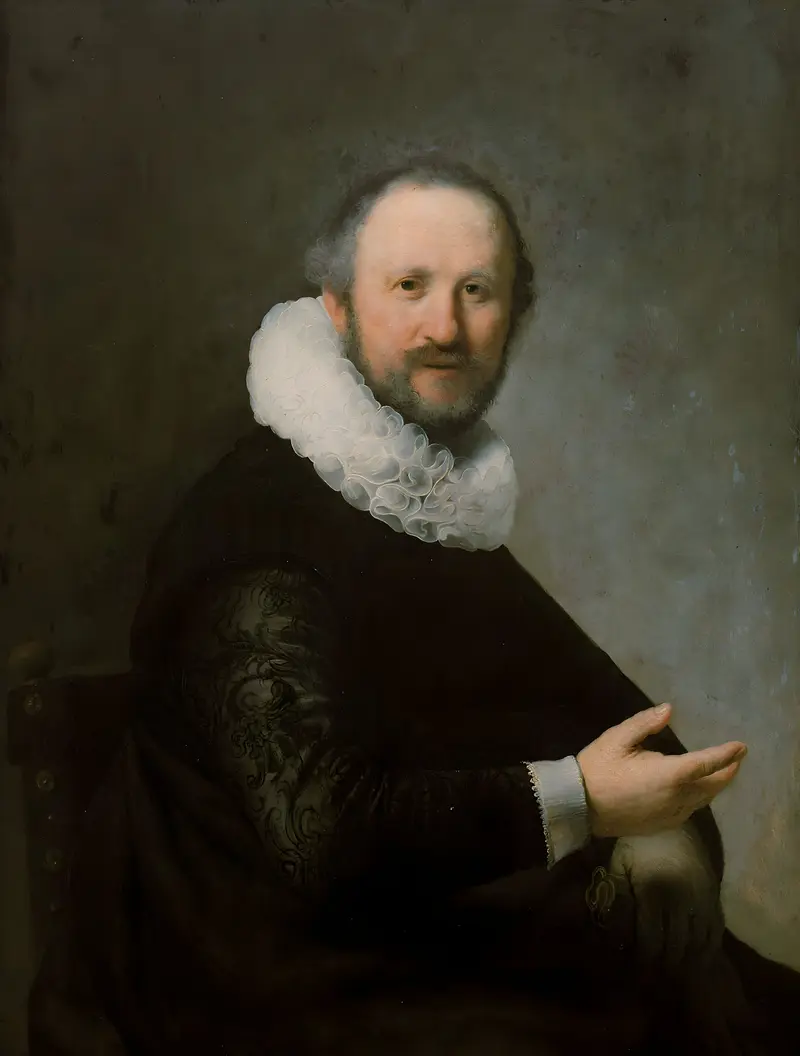
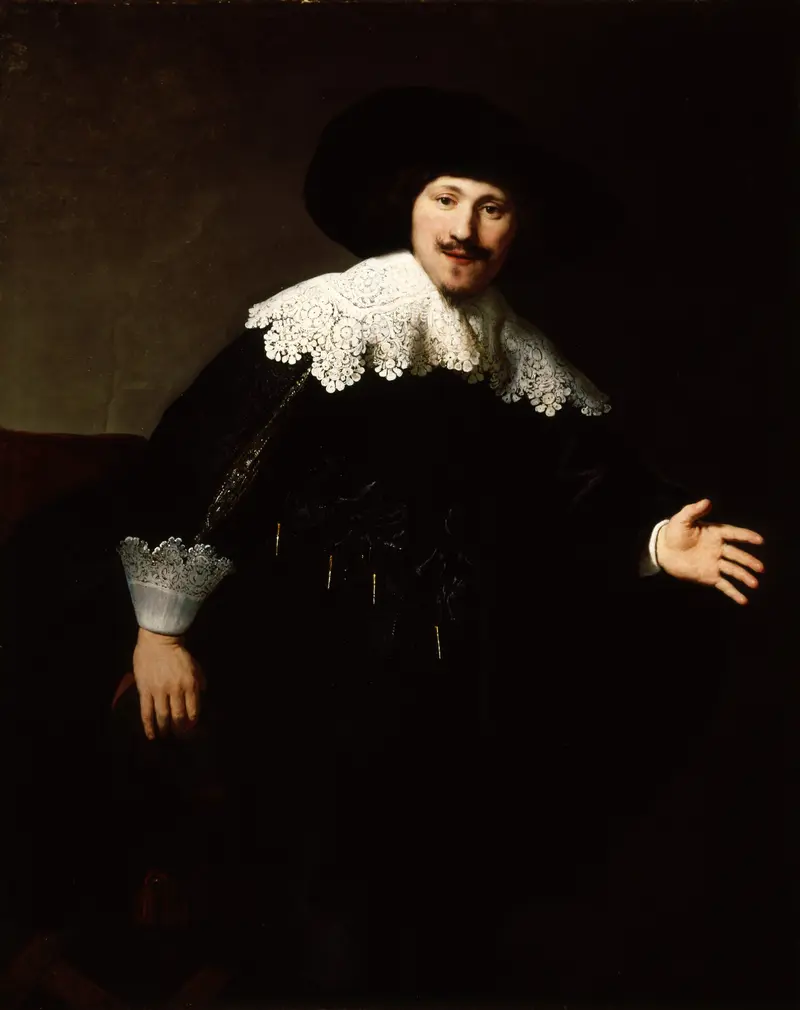
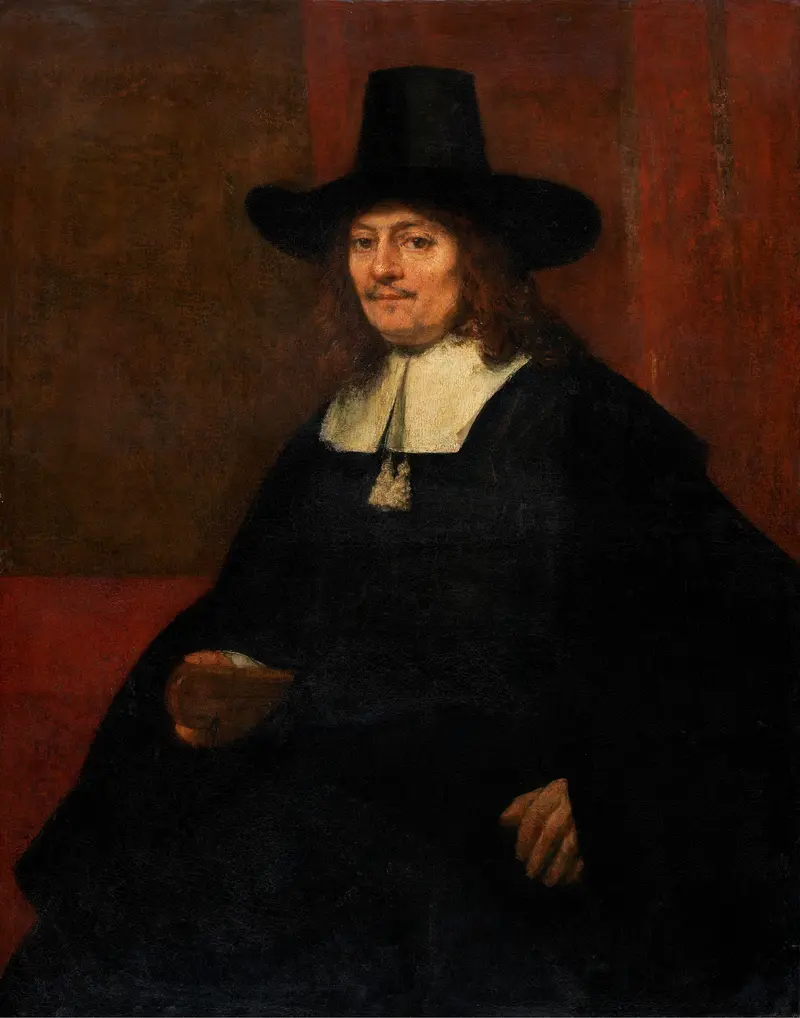
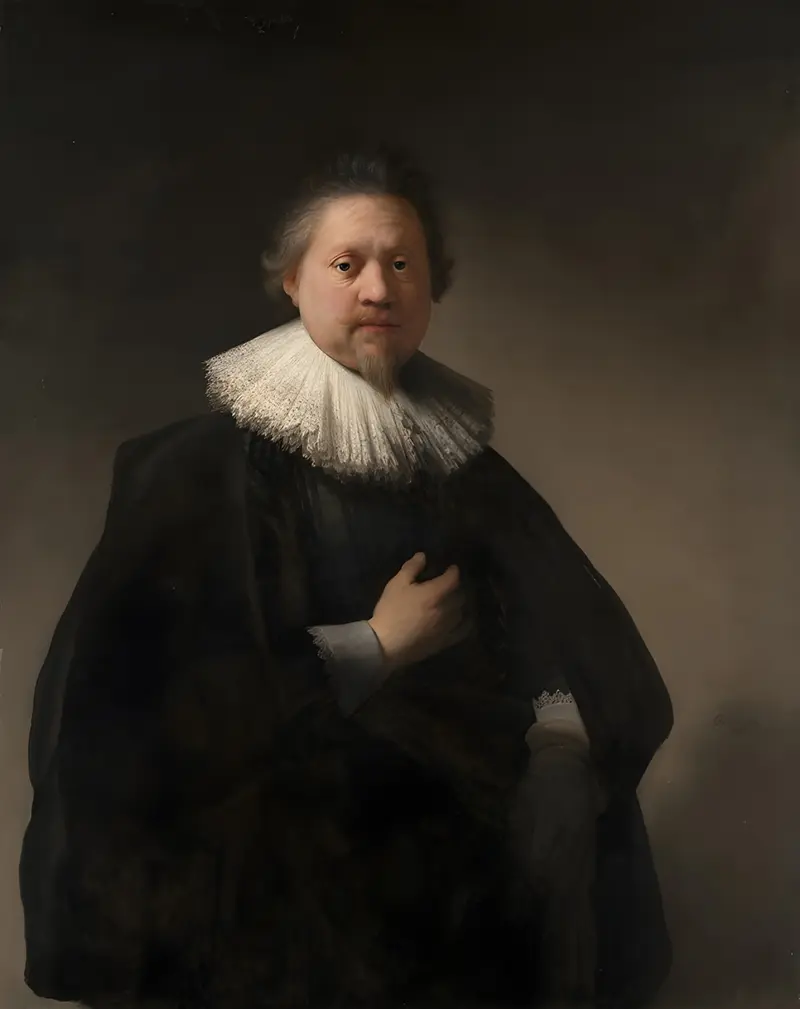
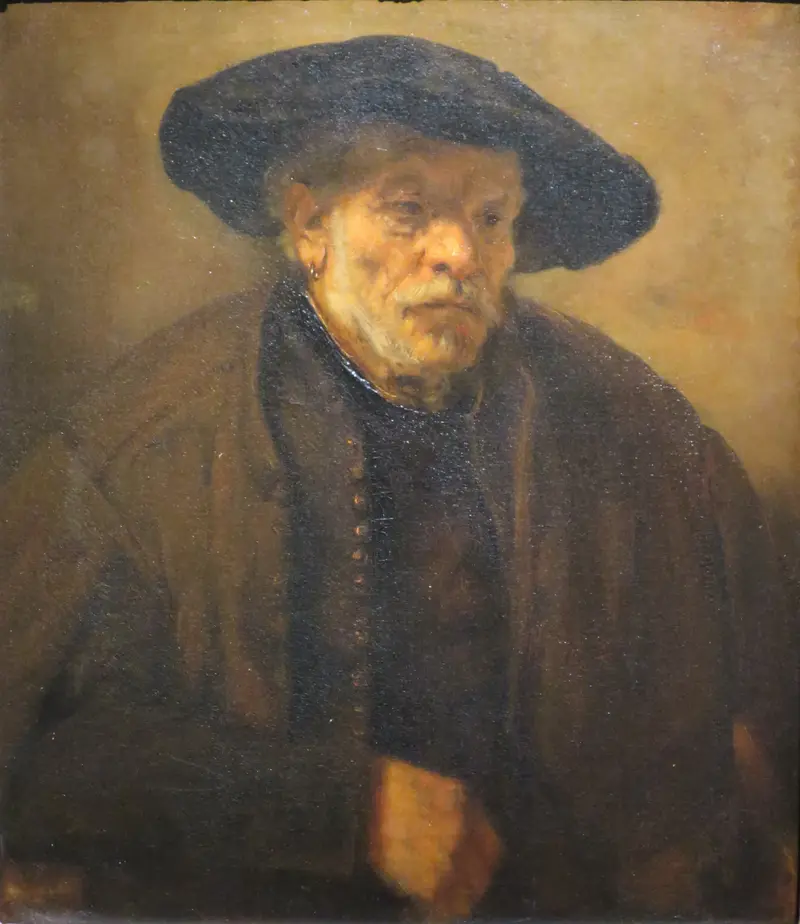
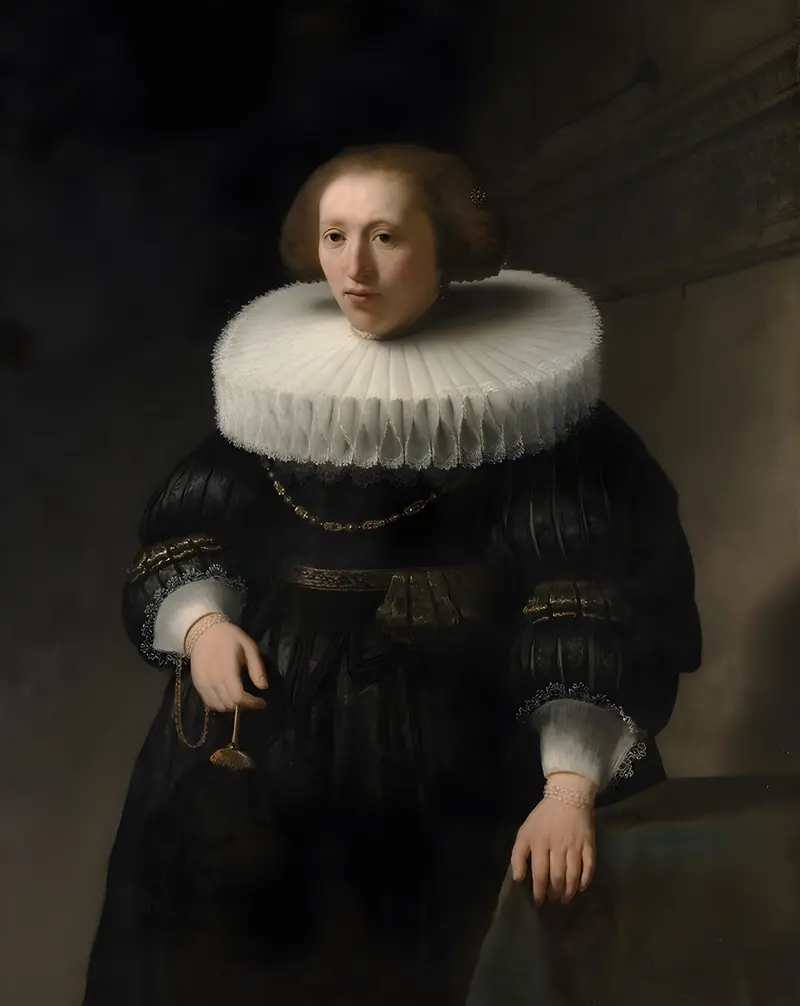
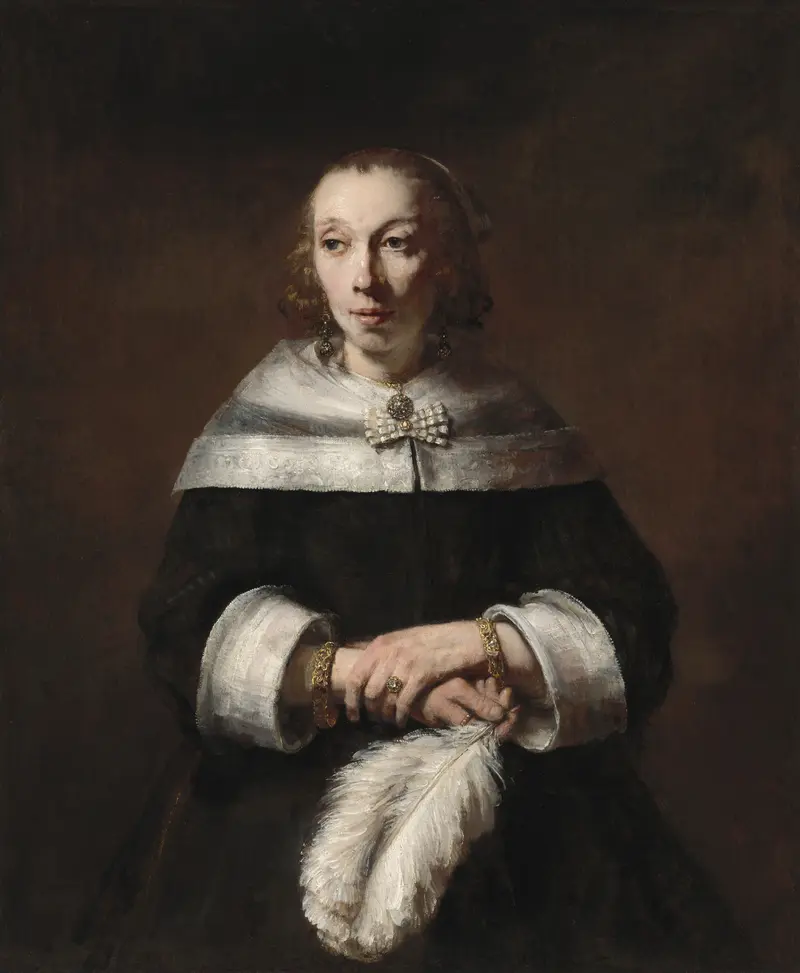
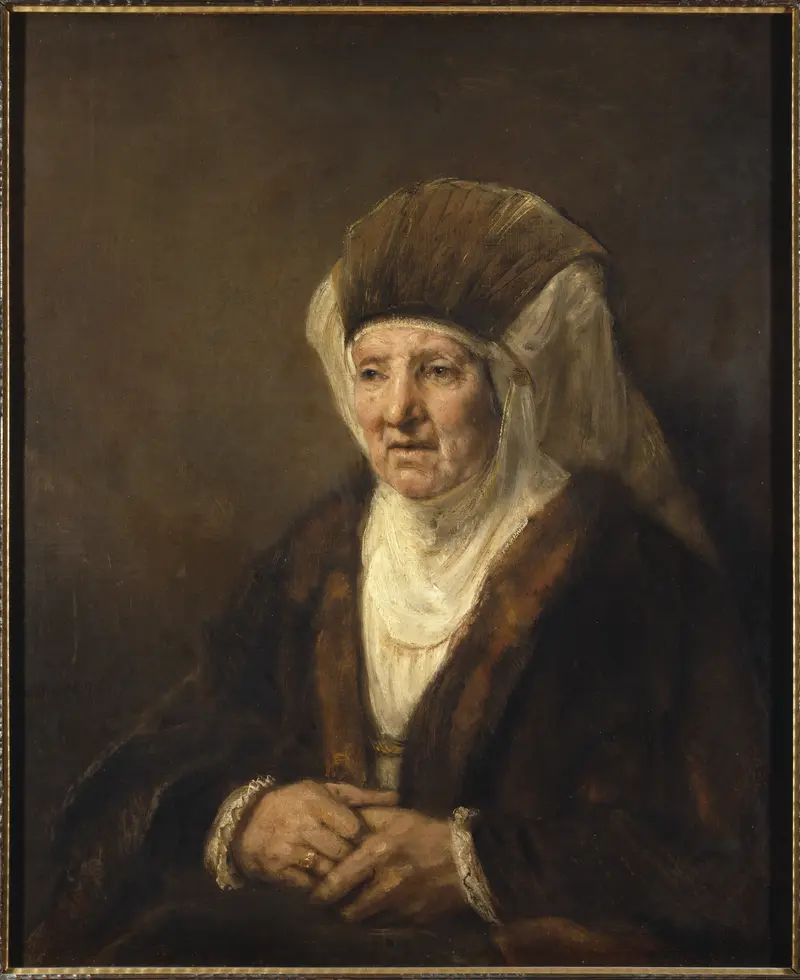
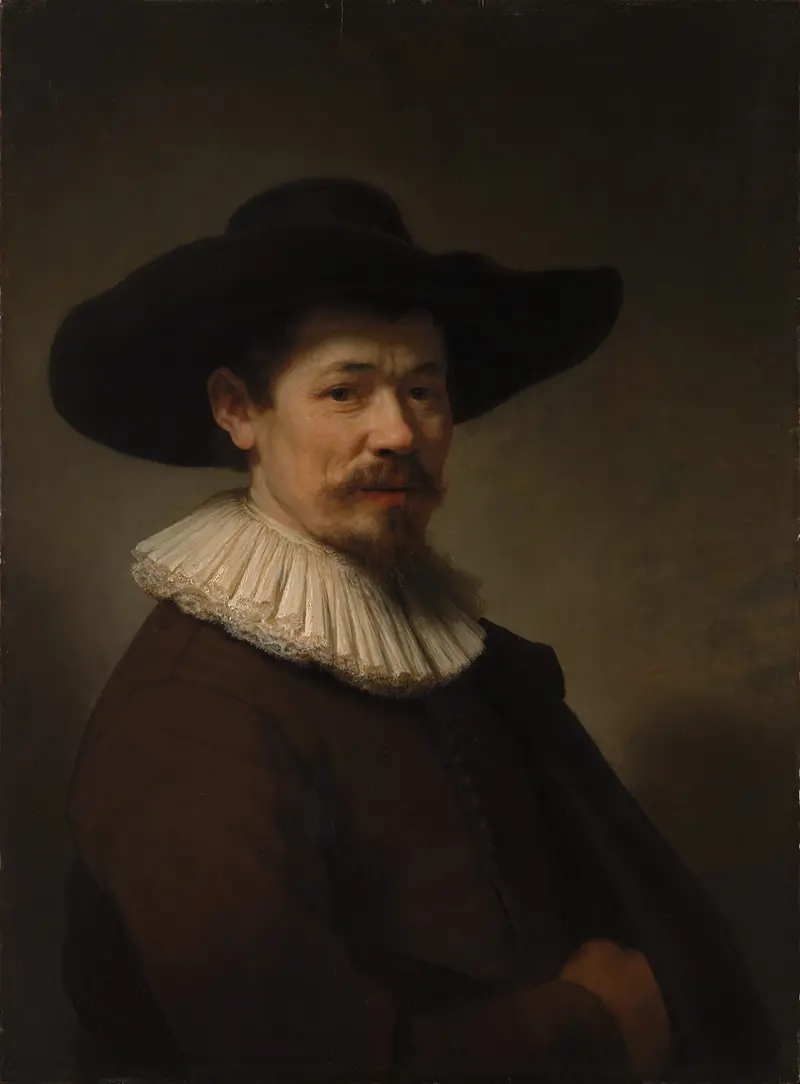
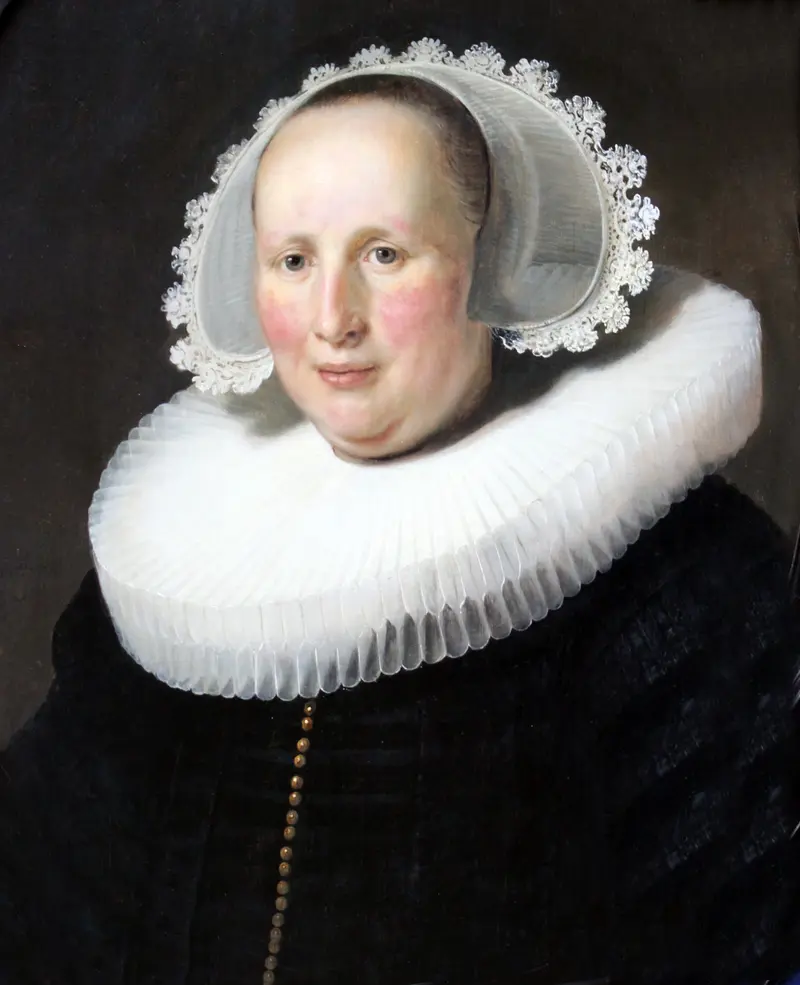

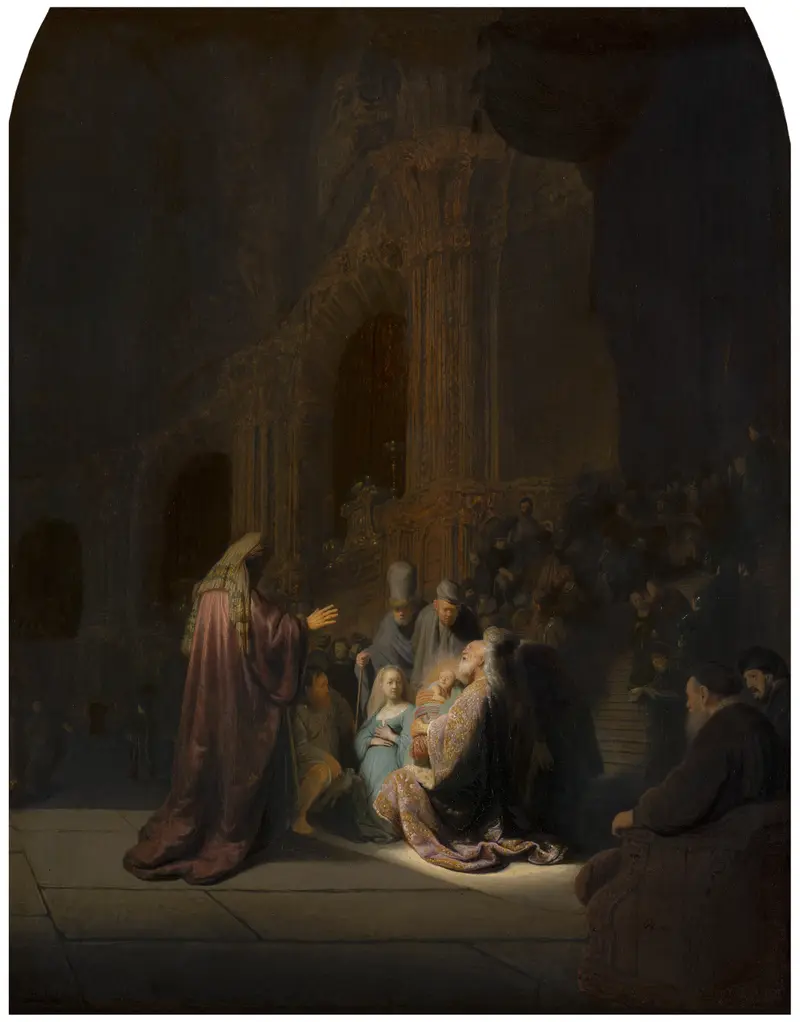

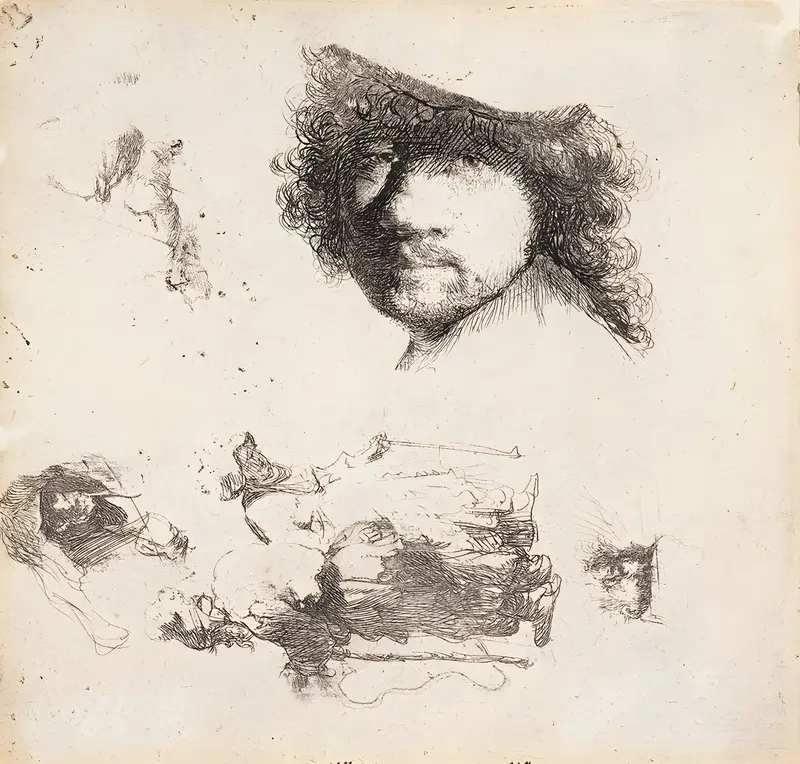
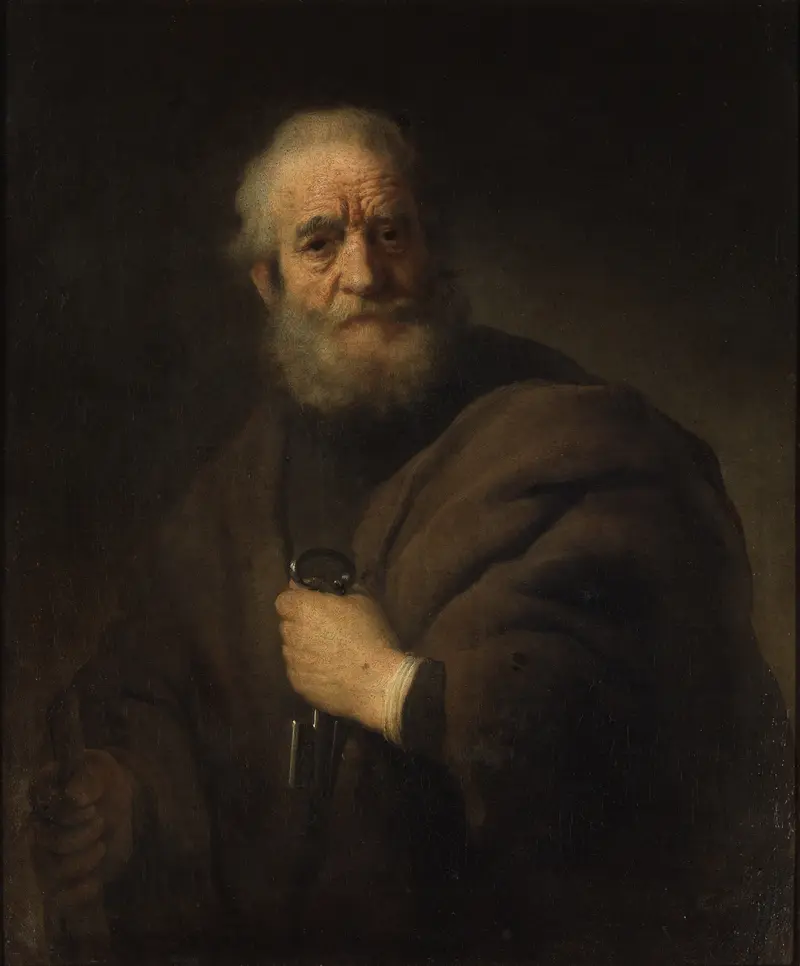
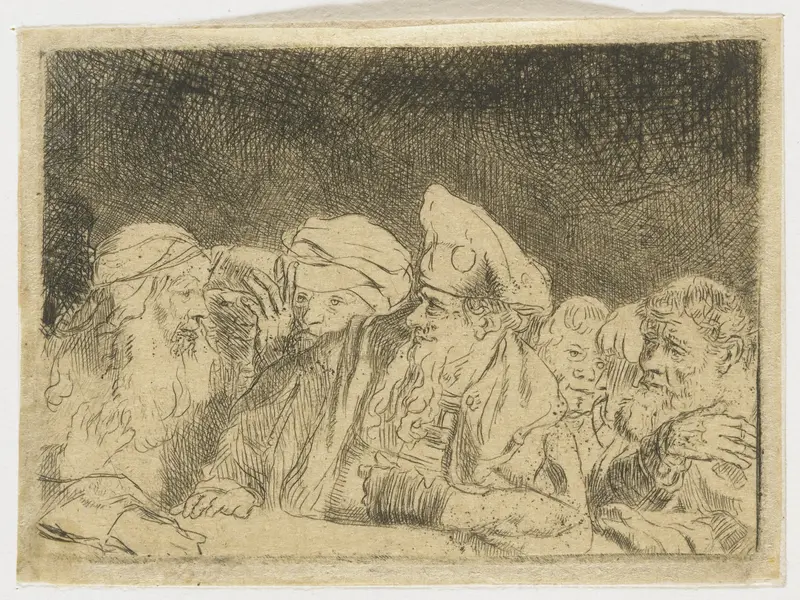
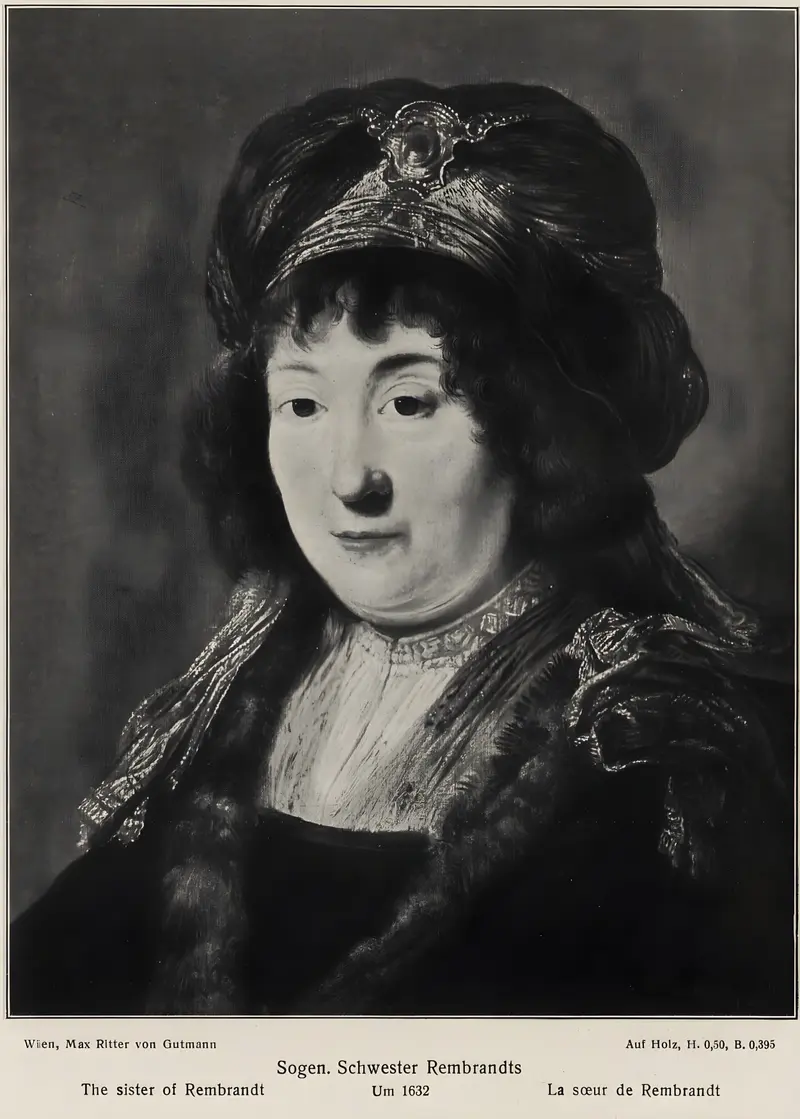
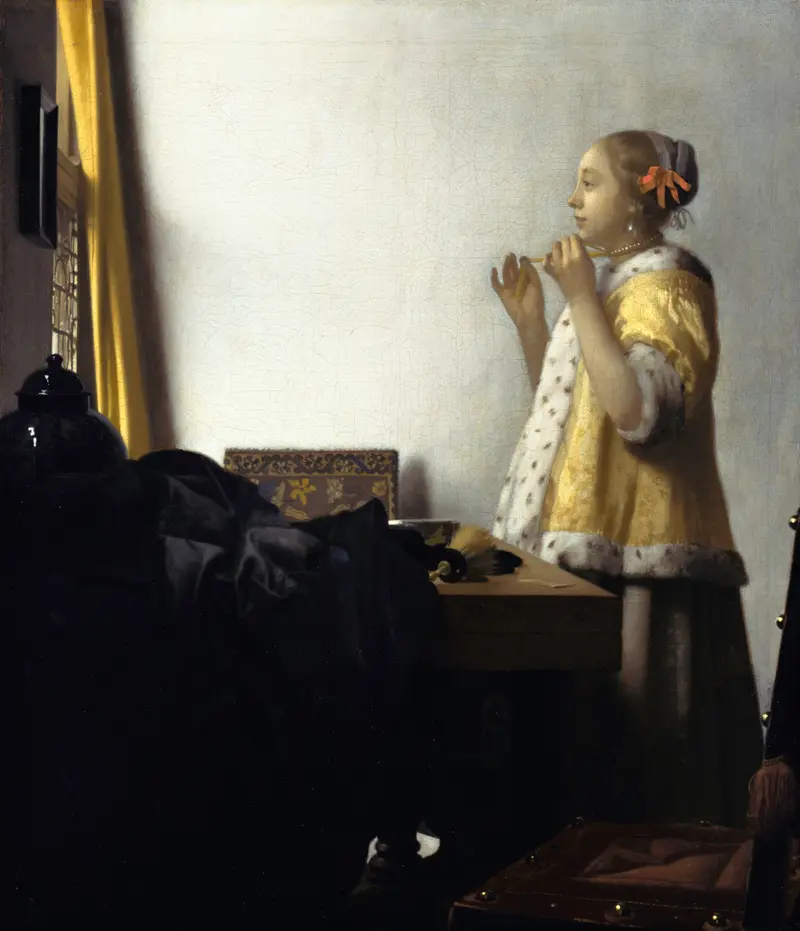
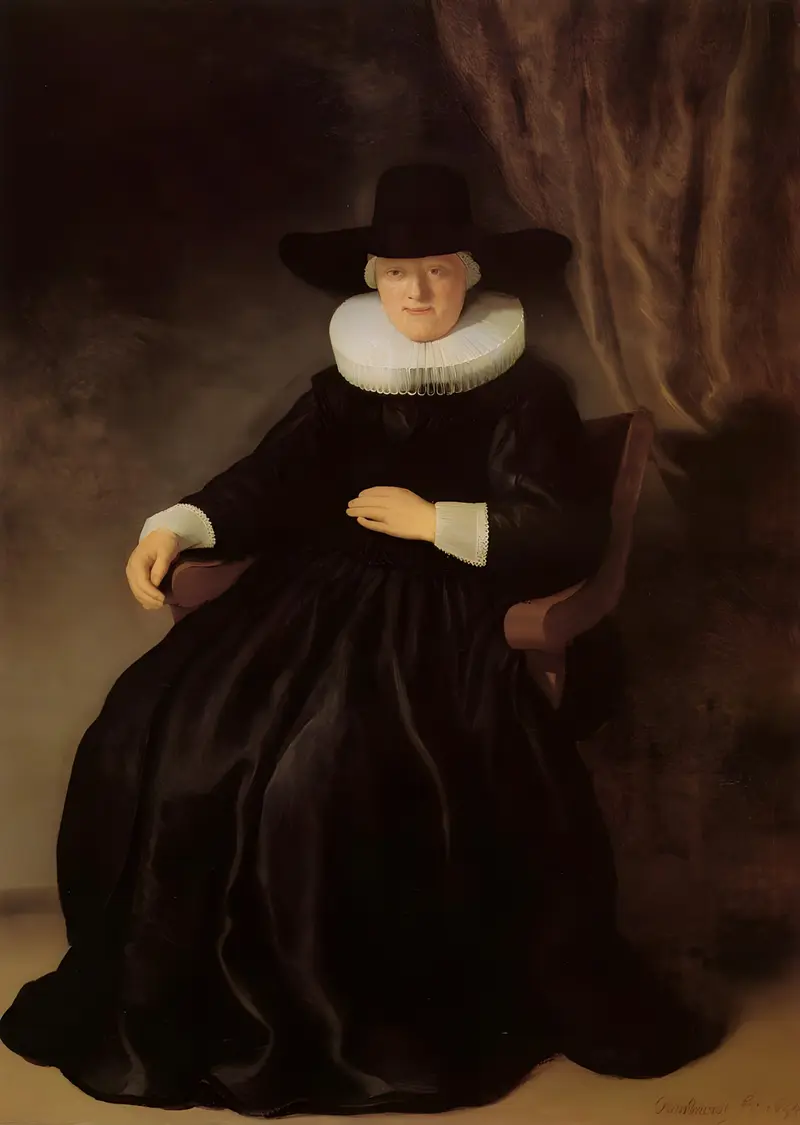
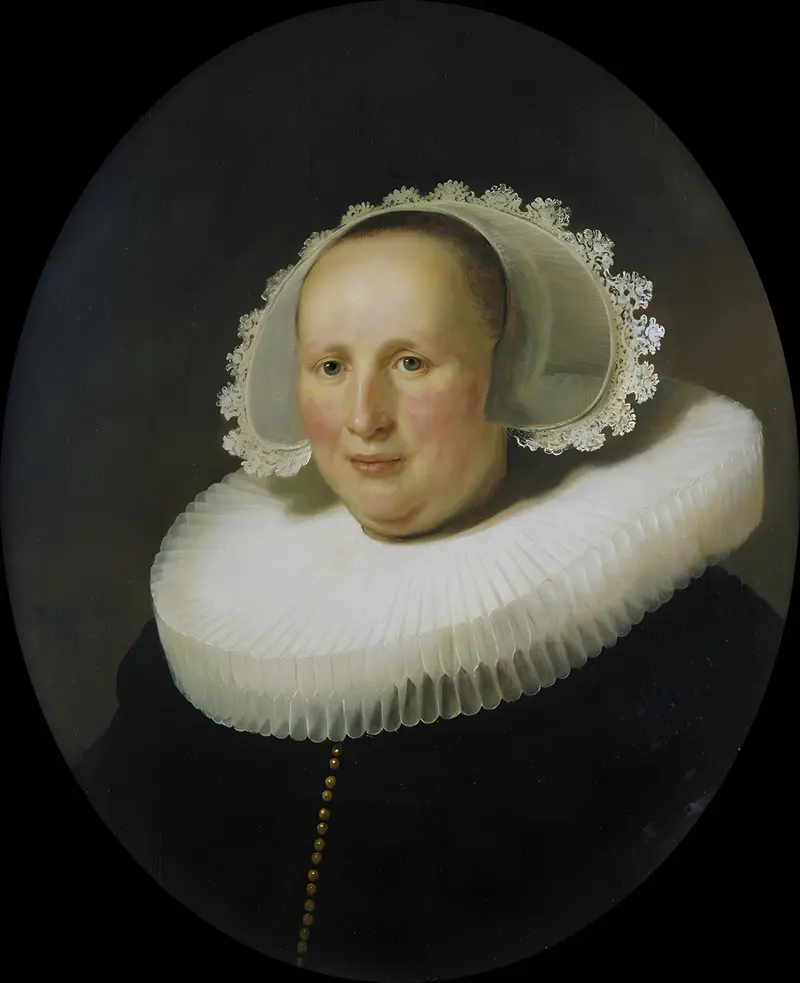
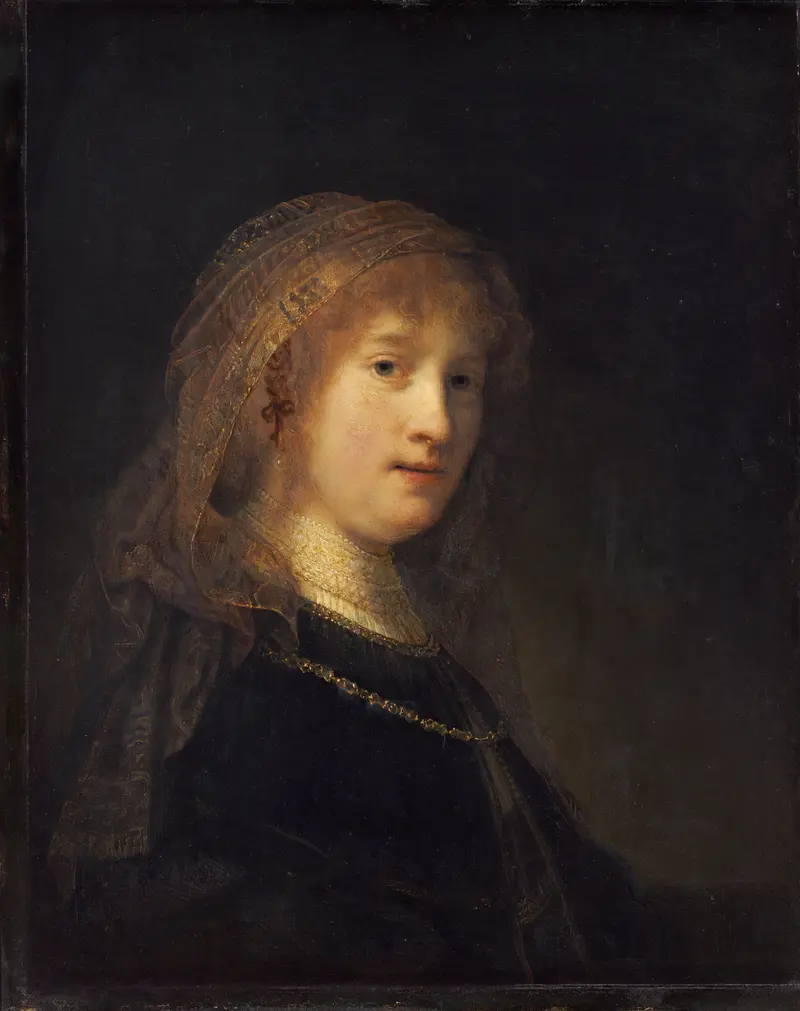
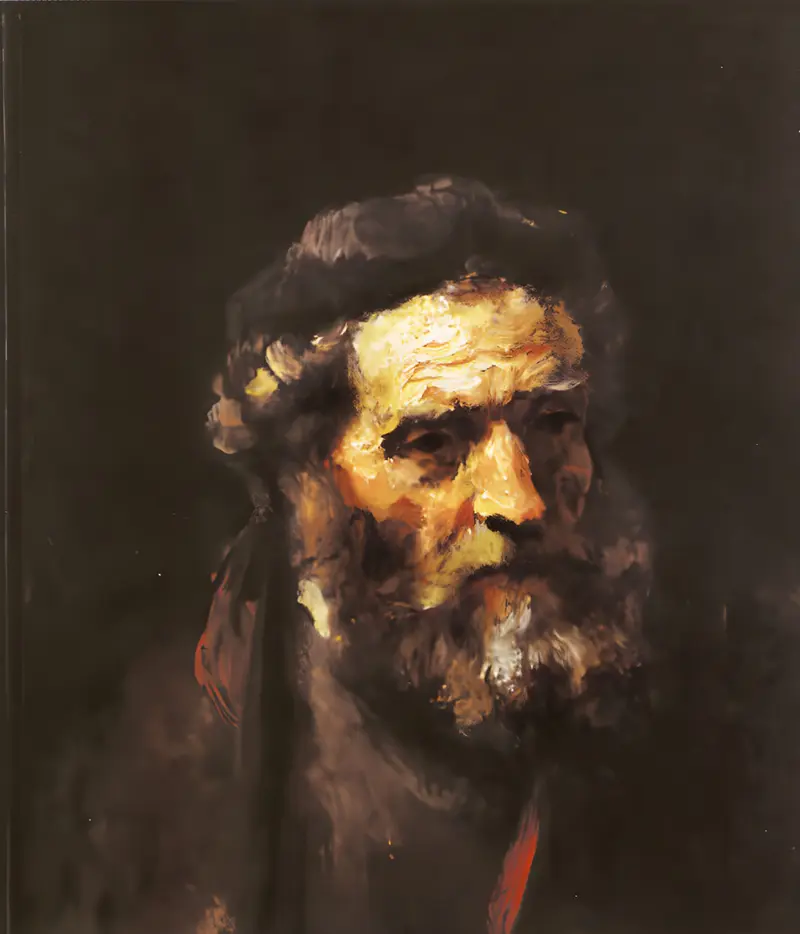
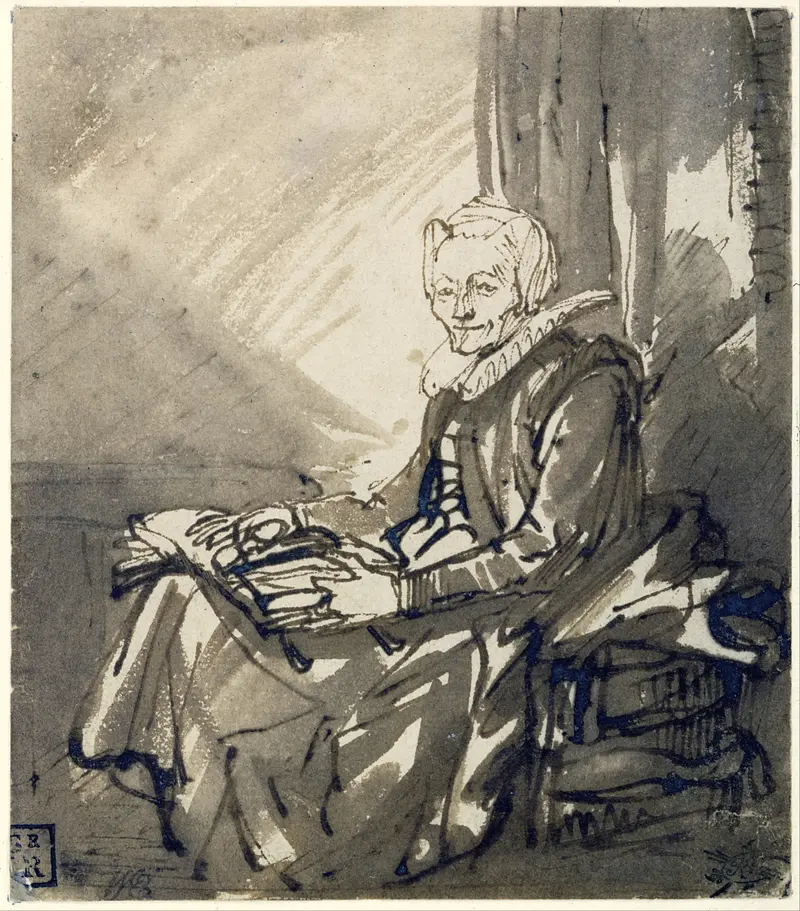
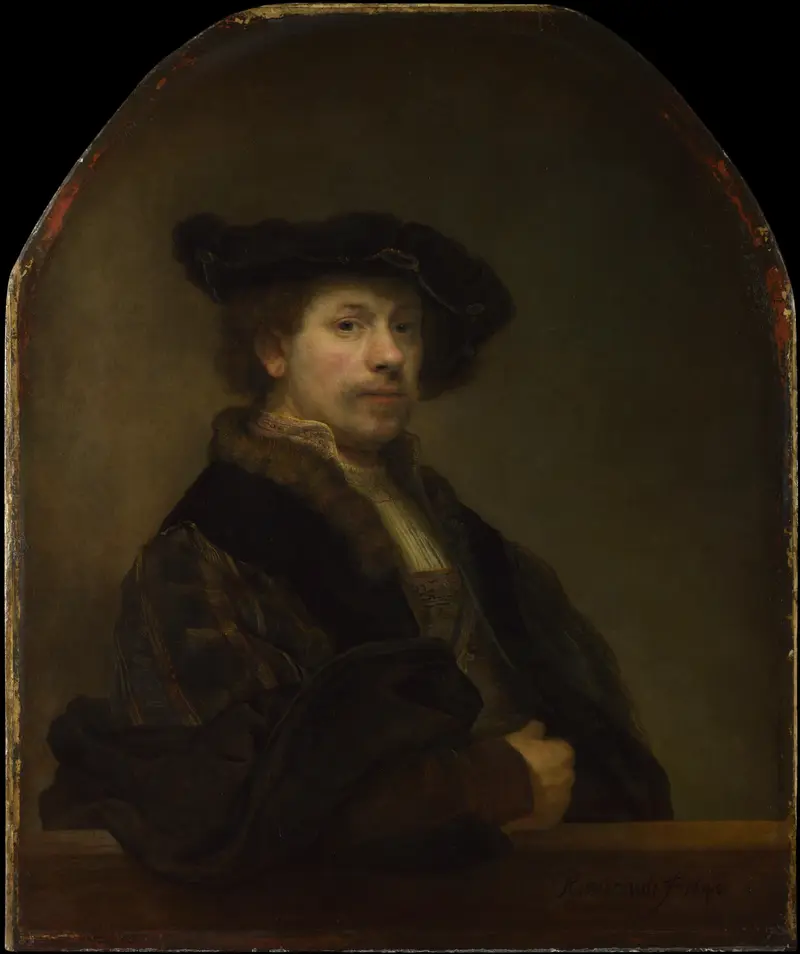
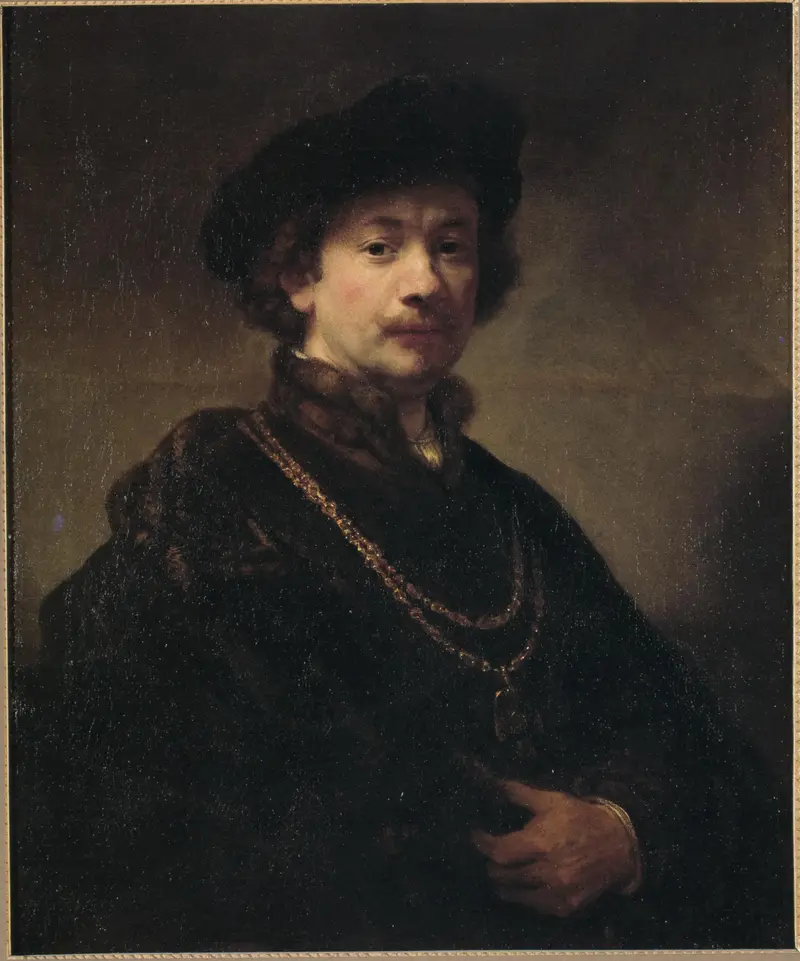
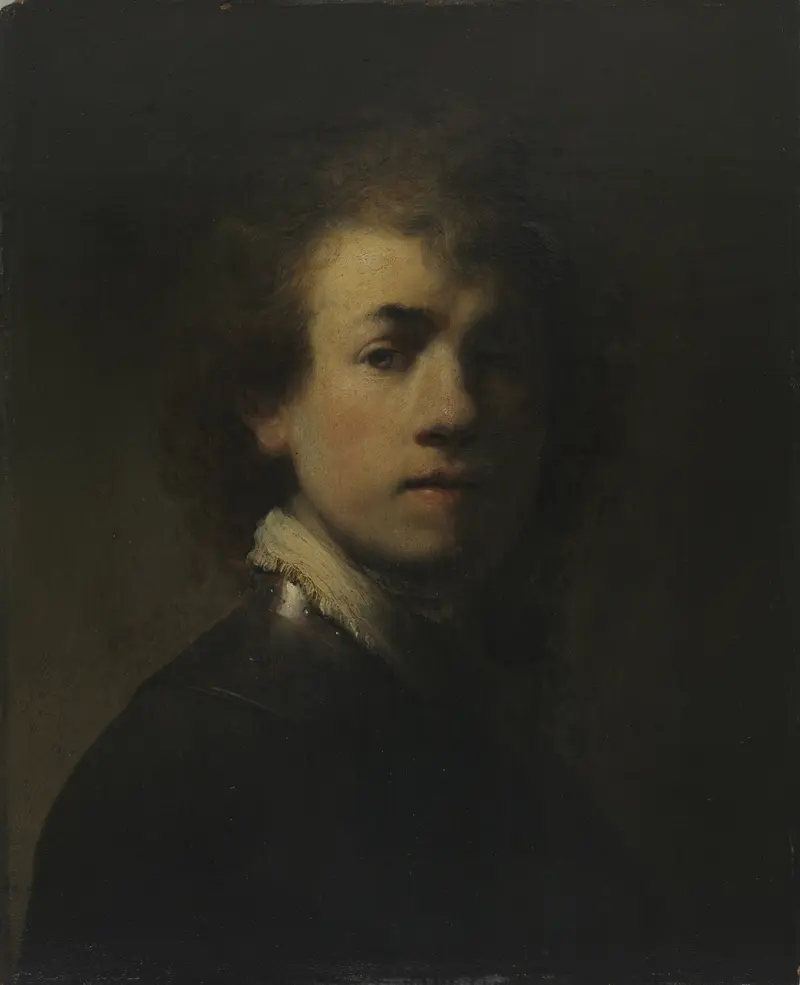
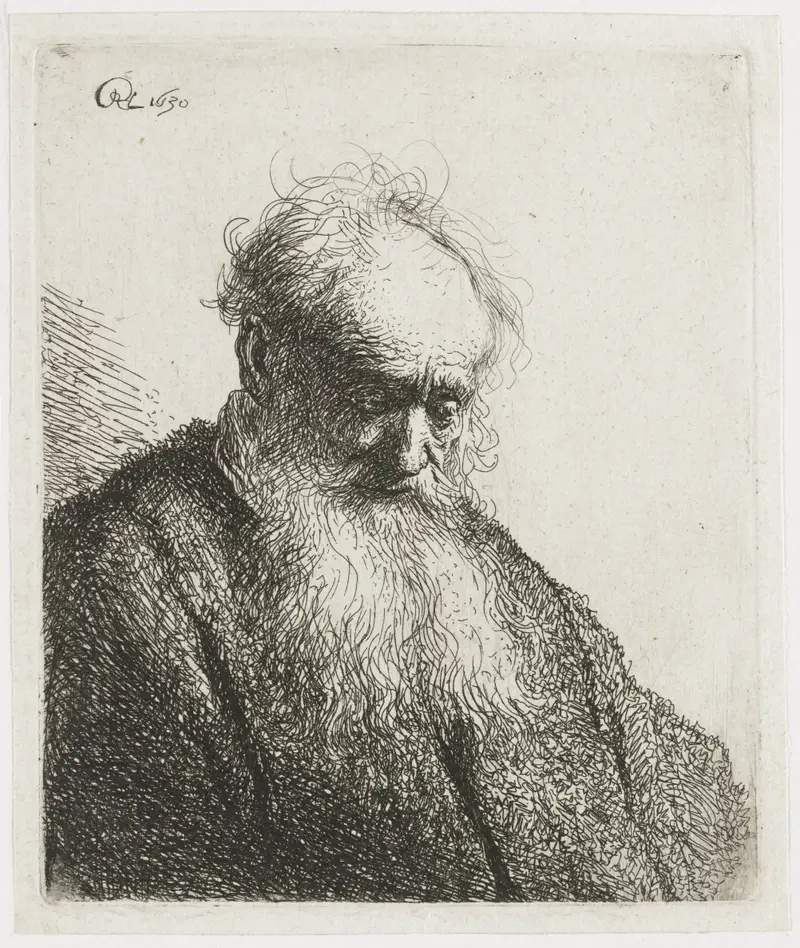
Famous Dutch Golden Age paintings
The best-known paintings of the Dutch Golden Age. Click any painting to see it up close and download it free.
 Girl with a Pearl EarringJohannes Vermeer
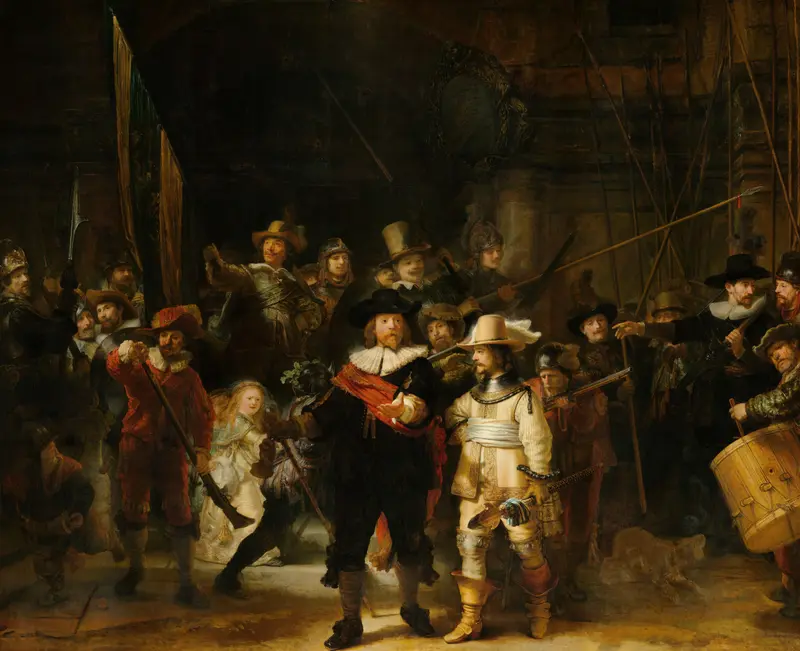 The Night WatchRembrandt van Rijn
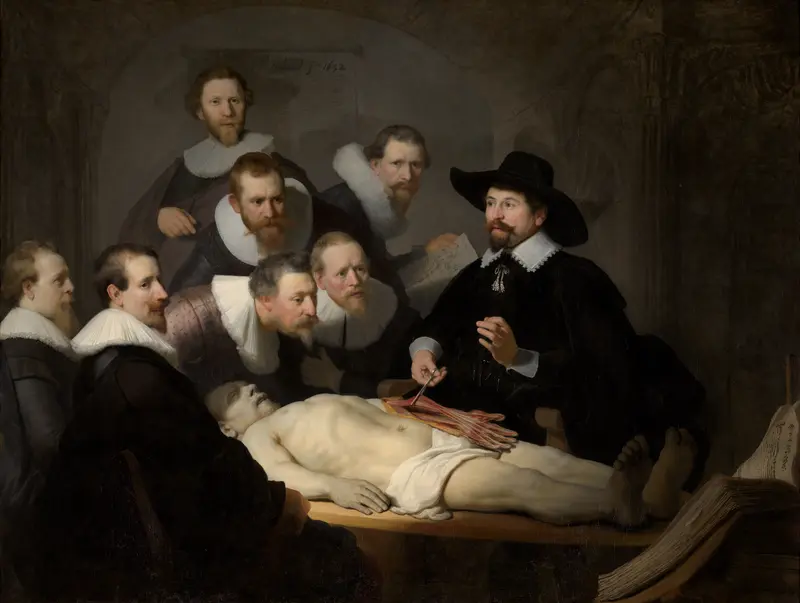 The Anatomy Lesson of Dr Nicolaes TulpRembrandt van Rijn
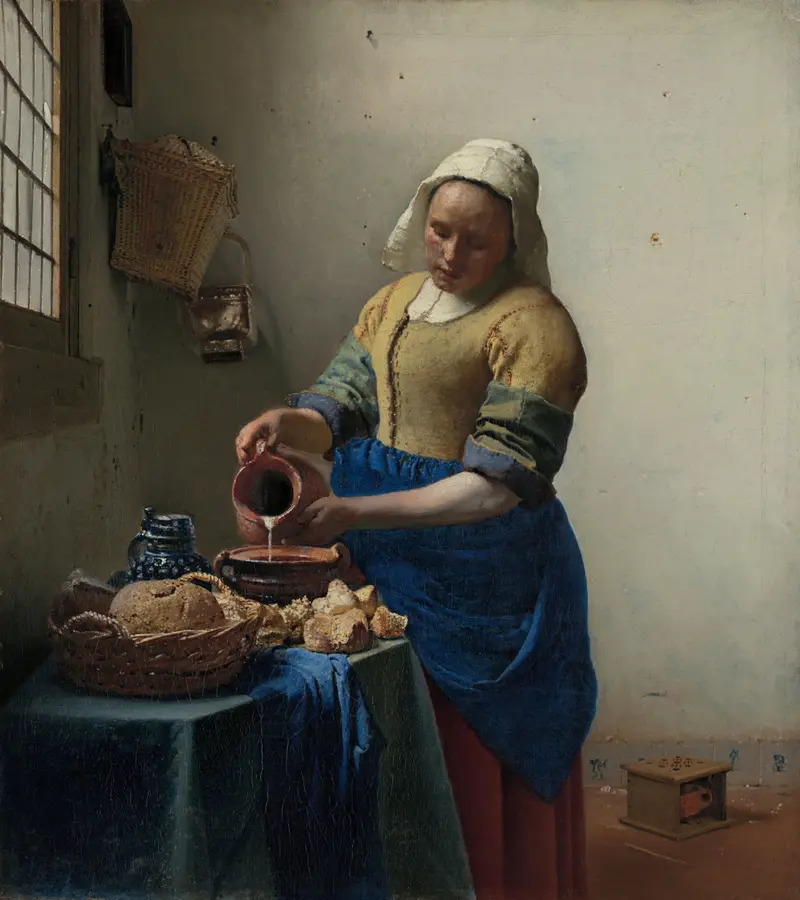 The MilkmaidJohannes Vermeer
 View of DelftJohannes Vermeer
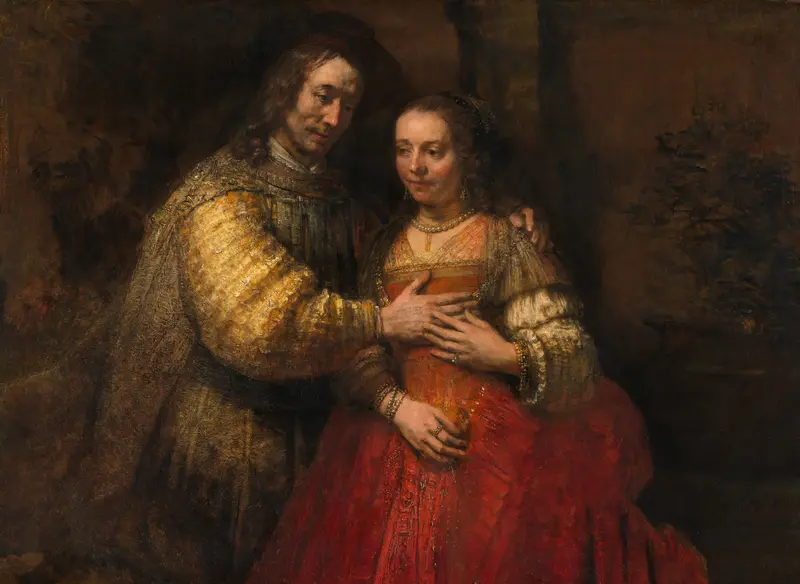 The Jewish Bride (Isaac and Rebecca)Rembrandt van Rijn
 The GoldfinchCarel Fabritius
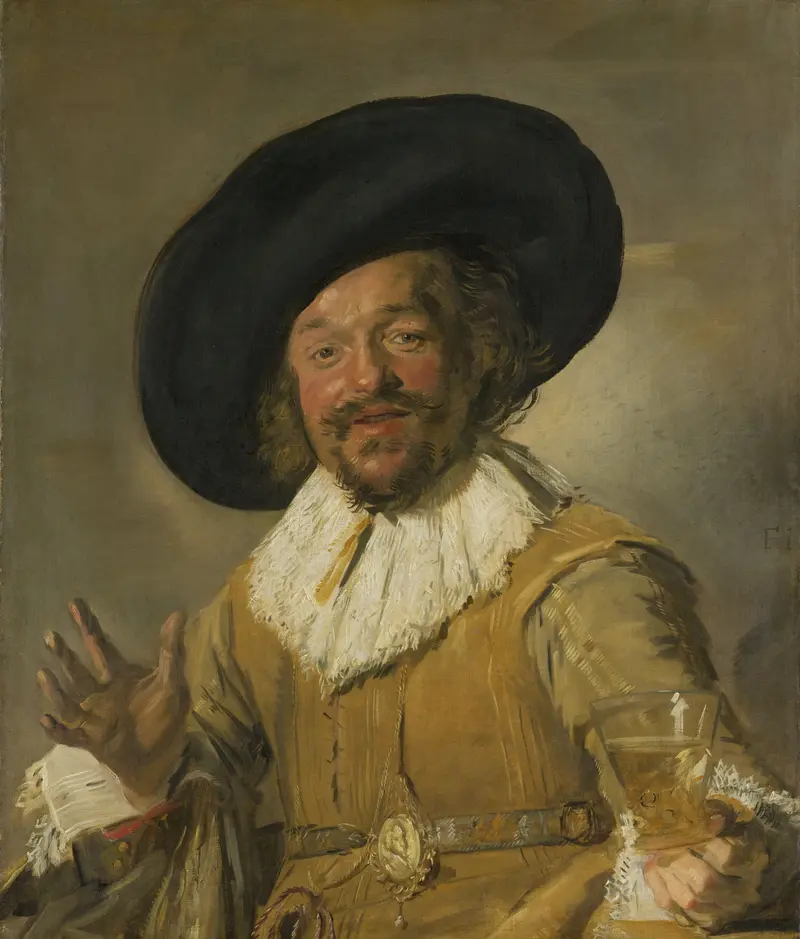 The Merry DrinkerFrans Hals
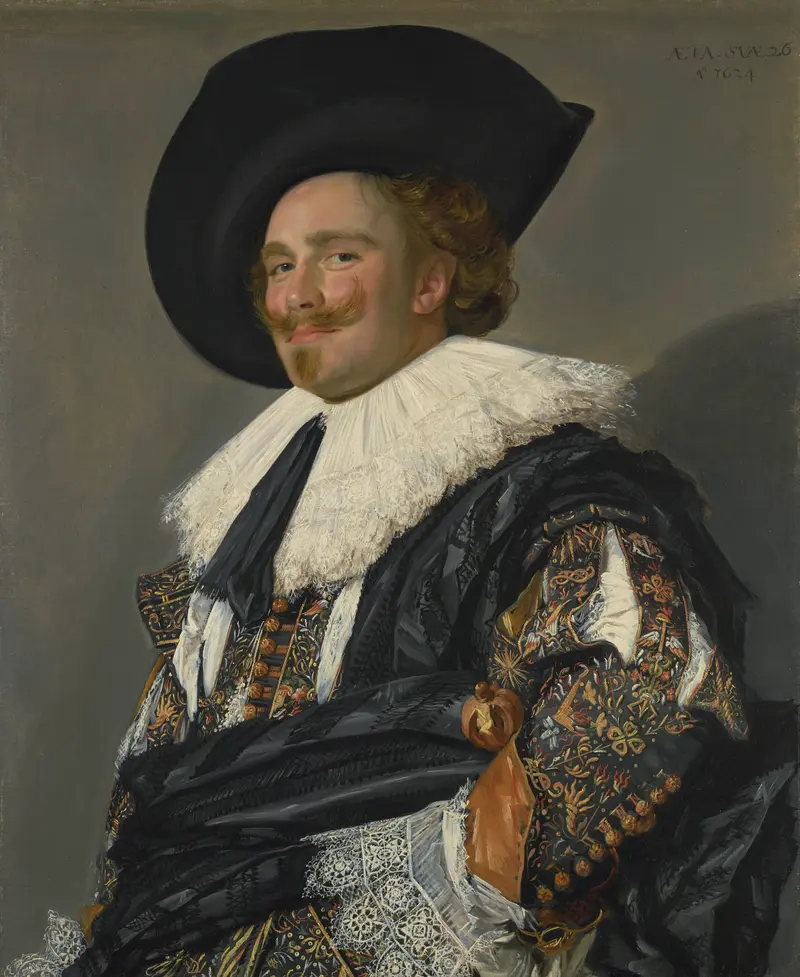 The Laughing CavalierFrans Hals
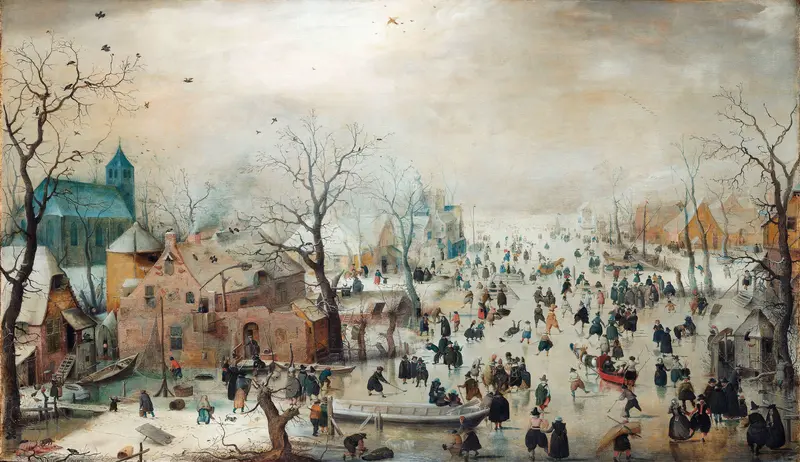 Winter Landscape with Ice SkatersHendrick Avercamp
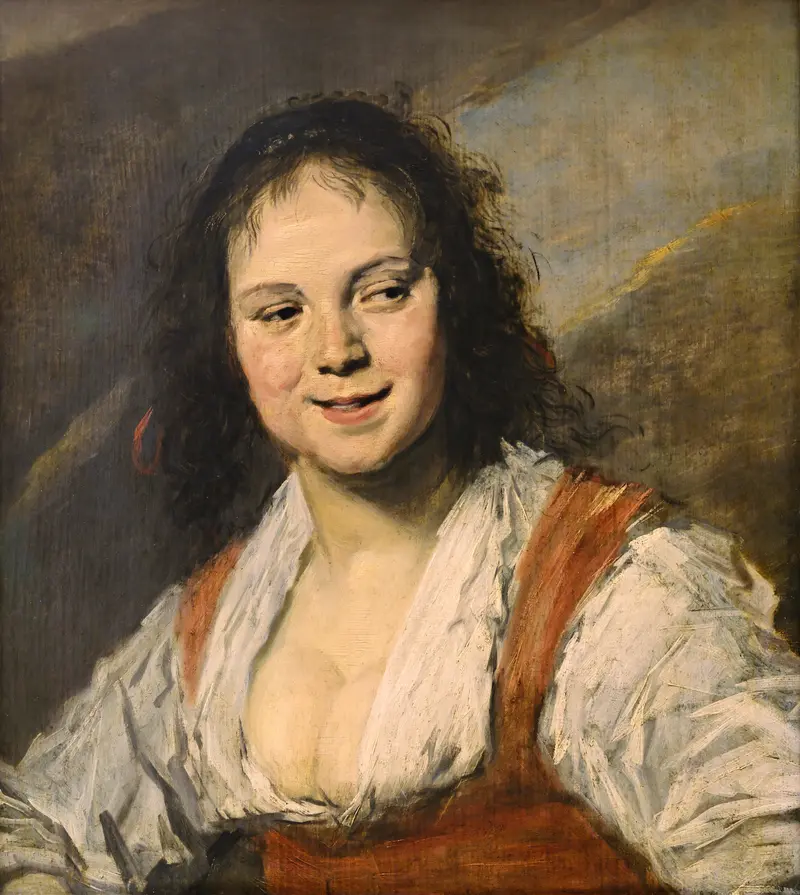 La Bohémienne (The Gypsy Girl)Frans Hals
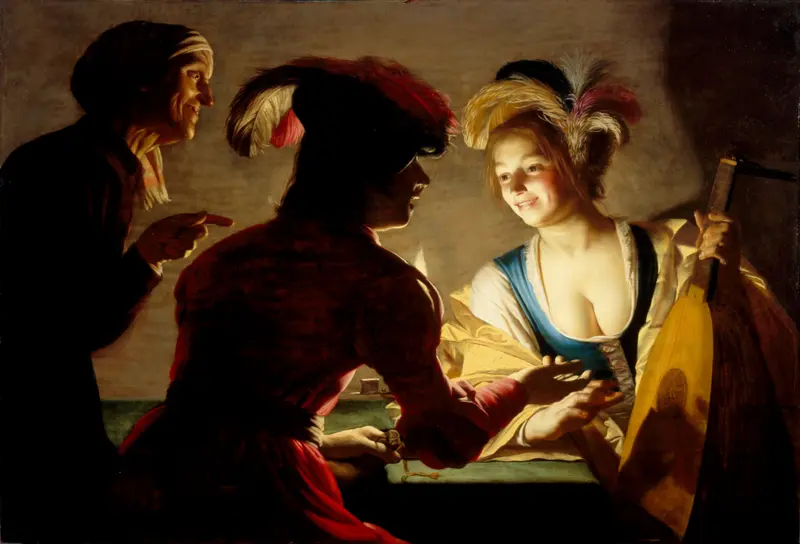 The ProcuressGerard van Honthorst
Famous Dutch Golden Age painters
Ten Dutch masters at the heart of the Golden Age, from Rembrandt, Vermeer and Hals to the flower painter Rachel Ruysch. Each link opens all their paintings.
 Rembrandt1606–1669. Born in Leiden, he moved to Amsterdam around 1631 and became the most famous artist in the city, painting portraits and Baroque history pictures; he went bankrupt in 1656.
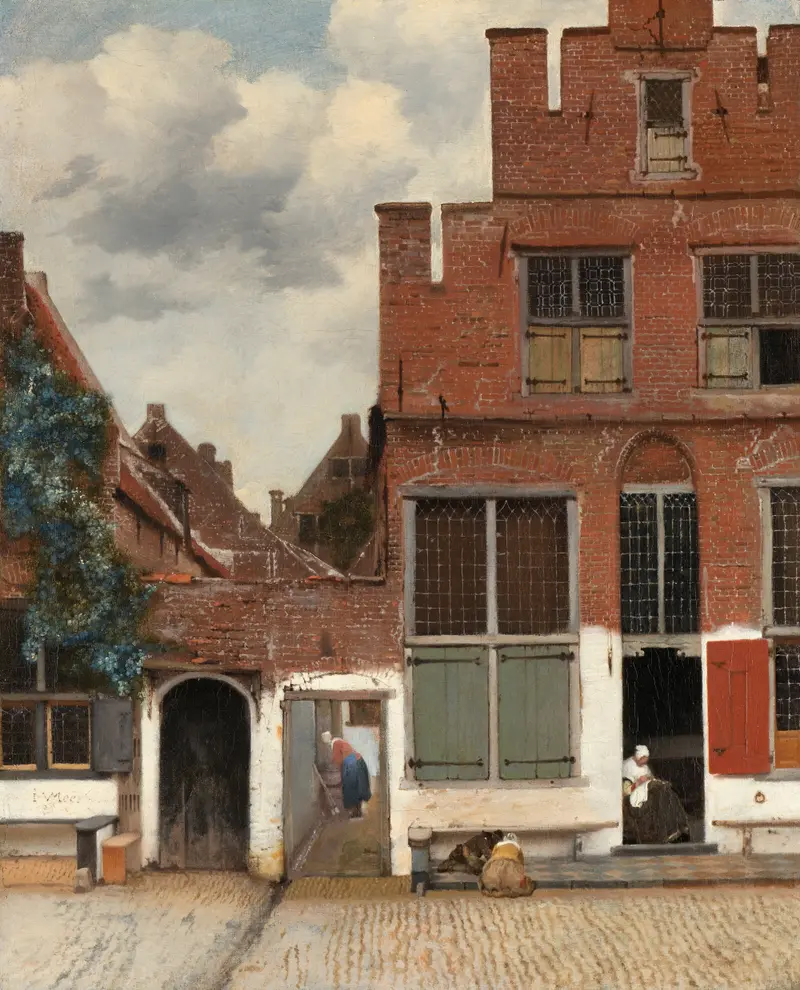 Johannes Vermeer1632–1675. A master of the Delft painters' guild from 1653; only about 35 of his paintings are known, best known for quiet scenes of home life in a pearly light.
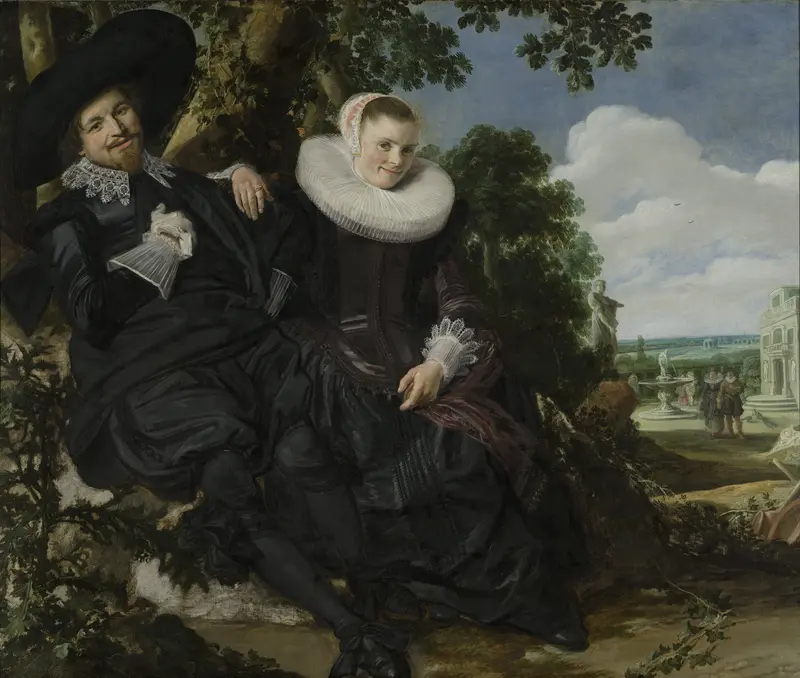 Frans Hals1582/3–1666. Born in Antwerp, he worked in Haarlem, painting its citizens and civic guards with a rapid, lively brush that later inspired Manet and the Impressionists.
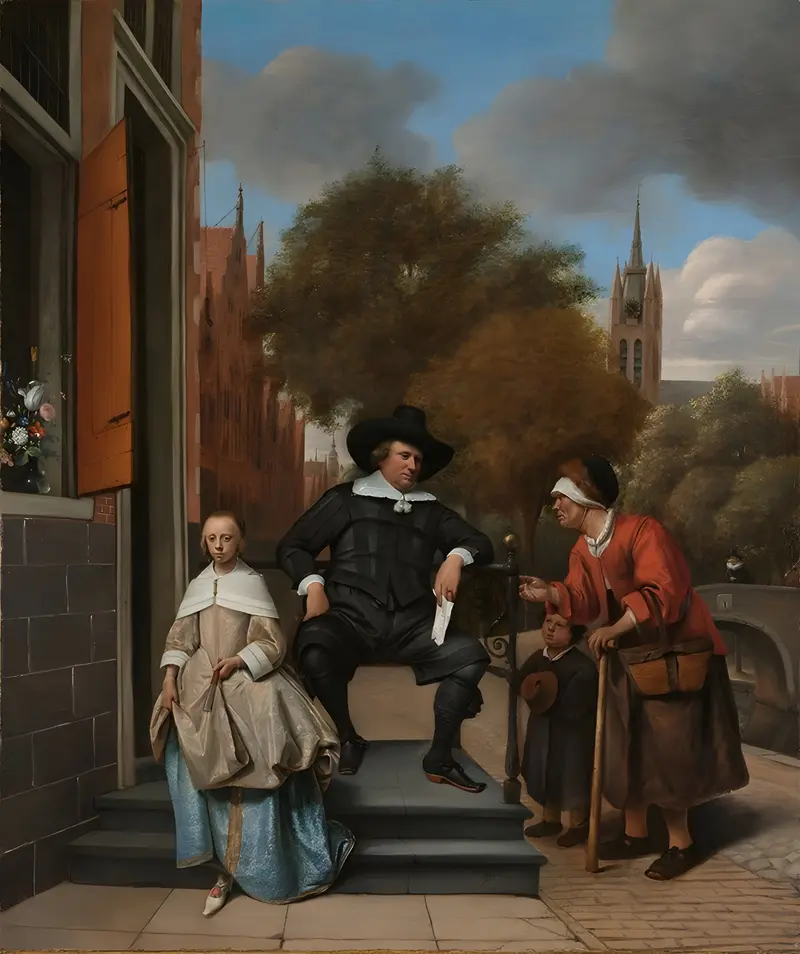 Jan Steen1626–1679. A brewer's son from Leiden, famous for witty moralizing scenes of domestic life; in 1672 he was licensed to keep an inn in Leiden.
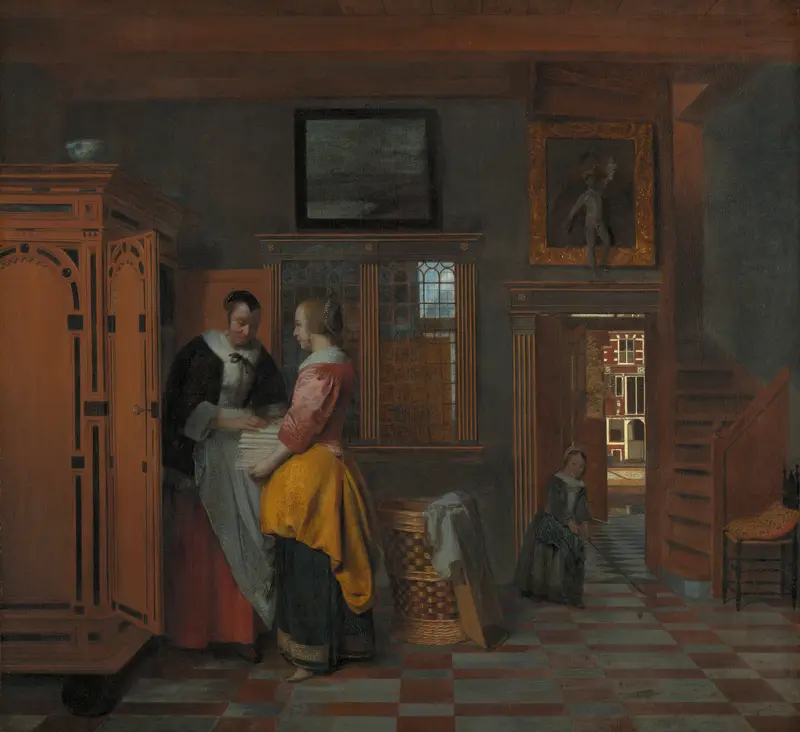 Pieter de Hooch1629–after 1684. Best known for the domestic life of women and children; he joined the Delft painters' guild in 1655 and moved to Amsterdam in 1660.
 Jacob van Ruisdael1628/9–1682. Born in Haarlem, one of the most famous landscape painters of 17th-century Holland, with a poetic and sometimes brooding mood; he settled in Amsterdam by 1657.
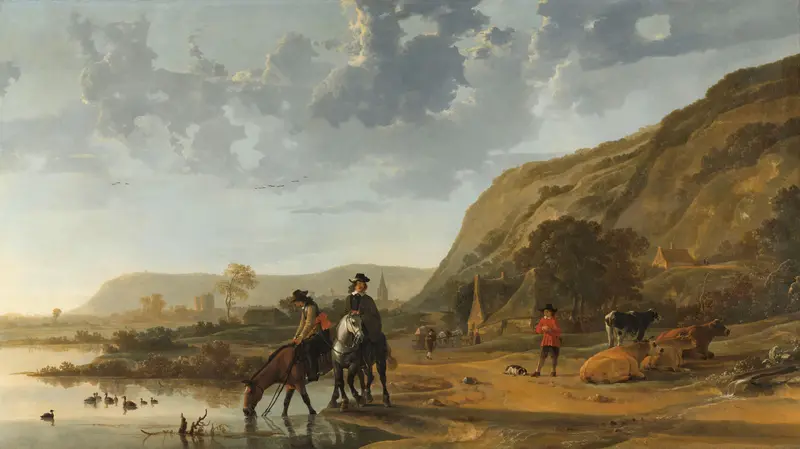 Aelbert Cuyp1620–1691. Based in Dordrecht all his life, he painted Dutch rivers, riders and cattle in the sunlit manner of Italian landscape.
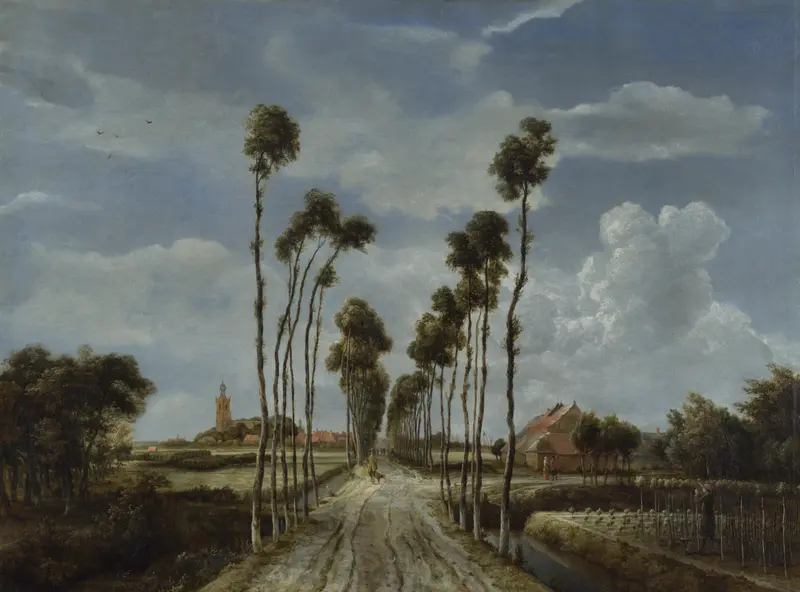 Meindert Hobbema1638–1709. Apprenticed to Jacob van Ruisdael in 1655, he specialized in woodland scenes, often with watermills, and painted his most famous work, The Avenue at Middelharnis, in 1689, long after he had given up art as a profession.
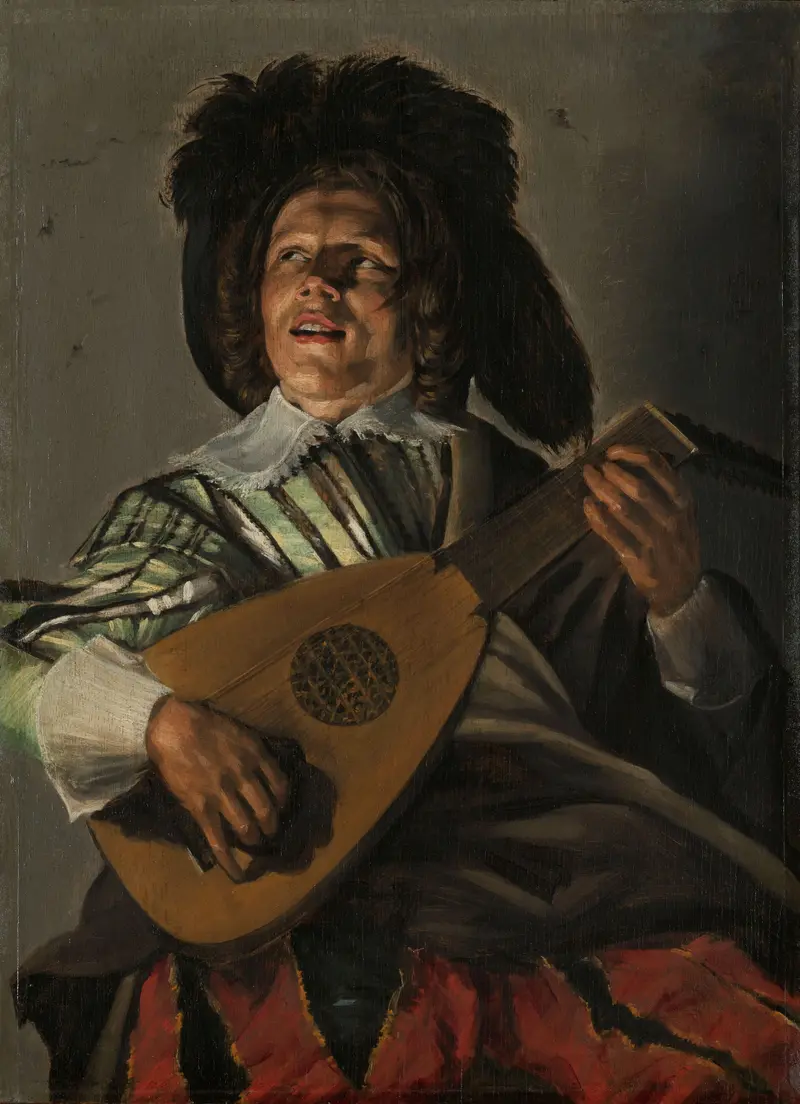 Judith Leyster1609–1660. Born in Haarlem and probably a pupil of Frans Hals, she joined the Haarlem guild in 1633, the first woman to become a master painter in the Netherlands in the 17th century.
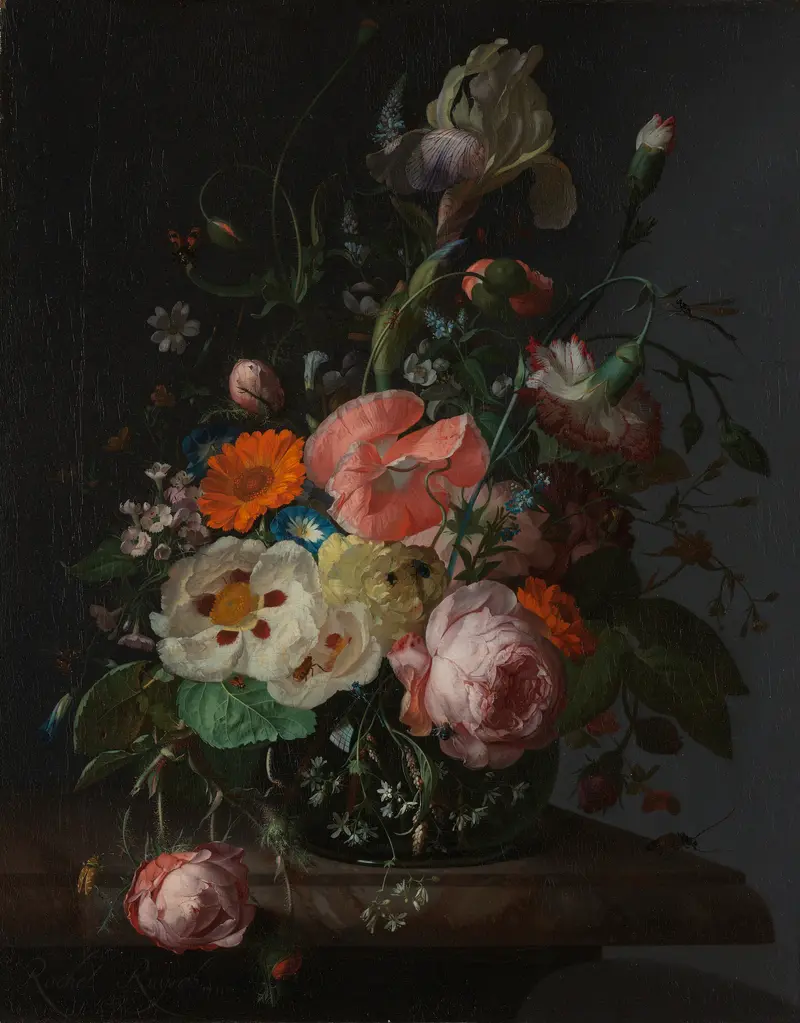 Rachel Ruysch1664–1750. A flower painter, daughter of the anatomist Frederik Ruysch; the first female member of The Hague's Confrerie Pictura and court painter in Düsseldorf from 1708 to 1716.
Vermeer's interiors
Only about 35 paintings by Vermeer are known, the National Gallery in London says. In his mature scenes of home life, figures go about quiet tasks in a pearly light, and the careful placing of objects draws the eye into the room.
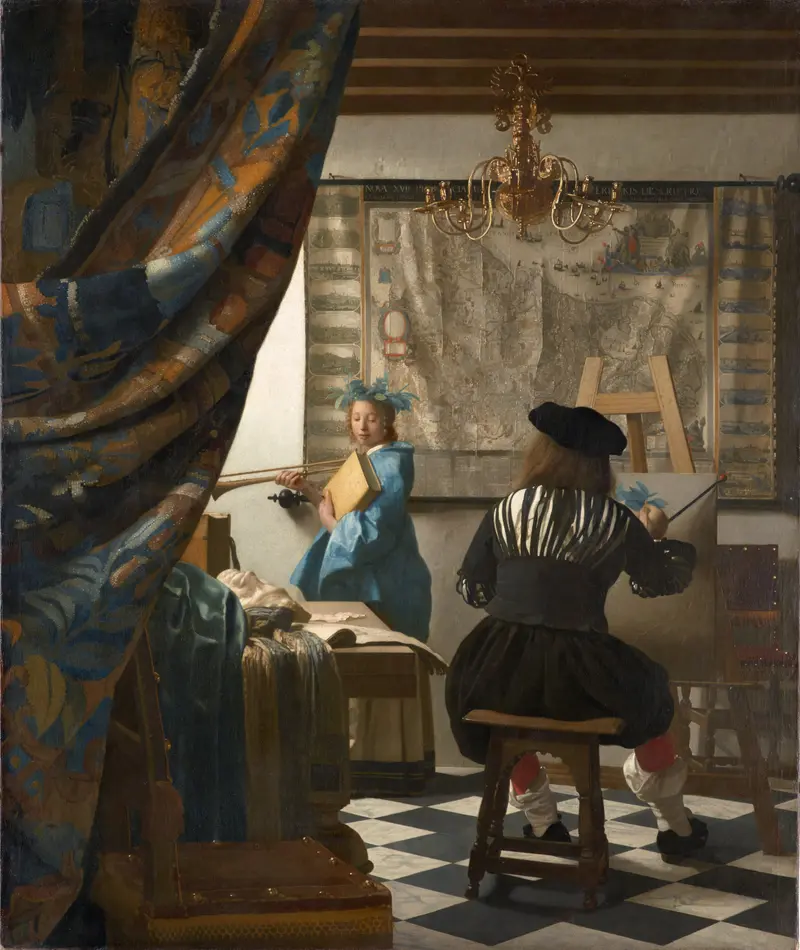
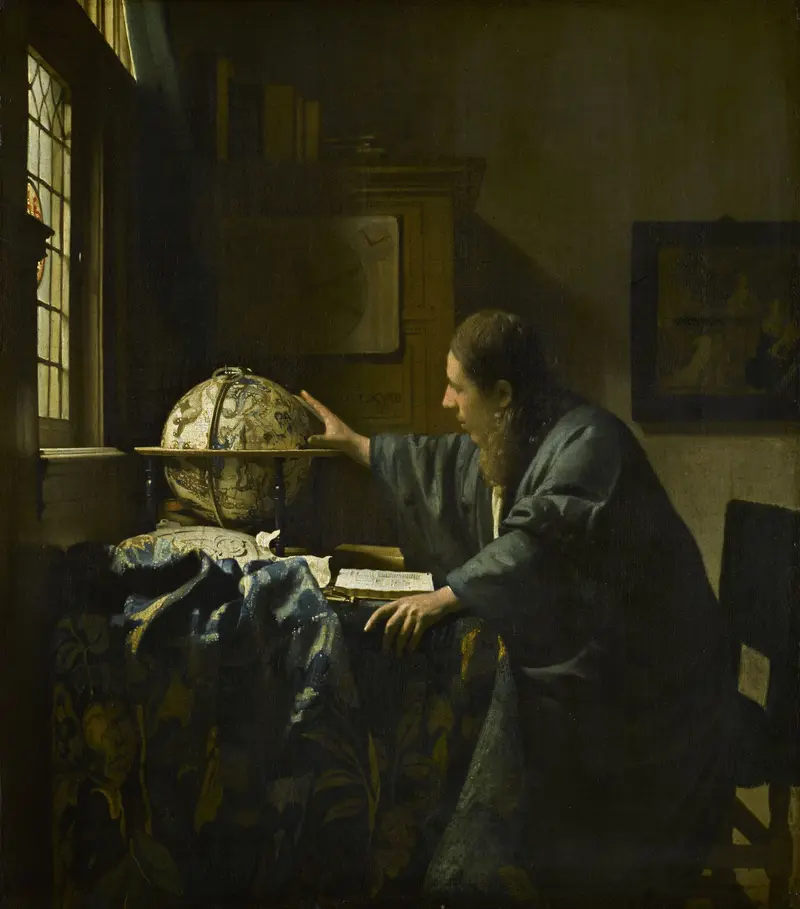
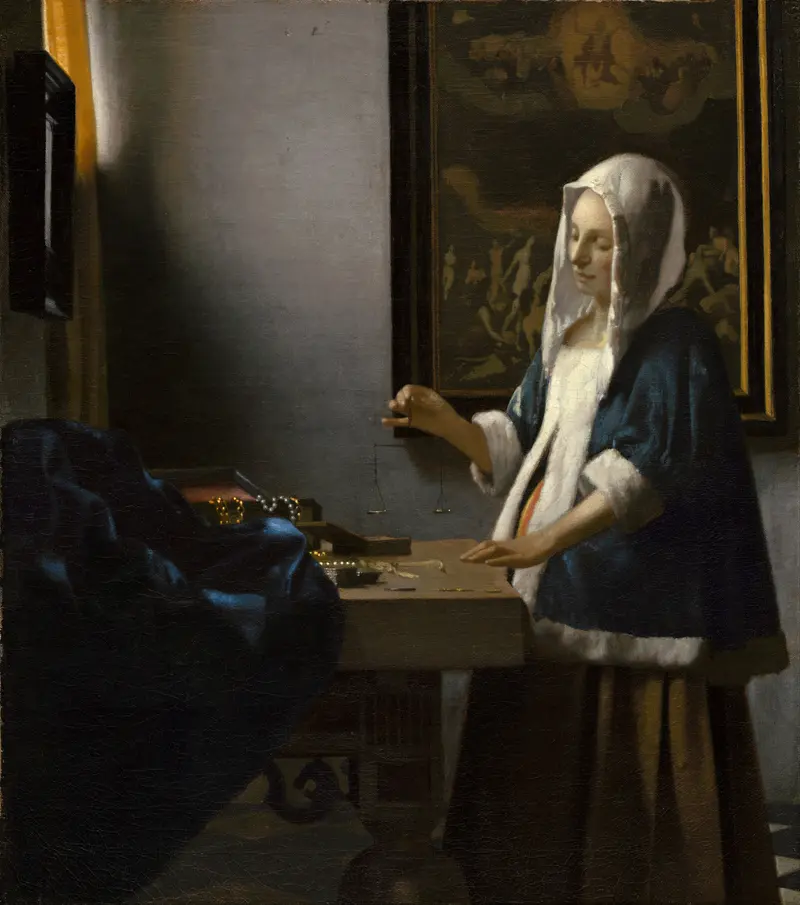
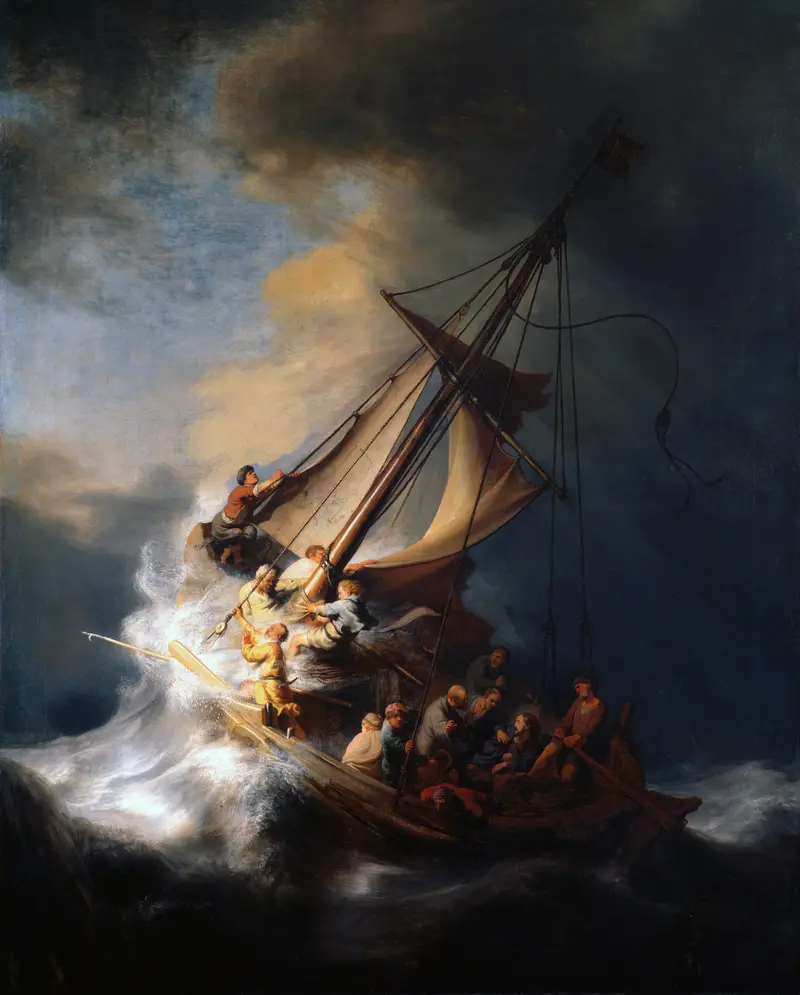
Rembrandt paintings
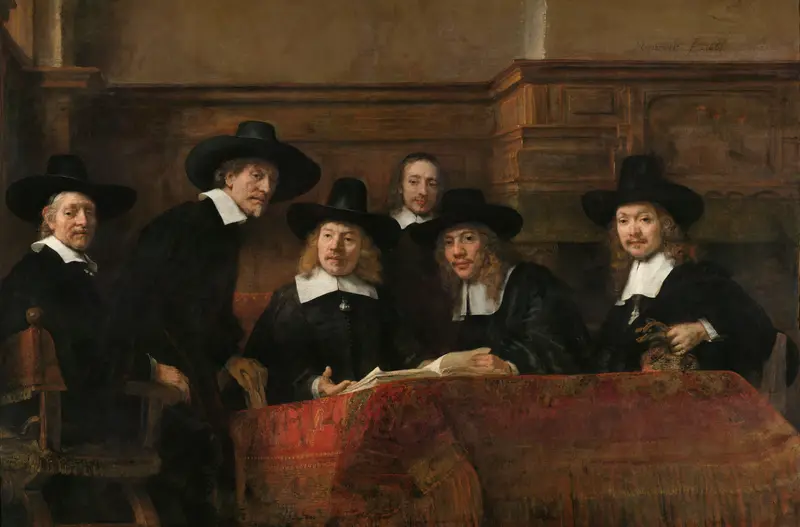
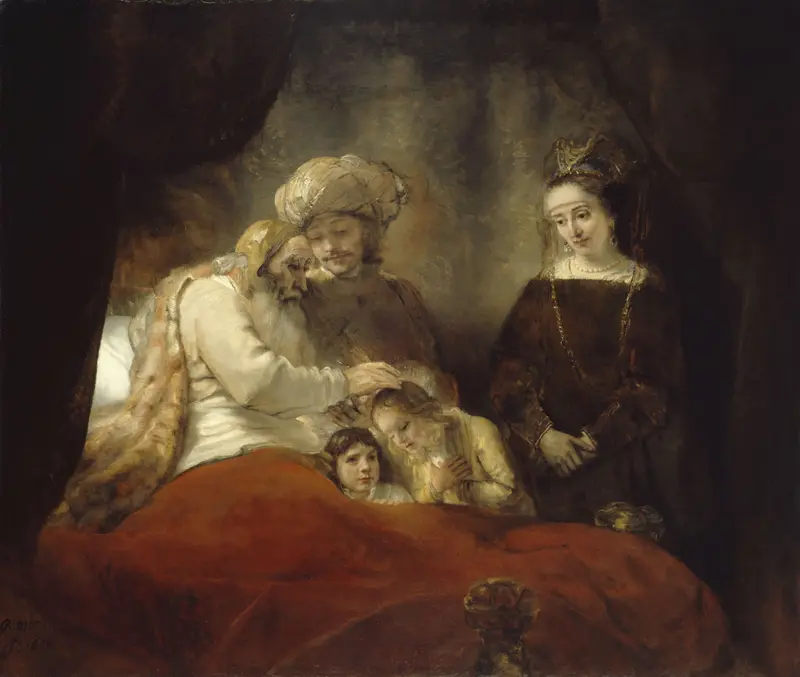
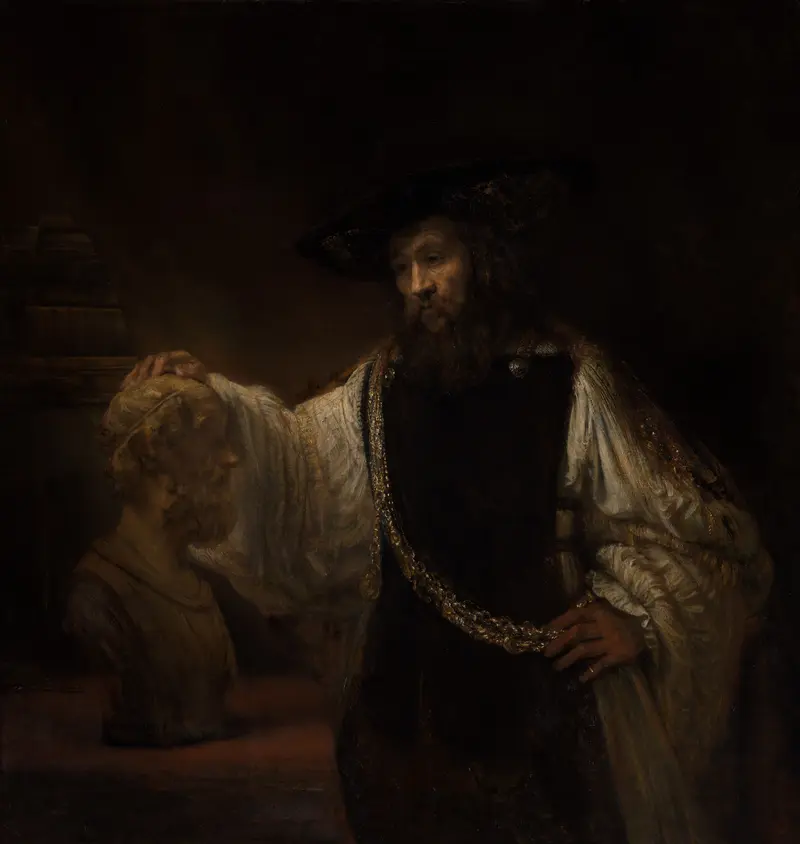
Rembrandt moved from Leiden to Amsterdam around 1631 and became the most famous artist in the city, the National Gallery in London says. Inspired by Caravaggio, he modeled faces with patterns of light and shadow, and in later years he painted with broad strokes, sometimes with a palette knife.
Dutch Golden Age still life paintings
Still life was particularly popular in the Netherlands in the 17th century, and many carried a vanitas message about the futility of worldly life, the National Gallery in London says. Painters specialized: Heda in near-monochrome banquet pieces, Kalf in lavish displays of costly objects, Bosschaert and de Heem in flowers and fruit.
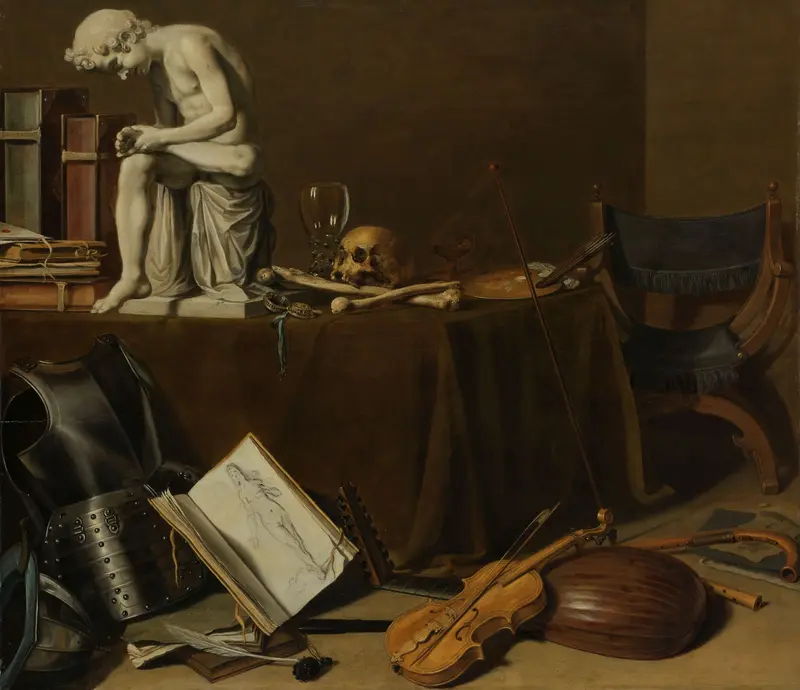 Vanitas Still Life with the SpinarioPieter Claesz
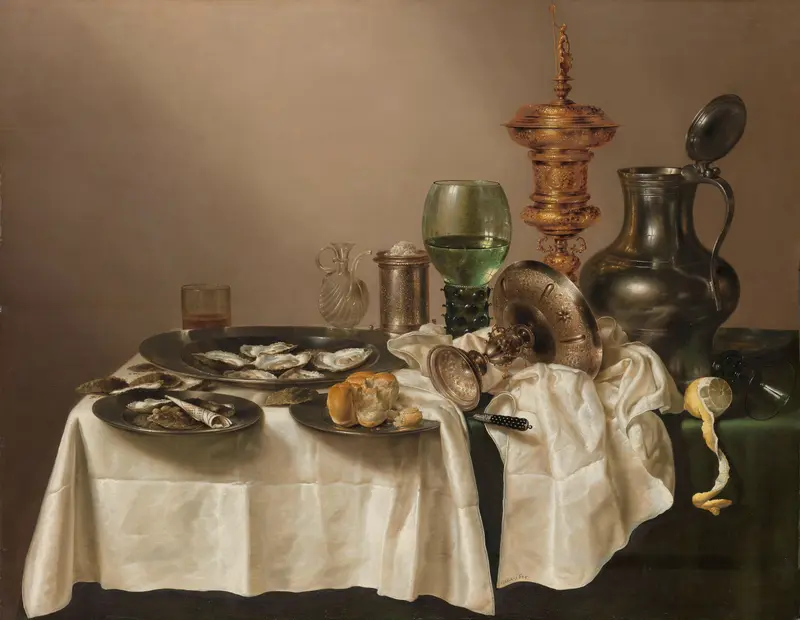 Still Life with a Gilt CupWillem Claesz. Heda
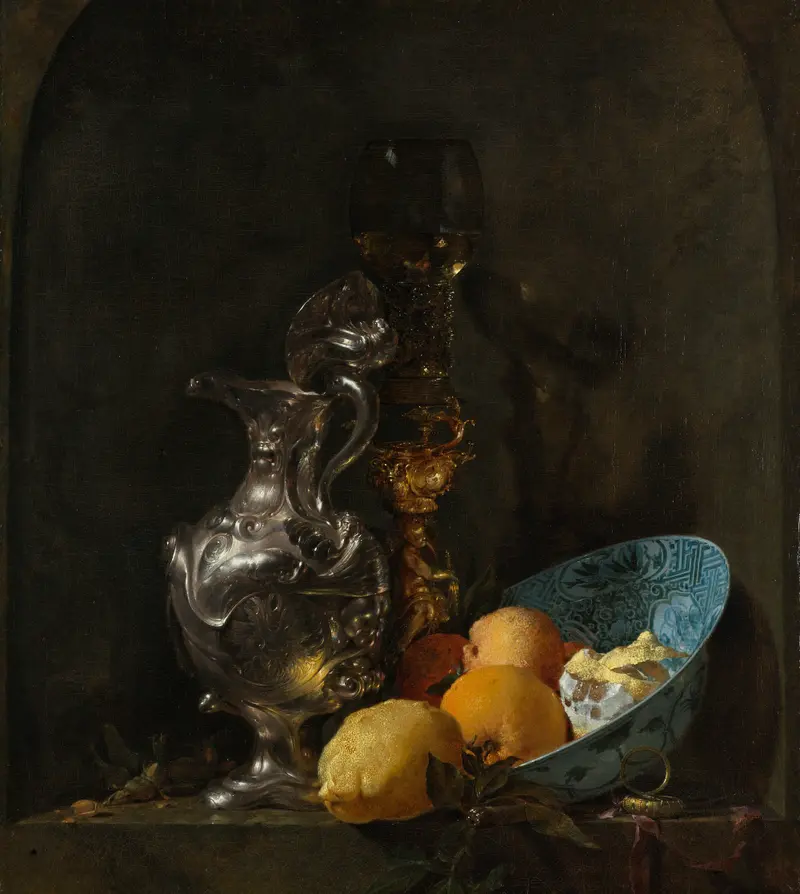 Still Life with a Silver Jug and a Porcelain BowlWillem Kalf
 Festoon of Fruit and FlowersJan Davidsz. de Heem
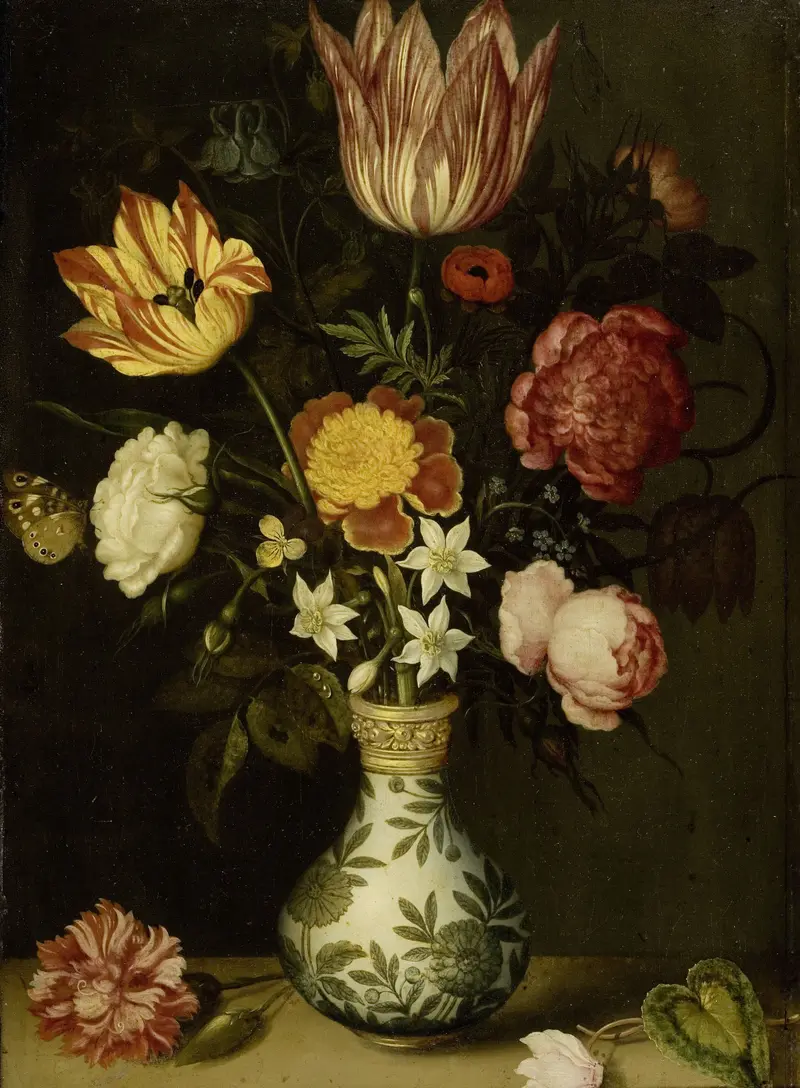 Still Life with Flowers in a Wan-Li VaseAmbrosius Bosschaert the Elder
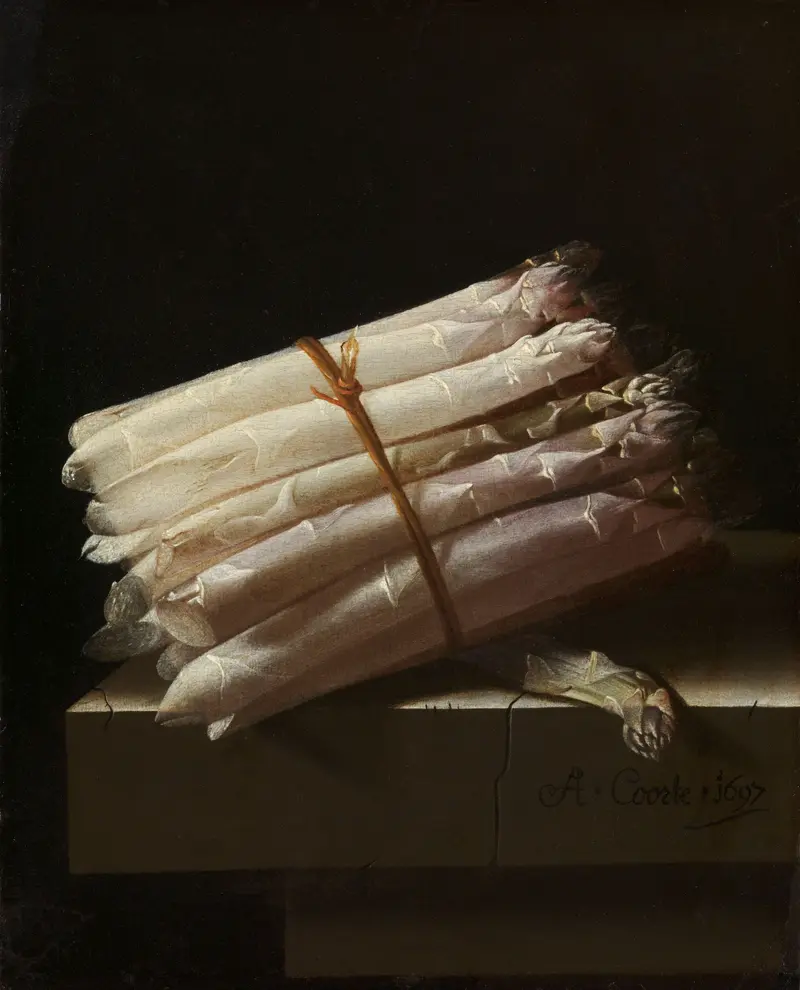 Still Life with AsparagusAdriaen Coorte
Characteristics of Dutch Golden Age painting: how to recognize it
Everyday life as the subject
Nothing moves but the stream of milk: Vermeer turned a maid at work into a monumental picture, the Rijksmuseum says. With no church commissions, Dutch painters sold to private buyers and painted their own world, from kitchens to taverns.
The Milkmaid, Johannes Vermeer

Light through the house
Look past the maid into the front room, where daylight streams in. De Hooch was renowned for such views from one space into another, and painted the daylight here in pure white, the Rijksmuseum notes.
A Maid with a Child in a Pantry, Pieter de Hooch
Citizens in group portraits
Militia companies, guilds and surgeons commissioned group portraits for their halls. Rembrandt was the first to show the sitters of a group portrait actually doing something, the Rijksmuseum says: here the captain orders his company to march.
The Night Watch, Rembrandt van Rijn
Fast, visible brushwork
Hals's brushstrokes criss-cross the canvas, so the drinker seems to move as he raises his glass. The Rijksmuseum calls this loose, rough style a pinnacle of his art; later painters such as Courbet, Manet and Monet came to Haarlem to admire his portraits.
A Militiaman Holding a Berkemeyer, Known as the ‘Merry Drinker’, Frans Hals
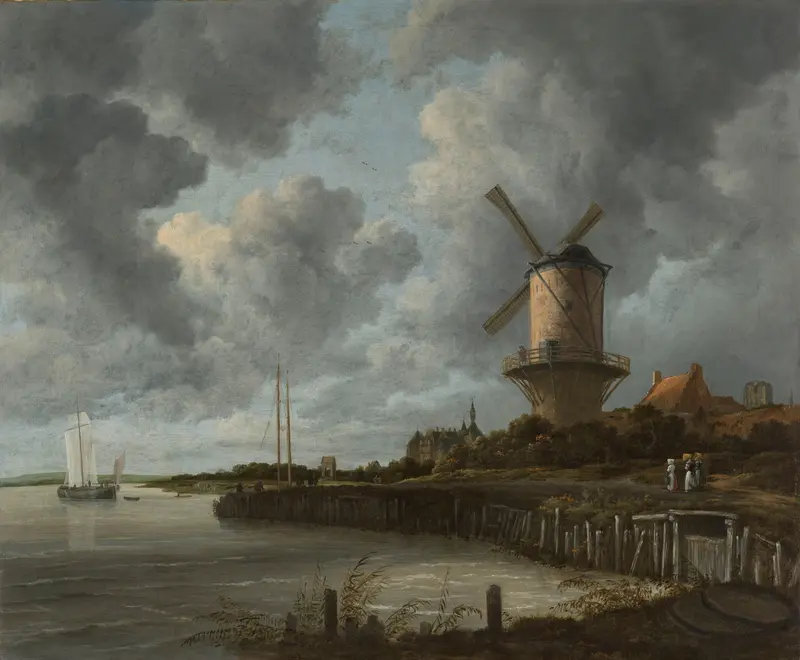
Low land, water and wide skies
Clouds fill most of the canvas. Ruisdael united all the typical Dutch elements, the low-lying land, the water and the expansive sky, in one composition, the Rijksmuseum says, and made them meet in a mill.
The Windmill at Wijk bij Duurstede, Jacob van Ruisdael
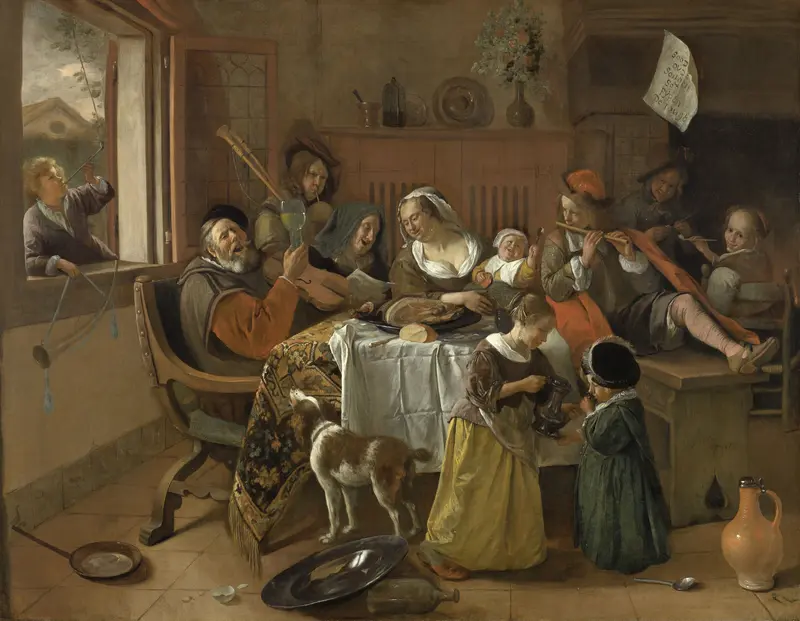
A moral in the merriment
Read the note on the mantelpiece: 'As the old sing, so shall the young twitter.' Jan Steen's noisy family, with children smoking pipes, is a warning about parents who set the wrong example, the Rijksmuseum explains.
The Merry Family, Jan Havicksz. Steen
Before and after the Dutch Golden Age
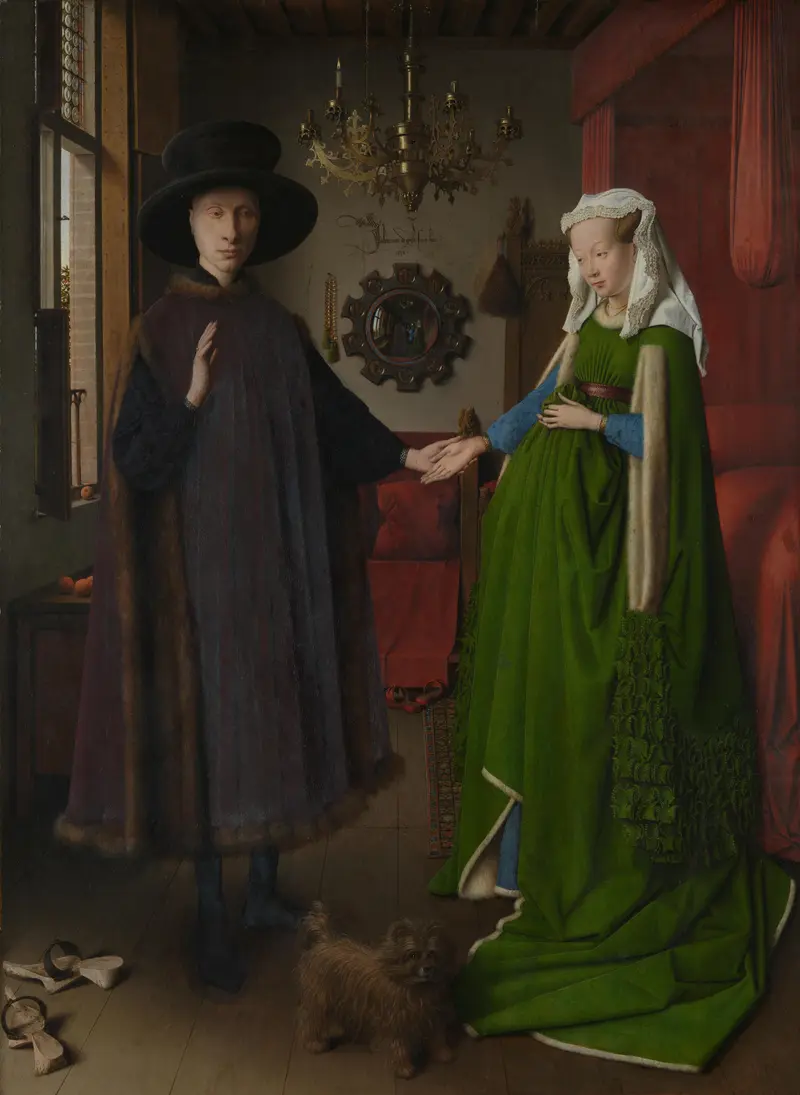 Northern Renaissance15th–16th century
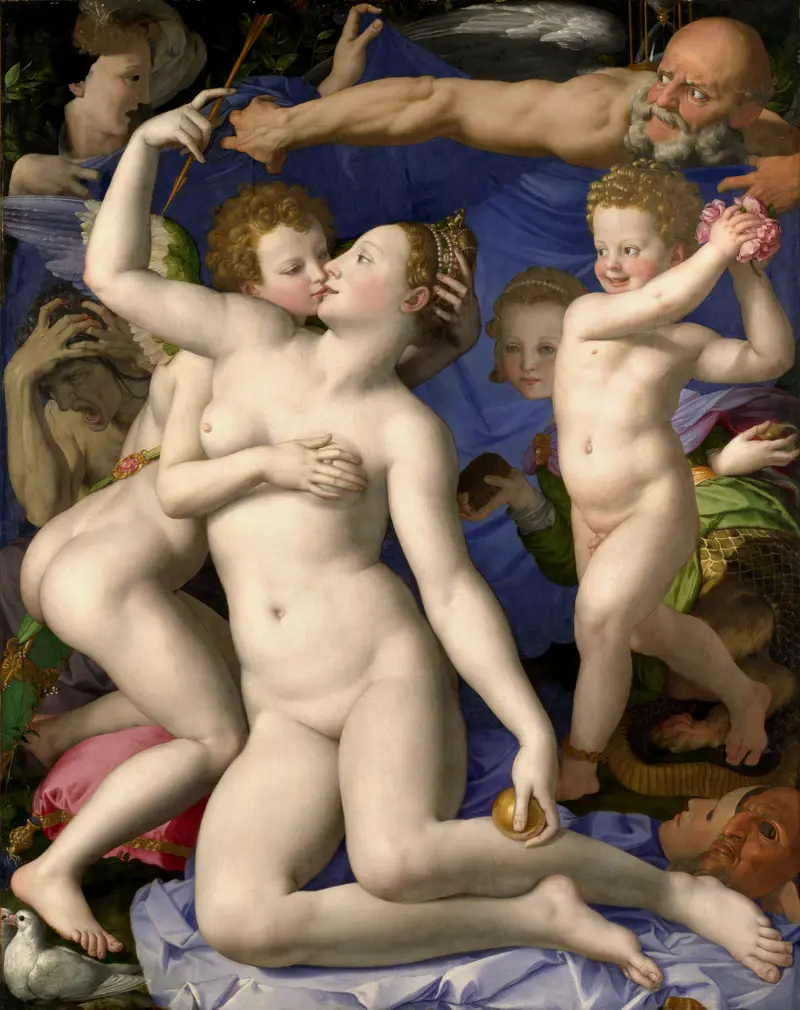 Mannerismc. 1520–1600
 Baroquec. 1590–1750
- Dutch Golden Age17th century
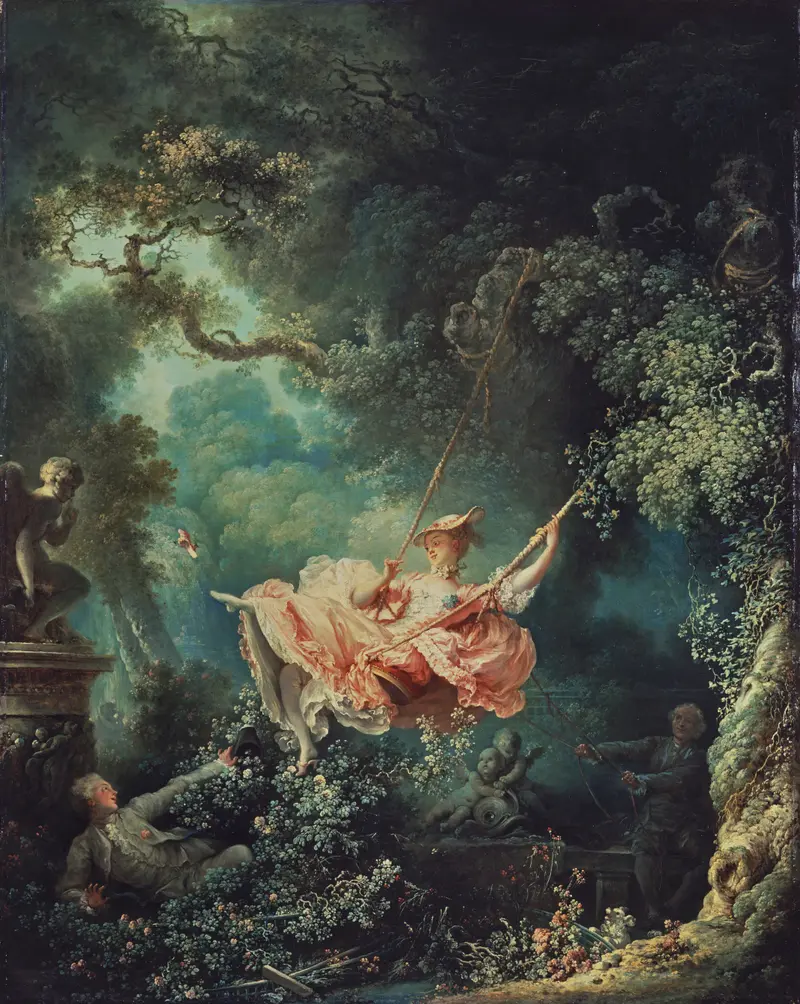 Rocococ. 1715–1770s
Dutch Golden Age vs Northern Renaissance and Baroque
| Compared | Northern Renaissance | Dutch Golden Age | Baroque |
|---|---|---|---|
| When | 15th–16th century | 17th century | c. 1590–1750 |
| Where | Flanders and the Netherlands, Germany | Dutch Republic | Rome, then across Europe |
| Subject | Religious scenes and portraits | Portraits of citizens, everyday life, landscapes, still lifes | Religious and mythological drama, kings and courts |
| Aim | Minute, lifelike detail in translucent oil glazes | Lifelike scenes for private buyers, with subtle light | Drama and movement designed to impress the viewer |
| Famous example | Van Eyck, The Arnolfini Portrait | Vermeer, Girl with a Pearl Earring | Velázquez, Las Meninas |
| Key artists | Jan van Eyck, Dürer, Bruegel | Rembrandt, Vermeer, Hals | Caravaggio, Rubens, Velázquez |
List of famous Dutch Golden Age paintings and their artists
The famous Dutch Golden Age paintings: who painted them, when, and where each one is today.
Show the listHide the list
| Painting | Painted by | Year | Medium | Size | Located in | City |
|---|---|---|---|---|---|---|
| Girl with a Pearl Earring | Johannes Vermeer | c. 1665 | Oil on canvas | 44.5 × 39 cm (17.5 × 15.4 in) | Mauritshuis | The Hague |
| The Night Watch | Rembrandt van Rijn | 1642 | Oil on canvas | 379.5 × 453.5 cm (149.4 × 178.5 in) | Rijksmuseum | Amsterdam |
| The Anatomy Lesson of Dr Nicolaes Tulp | Rembrandt van Rijn | 1632 | Oil on canvas | 169.5 × 216.5 cm (66.7 × 85.2 in) | Mauritshuis | The Hague |
| The Milkmaid | Johannes Vermeer | c. 1660 | Oil on canvas | 45.5 × 41 cm (17.9 × 16.1 in) | Rijksmuseum | Amsterdam |
| View of Delft | Johannes Vermeer | c. 1660–1661 | Oil on canvas | 96.5 × 115.7 cm (38 × 45.6 in) | Mauritshuis | The Hague |
| The Jewish Bride (Isaac and Rebecca) | Rembrandt van Rijn | c. 1665–1669 | Oil on canvas | 121.5 × 166.5 cm (47.8 × 65.6 in) | Rijksmuseum | Amsterdam |
| The Goldfinch | Carel Fabritius | 1654 | Oil on panel | 33.5 × 22.8 cm (13.2 × 9 in) | Mauritshuis | The Hague |
| The Merry Drinker | Frans Hals | c. 1628–1630 | Oil on canvas | 81 × 66.5 cm (31.9 × 26.2 in) | Rijksmuseum | Amsterdam |
| The Laughing Cavalier | Frans Hals | 1624 | Oil on canvas | 83 × 67.3 cm (32.7 × 26.5 in) | Wallace Collection | London |
| Winter Landscape with Ice Skaters | Hendrick Avercamp | c. 1608 | Oil on panel | 77.3 × 131.9 cm (30.4 × 51.9 in) | Rijksmuseum | Amsterdam |
| La Bohémienne (The Gypsy Girl) | Frans Hals | c. 1626 | Oil on panel | 58 × 52 cm (22.8 × 20.5 in) | Louvre Museum | Paris |
| The Procuress | Gerard van Honthorst | 1625 | Oil on panel | 71 × 104 cm (28 × 40.9 in) | Centraal Museum | Utrecht |
| The Windmill at Wijk bij Duurstede | Jacob van Ruisdael | c. 1668–1670 | Oil on canvas | 83 × 101 cm (32.7 × 39.8 in) | Rijksmuseum | Amsterdam |
| The Threatened Swan | Jan Asselijn | c. 1650 | Oil on canvas | 144 × 171 cm (56.7 × 67.3 in) | Rijksmuseum | Amsterdam |
| The Feast of St Nicholas | Jan Steen | 1665–1668 | Oil on canvas | 82 × 70.5 cm (32.3 × 27.8 in) | Rijksmuseum | Amsterdam |
| Gallant Conversation (The Paternal Admonition) | Gerard ter Borch | c. 1654 | Oil on canvas | 70 × 72.5 cm (27.6 × 28.5 in) | Rijksmuseum | Amsterdam |
| The Proposition (Man Offering Money to a Young Woman) | Judith Leyster | 1631 | Oil on panel | 30.8 × 24.2 cm (12.1 × 9.5 in) | Mauritshuis | The Hague |
| Christ before the High Priest | Gerard van Honthorst | c. 1617 | Oil on canvas | 272 × 183 cm (107.1 × 72 in) | National Gallery London | London |
| The Courtyard of a House in Delft | Pieter de Hooch | 1658 | Oil on canvas | 74 × 60 cm (29.1 × 23.6 in) | National Gallery London | London |
| Man Writing a Letter | Gabriel Metsu | c. 1664–1666 | Oil on panel | 52.5 × 40.2 cm (20.7 × 15.8 in) | National Gallery of Ireland | Dublin |
| The Bull | Paulus Potter | 1647 | Oil on canvas | 235.5 × 339 cm (92.7 × 133.5 in) | Mauritshuis | The Hague |
| The Young Mother | Gerrit Dou | 1658 | Oil on panel | 73.7 × 55.5 cm (29 × 21.9 in) | Mauritshuis | The Hague |
| A Woman Peeling Apples | Pieter de Hooch | c. 1663 | Oil on canvas | 71 × 54 cm (28 × 21.3 in) | Wallace Collection | London |
| Girl Eating Oysters | Jan Steen | c. 1658–1660 | Oil on panel | 20.4 × 15.1 cm (8 × 5.9 in) | Mauritshuis | The Hague |
| Battle for the Gold Staff (Allegory of the Victory at Gibraltar) | Adam Willaerts | c. 1615–1630 | Oil on panel | 38.4 × 55.9 cm (15.1 × 22 in) | Rijksmuseum | Amsterdam |
Dutch Golden Age: questions and answers
What does Dutch Golden Age mean in art?
In art, the Dutch Golden Age means the painting of the Dutch Republic in the 17th century, when painters working for private buyers rather than the Church produced lifelike portraits of citizens, scenes of everyday life, landscapes and still lifes. The Getty's art vocabulary places the Golden Age between the Twelve Years' Truce of 1609 and the death of Prince William III in 1702, or the Peace of Utrecht in 1713. The National Gallery in London explains that after the Protestant Reformation, Dutch churches no longer commissioned paintings, so artists had to work for private individuals.
Sources: Getty AAT: Dutch Golden Age · National Gallery: Rembrandt
What are the characteristics of Dutch Golden Age paintings?
Dutch Golden Age paintings are lifelike pictures of the painters' own world: portraits of townspeople, quiet interiors, everyday life, landscapes under wide skies, the sea and still lifes, painted with close attention to light and texture. Many painters specialized in one kind of subject: scenes of peasant and town life were particularly favored in the 17th-century Netherlands, the National Gallery in London says, and still life was so popular there that the term comes from the Dutch word stilleven.
Sources: National Gallery: Genres (glossary) · National Gallery: Still lives (glossary)
When was the Dutch Golden Age?
The Dutch Golden Age was the 17th century: the Getty dates it from the Twelve Years' Truce of 1609 to the death of Prince William III in 1702, or to the Peace of Utrecht in 1713. The famous paintings on this page run from Hendrick Avercamp's winter landscape of about 1608 to Jacob van Ruisdael's Windmill at Wijk bij Duurstede of about 1668–1670, both in the Rijksmuseum. Some painters of the period worked on into the next century: Rachel Ruysch signed a flower still life in 1716.
Sources: Getty AAT: Dutch Golden Age · Rijksmuseum · Rijksmuseum · Rijksmuseum
Why did the Dutch Golden Age happen?
The Dutch Golden Age grew out of trade and wealth: in the 17th century the Netherlands became one of the most powerful and influential countries in Europe and the world, the Getty notes. Amsterdam was the most prosperous port in northern Europe, the National Gallery in London says, and a painting by Adam Willaerts in the Rijksmuseum shows the Dutch and the Spanish fighting over a golden staff that stands for control of the seas, and so for trade and riches. With no commissions from the Protestant churches, painters sold to private buyers, and many specialized in portraits, everyday scenes, landscapes or still lifes.
Sources: Getty AAT: Dutch Golden Age · National Gallery: Rembrandt · Rijksmuseum · National Gallery: Genres (glossary)
Why did the Dutch Golden Age end?
There was no single end: the Getty closes the period with the death of Prince William III in 1702 or the Peace of Utrecht in 1713. Hard times came earlier. The Rijksmuseum calls 1672 the Year of Disaster, the year Johan de Witt, the most powerful man in the Republic for close to twenty years, and his brother Cornelis were murdered by their political opponents; by 1672 Vermeer was in financial trouble, and he died insolvent in 1675, the National Gallery in London says.
Sources: Getty AAT: Dutch Golden Age · Rijksmuseum · National Gallery: Johannes Vermeer · Rijksmuseum: Frans Hals exhibition (press release)
Is Dutch Golden Age painting Baroque?
Partly: it belongs to the Baroque era, but much of it does not look Baroque. The Getty's art vocabulary files the Dutch Golden Age under the Netherlandish Renaissance-Baroque styles, and the National Gallery in London calls Rembrandt's Belshazzar's Feast a Baroque history painting. But the Gallery uses Baroque for large, dramatic works with diagonal compositions designed to impress, like those of Rubens, while most Dutch painters sold portraits, everyday scenes, landscapes and still lifes to private buyers. Some brought the drama home from Italy: Gerrit van Honthorst returned from Rome to Utrecht in 1620 and popularized Caravaggio's style and candlelit scenes in Holland.
Sources: Getty AAT: Dutch Golden Age · National Gallery: Rembrandt · National Gallery: Baroque (glossary) · National Gallery: Gerrit van Honthorst
Who are the most famous Dutch Golden Age painters?
The most famous Dutch Golden Age painters are Rembrandt, Johannes Vermeer and Frans Hals, whom the Rijksmuseum says were long regarded as the big three of 17th-century Dutch painting. Around them worked specialists described by the National Gallery in London: Jan Steen with his witty moralizing scenes of domestic life, Pieter de Hooch with women and children at home, Jacob van Ruisdael and Aelbert Cuyp in landscape, Gerard ter Borch with his satins and silks, Carel Fabritius, the most innovative of Rembrandt's pupils, and the still-life painters Willem Claesz. Heda and Willem Kalf.
Sources: Rijksmuseum: Frans Hals exhibition (press release) · National Gallery: Jan Steen · National Gallery: Pieter de Hooch · National Gallery: Jacob van Ruisdael · National Gallery: Carel Fabritius · National Gallery: Gerrit Dou
Who were the women painters of the Dutch Golden Age?
The best-known women painters of the Dutch Golden Age are Judith Leyster and Rachel Ruysch. Leyster became a master in Haarlem's Guild of St Luke in 1633, which the Rijksmuseum says made her the first woman to become a master painter in the Netherlands in the 17th century; her The Proposition is in the Mauritshuis. Ruysch, a flower painter, was court painter to the Elector Palatine in Düsseldorf from 1708 to 1716, the National Gallery in London says, and the Rijksmuseum calls her one of the most celebrated painters of floral still lifes in Europe in her lifetime.
Sources: Rijksmuseum · Mauritshuis (Google Arts & Culture) · National Gallery: Judith Leyster · National Gallery: Rachel Ruysch · Rijksmuseum
What is a Dutch Golden Age still life?
A Dutch Golden Age still life is a painting of objects such as food, flowers, tableware and books, a subject so popular in the 17th-century Netherlands that the term itself comes from the Dutch stilleven, the National Gallery in London says. Many carry a vanitas message about the futility of worldly life: in Pieter Claesz's Vanitas Still Life with the Spinario, a skull and bones lie among books, armor and musical instruments, and the Rijksmuseum reads its message as 'the world is mere illusion and transience'.
Sources: National Gallery: Still lives (glossary) · National Gallery: Vanitas (glossary) · Rijksmuseum · Rijksmuseum · National Gallery: Willem Kalf
What are Dutch genre paintings?
Genre paintings are scenes of everyday life, and they were particularly favored in the 17th-century Netherlands, where many artists specialized in them, the National Gallery in London says: peasant life in the work of Adriaen Brouwer and Adriaen van Ostade, and the life of the town's middle class in Gerard ter Borch, Gabriel Metsu and Vermeer. Many carry a message. In Jan Steen's The Merry Family, a note on the mantelpiece reads 'As the old sing, so shall the young twitter', a warning, the Rijksmuseum says, about parents who set the wrong example.
Sources: National Gallery: Genres (glossary) · Rijksmuseum
What is Vermeer's painting style?
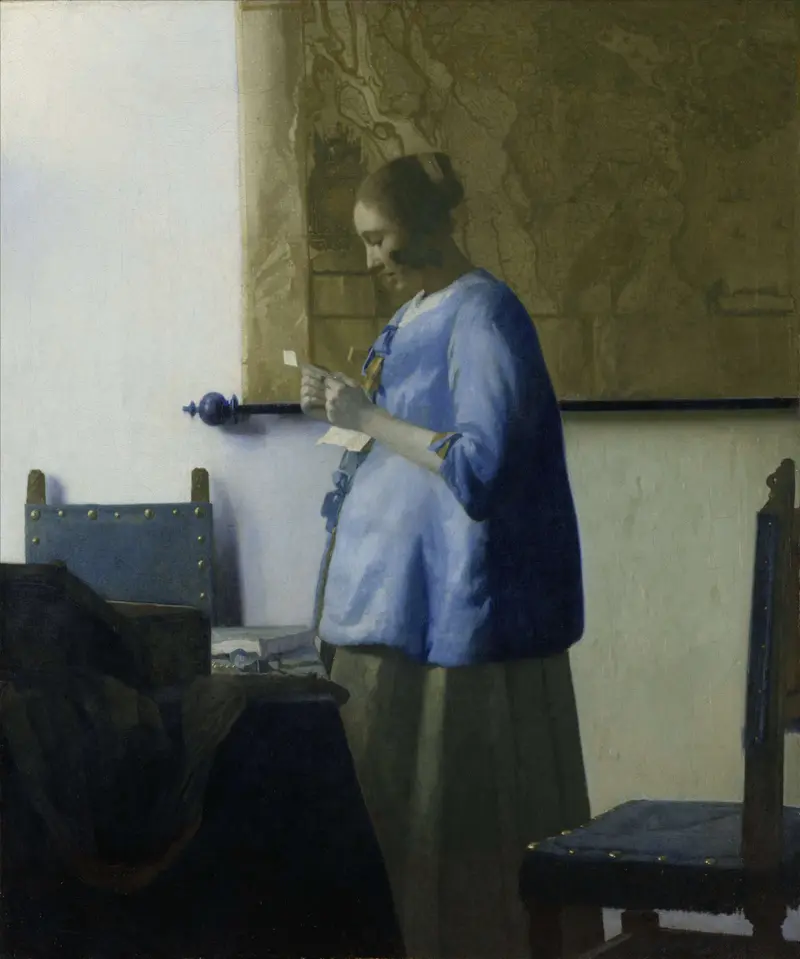
Vermeer painted calm scenes of home life in soft, even daylight. The National Gallery in London describes the characteristic pearly light of his mature domestic scenes, in which the careful placing of objects and a clearly defined architectural space draw the eye into the picture, and a painting within the painting sometimes reveals the meaning. The Rijksmuseum adds that he recorded light with extraordinary precision, painting skin in pale gray and shadows on the wall in light blue in Woman in Blue Reading a Letter. Only about 35 of his paintings are known.
Sources: National Gallery: Johannes Vermeer · Rijksmuseum · Rijksmuseum
What is Rembrandt's painting style?
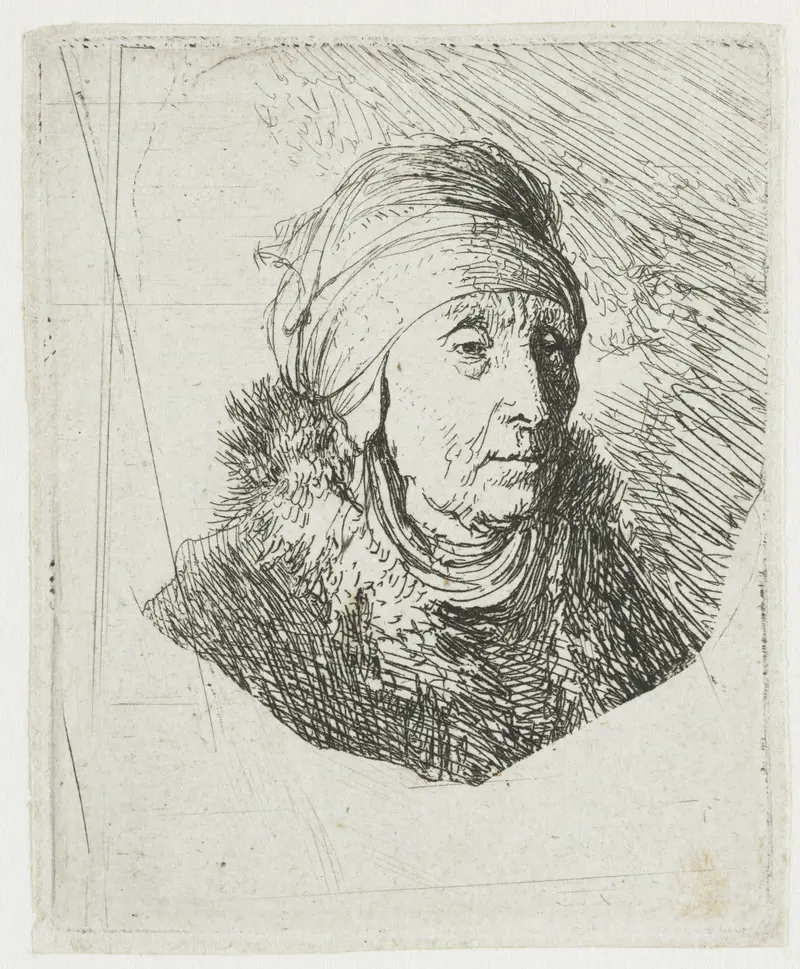
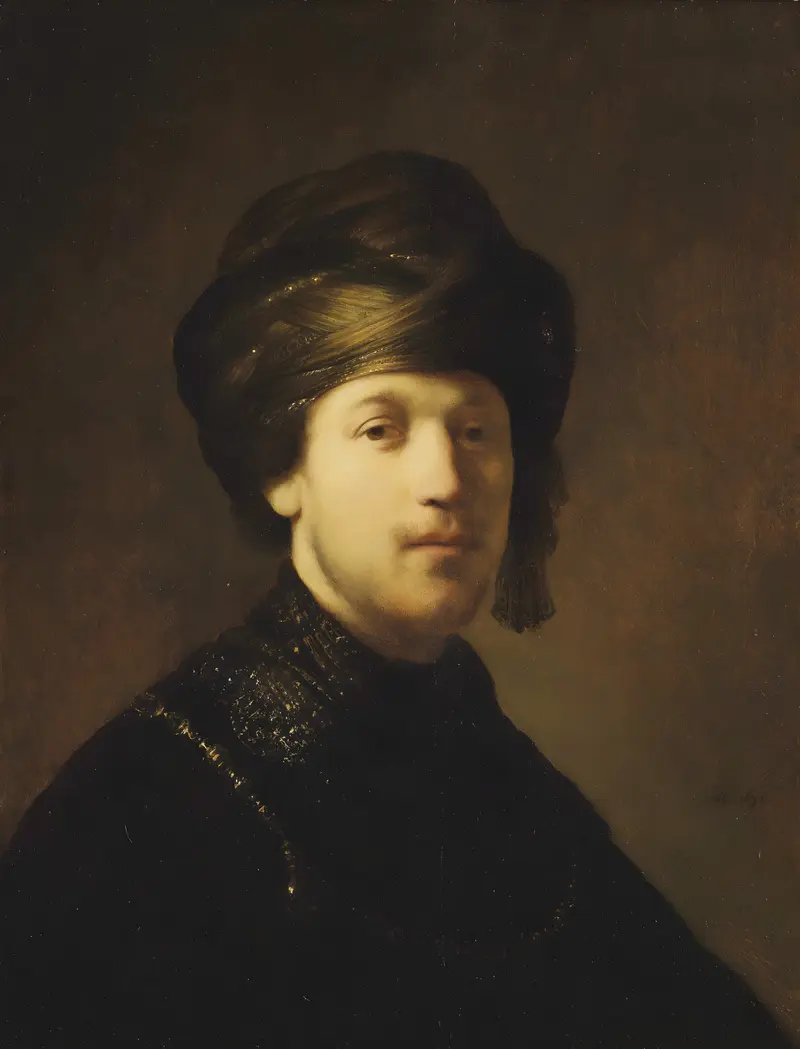
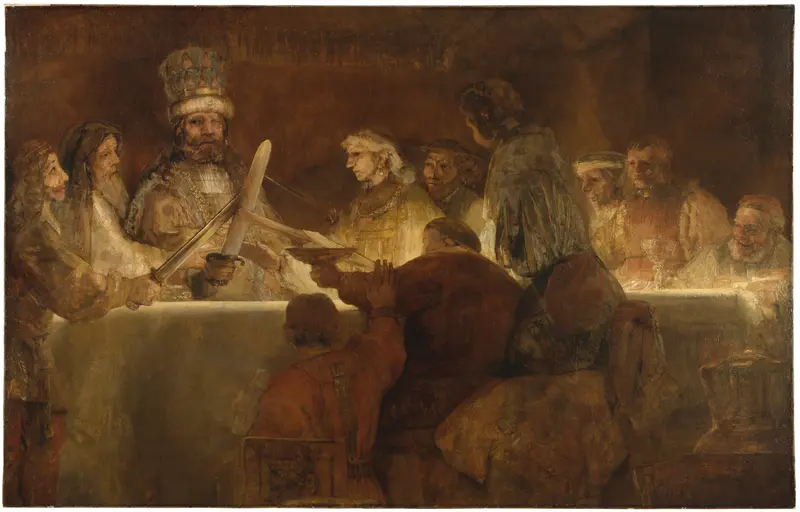
Rembrandt is known for dramatic light and shadow and, later in life, for thick, free brushwork. The National Gallery in London says he took up the dramatic lighting developed by Caravaggio in the 1630s and found a new way of describing faces with patterns of light and shadow, with shadows around the eyes that give his portraits the impression of a living, thinking mind; his later pictures use broad brushstrokes, sometimes applied with a palette knife, and are meant to be seen from a distance.
Sources: National Gallery: Rembrandt · Rijksmuseum
Where can you see famous Dutch Golden Age paintings?
Most of the famous paintings on this page are in the Netherlands: ten in the Rijksmuseum in Amsterdam, including The Night Watch, The Milkmaid and The Jewish Bride, and eight in the Mauritshuis in The Hague, including Girl with a Pearl Earring, View of Delft, The Goldfinch and Judith Leyster's The Proposition. Haarlem's Frans Hals Museum holds his group portraits of the city's civic guards and almshouse regents. In London, The Laughing Cavalier is in the Wallace Collection, and de Hooch's The Courtyard of a House in Delft is in the National Gallery.
Sources: Rijksmuseum · Mauritshuis (Google Arts & Culture) · Mauritshuis (Google Arts & Culture) · Rijksmuseum: Frans Hals exhibition (press release) · Wallace Collection · National Gallery, London · National Gallery, London
Is Dutch Golden Age art in the public domain, and can I download it free?
Yes. Every painter on this page died by 1750, so their paintings are in the public domain in the United States and in countries where copyright ends 70 years after the artist's death. You can download them free and use them for anything, including commercial projects. A few countries have their own rules on photographs of artworks, so check them if you publish outside the U.S.
Sources: Cornell University Library: Copyright Term and the Public Domain
How we chose the famous paintings
The famous paintings on this page are the Dutch Golden Age paintings known most widely around the world, measured by the number of languages that have an encyclopedia entry about each one, checked in November 2026. No painter has more than three of them, which is why Vermeer's The Art of Painting and The Astronomer and Rembrandt's The Storm on the Sea of Galilee appear in their own rows further down.
We include 17th-century paintings by artists of the Dutch Republic that our catalogue, the holding museum or Wikidata classes as Dutch Golden Age; Hals's The Laughing Cavalier is filed under Baroque in our catalogue, but it belongs here. When two paintings are equally well known, the older one comes first, which is why Willaerts's allegory of 1615–1630 is listed and Jan Steen's The Merry Family of 1668 appears instead among the characteristics of the period.
Dates, sizes and locations come from the museums' own records and from Wikidata.
Spotted a mistake? Tell us and we will correct it.