
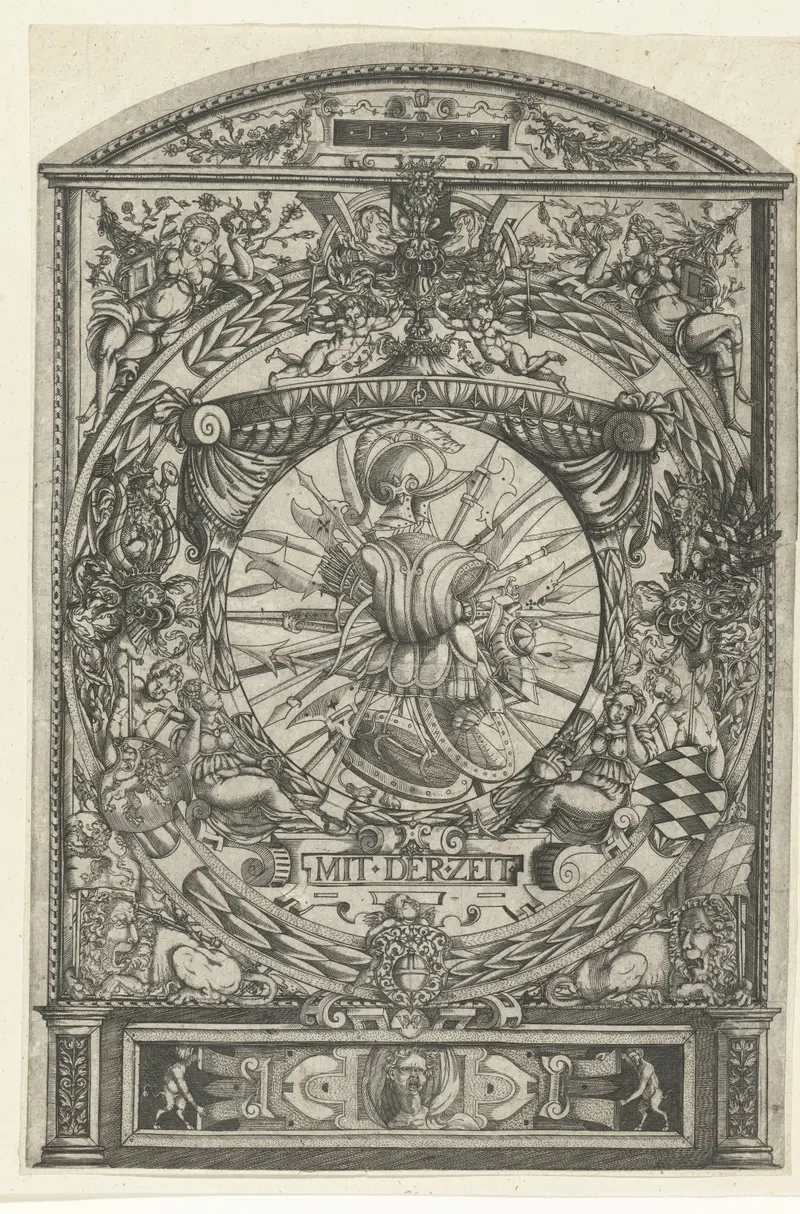
German, 1450–1520
Hieronymus Wechinger was a German painter and printmaker active during the late 15th and early 16th centuries. He is known for his contributions to the Northern Renaissance, particularly in the realm of religious art. Wechinger was born in 1450 in Nuremberg, Germany. He trained under the influential artist Michael Wolgemut, who was a significant figure in the development of German painting at the time. Wechinger's career flourished as he became known for his detailed and expressive works, often depicting biblical scenes and saints. His style is characterized by a meticulous attention to detail and a vibrant use of color, which were hallmarks of the Northern Renaissance. Major works attributed to Wechinger include altarpieces and woodcuts that reflect both his technical skill and his deep engagement with religious themes. He is considered a significant figure in the evolution of German art during this period, bridging the transition from Gothic to Renaissance styles. Wechinger passed away in 1520, leaving behind a legacy that influenced subsequent generations of artists in Germany.
1 artwork