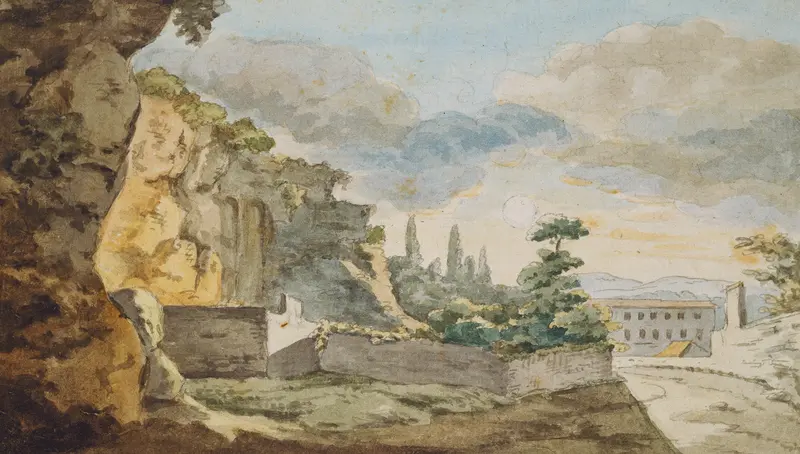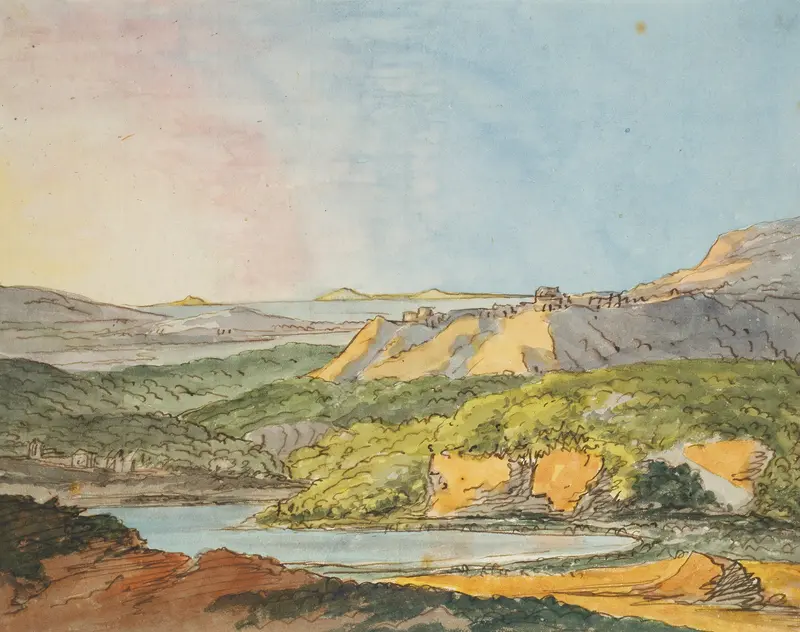
German, 1749–1832
Johann Wolfgang von Goethe was a German writer, statesman, and naturalist, widely regarded as one of the greatest figures in Western literature. He was born on August 28, 1749, in Frankfurt am Main, Germany, and died on March 22, 1832, in Weimar, Germany. Goethe studied law at the University of Leipzig and later in Strasbourg, where he was influenced by the ideas of the Sturm und Drang literary movement. He began his literary career with the publication of 'Götz von Berlichingen' in 1773 and gained fame with his novel 'The Sorrows of Young Werther' in 1774, which became a defining work of Romantic literature. Goethe's literary output includes plays, poetry, novels, and scientific writings, with notable works such as 'Faust,' which is considered his magnum opus. His style evolved from the emotional intensity of early Romanticism to a more classical and philosophical approach in his later works. Goethe's significance lies in his profound influence on literature, philosophy, and the arts, as well as his contributions to the understanding of human nature and the natural world.
2 artworks