
Italian
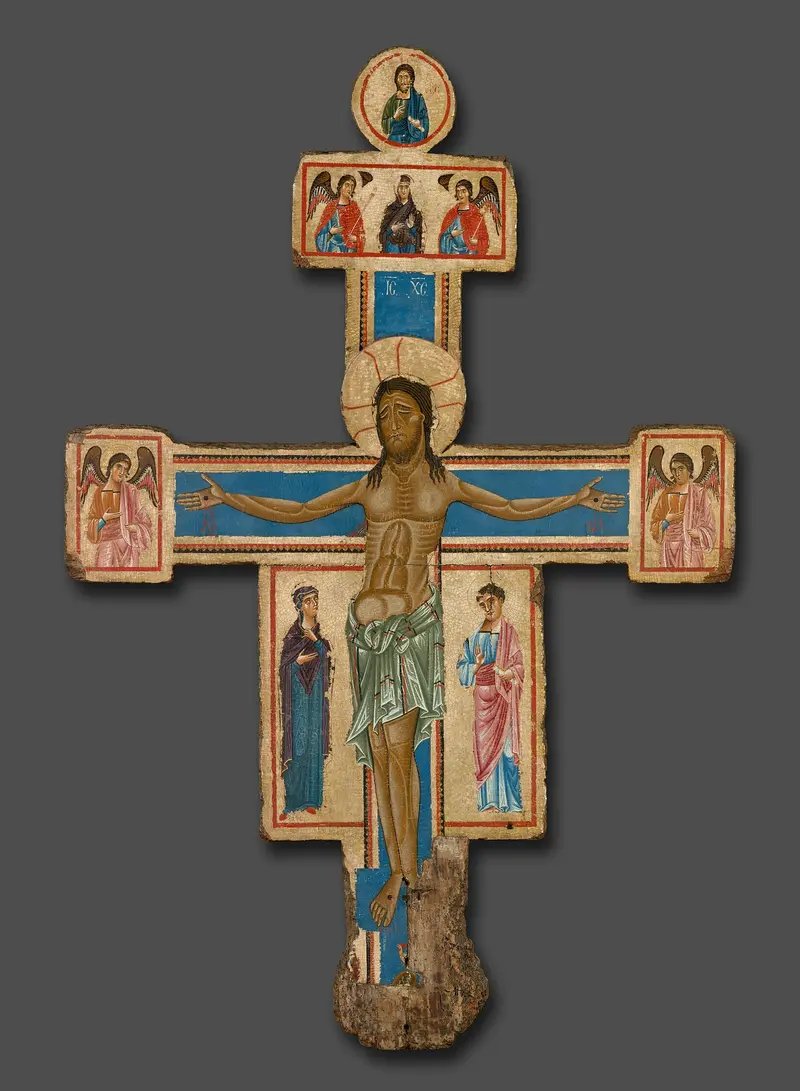
The Master of the Bigallo Crucifix is an anonymous Italian painter active during the late 13th century. He is primarily known for his work on the Bigallo Crucifix, which is a significant example of Gothic art in Florence. Little is known about his life, including his exact birth and death dates, but his contributions to the early Renaissance period are recognized for their stylistic innovations and emotional depth. The Master likely trained in the workshops of prominent Florentine artists of the time, which influenced his distinctive style that combines elements of Byzantine tradition with emerging Gothic aesthetics. His works are characterized by their vivid colors, intricate details, and a focus on religious themes, reflecting the spiritual fervor of the period. The Bigallo Crucifix remains one of his most notable works, showcasing his skill in depicting the human form and conveying profound religious sentiment. His significance lies in his role in the transition from medieval to Renaissance art in Italy, marking a pivotal moment in the evolution of Western art.
1 artwork