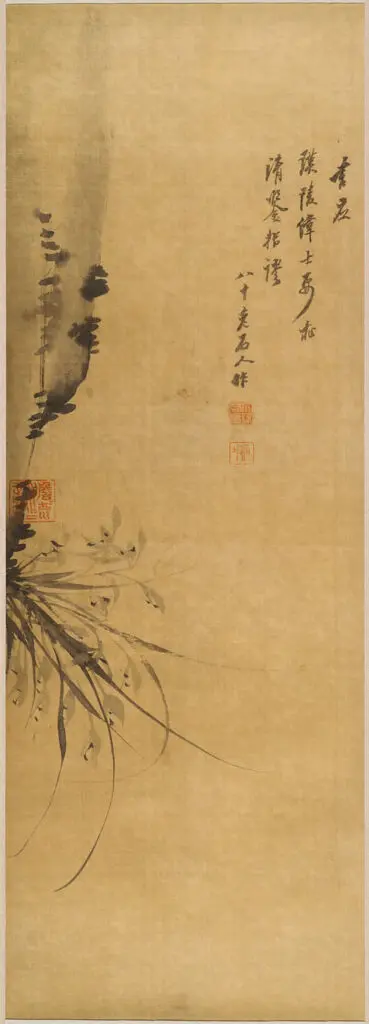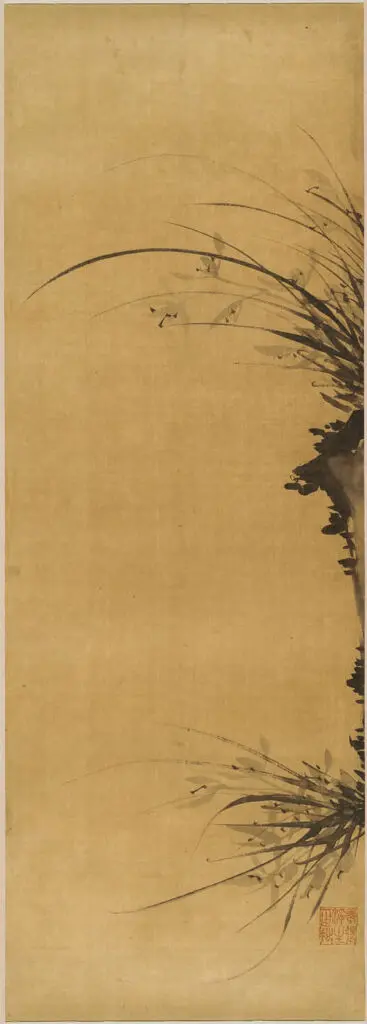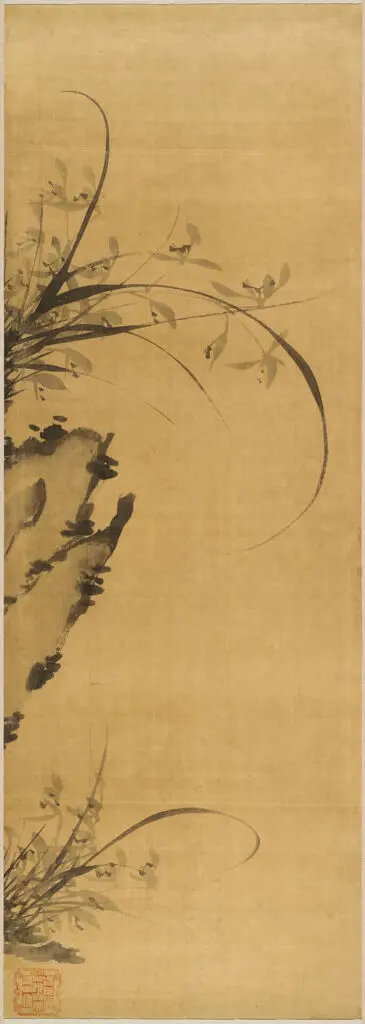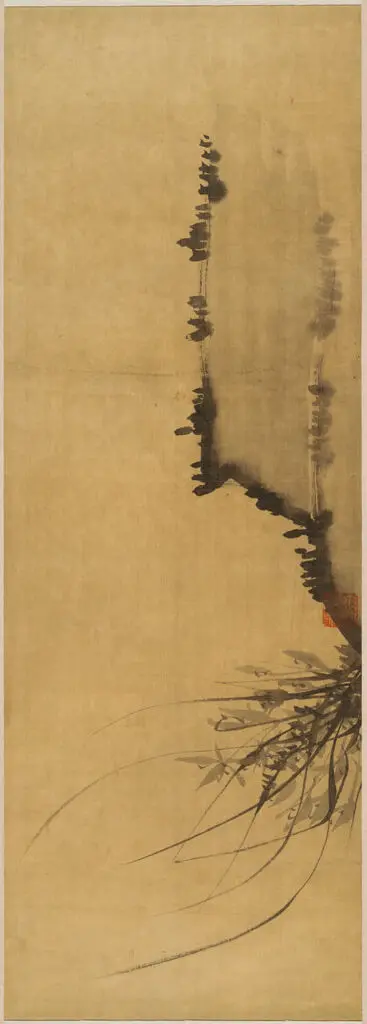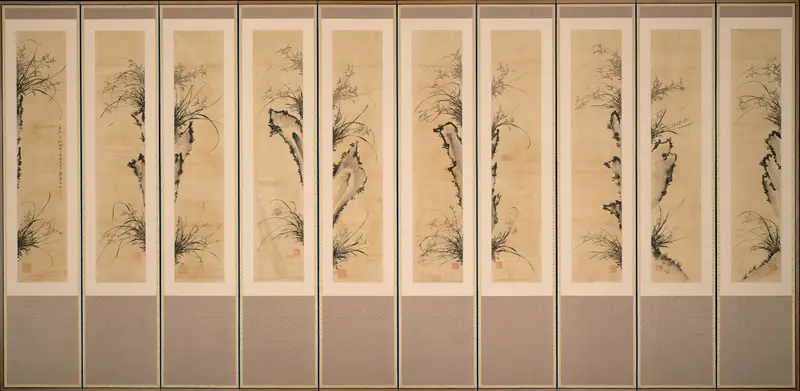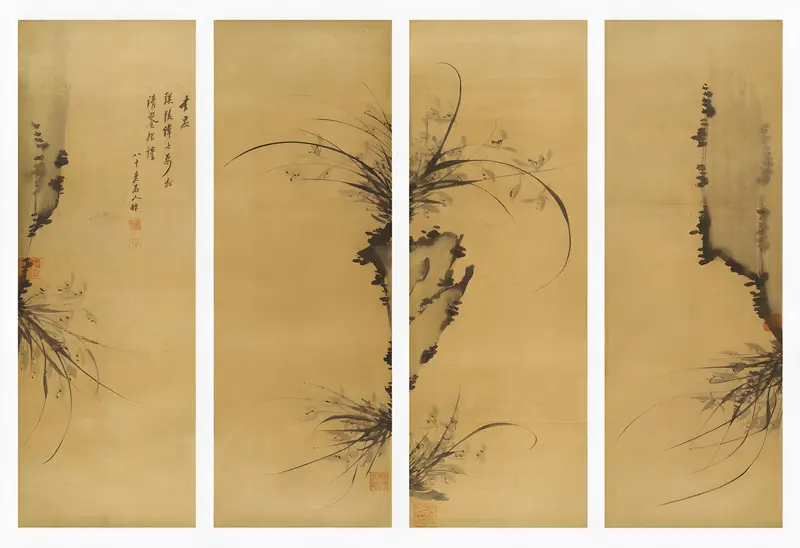
Korean, 1820–1898
Yi Ha-ŭng, also known as Taewŏn’gun, was a Korean artist and political figure. He is recognized for his contributions to Korean art and culture during the late Joseon Dynasty. Yi was born in 1820 and died in 1898. He was a member of the ruling class and played a significant role in the modernization of Korea during his time. Yi Ha-ŭng was trained in traditional Korean painting and calligraphy, which influenced his artistic style. His works often depicted historical themes and landscapes, reflecting the socio-political context of his era. Yi's significance lies in his dual role as an artist and a reformist leader, as he sought to strengthen the Korean state against foreign influence and promote cultural identity.
6 artworks