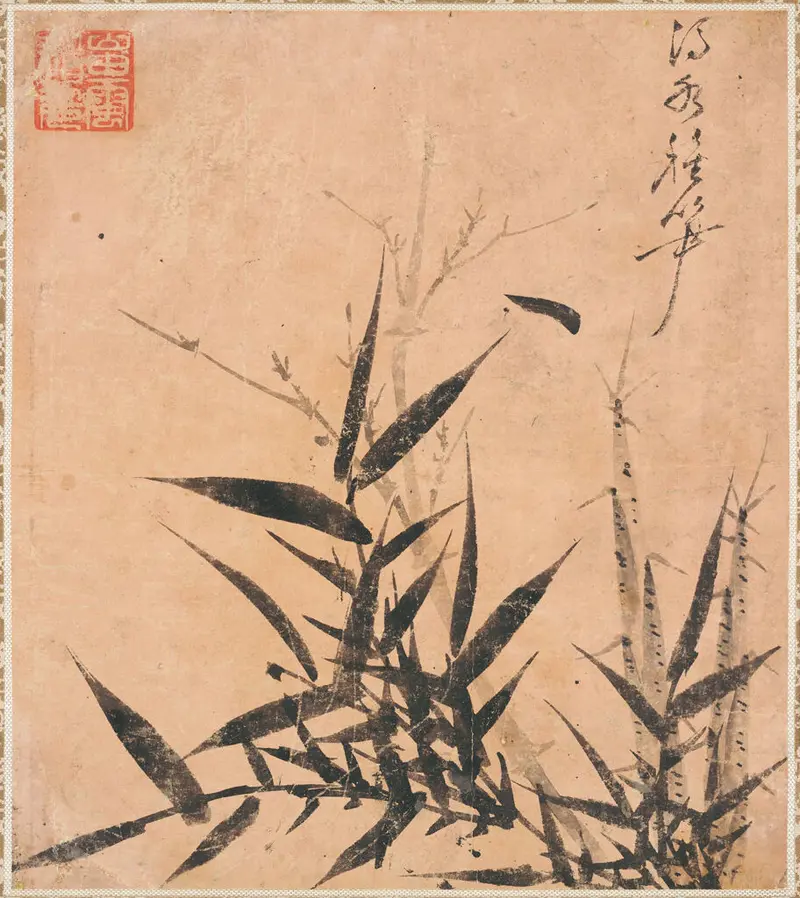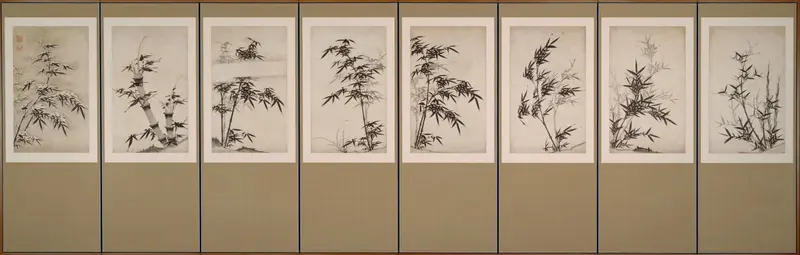
Korean, 1864
Yu Tŏk-chang, also known as Su-un and Ka-san-ŭng, was a Korean painter active during the late 19th and early 20th centuries. He is recognized for his contributions to traditional Korean painting and is considered a significant figure in the development of modern Korean art. Born in 1864 in the Hwanghae Province of Korea, Yu trained in traditional Korean painting techniques, focusing on the genres of landscape and figure painting. His works often reflect the aesthetics and themes of Korean culture, blending traditional styles with a more contemporary approach. Yu's major works include landscapes that capture the beauty of the Korean countryside and portraits that depict the daily lives of Korean people. He played a crucial role in preserving and promoting Korean artistic traditions during a time of significant social and political change in Korea, making him an important figure in the history of Korean art.
2 artworks