18 plates of ornamental tiles from the Afghan Boundary Commission Pl 13 — History & Facts
In the delicate interplay of shadow and light, whispers of history beckon the viewer to explore deeper narratives woven within the intricate designs of ornamental tiles. Look to the center; there, a tapestry of geometric patterns unfolds, inviting you to trace the symmetries with your gaze. The vibrant hues—deep blues, warm ochres, and soft whites—dance together, their contrasts heightened by gentle shadows that accentuate the contours of each tile. Notice how the meticulous craftsmanship captures not only beauty but also a sense of cultural richness, each detail echoing the complexities of a shared heritage. Hidden within the repetition of motifs lies a story of convergence and divergence.
The tiles speak of contrasts: tradition versus modernity, simplicity against intricacy, and the ephemeral nature of art in the face of time’s relentless passage. Each design, seemingly static, vibrates with the energy of those who once touched them, encapsulating a moment where personal histories intertwine with broader narratives of identity and belonging. In 1884, the Afghan Boundary Commission crafted these tiles during a period of intense political and social change in the region. As they documented territorial boundaries, the artists found solace in their work, channeling the tensions of their time into these ornamental creations.
The blending of artistic expression with the realities of diplomacy reflects an era where art became both a tool and a refuge, revealing the complexities of a nation in transition.
More Artworks by Afghan Boundary Commission
Browse all →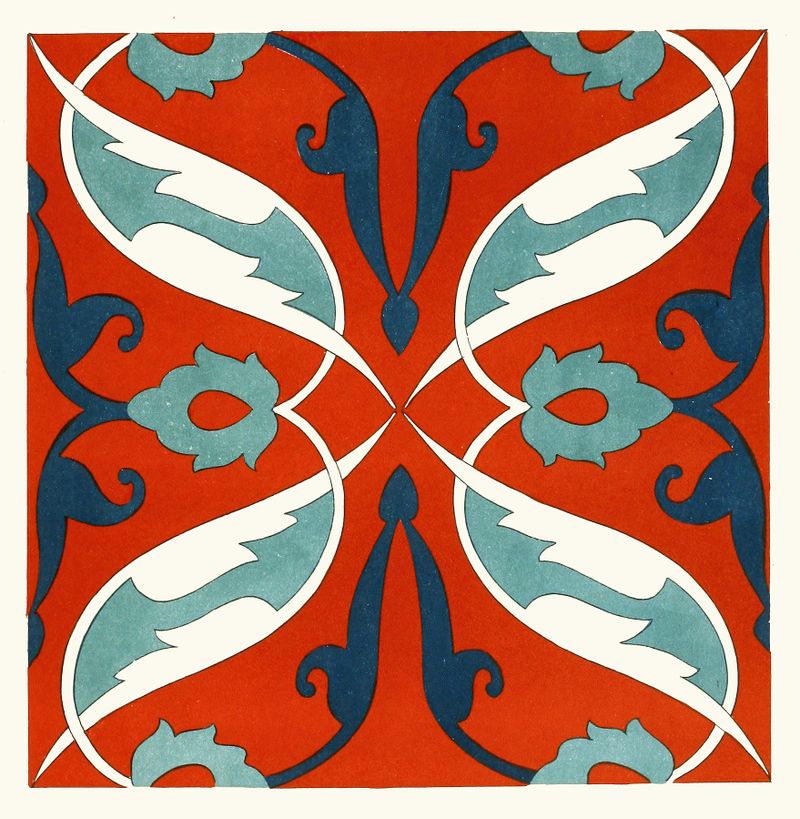
18 plates of ornamental tiles from the Afghan Boundary Commission Pl 07
Afghan Boundary Commission
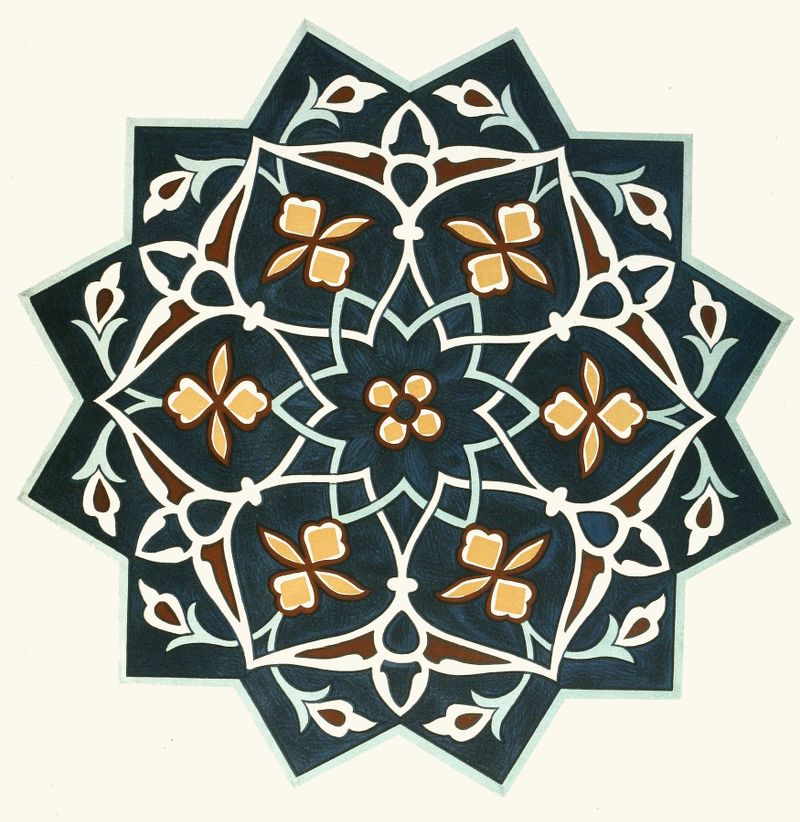
18 plates of ornamental tiles from the Afghan Boundary Commission Pl 02
Afghan Boundary Commission
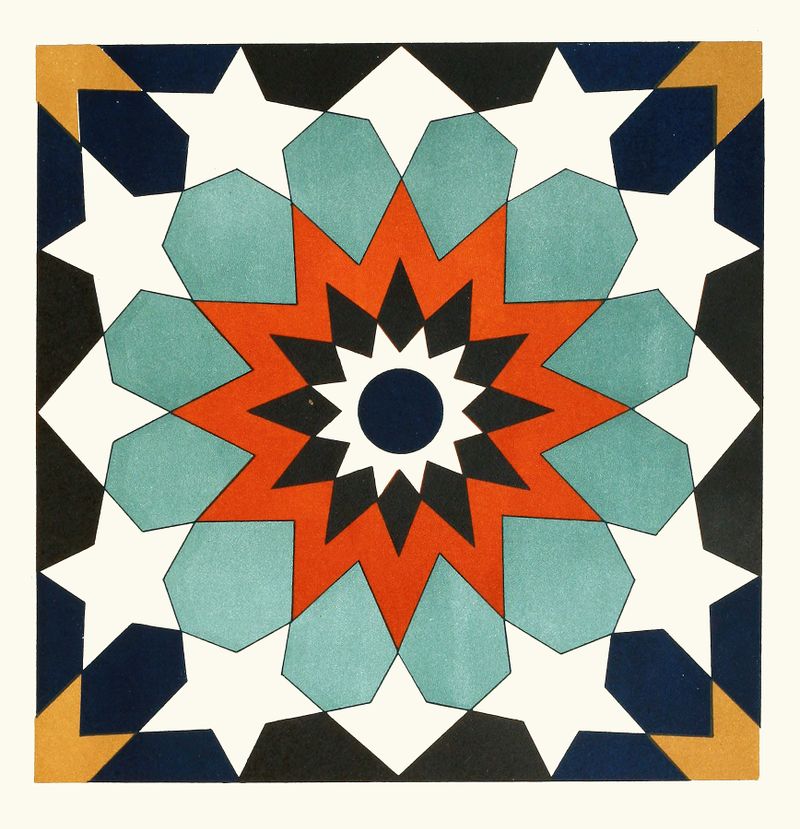
18 plates of ornamental tiles from the Afghan Boundary Commission Pl 04
Afghan Boundary Commission
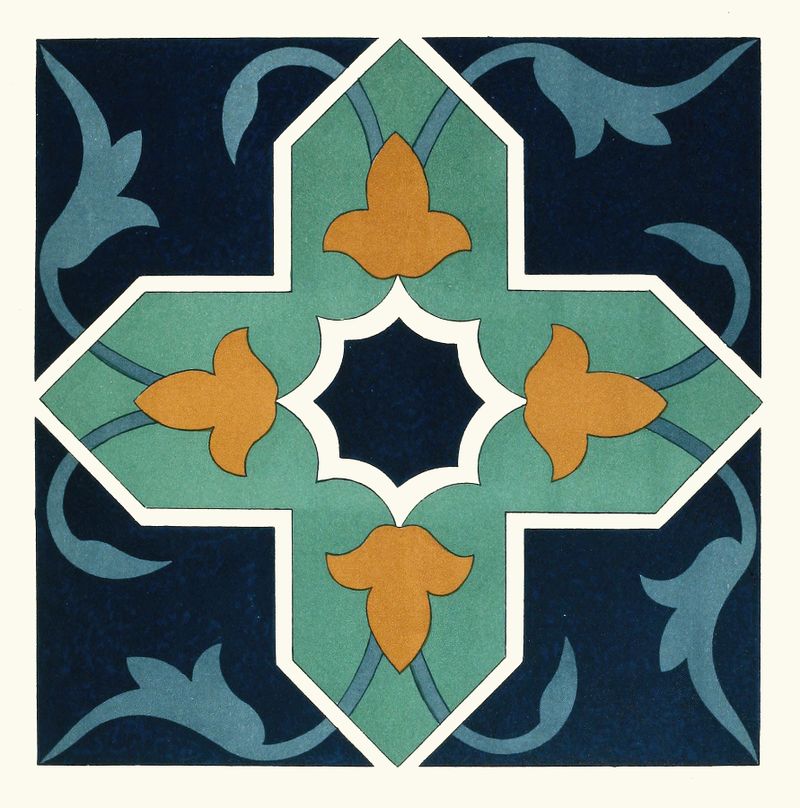
18 plates of ornamental tiles from the Afghan Boundary Commission Pl 06
Afghan Boundary Commission
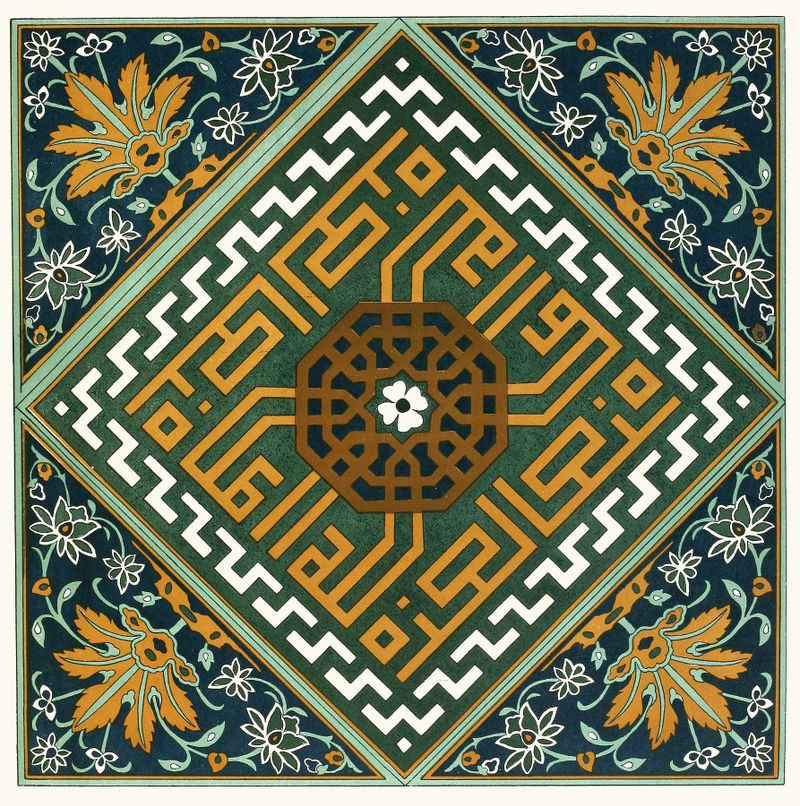
18 plates of ornamental tiles from the Afghan Boundary Commission Pl 11
Afghan Boundary Commission
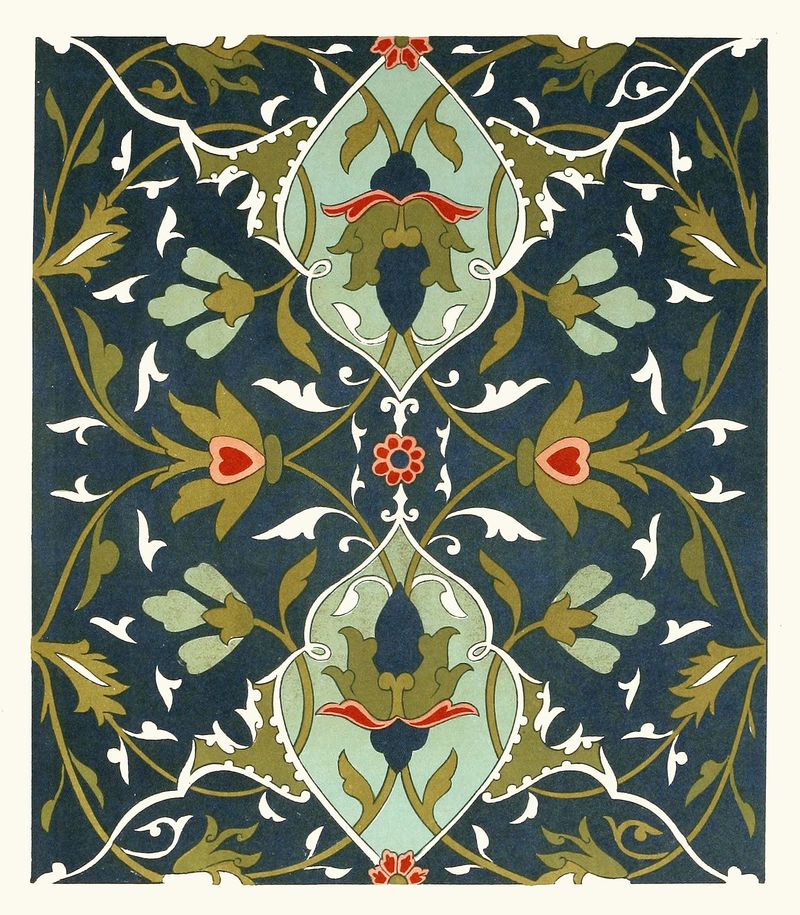
18 plates of ornamental tiles from the Afghan Boundary Commission Pl 10
Afghan Boundary Commission
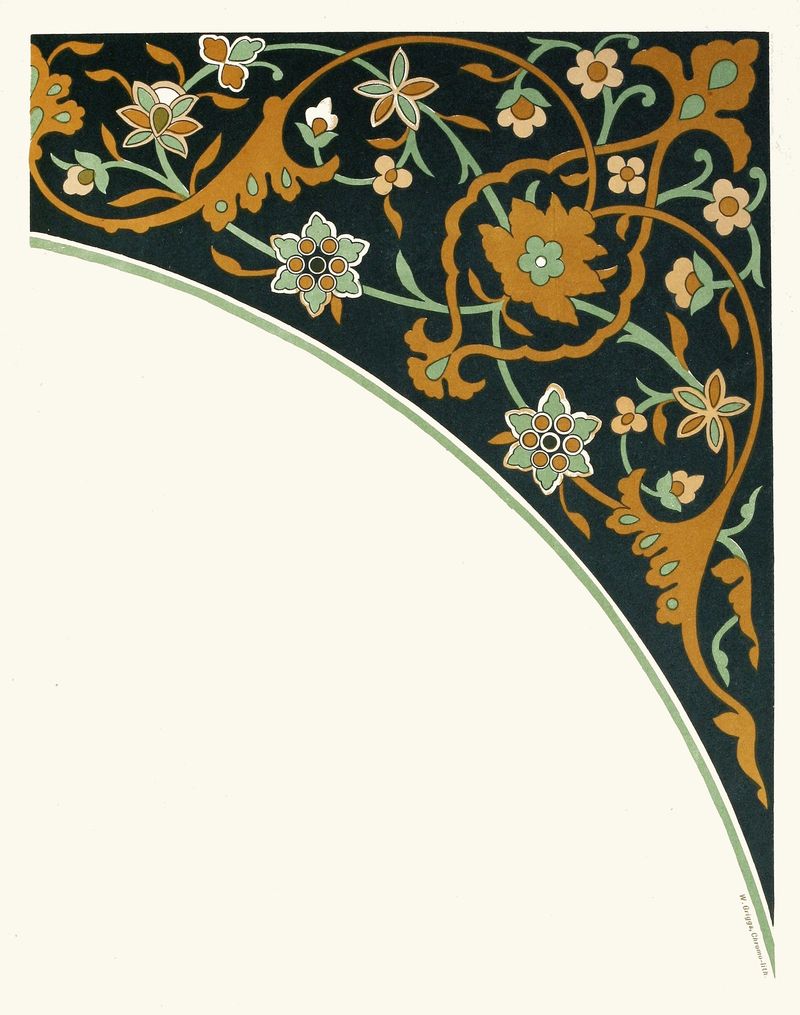
18 plates of ornamental tiles from the Afghan Boundary Commission Pl 16
Afghan Boundary Commission
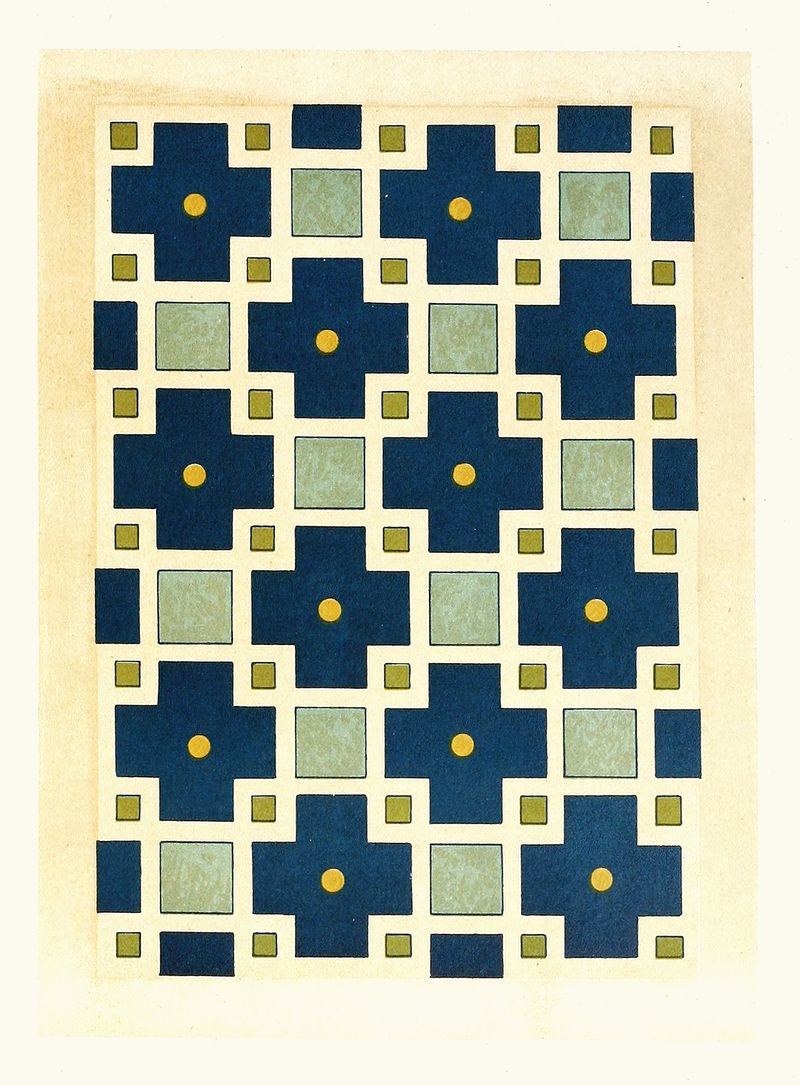
18 plates of ornamental tiles from the Afghan Boundary Commission Pl 18
Afghan Boundary Commission
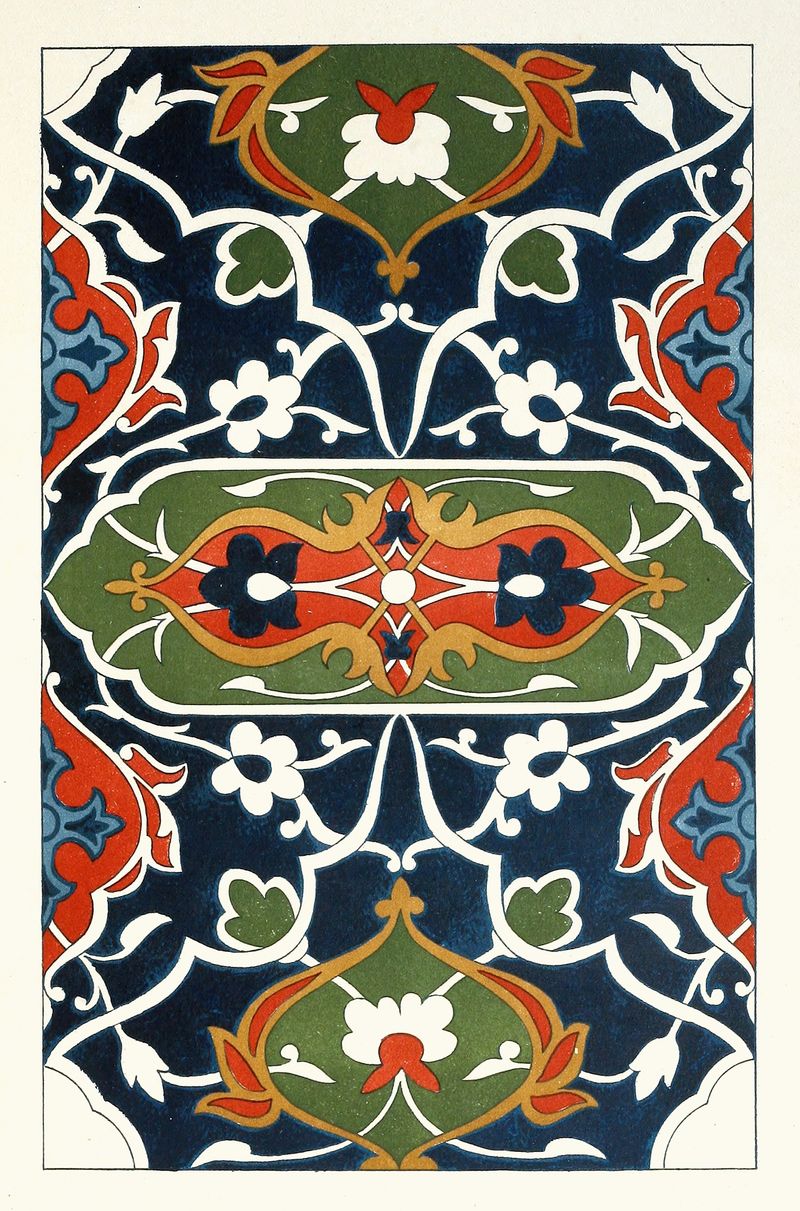
18 plates of ornamental tiles from the Afghan Boundary Commission Pl 17
Afghan Boundary Commission
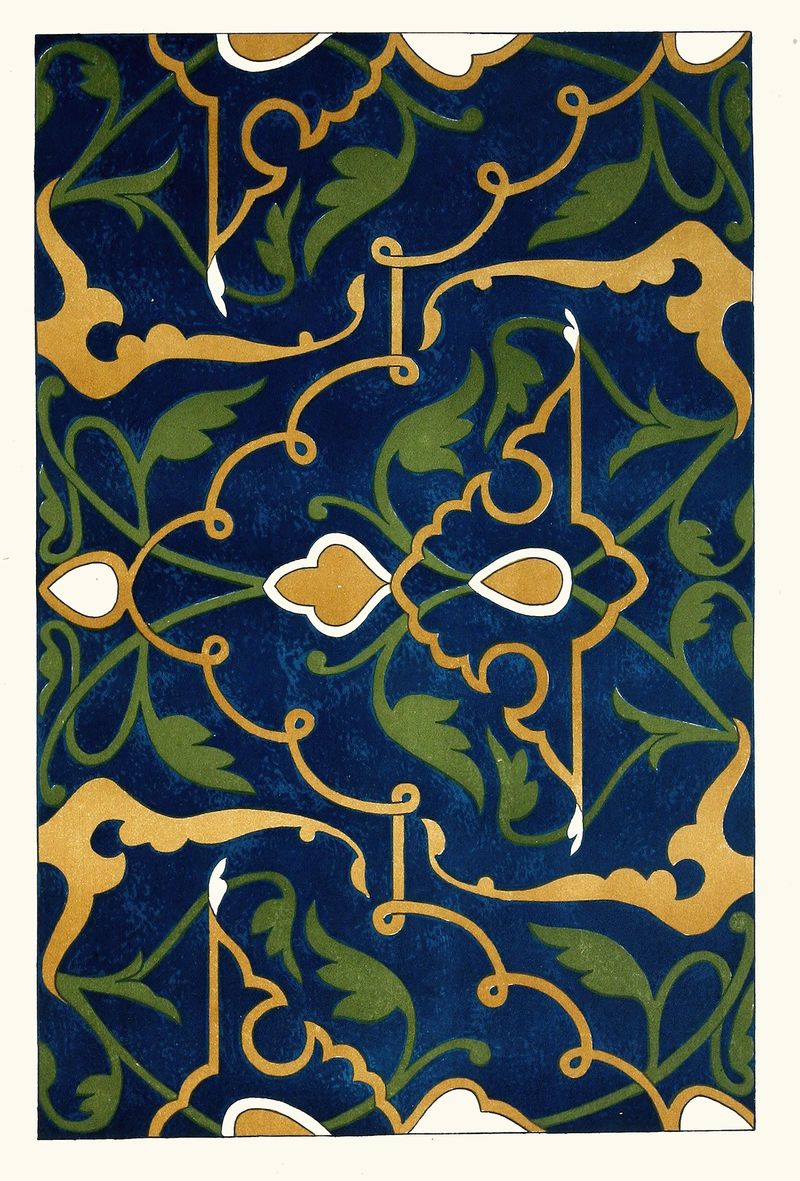
18 plates of ornamental tiles from the Afghan Boundary Commission Pl 15
Afghan Boundary Commission