18 plates of ornamental tiles from the Afghan Boundary Commission Pl 17 — History & Facts
What secret hides in the quiet of the canvas? Beneath the intricate patterns of these ornamental tiles lies a whisper of cultural exchange, history, and the quest for truth. Look closely at the vibrant geometric patterns that weave together in a tapestry of color. The warm ochres and deep blues invite the viewer to trace their symmetry, guiding the eye from one tile to the next, revealing the meticulous craftsmanship of each design. Notice how the careful arrangement creates a rhythm that feels both chaotic and harmonious, echoing the complex relationships between cultures at the time.
Each tile, like a note in a larger symphony, contributes to a story waiting to be unveiled. The tiles embody more than mere decoration; they reflect a moment when boundaries—literal and metaphorical—were being redrawn. Each motif holds cultural significance, hinting at the rich heritage of the region. The interplay between symmetry and the organic shapes suggests a tension between order and chaos, evoking a deeper narrative of coexistence and conflict.
In this way, the tiles become a symbol of the intricate dance of diplomacy, heritage, and identity. In 1884, the Afghan Boundary Commission was engaged in the delicate task of delineating borders in a tumultuous period of colonial expansion. Created during this pivotal moment, these ornamental tiles serve as tangible reminders of the artistic and cultural intersections that occurred amidst political strife. During this time, the artist and the commission were navigating the complexities of identity and sovereignty, embedding layers of meaning into what might seem like mere decoration.
More Artworks by Afghan Boundary Commission
Browse all →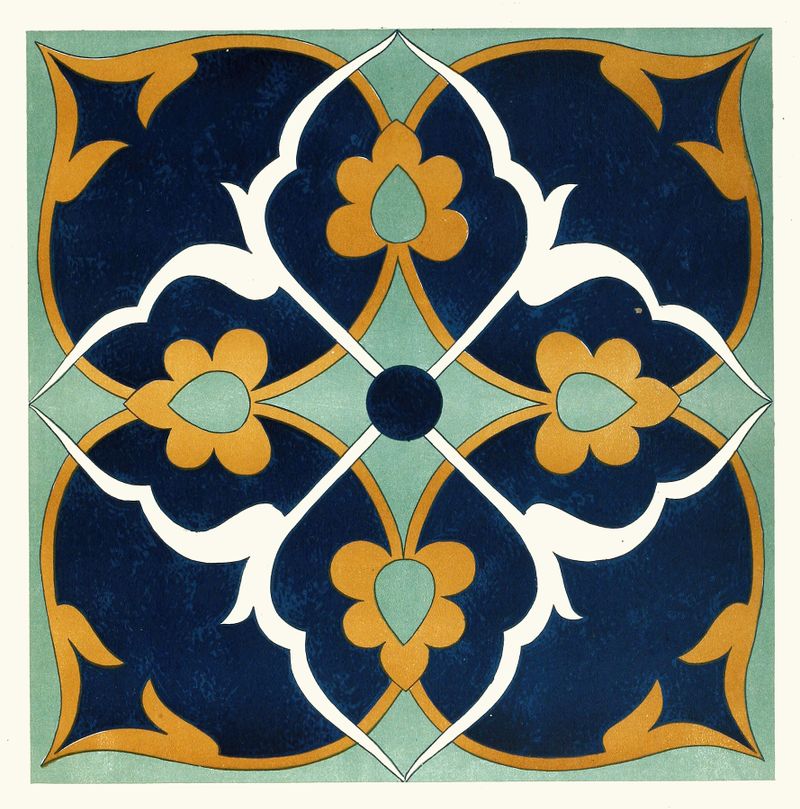
18 plates of ornamental tiles from the Afghan Boundary Commission Pl 13
Afghan Boundary Commission
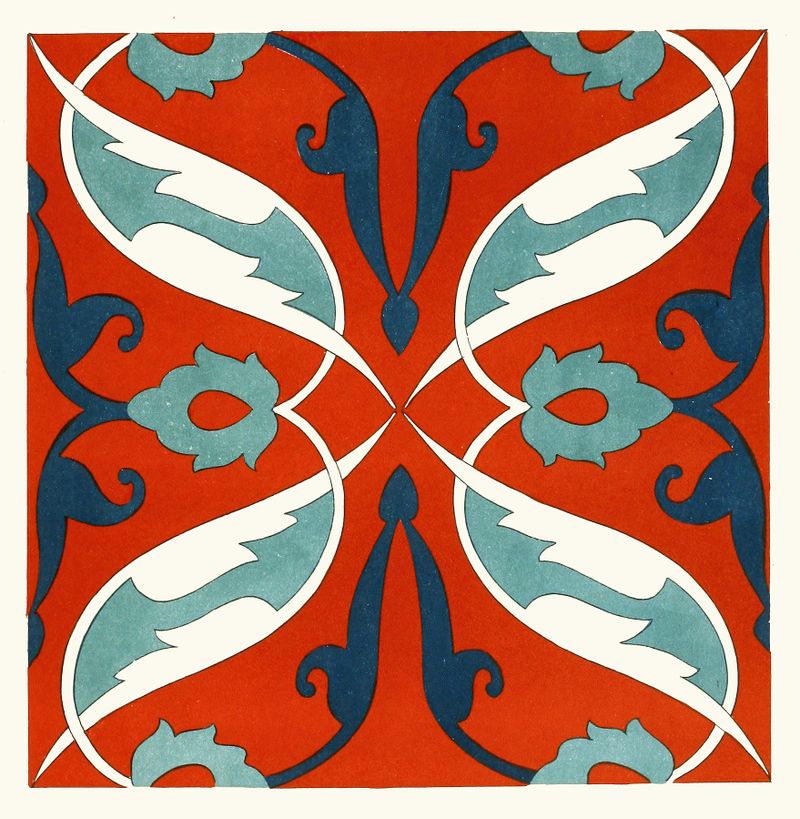
18 plates of ornamental tiles from the Afghan Boundary Commission Pl 07
Afghan Boundary Commission
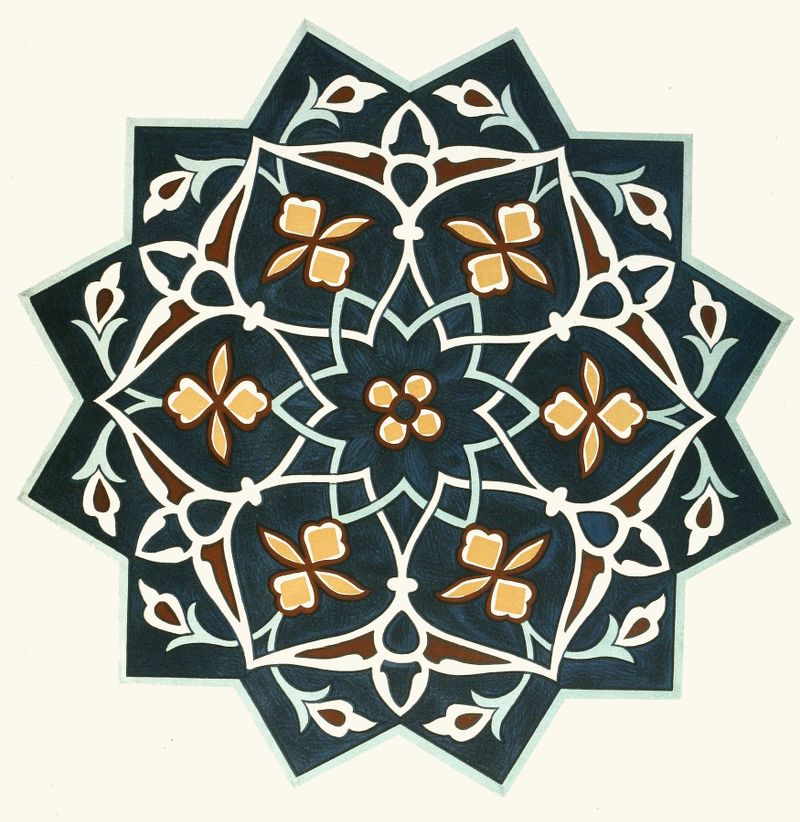
18 plates of ornamental tiles from the Afghan Boundary Commission Pl 02
Afghan Boundary Commission
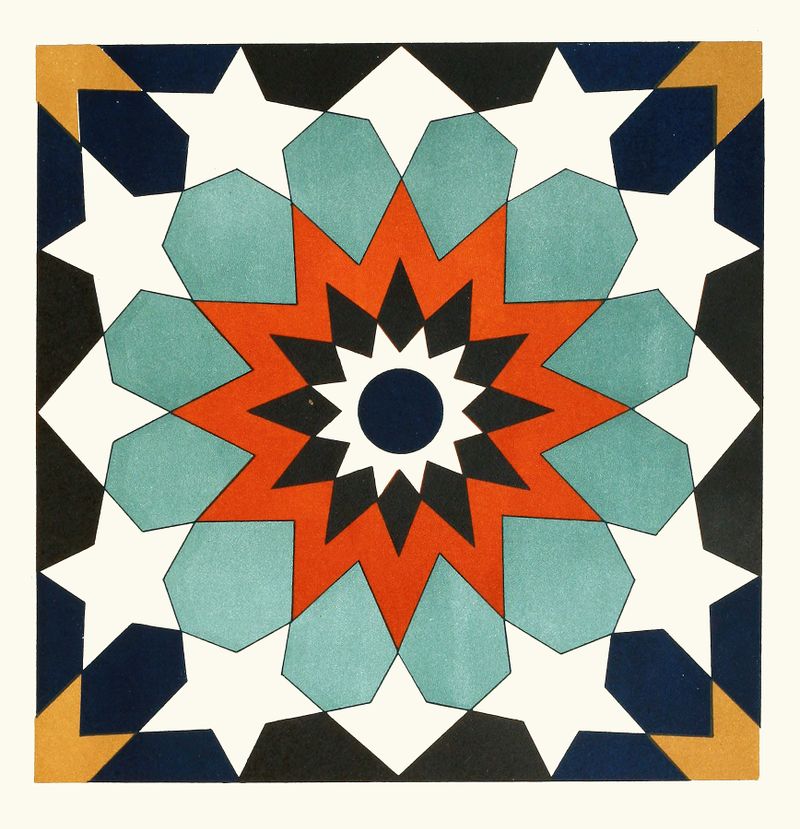
18 plates of ornamental tiles from the Afghan Boundary Commission Pl 04
Afghan Boundary Commission
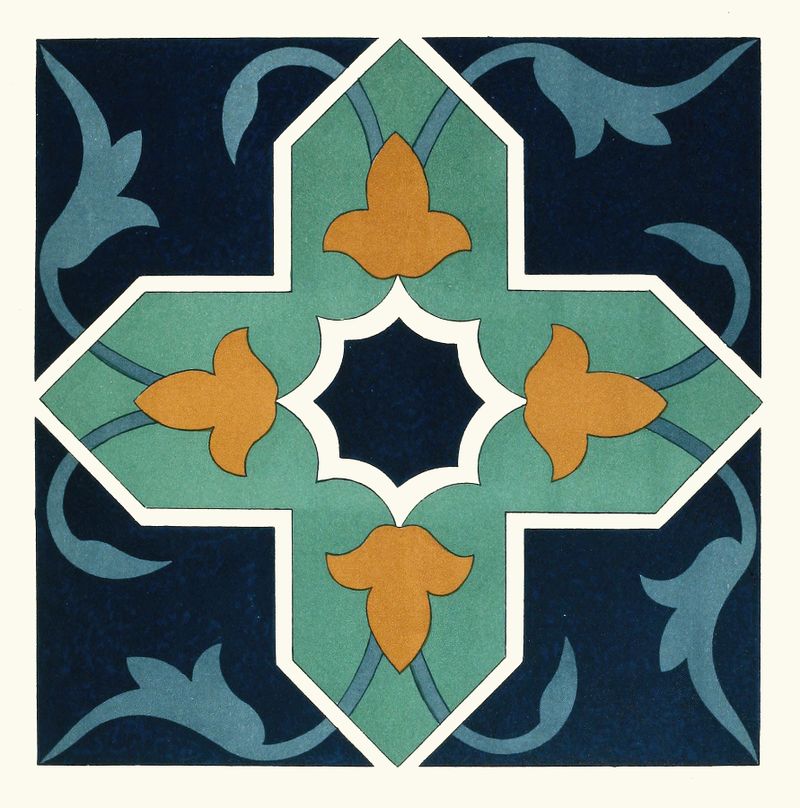
18 plates of ornamental tiles from the Afghan Boundary Commission Pl 06
Afghan Boundary Commission
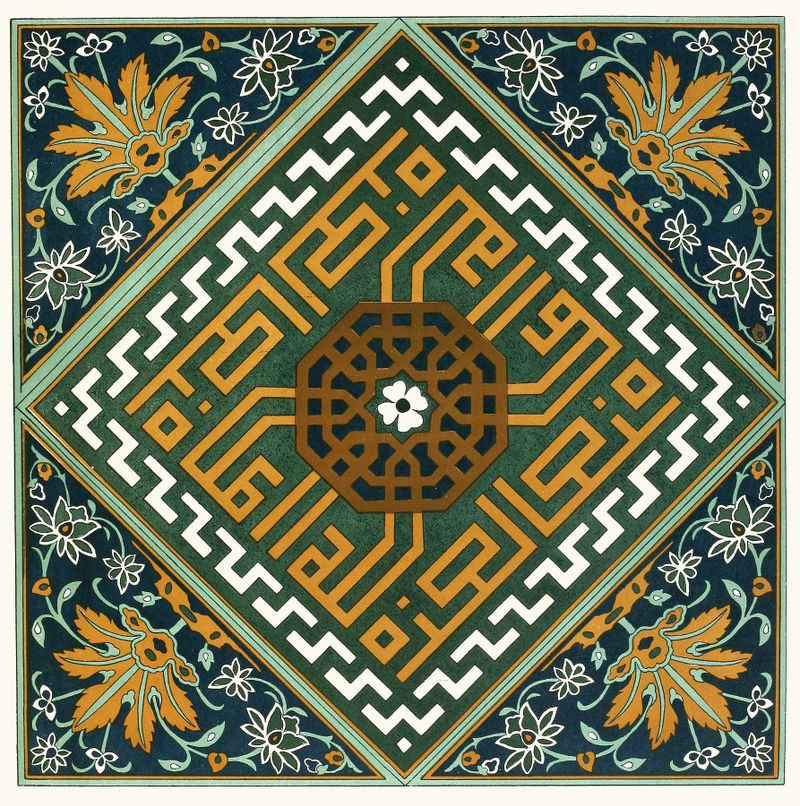
18 plates of ornamental tiles from the Afghan Boundary Commission Pl 11
Afghan Boundary Commission
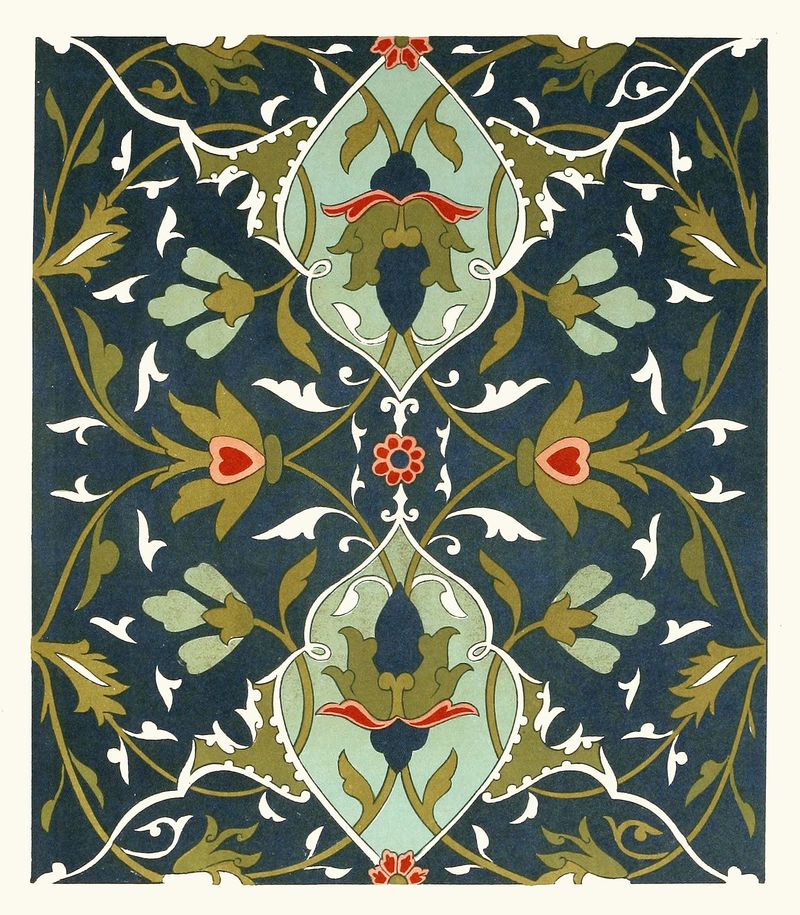
18 plates of ornamental tiles from the Afghan Boundary Commission Pl 10
Afghan Boundary Commission
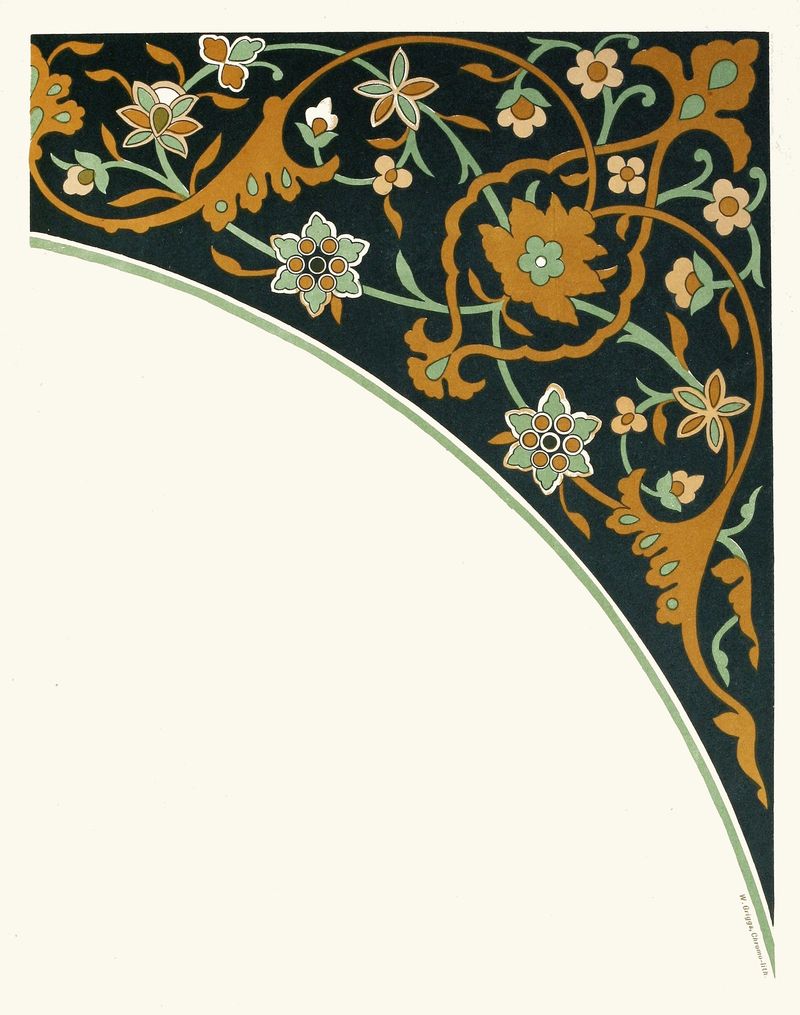
18 plates of ornamental tiles from the Afghan Boundary Commission Pl 16
Afghan Boundary Commission
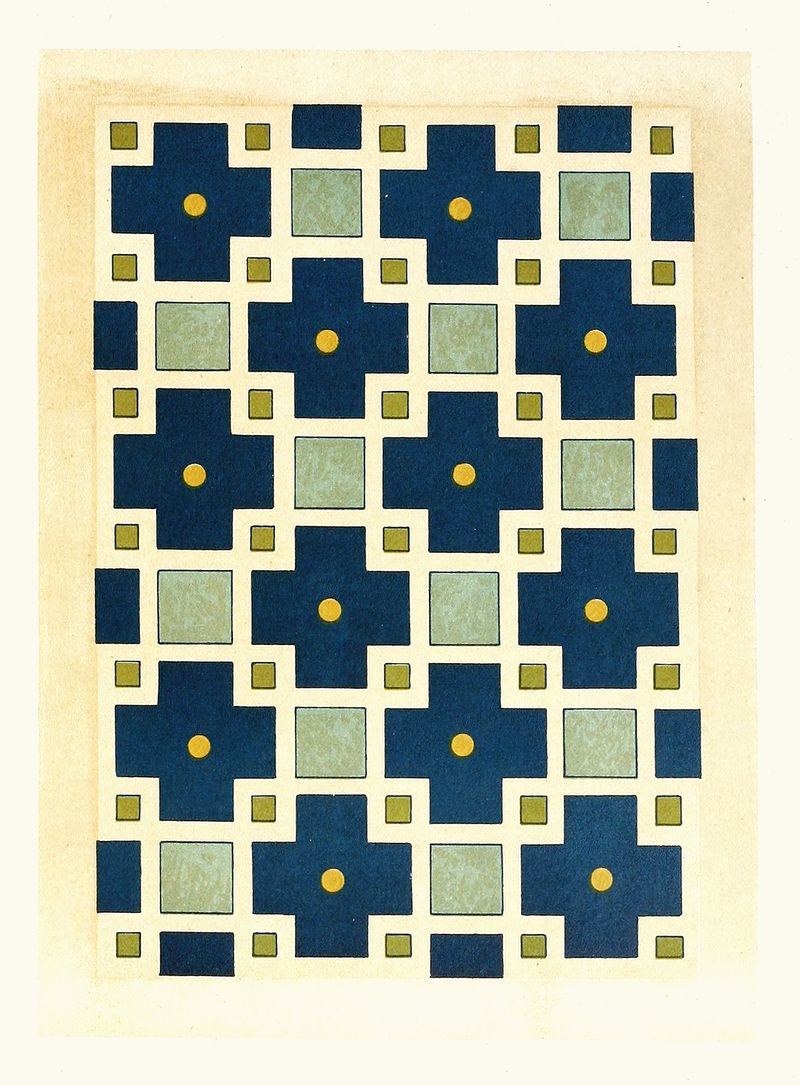
18 plates of ornamental tiles from the Afghan Boundary Commission Pl 18
Afghan Boundary Commission
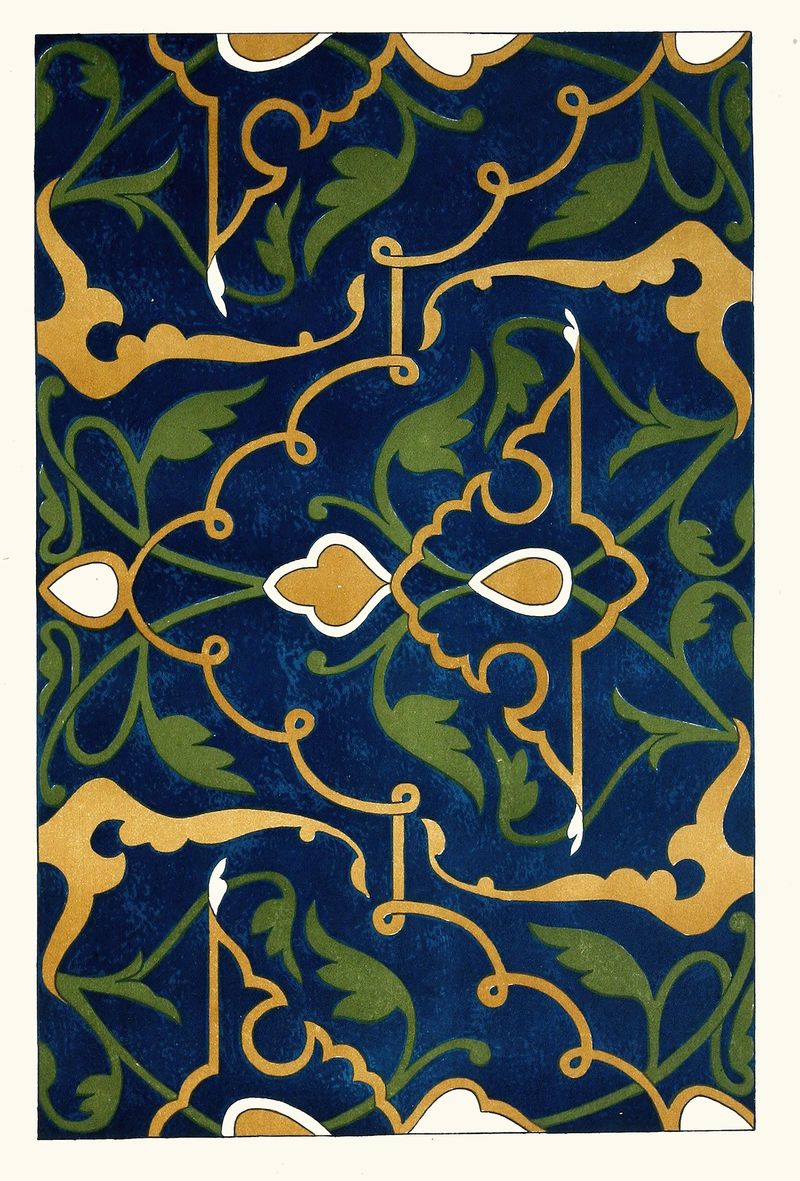
18 plates of ornamental tiles from the Afghan Boundary Commission Pl 15
Afghan Boundary Commission