A Farm, Summer — History & Facts
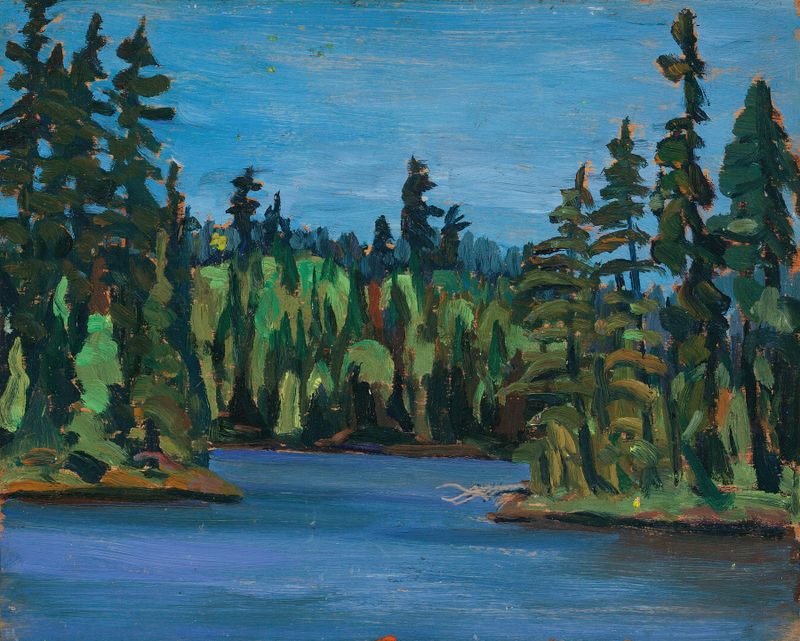
Is this a mirror — or a memory? The question resonates in the serene expanse of summer fields, where idyllic beauty masks deeper emotional reverberations. Look to the foreground, where lush grasses dance under the warm embrace of sunlight. The palette is vibrant, infused with rich greens and soft yellows, inviting the eye to wander across the landscape. Notice how the light falls upon the delicate petals of wildflowers, each brushstroke almost like a whisper, detailing the fleeting essence of summer.
The horizon, painted in gentle blues and whites, creates a breathtaking backdrop that promises tranquility, yet hints at the tempest lurking beneath the surface. The composition is a study in contrasts, where the innocence of rural life collides with a sense of vulnerability. Each element, from the flourishing crops to the expansive sky, represents both abundance and the potential for loss. The viewer may feel an underlying tension, as the vibrant colors might evoke nostalgia, while the expansive emptiness of the fields leaves an unsettling sense of isolation.
This interplay suggests a world that is both picturesque and fraught with silent betrayals, leaving one to ponder what lies beneath the surface beauty. In creating A Farm, Summer, Banting likely drew upon his experiences in the early 20th century, a time marked by rapid social change and introspection. Although the exact date of this work remains unknown, it exemplifies his ability to merge art and emotion in a transformative way. Banting, most known for his groundbreaking medical research, stepped into the realm of visual art during a period of personal and professional exploration, reflecting a world that was as complex as it was idyllic.