
A Home in the Wilderness — History & Facts
Where does light end, and longing begin? In the vast embrace of nature, one can sense the delicate dance between solitude and serenity. Look to the horizon, where the soft, golden light spills over the undulating hills, illuminating the solitary farmhouse nestled in the wilderness. The warm hues of sunset bleed into the cool blues of the shadowed landscape, creating a striking contrast that pulls the viewer’s gaze across the canvas. Notice how the brushstrokes convey both the gentleness of the wind and the stillness of the moment, drawing attention to the tranquil home, almost as though it breathes in harmony with its surroundings. Within this peaceful vista lies a deeper tension: the juxtaposition of isolation and comfort.
The farmhouse stands as a testament to human perseverance, a sanctuary against the backdrop of nature's vastness. Yet, the encroaching shadows hint at the inevitable loneliness that such a retreat can harbor. This balance between security and solitude encapsulates a universal yearning for belonging, inviting viewers to contemplate their own relationship with nature and home. Sanford Robinson Gifford painted this work in 1866, during a period marked by the American Romantic movement, which celebrated the beauty of the natural landscape.
Living in New York at the time, he was part of a group of artists who sought to capture the sublime qualities of American scenery. This painting reflects both his personal exploration of the wilderness and the broader cultural appreciation for the untouched beauty of the American landscape in an era of rapid industrialization.
More Artworks by Sanford Robinson Gifford
Browse all →
Twilight in the Catskills
Sanford Robinson Gifford
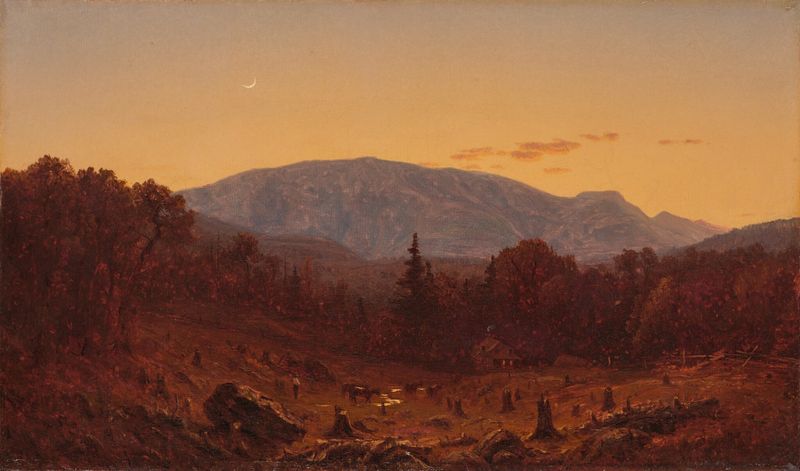
Twilight on Hunter Mountain
Sanford Robinson Gifford

Kauterskill Clove, Catskill Mountains
Sanford Robinson Gifford

Kauterskill Clove, Catskill Mountains
Sanford Robinson Gifford
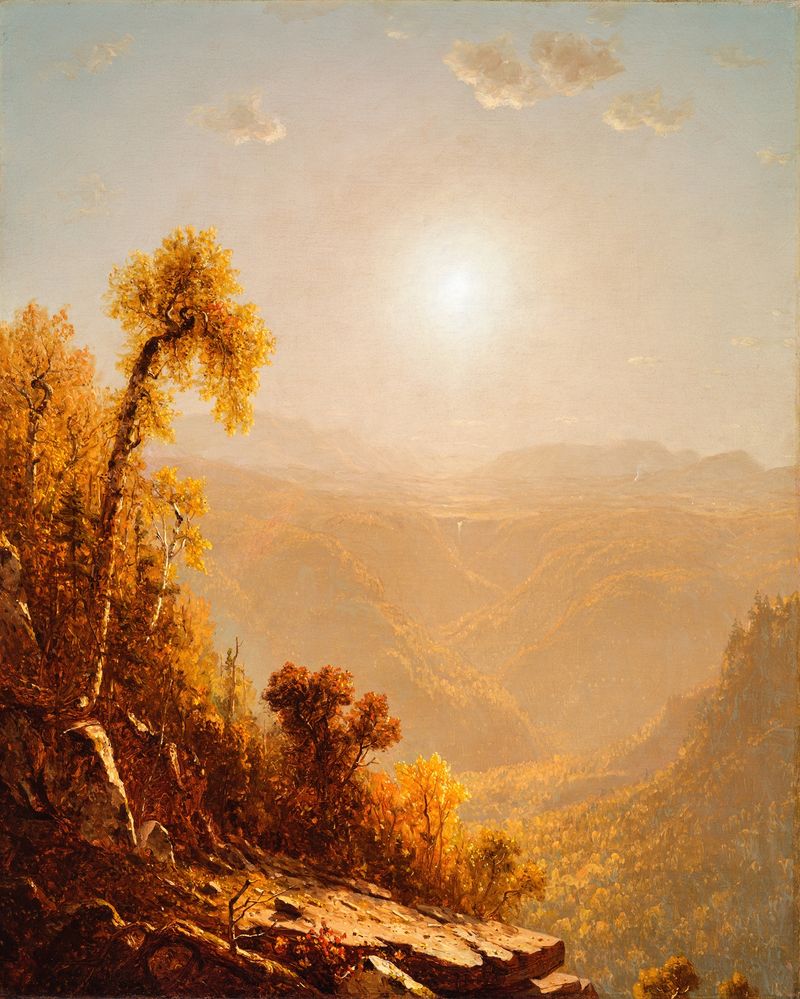
October in the Catskills
Sanford Robinson Gifford
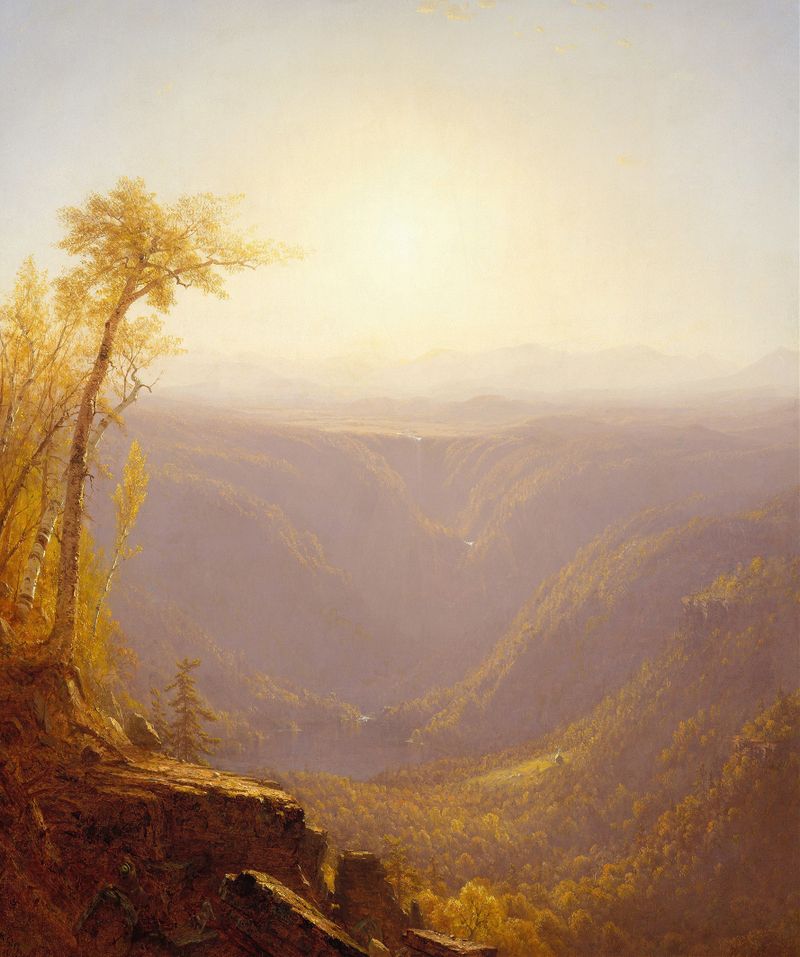
A Gorge in the Mountains (Kauterskill Clove)
Sanford Robinson Gifford
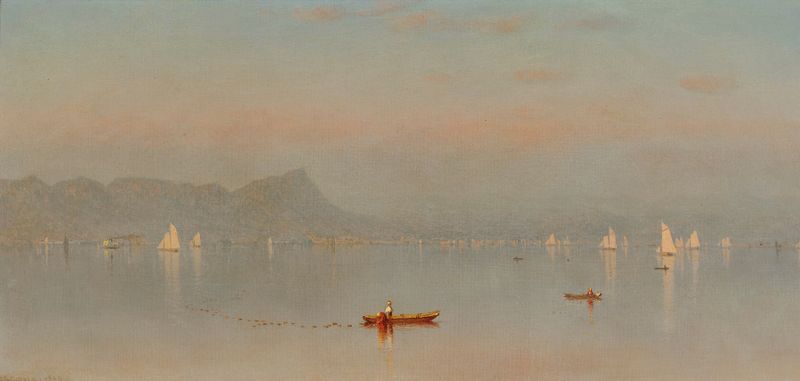
Haverstraw Bay (Shad Fishing On The Hudson)
Sanford Robinson Gifford

The Mouth of the Shrewsbury River
Sanford Robinson Gifford
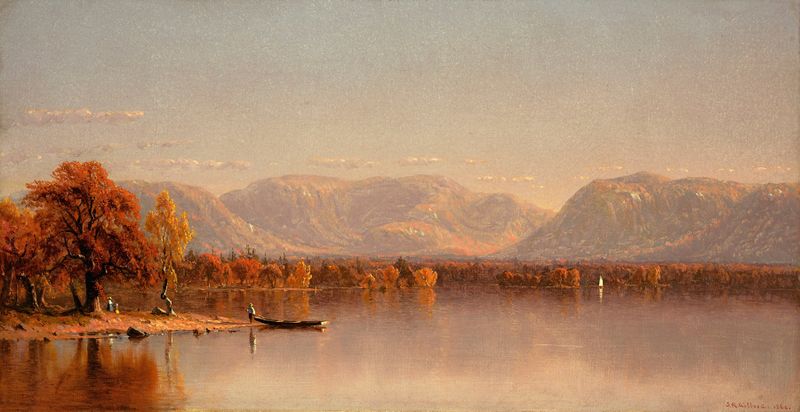
Lake Sunapee, New Hampshire
Sanford Robinson Gifford
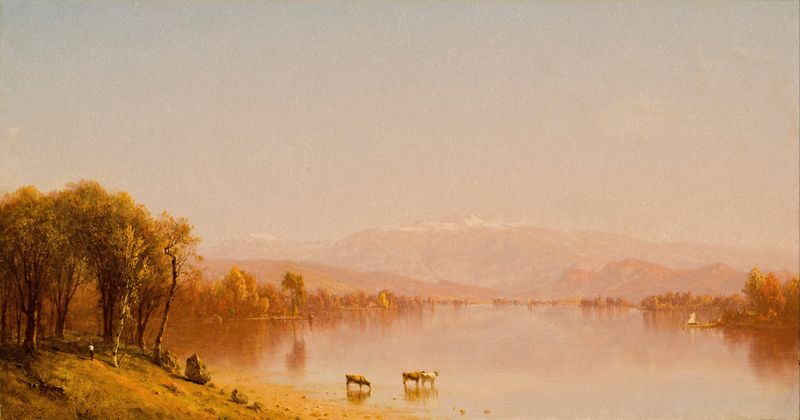
Indian Summer in the White Mountains
Sanford Robinson Gifford





