
A Moorish Citadel — History & Facts
Can beauty exist without sorrow? In A Moorish Citadel, the landscape suggests a realm where the grandeur of architecture intertwines with an underlying tension, hinting at the madness that often accompanies such splendor. Look to the left at the intricate arabesques adorning the citadel's walls, their delicate curves inviting the eye to linger. Notice how the rich, warm hues of burnt sienna and ochre contrast sharply against the cool blues of the sky, imbuing the scene with a dynamic vibrancy. The brushwork is both fluid and deliberate, guiding the viewer’s gaze through the composition while the play of light creates a sense of depth, as if the citadel is both a refuge and an enigma waiting to be unraveled. Within this artwork lie layers of meaning—each architectural detail seems to whisper of past glories and lost histories.
The stark contrast between the elegance of the structure and the barren landscape surrounding it evokes a tension between beauty and desolation. Shadows linger ominously, suggesting that within the citadel’s majesty lies an unsettling awareness of impermanence, a madness born from the weight of history. During the time A Moorish Citadel was conceived, Hercules Brabazon Brabazon was immersed in the vibrant art scene of 19th-century England, a period marked by exploration and romanticism. Though the precise date of this artwork remains undetermined, Brabazon’s travels and fascination with Moorish architecture influenced his work profoundly.
As he captured this citadel, he found inspiration in the clash of cultures and the haunting remnants of a past that still echoed through the present.
More Artworks by Hercules Brabazon Brabazon
Browse all →
Santa Maria della Salute, Venice
Hercules Brabazon Brabazon
Fish baskets, Chioggia, south of Venice
Hercules Brabazon Brabazon
Interior of an Exotic Palace
Hercules Brabazon Brabazon
Grand Canal Sunset
Hercules Brabazon Brabazon
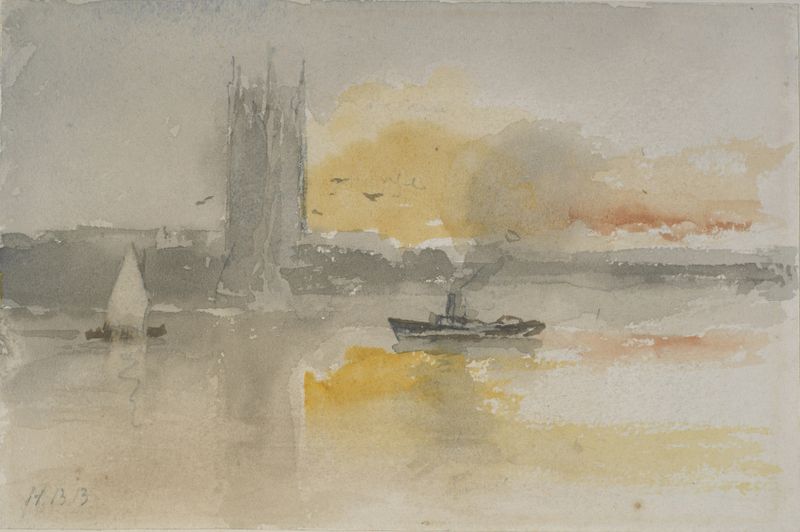
Houses of Parliament
Hercules Brabazon Brabazon
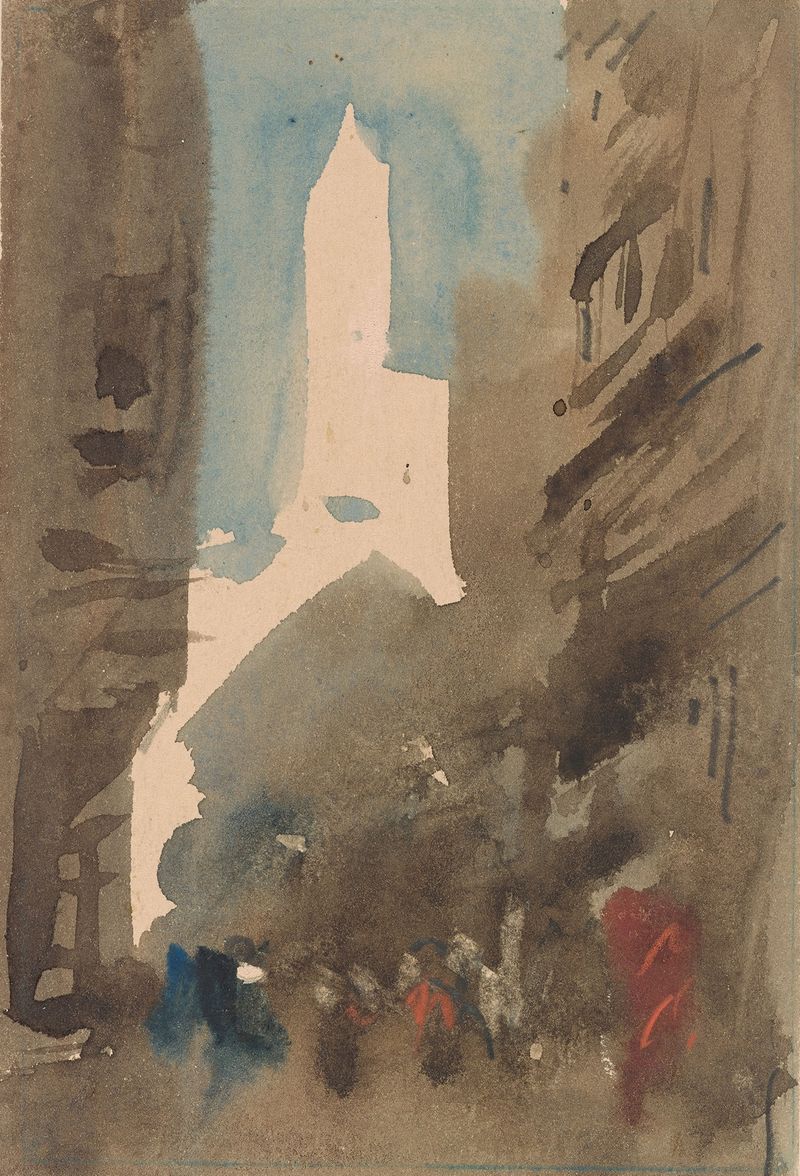
Street Scene with White Tower
Hercules Brabazon Brabazon
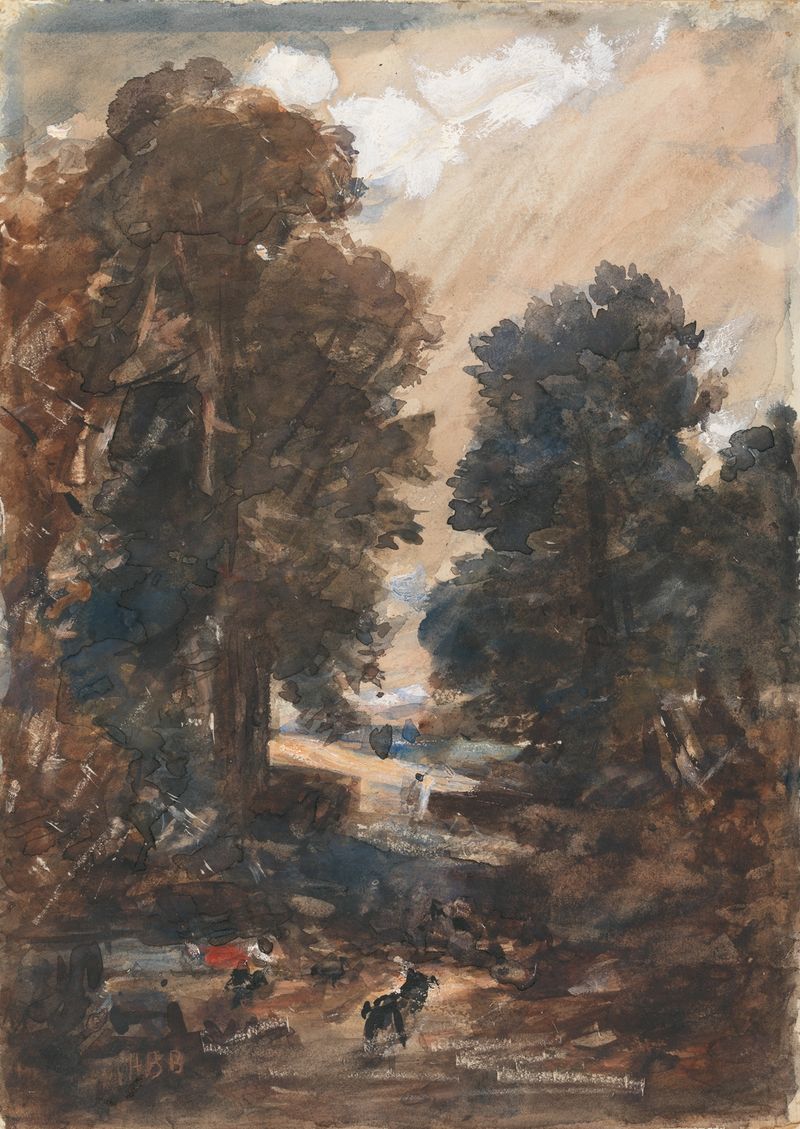
The Cornfield
Hercules Brabazon Brabazon
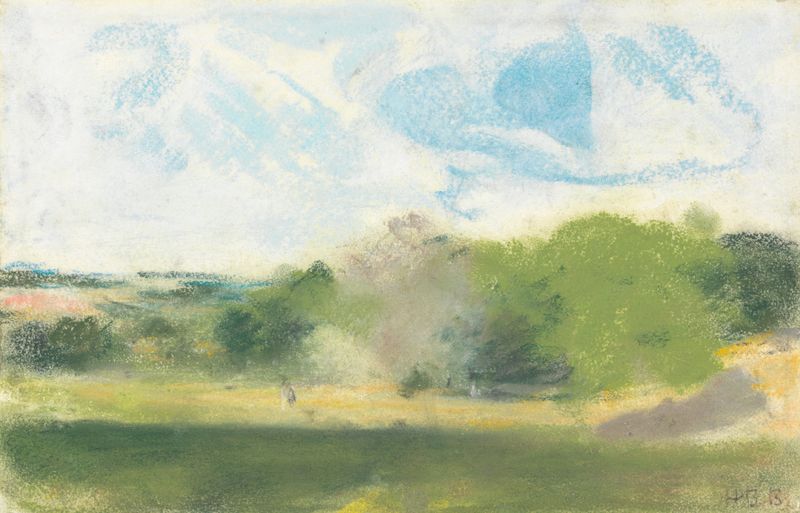
View at Oaklands
Hercules Brabazon Brabazon
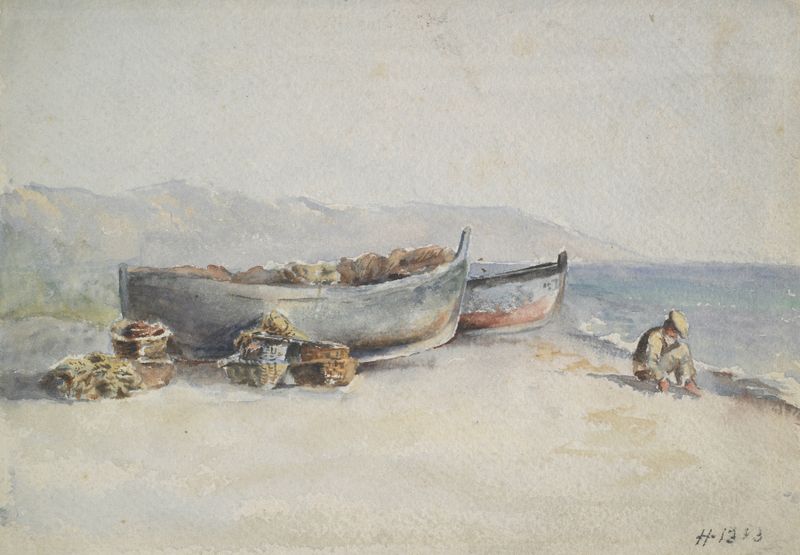
Fishing boats on the shore
Hercules Brabazon Brabazon
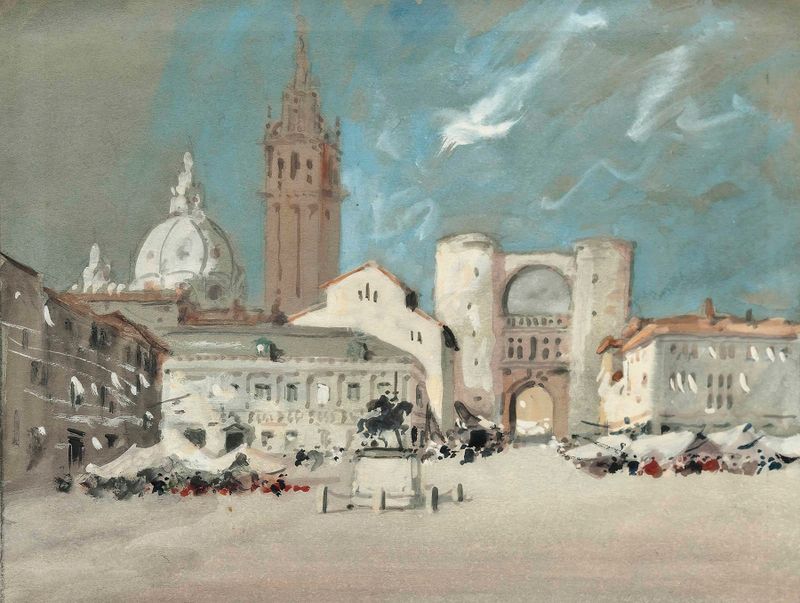
Piazza Dei Signori, Padua
Hercules Brabazon Brabazon
More Architecture Art
Browse all →
The statue of Liberty
Frédéric Auguste Bartholdi

View of Houses in Delft, Known as ‘The Little Street’
Johannes Vermeer

View of Houses in Delft, Known as ‘The Little Street’
Johannes Vermeer

The Cathedral in Rouen. The portal, Grey Weather
Claude Monet

The yellow house
Vincent van Gogh

The Church in Auvers-sur-Oise, View from the Chevet
Vincent van Gogh