A Pavilion Secluded in a Bamboo Grove — History & Facts
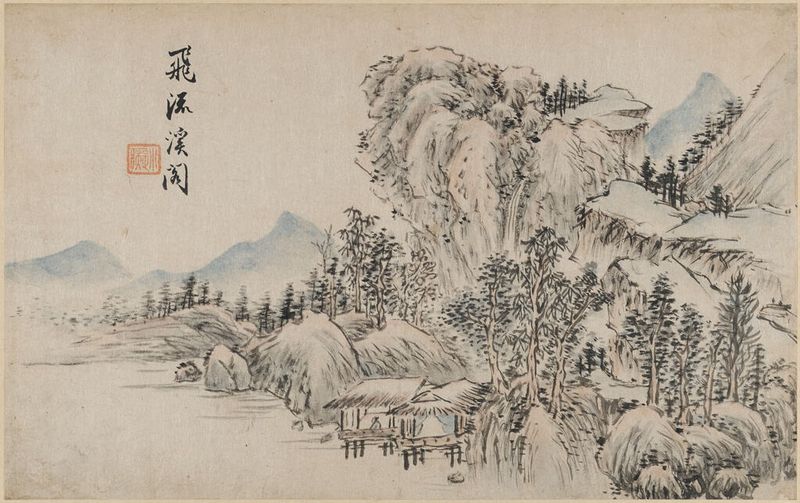
Where does light end, and longing begin? In the quiet embrace of nature, isolation resonates with an undercurrent of madness, a world both serene and haunting. Look to the left at the delicate interplay of bamboo stalks, their slender forms swaying gently as if whispering secrets to the wind. Notice how the artist employs a muted palette of greens and browns, enhancing the tranquil yet somber atmosphere. The pavilion, nestled within this verdant embrace, becomes a sanctuary — a place of refuge that simultaneously isolates.
The gentle brushwork suggests a softness, drawing the eye toward the intricate details of the architecture, inviting curiosity about the life within those walls. Beyond the serene façade lies an exploration of emotional tension. The juxtaposition of the sturdy bamboo and the frail pavilion hints at the fragility of human existence in the face of nature’s overwhelming power. The light filtering through the leaves creates dappled shadows that evoke a sense of longing, as if the structure itself yearns for connection yet remains forever ensconced in solitude.
Each stroke captures not just the beauty of the scene but also an unsettling reminder of the madness that isolation can bring. In the mid-late 19th century, Hŏ Ryŏn created this work during a period of cultural transition in Korea, where traditional values clashed with the encroaching influences of modernization. He painted amidst a resurgence of interest in classical themes, finding solace in depicting nature's beauty. This era fostered a deep sense of introspection, where art became a refuge for exploring the complexities of human emotion, reflecting a tension that resonates in this secluded pavilion.