A Roman Landscape with Figures — History & Facts
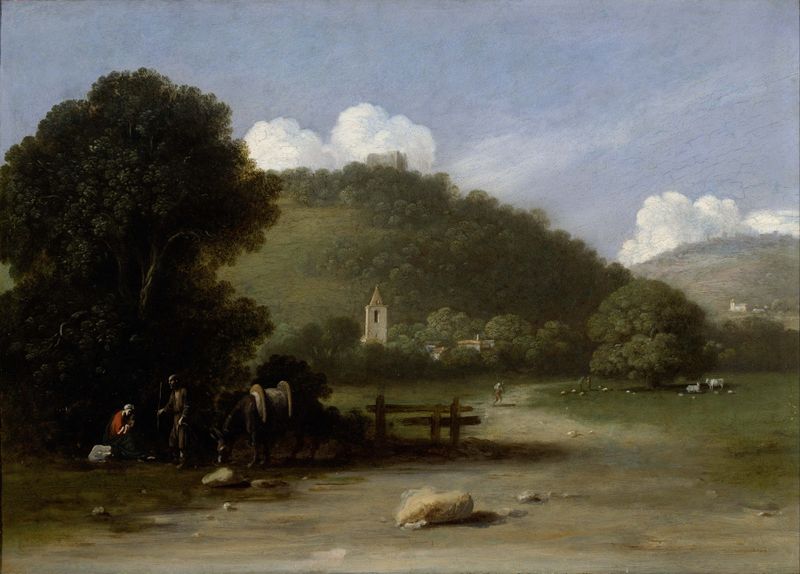
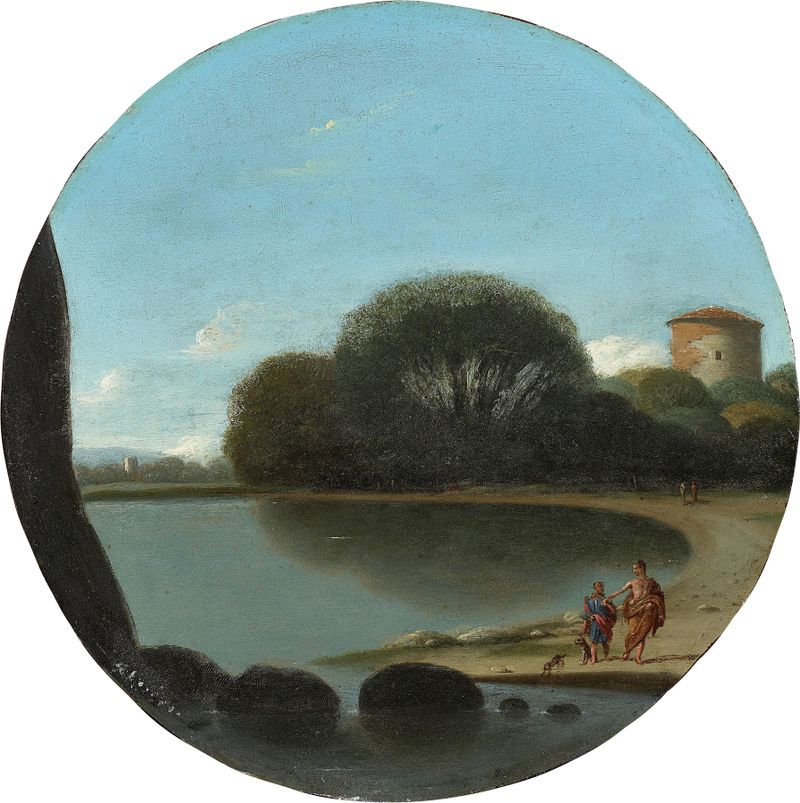
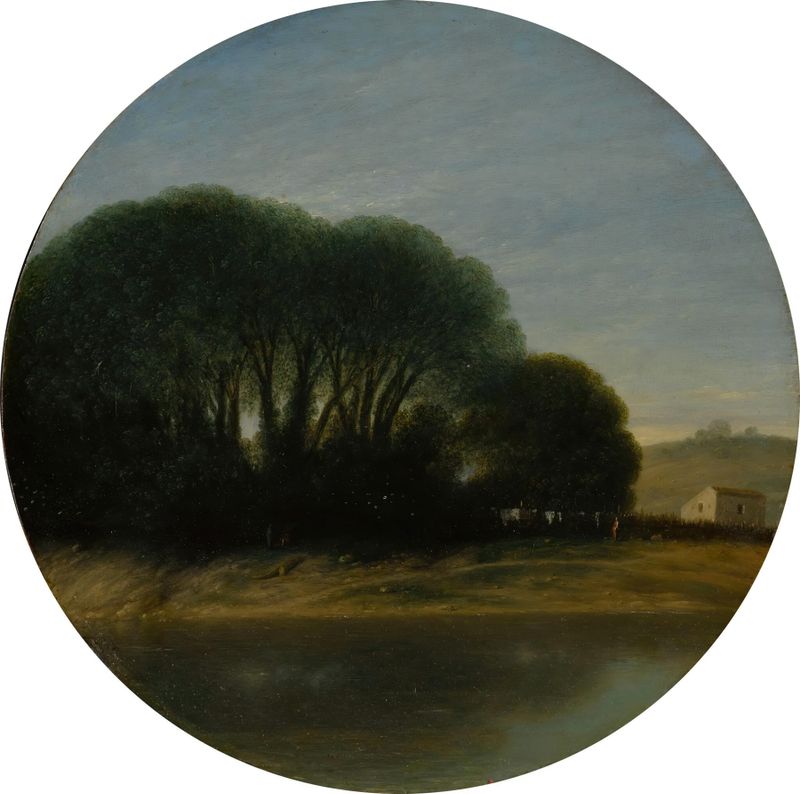
Can paint confess what words never could? In the hands of a talented artist, landscapes not only depict a setting but whisper the unspoken longings of the soul. Look to the left where the gently rolling hills meet the horizon, bathed in a golden light that speaks of twilight's embrace. Notice how Wals masterfully captures the interplay of shadows and luminosity, guiding your gaze toward the figures in the foreground. Their subtle expressions and intricate gestures suggest a narrative steeped in desire, each person engaged in a moment that feels both intimate and fleeting. Delve deeper, and you'll find contrasts that enrich this serene panorama: the stillness of the landscape juxtaposed with the subtle movement of the figures creates a palpable tension.
The vibrant greens and deep earth tones evoke a sense of yearning, while the tranquil water reflects not only the sky but also the characters' unfulfilled dreams. Each element, from the delicate brushwork to the choice of color, serves to amplify this emotional resonance, inviting contemplation on the nature of desire itself. During the 1630s, Goffredo Wals found himself amidst a shifting art world deeply influenced by the Baroque movement. Painting in Rome, he sought to blend naturalism with the lyrical qualities of his surroundings.
This period marked a time when artists began exploring emotional depth and personal expression, laying foundations for future generations while navigating the complexities of their own artistic identities.