A Scene in the Desert — History & Facts
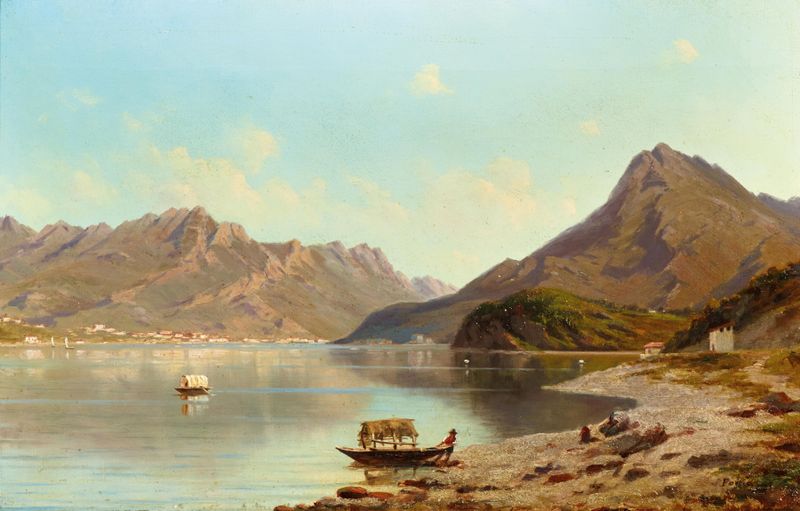
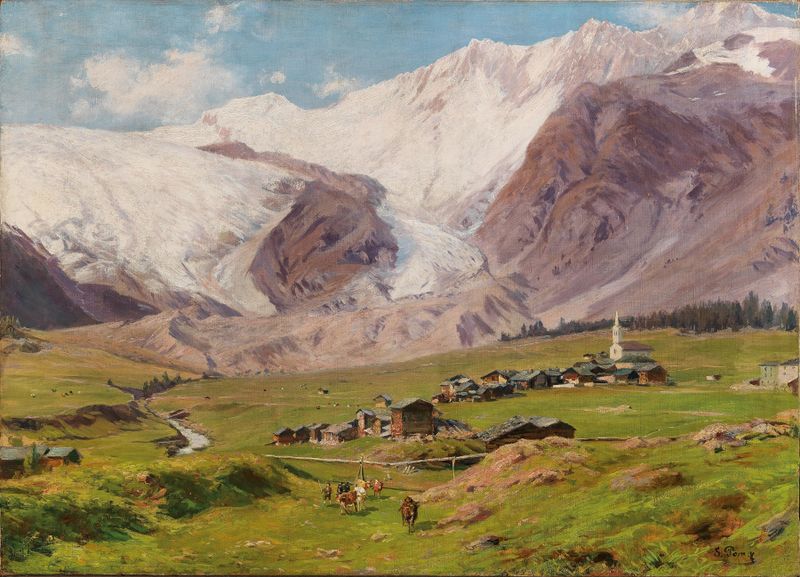
Where does light end, and longing begin? This question lingers in the air, much like the shimmering heat waves of a vast, unforgiving desert. Look to the bottom of the canvas, where the golden sands stretch endlessly; they pulse with a warmth that invites yet intimidates. The horizon blurs in the distance, subtly merging sky and earth, as soft pastel hues of orange and azure dance above it. Notice how the light casts elongated shadows, suggesting forms that flicker just beyond perception—are they figments of imagination or distant memories? The painter’s brushstrokes create a texture that feels both tangible and elusive, echoing the paradox of desire that permeates the scene. Within the desolation lies a profound tension.
The emptiness of the landscape speaks of longing, with each grain of sand whispering tales of wanderers searching for solace. The interplay of light and shadow evokes a duality: warmth and isolation, hope and despair. This emotional tug-of-war captures the essence of human desire—the yearning for connection even in the most barren of settings. Silvio Poma painted this evocative piece during a time when he was experimenting with the interplay of light and space.
The date remains uncertain, yet it is believed to stem from a period marked by a burgeoning modernism in art. As artists sought to break free from traditional constraints, Poma found inspiration in nature's stark beauty, channeling his own introspections into an expansive vision that resonates beyond its canvas.