A Street In Tokyo — History & Facts
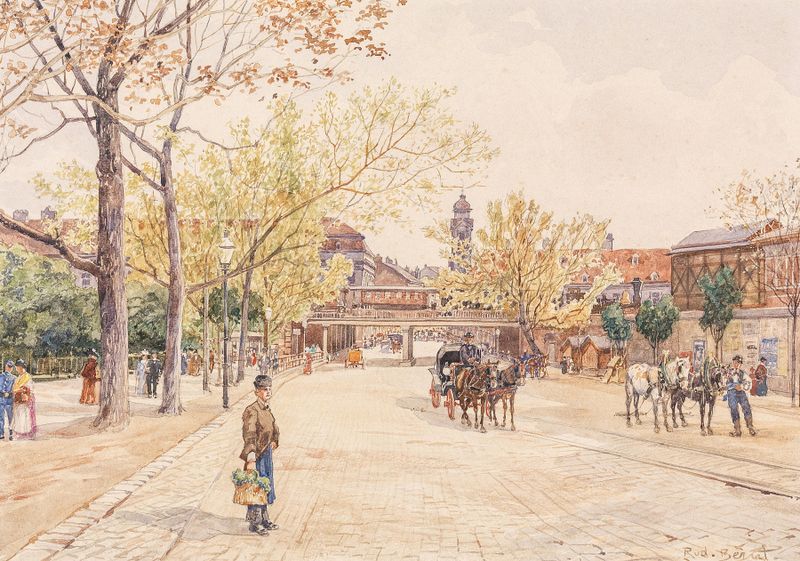
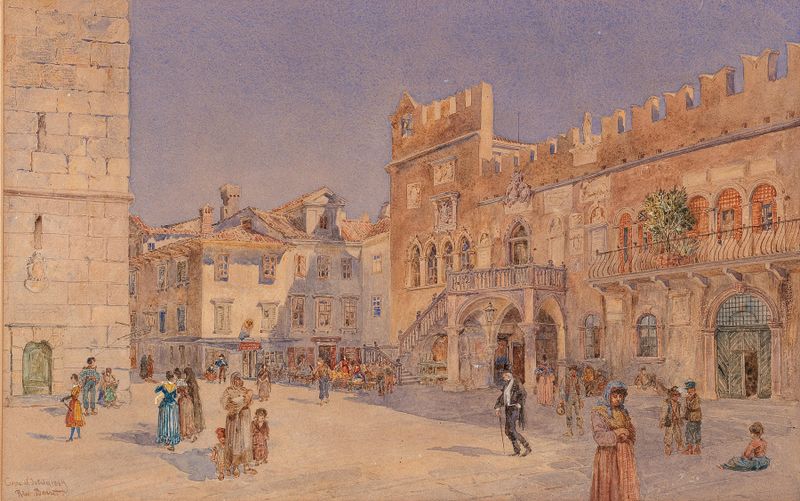
In a time when the world was racing toward modernity, the stillness of a moment captured in paint possesses an unparalleled ecstasy. Focus your gaze on the intricate interplay of light and shadow in A Street In Tokyo. The bustling street is awash with hues of muted browns and vibrant reds, guiding the eye through the composition. Notice how the artist’s brushwork gives life to the figures, their swift movements contrasting with the serene backdrop of traditional architecture.
It is an invitation to explore the rhythm of urban life, where the mundane becomes a celebration of everyday existence. Upon closer inspection, hidden meanings emerge like whispers from the canvas. The juxtaposition of the dynamic figures against the stationary buildings speaks to the tension between progress and tradition. There’s an emotional undercurrent in the way the pedestrians seem to flow through the scene, embodying both the excitement and transient nature of life in a city on the brink of modern transformation.
Details such as the fluttering banners and vibrant clothing add layers of cultural richness, inviting the viewer to ponder the complex identity of Tokyo at the time. Created in 1911 while living in Japan, the artist found himself immersed in a world teetering between ancient rituals and the rapid pace of modernization. This period was pivotal for Bernt, as he sought to capture the essence of his surroundings through the lens of Western artistic sensibilities, reflecting a broader dialogue between East and West in the art world.