
A View of Rosenburg in Graupen — History & Facts
When did color learn to lie? In a world painted with vibrant hues, the very act of capturing reality becomes an obsession, an intricate dance between truth and illusion. Look to the left at the bold strokes of emerald green that compose the lush landscape, inviting you into a serene valley. Notice how the artist employs dappled sunlight to illuminate the gentle ripples of the water, creating a harmonious blend of light and shadow. Your eye is drawn to the distant structure, a solitary building nestled under the thick canopy of trees, its muted tones standing in contrast to the exuberance surrounding it.
Each brushstroke feels deliberate, a testament to a meticulous technique that balances both detail and abstraction. Delve deeper, and you’ll find a subtle tension between the inviting landscape and the solitary architecture that looms within it. The vibrant colors evoke a sense of yearning, while the quiet structure hints at isolation, echoing the artist's own struggles against the picturesque facade of nature. This duality of beauty and loneliness, woven intricately throughout the canvas, encapsulates the human experience—a longing for connection amidst the overwhelming splendor of the world. In 1874, the artist captured this scene during a period marked by admiration for the natural world and a rising impressionistic approach in Germany.
Doerell was immersed in a community that celebrated the interplay of light and color, yet he remained deeply introspective. The painting reflects his personal journey, grappling with the complexities of representation at a time when art was increasingly questioning the boundaries of reality.
More Artworks by Ernst Gustav Doerell
Browse all →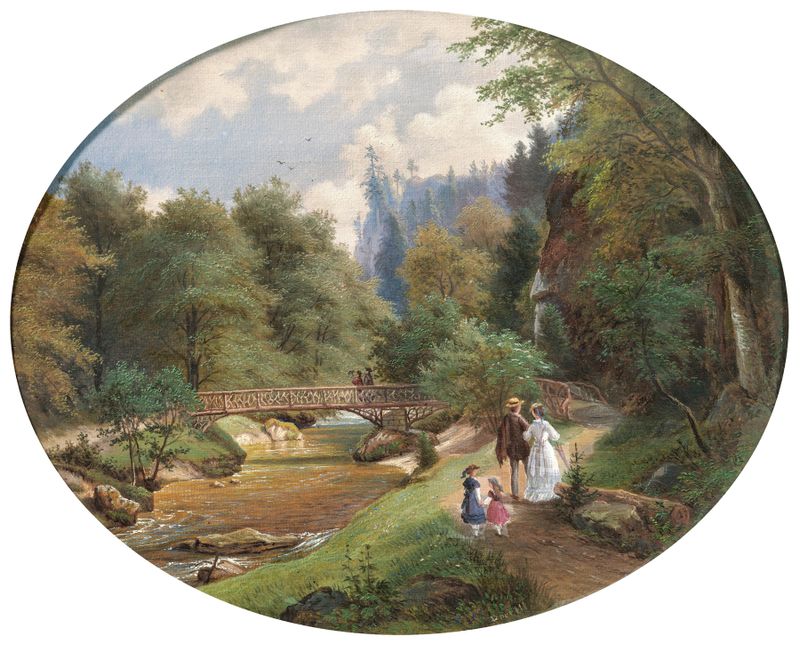
Crossing the Marienbrücke
Ernst Gustav Doerell
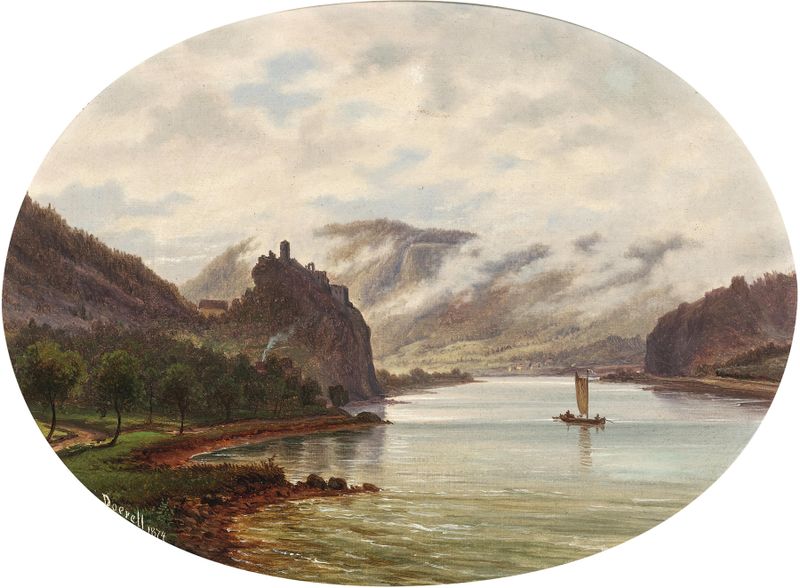
A View of Střekov Castle on the Elbe
Ernst Gustav Doerell
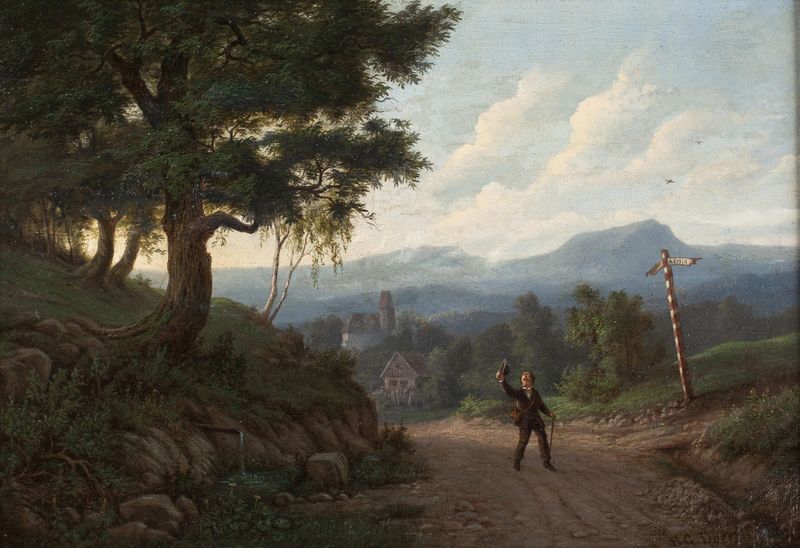
Auf dem Weg nach Aussig
Ernst Gustav Doerell
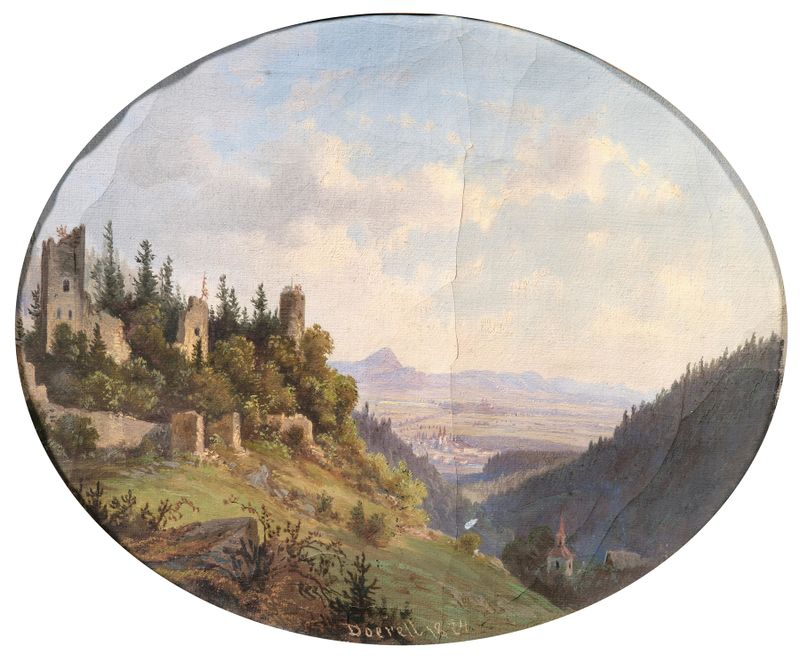
A View of Riesenburg, with the Cistercian Monastery of Ossegg (Osek) in the Background
Ernst Gustav Doerell
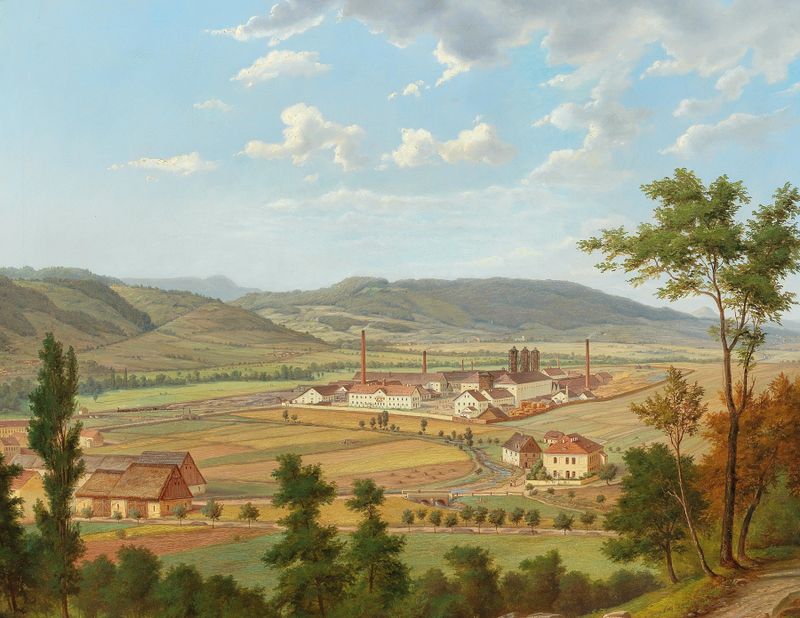
View of a Factory in Ústí nad Labem
Ernst Gustav Doerell

Sernitztal
Ernst Gustav Doerell
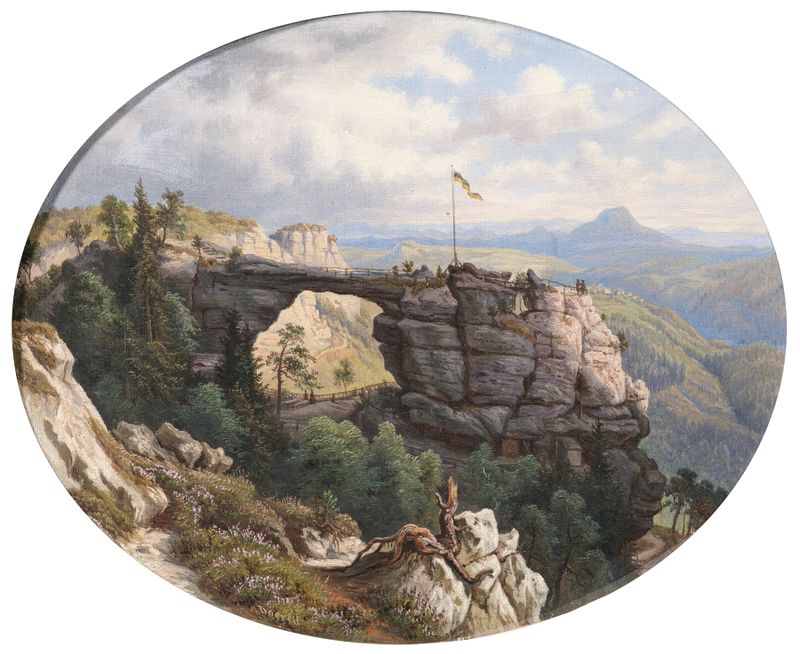
A View of the Prebisch Gate (Pravčická brána) in Bohemia
Ernst Gustav Doerell
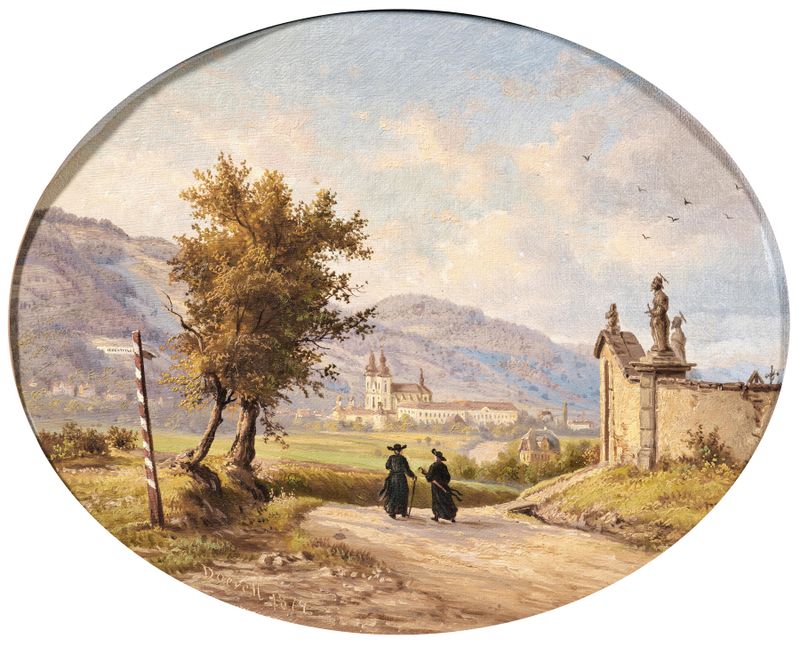
On the Way to Mariaschein, Krupka (Graupen) in Czechia
Ernst Gustav Doerell





