
A View of St. Martin’s Church, Also of the Arch of Septimius Severus, through which the Roman Generals marched in their Triumphs to the Capitol. — History & Facts
Beneath the splendor of architectural grandeur lies an unsettling madness, where glory dances precariously on the edge of chaos. Look to the left, where the graceful lines of St. Martin’s Church rise against a backdrop of muted earth tones. The archway stands poised, an inviting passageway filling the canvas, leading the eye toward the horizon.
Notice how the soft light filters through the structure, casting elongated shadows that whisper of history and forgotten triumphs. Each brushstroke conveys a sense of both reverence and eeriness, as if the stones themselves recall the weight of the past. Yet, amid this striking juxtaposition of divine beauty and fading glory, hints of disquiet linger. The solemnity of the church contrasts sharply with the arch’s stories of conquest, perhaps suggesting the madness of ambition and the fleeting nature of power.
Small figures, barely perceptible, imply human presence, yet they stand apart, almost ghostlike—a reminder of those who came and went, leaving only echoes of their triumphs. In this tension, madness manifests not through color but in the silence that surrounds these monumental structures. The piece was crafted during an undetermined time in the life of its creator, when Thomas Bowles III was captivated by the remnants of a grand past, a fascination echoed in the art world. As classical ideals mingled with emerging modern sensibilities, Bowles sought to immortalize the spaces where history unfolded, even as the world around him teetered into the uncertain realms of change.
Here, he intertwines his vision with the weight of legacy, capturing a fleeting moment that is both striking and provocative.
More Artworks by Thomas Bowles III
Browse all →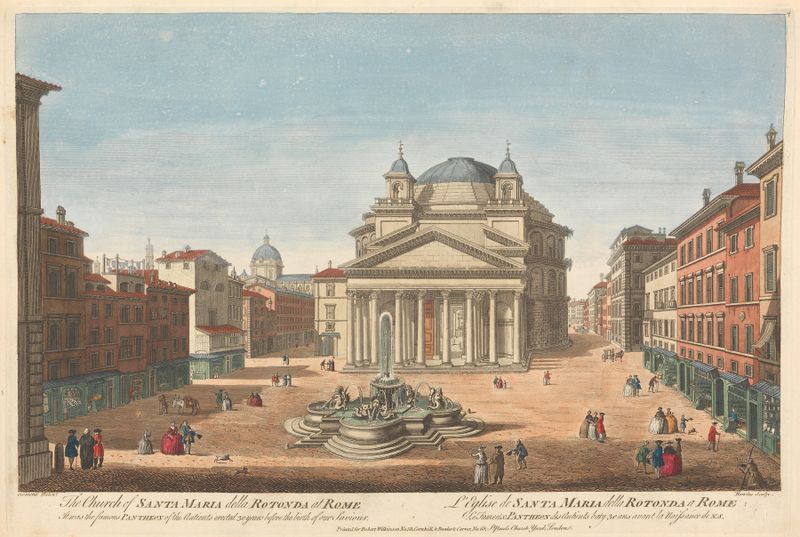
The Church of Santa Maria della Rotonda at Rome; It was the famous Pantheon of the Antients erected 30 years before the birth of our Saviour
Thomas Bowles III

The South West Prospect of London, from Somerset Gardens to the Tower
Thomas Bowles III
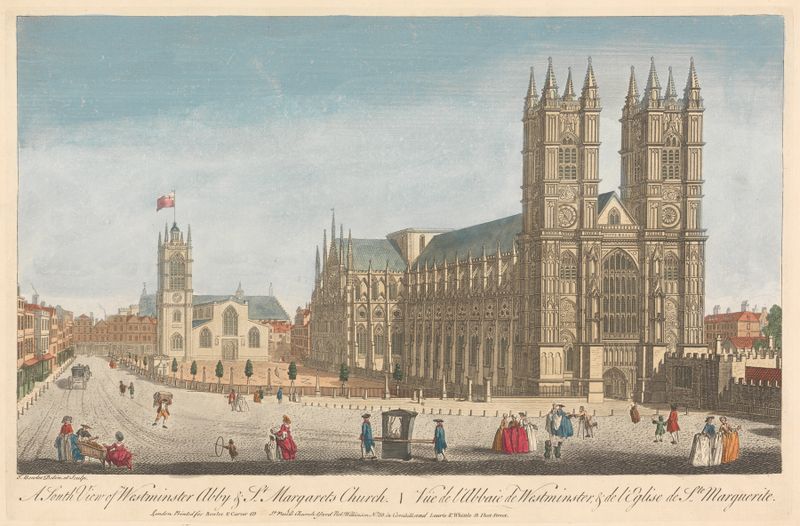
A South View of Westminster Abby & St. Margarets Church
Thomas Bowles III
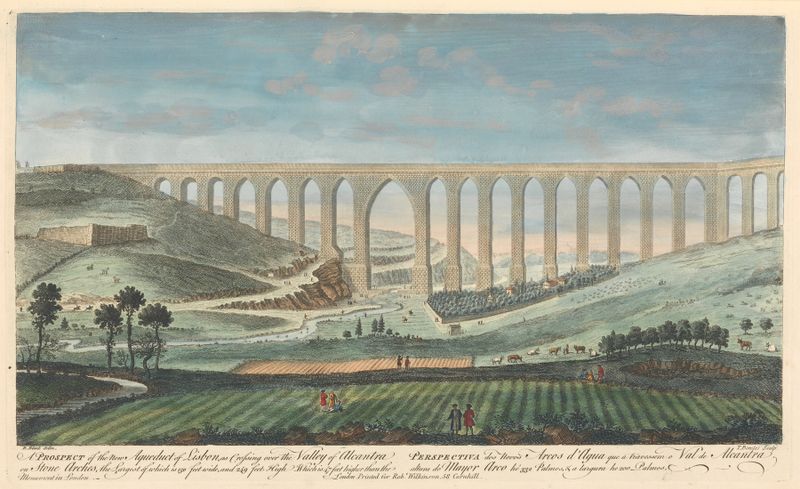
A Prospect of the New Aqueduct of Lisbon
Thomas Bowles III
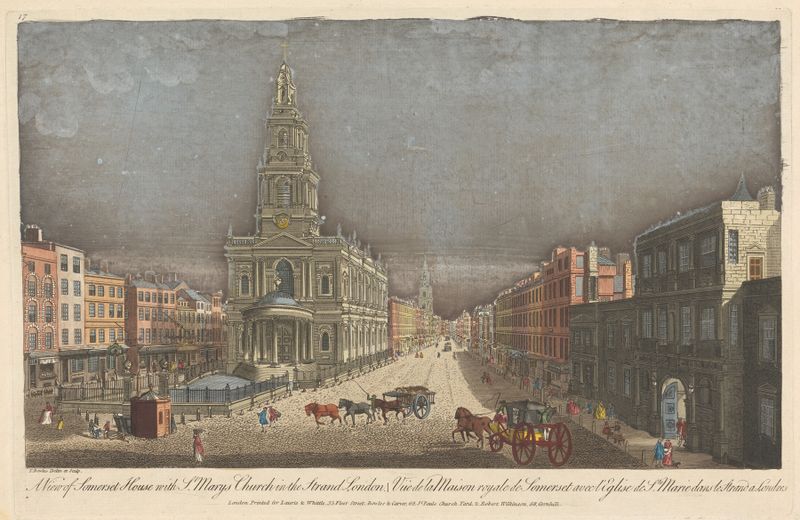
A View of Somerset House with St. Mary’s Church in the Strand London
Thomas Bowles III
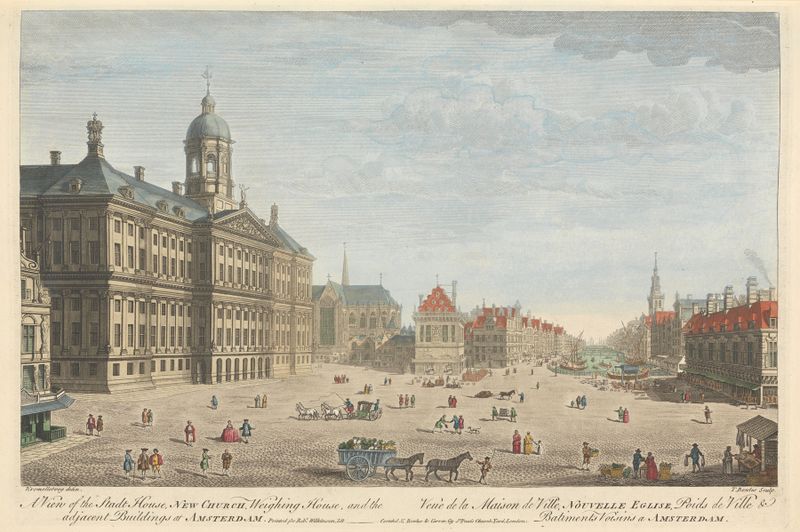
A View of the Stadt House, New Church, Weighing House, and the adjacent Buildings at Amsterdam
Thomas Bowles III
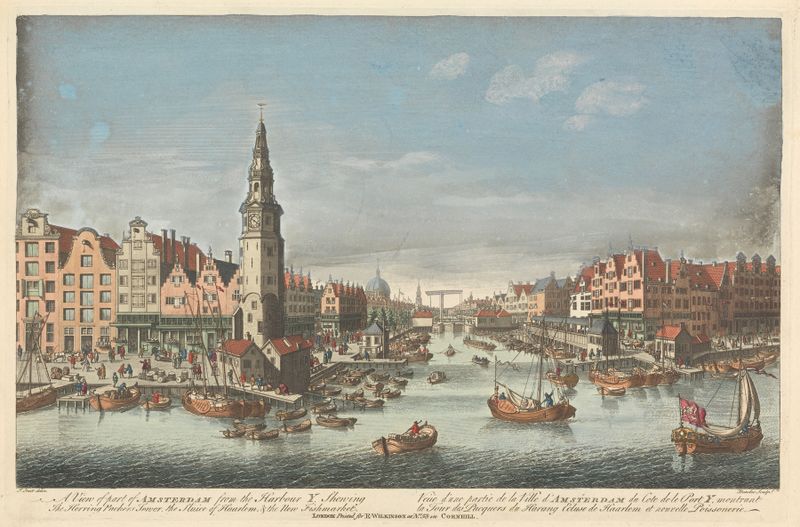
A View of part of Amsterdam from the Harbour Y, Shewing the Herring Packers Tower, the Sluice of Haarlem, & the New Fishmarket
Thomas Bowles III
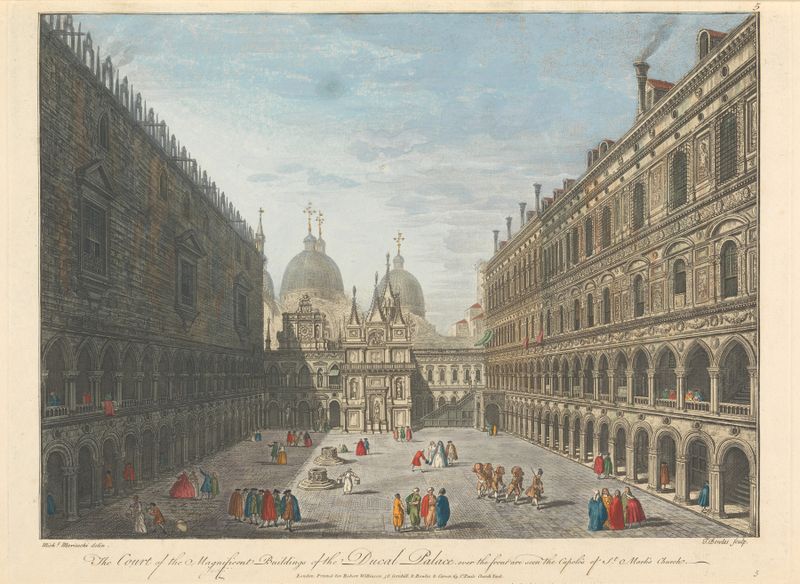
The Court of the Magnificent Building of the Ducal Palace over the front are seen the Cupolo’s of St. Mark’s Church.
Thomas Bowles III
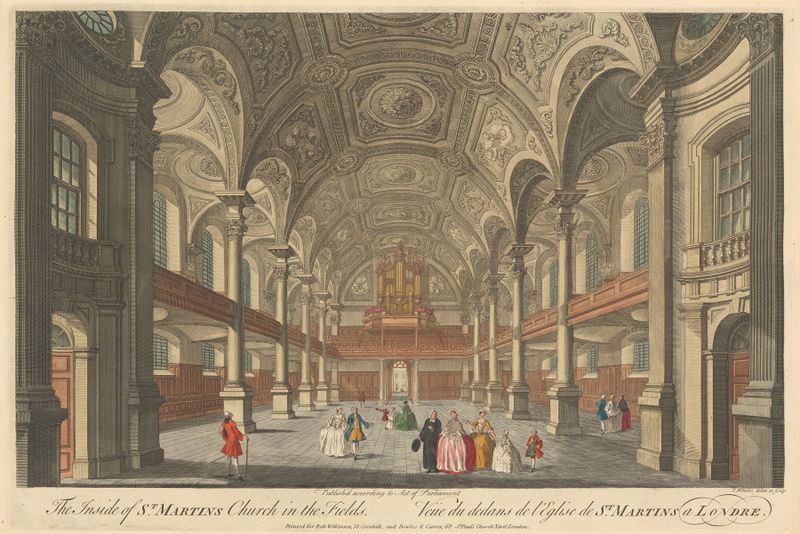
The Inside of St. Martin’s Church in the Fields
Thomas Bowles III
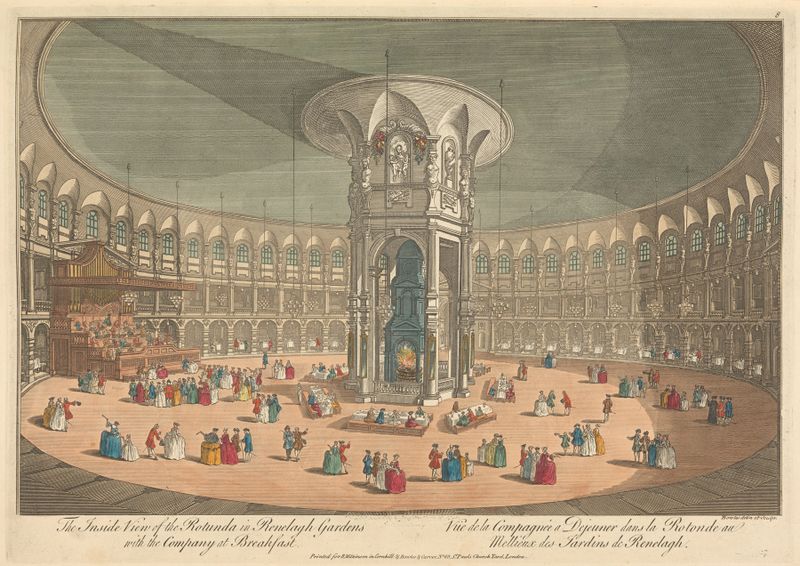
The Inside View of the Rotunda in Renelagh Gardens with the Company at Breakfast
Thomas Bowles III
More Architecture Art
Browse all →
The statue of Liberty
Frédéric Auguste Bartholdi

View of Houses in Delft, Known as ‘The Little Street’
Johannes Vermeer

View of Houses in Delft, Known as ‘The Little Street’
Johannes Vermeer

The Cathedral in Rouen. The portal, Grey Weather
Claude Monet

The yellow house
Vincent van Gogh

The Church in Auvers-sur-Oise, View from the Chevet
Vincent van Gogh