A Winter’s Afternoon — History & Facts
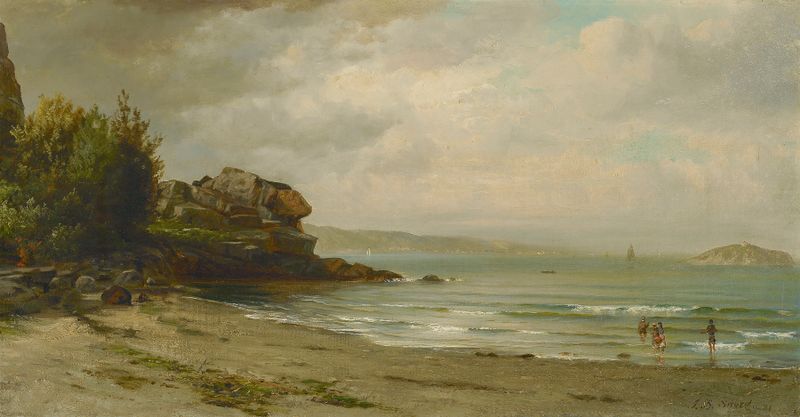
Could beauty survive in a century of chaos? In A Winter’s Afternoon, James Brade Sword captures the delicate dance between tranquility and turmoil, inviting viewers into a serene yet poignant moment. Look to the center of the painting, where a gentle snowfall blankets the landscape, lending a soft hush to the scene. The muted palette of whites and grays emphasizes the chill in the air, while the soft golden light filtering through the trees creates a warm contrast. The trees, gracefully swaying, are adorned with white snow, their branches forming a delicate lattice of nature’s artistry.
It's a masterful display of technique, where the brushwork evokes both texture and emotion, suggesting that even in winter’s grip, life continues to pulse beneath the surface. The painting resonates with deeper meanings, revealing the interplay between isolation and connection. Notice the subtle footprints in the snow, hinting at a presence that has traversed this idyllic yet barren landscape. They invite contemplation of human experience—fleeting and transient, yet leaving an indelible mark.
The stark quietude reflects an inner sanctuary, where dreams of warmth and companionship flicker like the distant glow of a hearth, contrasting sharply with the coldness surrounding it. In 1874, while creating this work, the artist was immersed in the burgeoning movement of British landscape painting, melding realism with emotive expression. Sword was deeply influenced by the natural world and the changing seasons, and this piece reflects a personal quest for beauty amidst societal shifts. The Victorian era was marked by industrialization and social upheaval, making this serene winter scene a poignant reminder of nature’s enduring presence in an increasingly chaotic world.