
Abraham and Isaac — History & Facts
Is this a mirror — or a memory? Abraham and Isaac invites us to confront the depths of sacrifice and the shadows of paternal love etched into the fabric of our collective consciousness. Look to the center where the figures are poised, a father and son caught in a moment fraught with tension. The artist employs a somber palette, with muted earth tones dominating the scene, imbuing it with a sense of gravity. The figures are rendered with careful attention to detail; notice how the light cascades over Abraham's furrowed brow, illuminating the weight of his decision, while Isaac’s wide eyes reflect a mixture of trust and fear.
This interplay of light and shadow not only guides our gaze but amplifies the emotional stakes of their tragic narrative. Beneath the surface, layers of meaning emerge; the bond between father and son is palpable, yet fraught with unspoken dread. The positioning of Isaac's hands—clenching the altar—evokes a sense of helplessness, framing a moment that teeters between obedience and despair. Meanwhile, the distant landscape, painted with a hint of darkness on the horizon, suggests that hope may be receding, a prelude to the inevitability of sacrifice that looms over them.
This duality embodies both love and anguish, resonating with anyone who has grappled with the complexities of familial duty. Created in 1819, this work emerges from an era marked by a burgeoning interest in biblical themes and human emotion within art. While specifics about the artist remain elusive, this painting reflects the Romantic period’s characteristic focus on individual experience and moral dilemmas. It captures not just a moment in time, but a profound exploration of faith and the human condition, resonating across generations.
More Artworks by Unknown Artist
Browse all →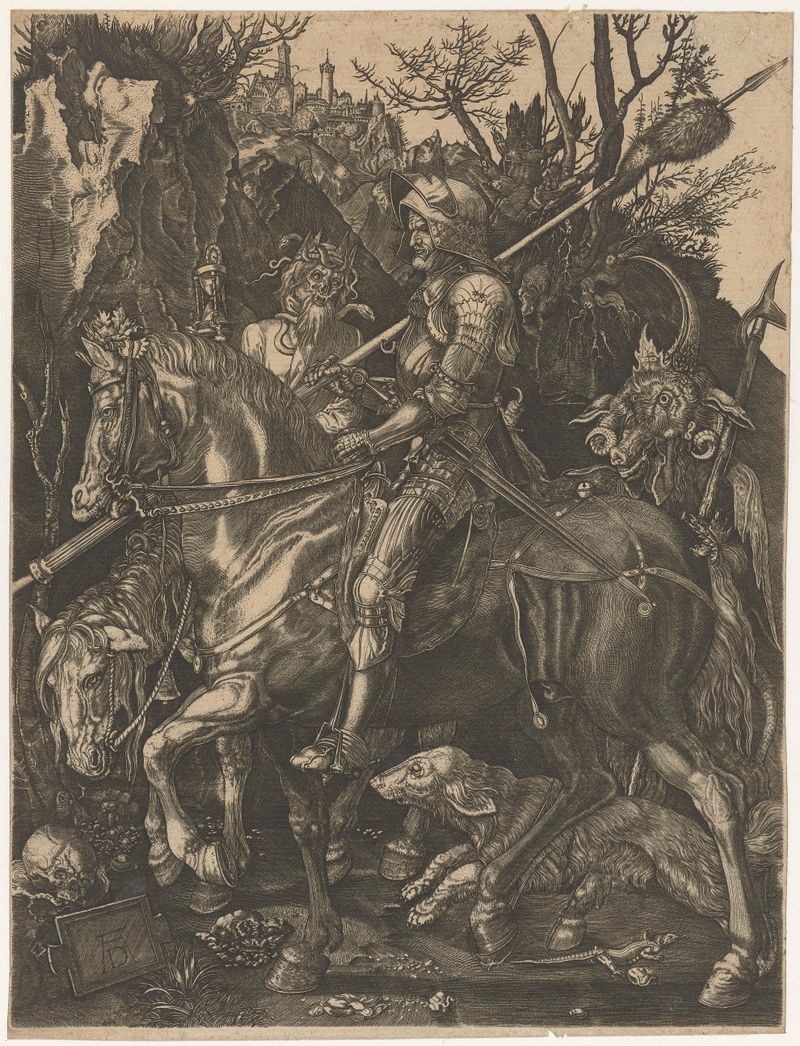
Ridder, Dood en Duivel
Unknown Artist
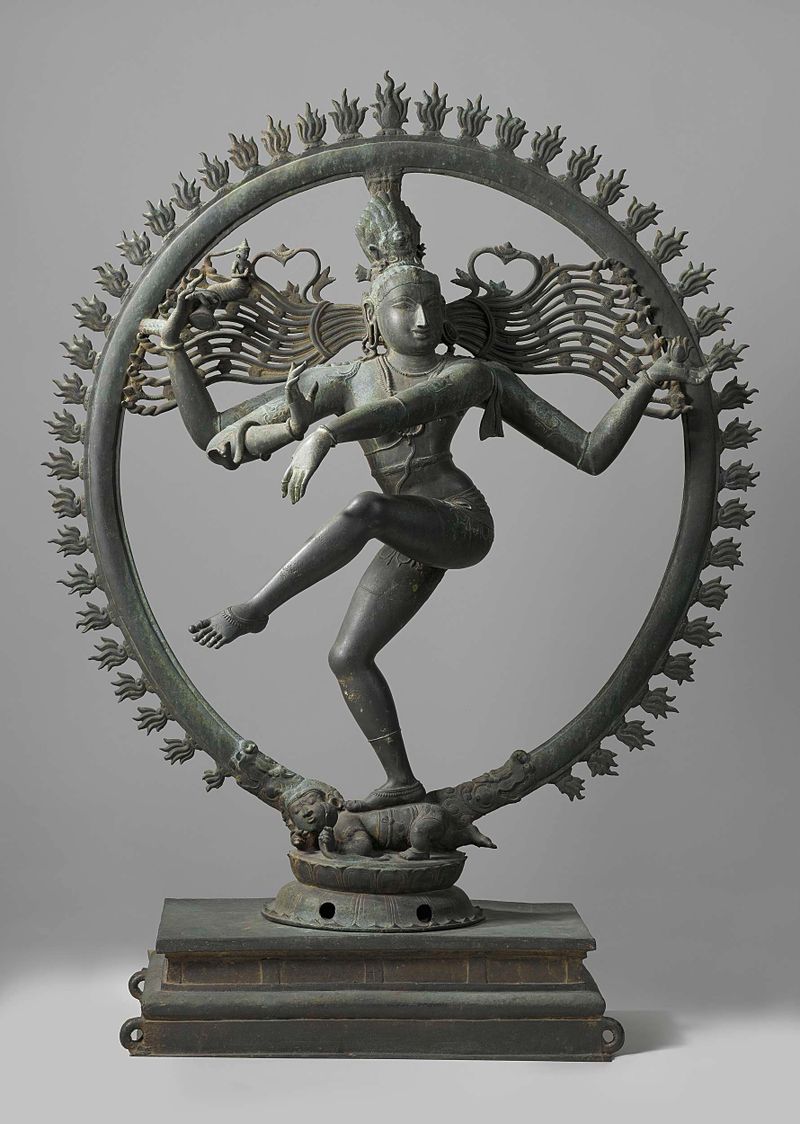
Shiva Nataraja
Unknown Artist
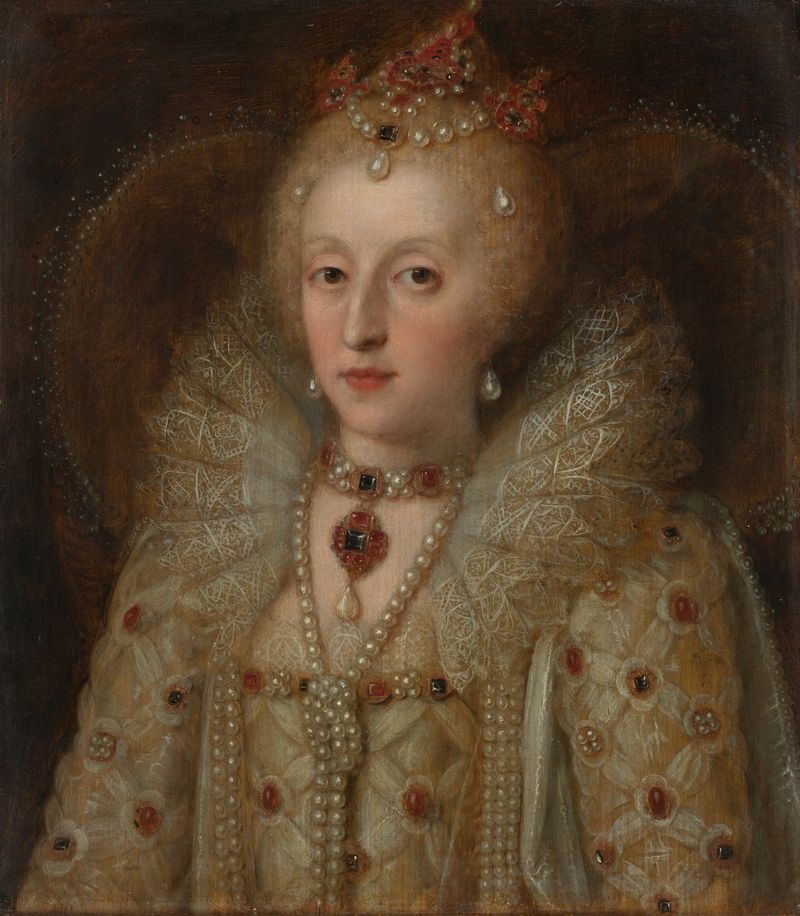
Portrait of Elizabeth I, Queen of England
Unknown Artist
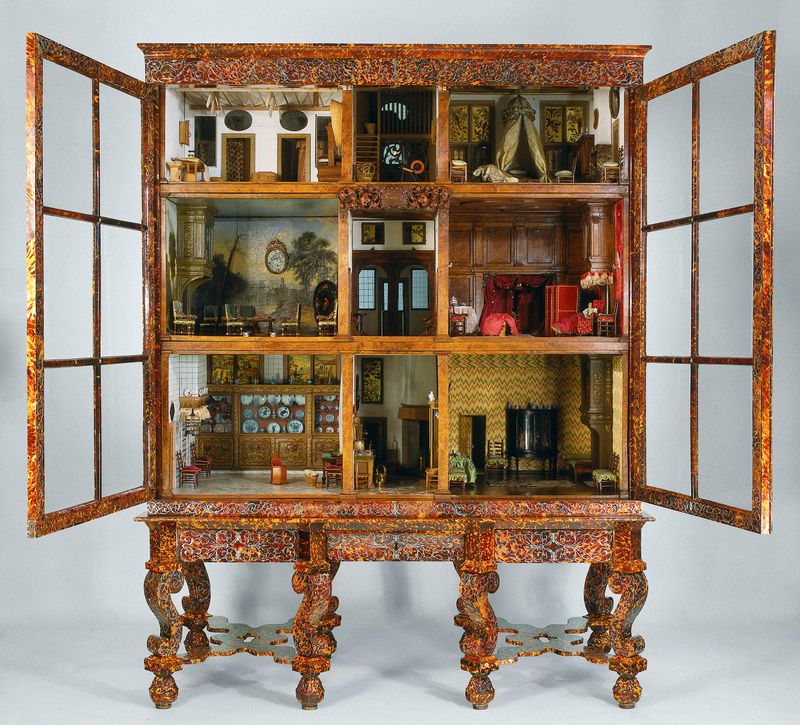
Dolls’ house of Petronella Oortman
Unknown Artist
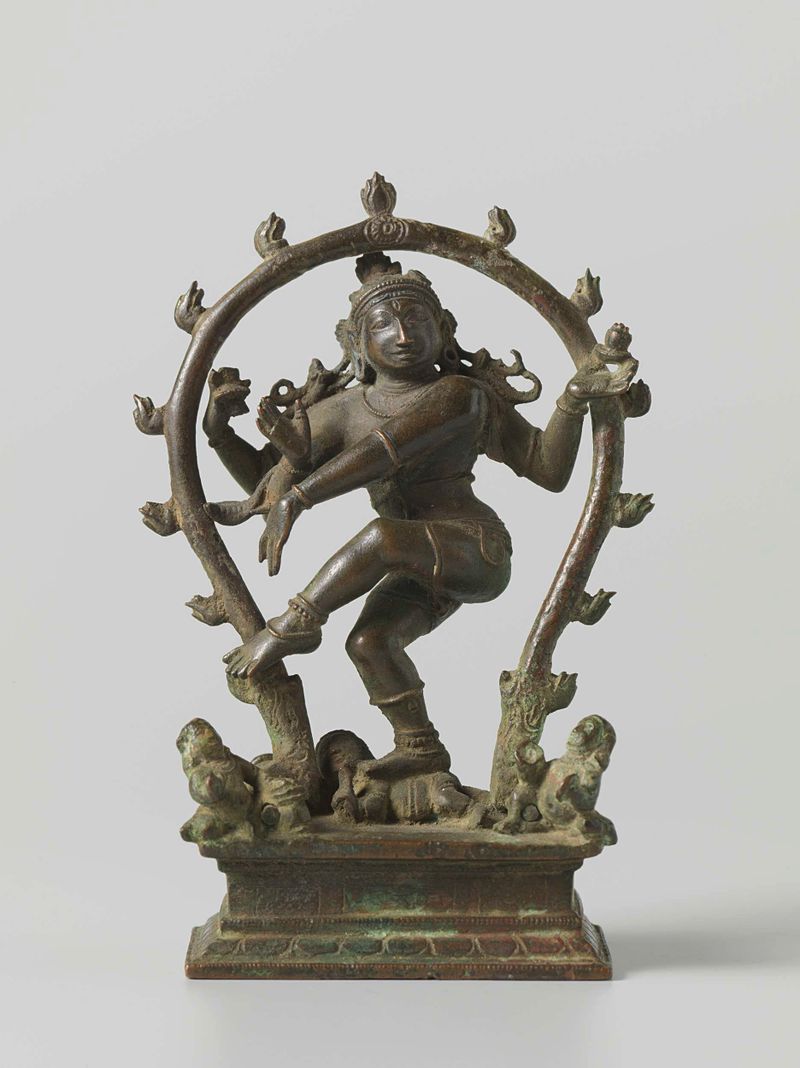
Shiva Nataraja
Unknown Artist

The Tale of Genji
Unknown Artist

The Tale of Genji
Unknown Artist
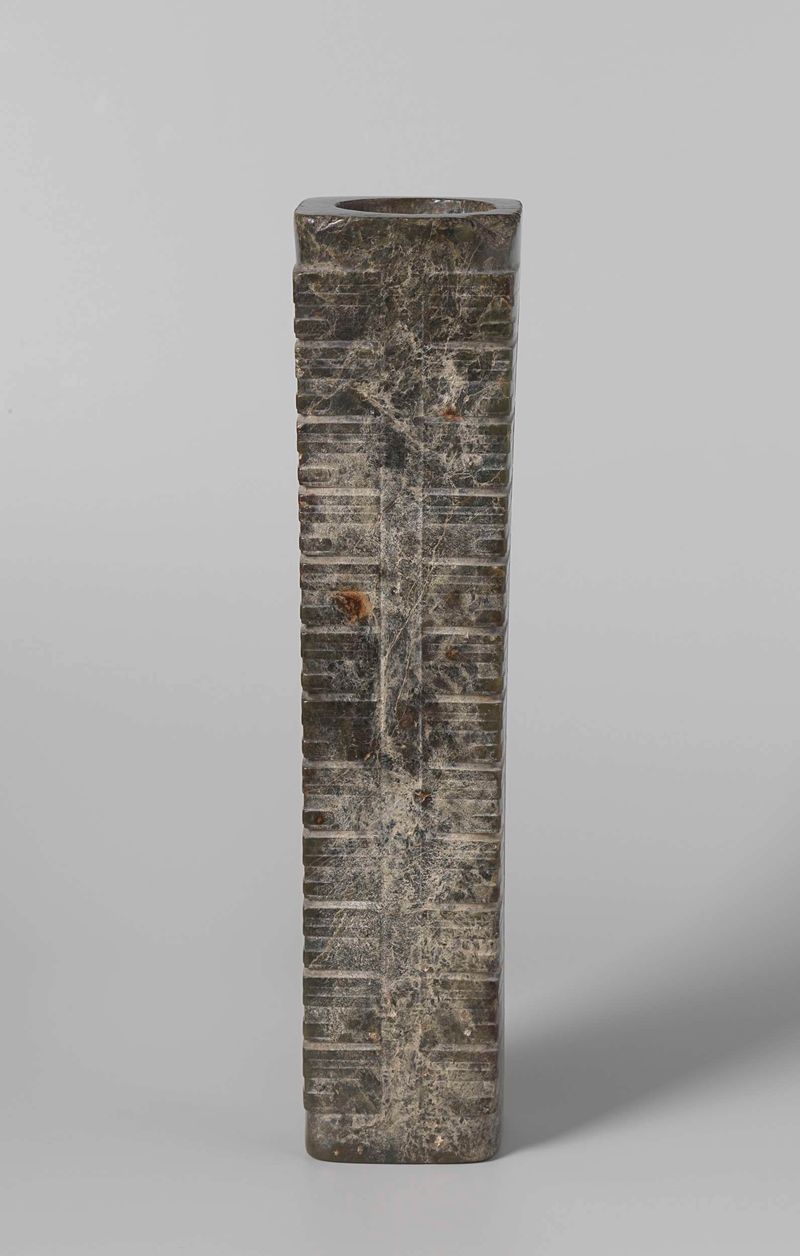
Cong
Unknown Artist
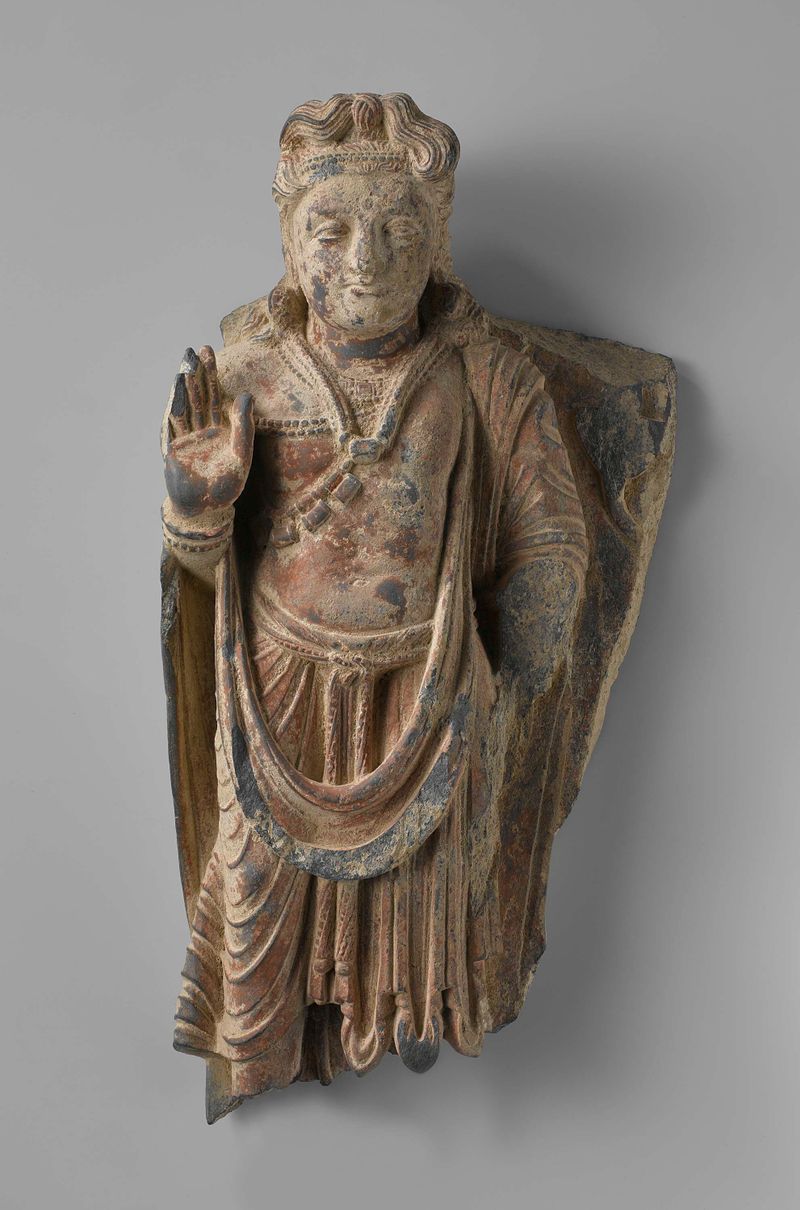
The bodhisattva Maitreya
Unknown Artist
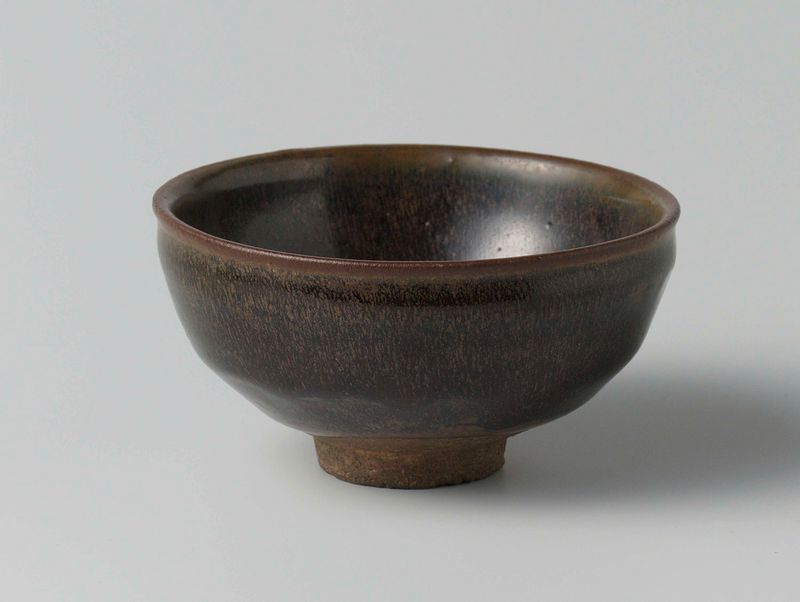
Teabowl with a 'hare's fur' glaze
Unknown Artist
More Religious Art
Browse all →
The Return of the Prodigal Son
Rembrandt van Rijn

The Garden of Earthly Delights
El Bosco

Count Orgaz’ funeral
El Greco

The Hundred Guilder Print: the central piece with Christ preaching, the plate arched
Rembrandt van Rijn

The Descent from the Cross
Rogier van der Weyden

The return of the prodigal son
Rembrandt van Rijn