Abstract Composition — History & Facts
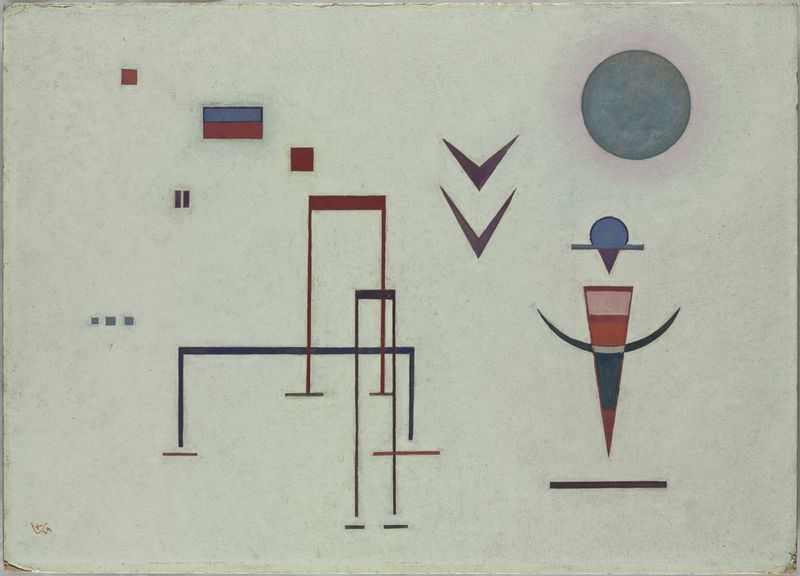
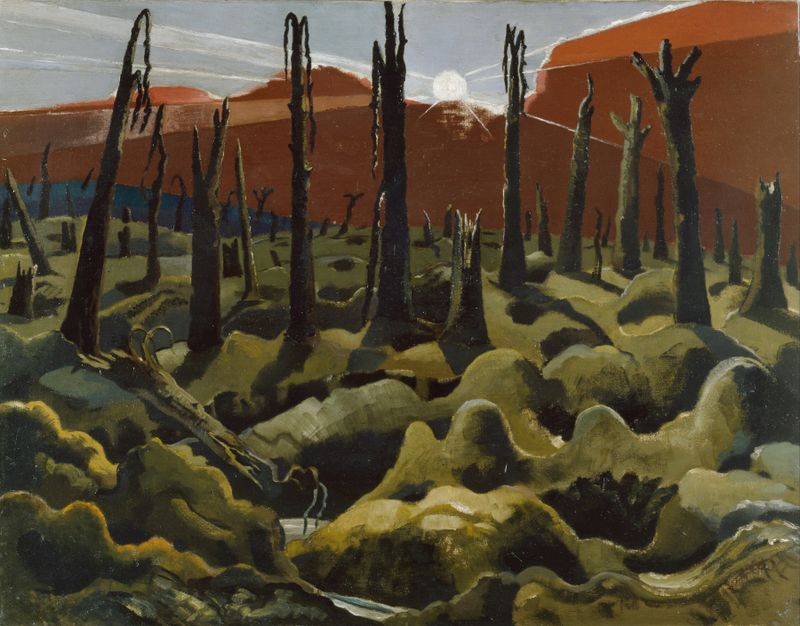
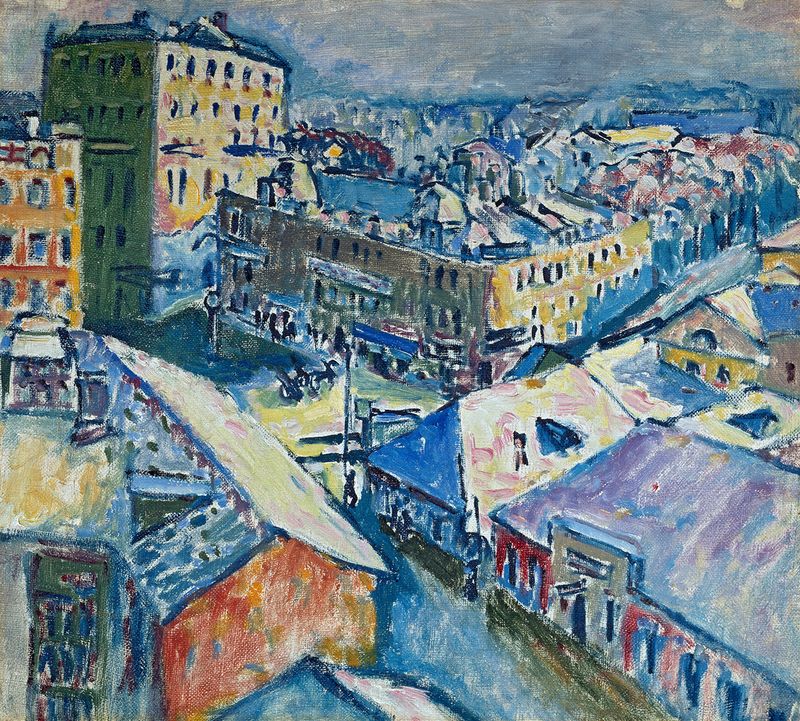
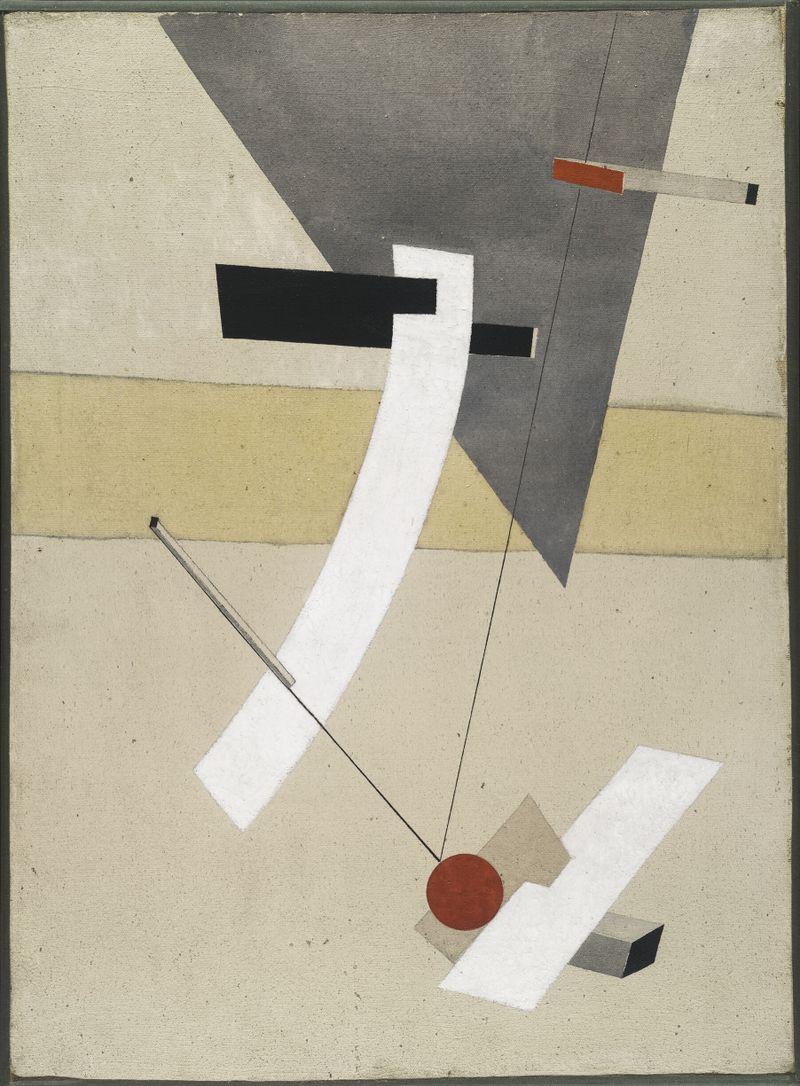
What secret hides in the quiet of the canvas? Beneath the surface of vibrant swirls and sharp angles, chaos whispers stories of emotion, conflict, and raw energy waiting to be unearthed. Look to the center of the painting, where a whirlwind of colors collides, showcasing hues of deep crimson and electric blue. Notice how the bold strokes intertwine, creating an illusion of movement and turbulence. The geometric shapes emerge, breaking through the chaos with a sense of structure, guiding the eye in a dance of contrast.
Gaudier-Brzeska’s technique captures the tension between chaos and order, inviting viewers to explore their own interpretations in this fragmented space. Delve deeper into the layers of emotion embedded in the piece; the jagged shapes can evoke feelings of disarray amidst the structured forms, suggesting a struggle between freedom and confinement. The subtle interplay of colors may represent the dichotomy of reality and perception, urging viewers to confront their inner turmoil. This abstract work is a mirror reflecting the complexities of human experience, where every glance reveals new perspectives and insights. In 1914, at the brink of World War I, the artist found himself in London, immersed in the vibrant avant-garde scene.
The world around him was teetering on the edge of chaos, and this turbulence permeated his work, mirroring the tumultuous emotions of a society in upheaval. This era marked an evolution in modern art, where traditional forms were challenged, allowing Gaudier-Brzeska to explore uncharted territory in abstraction.