Abstract composition I — History & Facts
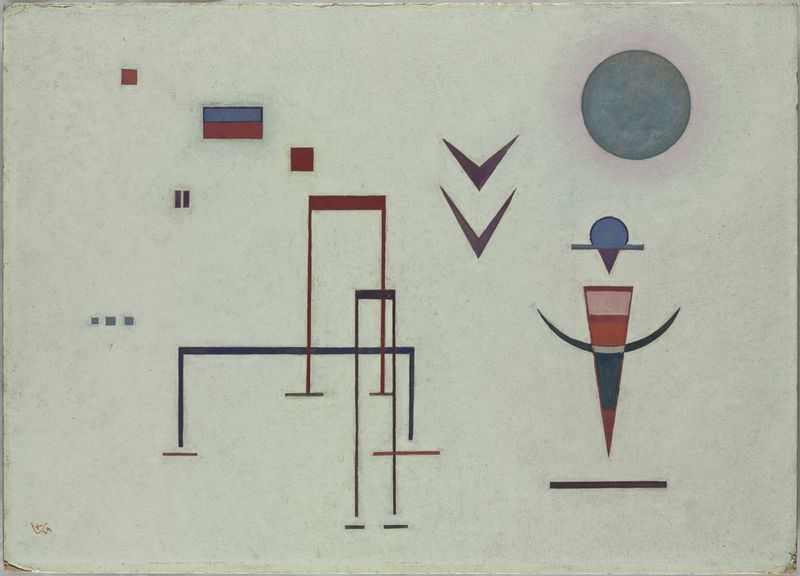
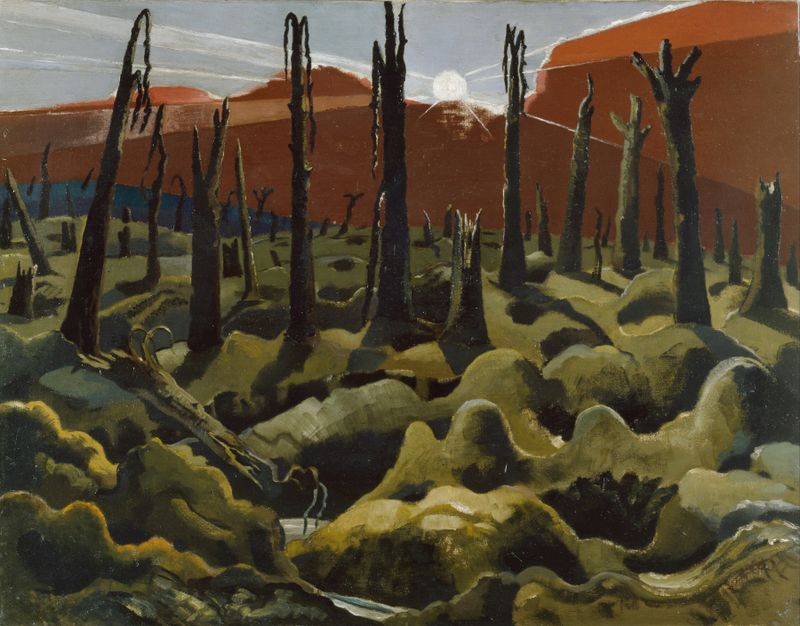
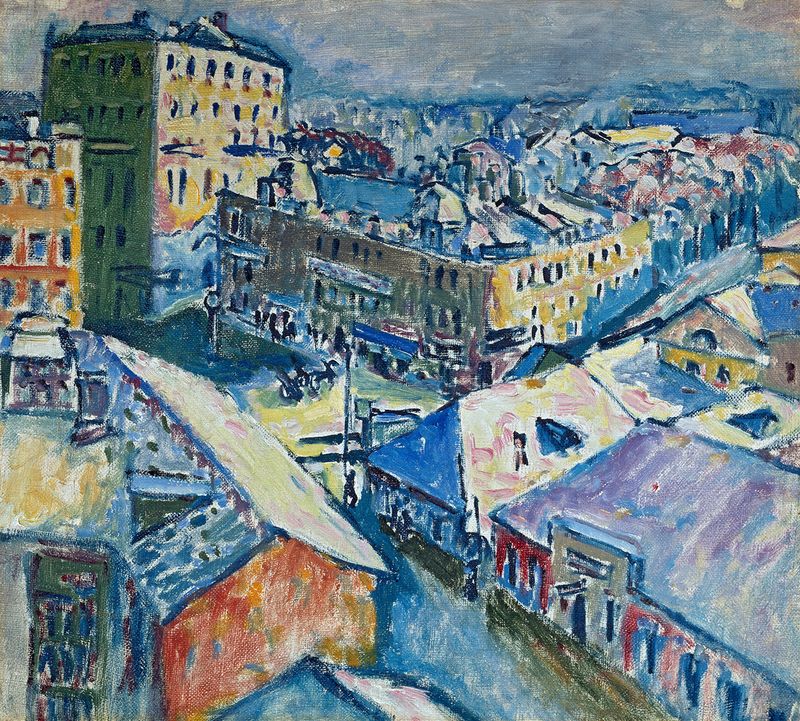
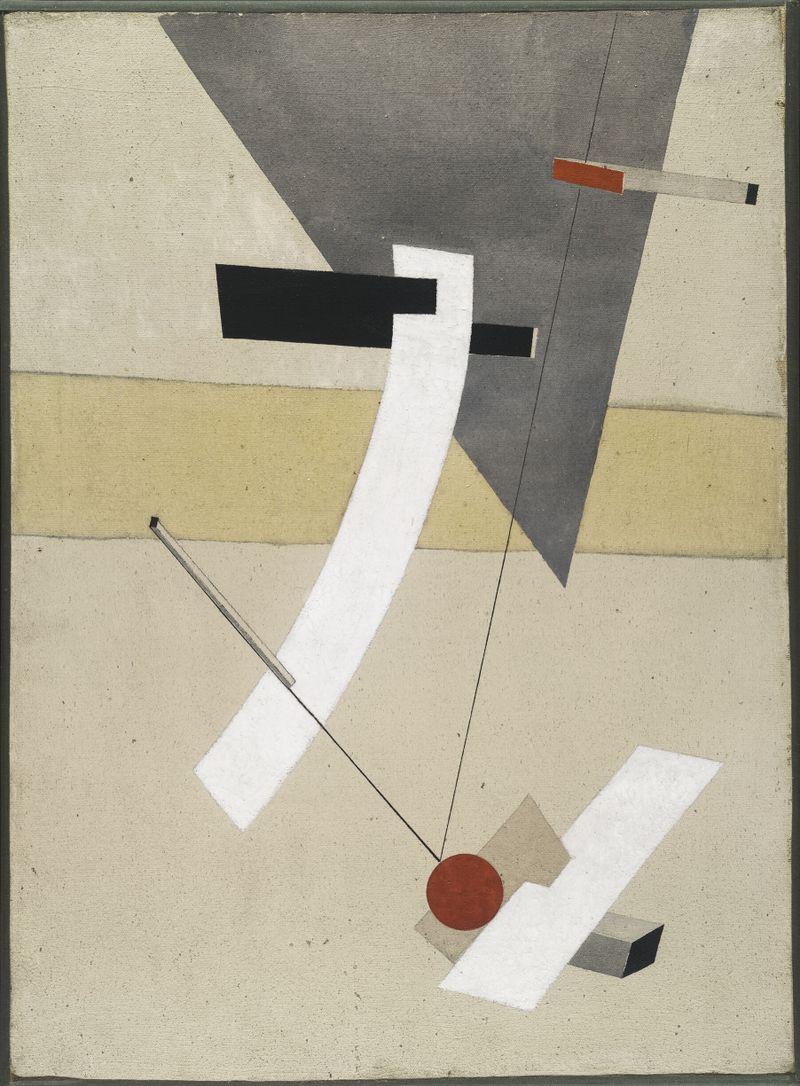
What if silence could speak through light? In the realm of abstraction, yearning finds its voice in vibrant hues and dynamic forms, echoing the complexities of human emotion. Look to the center of the canvas, where a bold interplay of white and deep blue draws your attention. These colors dance around one another, creating an inviting yet elusive focal point. Notice how the various geometrical shapes, both sharp and soft, interlock and diverge, suggesting movement and tension.
The composition is meticulously balanced, with each element seemingly weighted by its emotional significance, while the subtle brushstrokes invite the viewer to explore the depths of the artist's intention. As you delve deeper, consider the contrast between the chaotic lines that seem to erupt from the canvas and the serene background that envelops them. This tension speaks of an inner struggle — a yearning for clarity amid confusion. The interplay of light and shadow in the piece invites contemplation, provoking thoughts about the spaces between thought and feeling.
Each intersection of color suggests a moment of connection, yet it is surrounded by an expanse of silence, reflecting the paradox of existence. Viking Eggeling created Abstract Composition I during a pivotal time in art history, between 1917 and 1918, amidst the turbulence of World War I in Switzerland. This period marked a significant shift toward abstraction in art, as artists sought to break free from traditional representation and express deeper truths. Eggeling’s own life was a pursuit of progressive artistic ideals, setting the stage for the future of modernism as he explored the intersection of form and emotion.