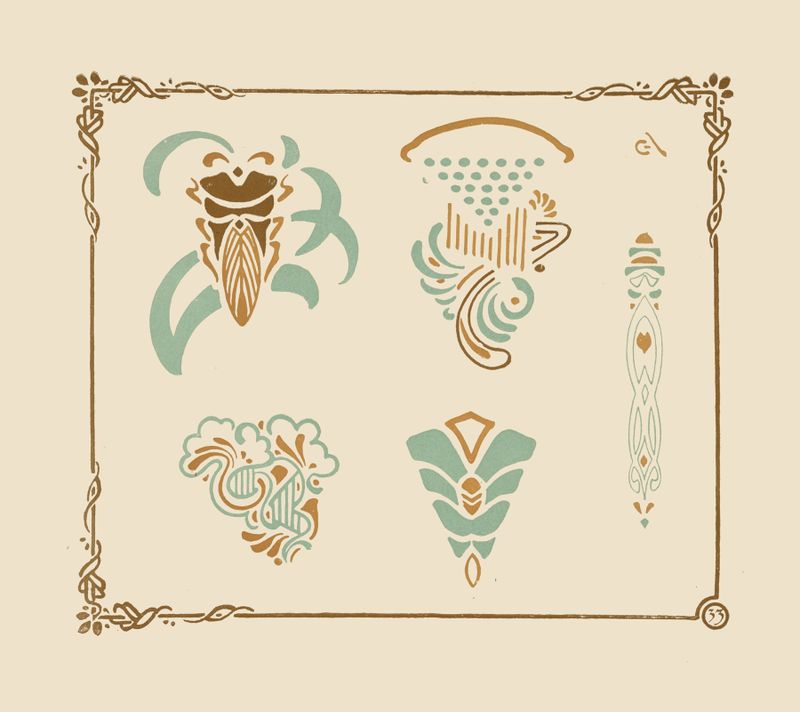
Abstract design based on organic shapes — History & Facts
When did color learn to lie? In the realm of abstraction, silence takes on form, whispering secrets hidden within organic shapes that both invite and confound. Look to the center, where vibrant hues intertwine, creating a dance of emotion within the composition. The fluidity of the lines suggests movement, as if they pulse and sway beneath your gaze. Notice how the contrasting colors exist in harmony, yet evoke a tension that provokes the viewer to question their perception.
The interplay of light and shadow adds depth, allowing the seemingly simple forms to resonate with complex emotions. Within the vibrant chaos, subtle contrasts emerge: the warm reds and cool blues vie for attention, evoking a conversation between passion and calm. The organic shapes, reminiscent of nature, speak to the chaotic beauty of life, while their abstract representation invites a more profound introspection. This duality serves as a reminder of the emotional weight carried by even the most innocent forms—an articulation of silence that reverberates through the viewer's core. In 1900, George Auriol was immersed in the avant-garde movements of Paris, exploring the boundaries of visual representation.
At this time, the art world was moving away from traditional realism, paving the way for experimentation and innovation. As Auriol delved into the realm of abstraction, his work reflected both personal exploration and the broader conversations about art, perception, and emotion emerging within the artistic community.
More Artworks by George Auriol
Browse all →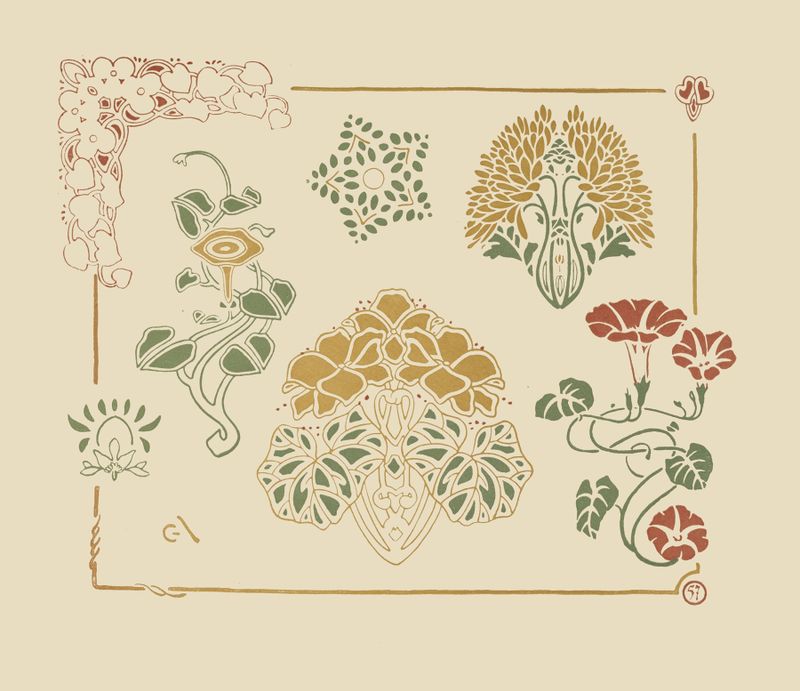
Abstract design based on leaves and trumpet-shaped flowers
George Auriol
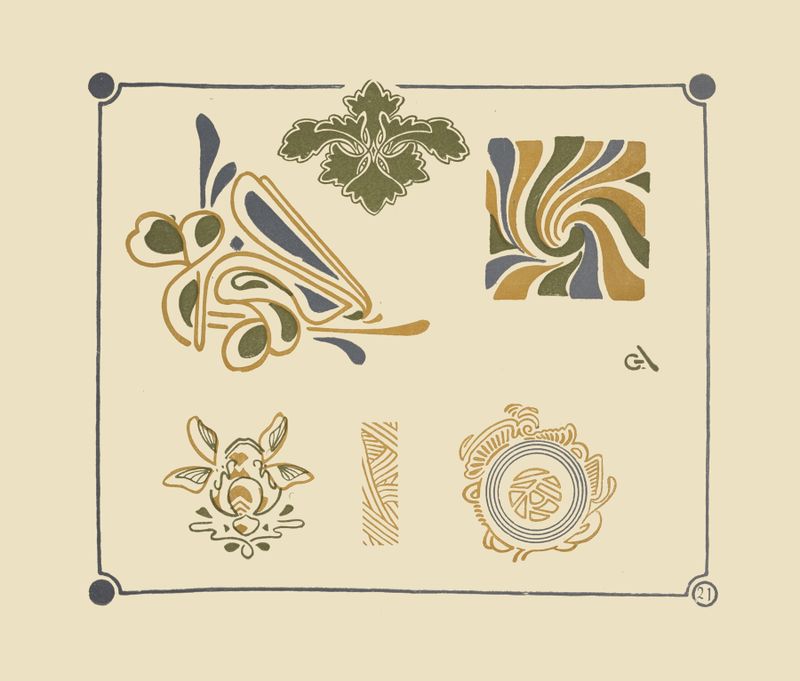
Abstract design based on leaves and arabesques
George Auriol
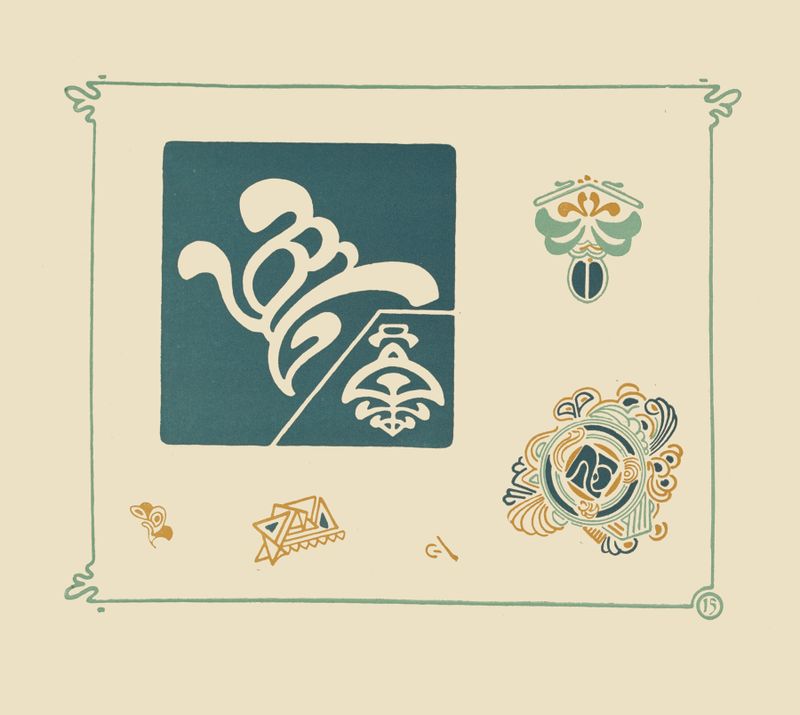
Abstract design based on leaf and feather shapes
George Auriol
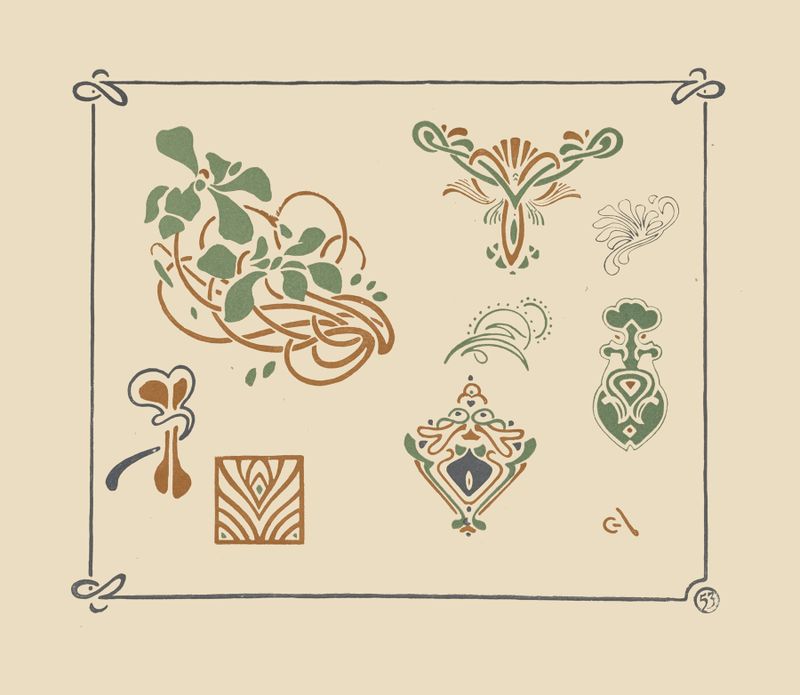
Abstract design based on leaves and organic shapes
George Auriol
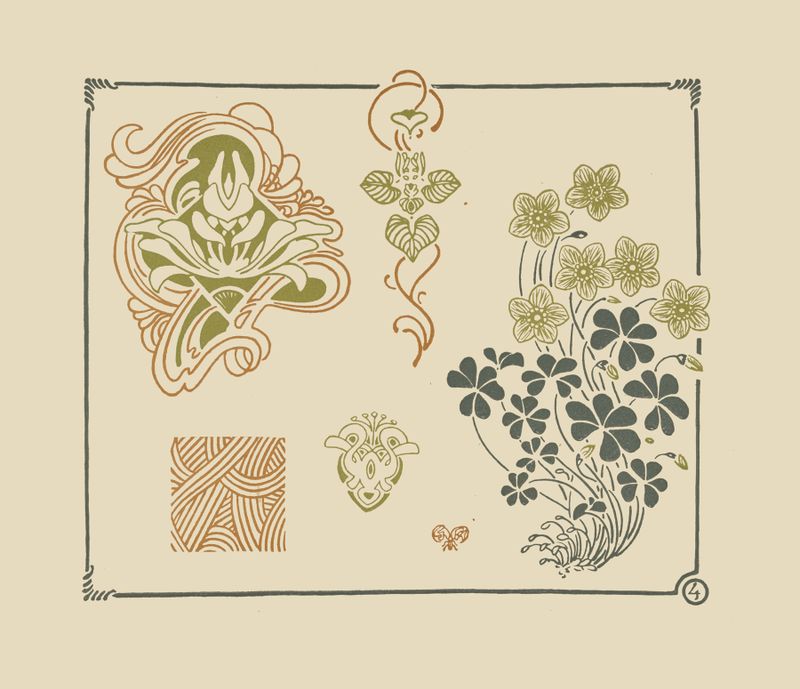
Abstract design based on flowers and leaves.
George Auriol
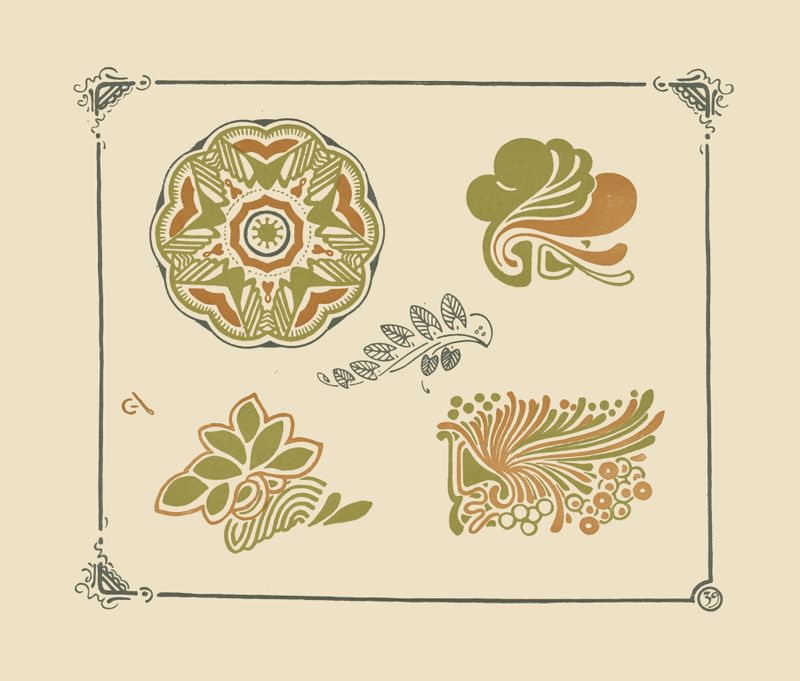
Abstract design based on leaves and organic shapes
George Auriol
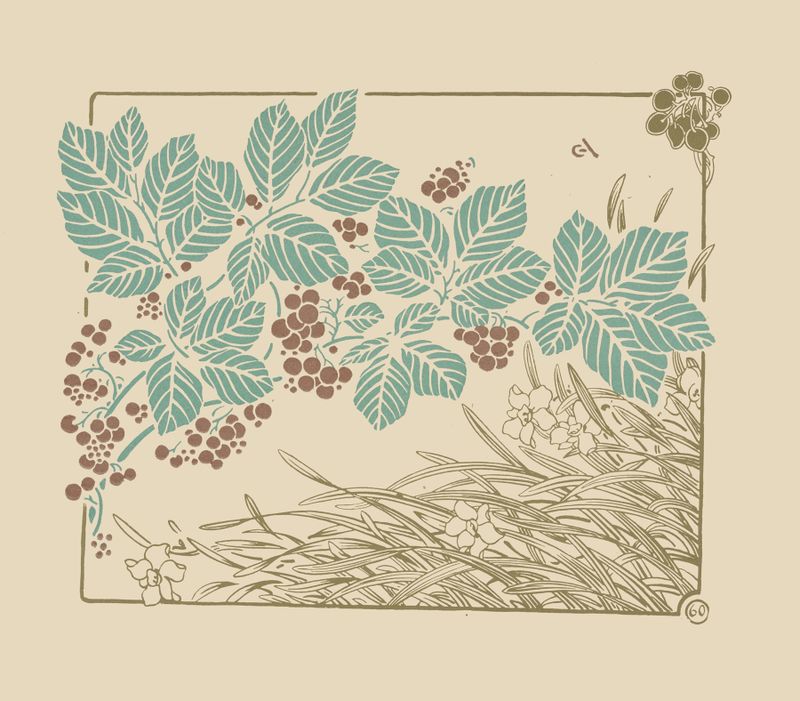
Abstract design based on leaves, grass, and flowers
George Auriol
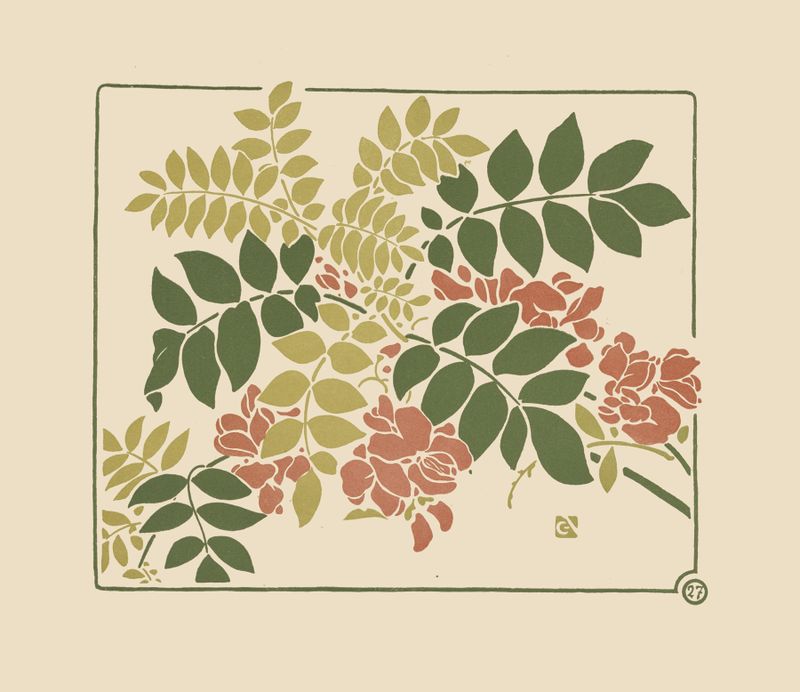
Abstract design based on flowering plants
George Auriol

Abstract design based on leaves.
George Auriol
Abstract design based on organic shapes
George Auriol