
Afgezant van Abner knielt voor David — History & Facts
Can beauty exist without sorrow? In the quiet exchange of a moment steeped in history, we find a profound narrative woven through the fabric of memory. Look closely at the figure kneeling in reverence; the intensity of his gaze draws you in first. His hands, gracefully outstretched, rest before the monumental presence of David, whose expression radiates strength tempered by an awareness of the burdens he carries. The muted earth tones envelop the scene, lending a somber elegance that contrasts sharply with the vibrant, almost ethereal light cascading around them—a light that captures both the sanctity of the moment and the complex emotions swirling within. The tension between power and vulnerability is palpable; the emissary’s humble posture speaks of submission and respect, while David’s poised demeanor reflects his impending fate as a leader.
Notice the intricate detailing in the attire—the rich fabric adorned with delicate patterns reveals the artist's meticulous attention, hinting at the societal hierarchies at play. Each brushstroke encapsulates a fleeting moment, yet simultaneously speaks to the eternal struggle of human emotion, anchoring us to our own experiences of admiration, longing, and loss. This artwork emerged during a transformative period in the early 16th century, likely between 1525 and 1530, when the Renaissance was flourishing. The artist, whose identity remains shrouded in mystery, was likely influenced by the shifting dynamics of power and spirituality prevalent in Europe at the time.
Amidst socio-political upheaval, the creation of such a piece reflects a desire to explore profound themes of connection and legacy through the lens of biblical narratives, bridging personal and collective history in a way that still resonates today.
More Artworks by Unknown Artist
Browse all →
Ridder, Dood en Duivel
Unknown Artist
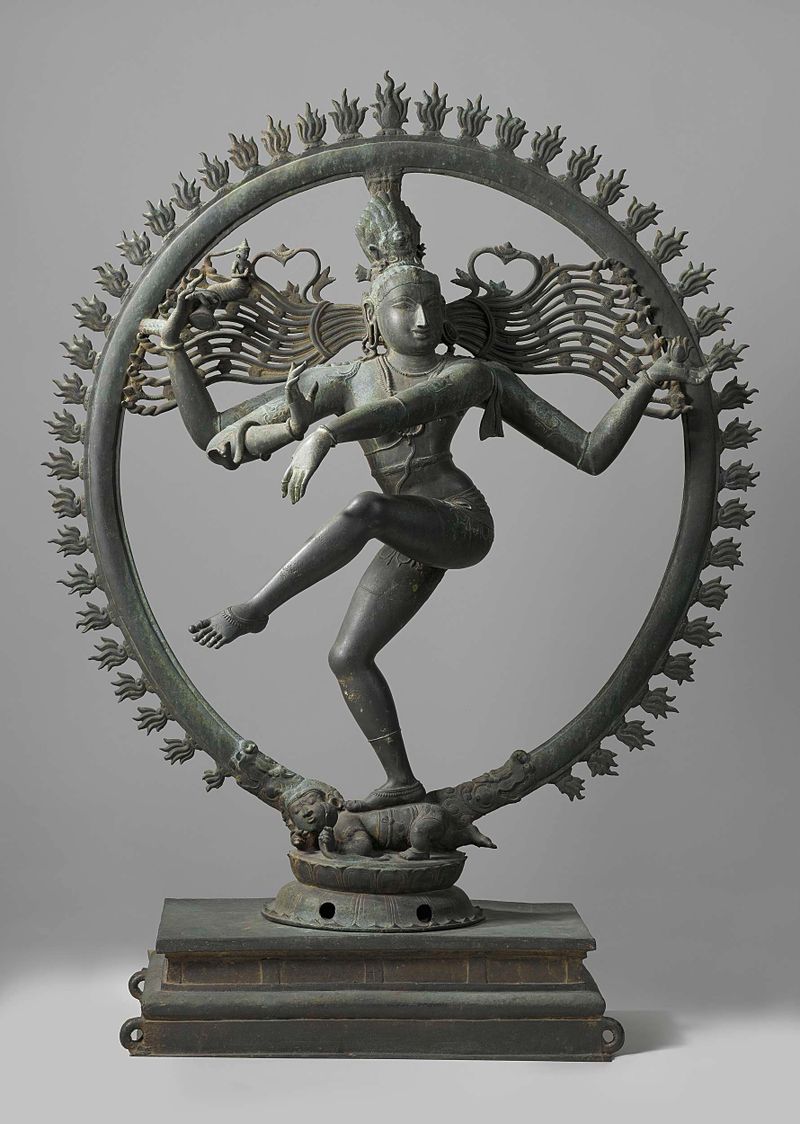
Shiva Nataraja
Unknown Artist
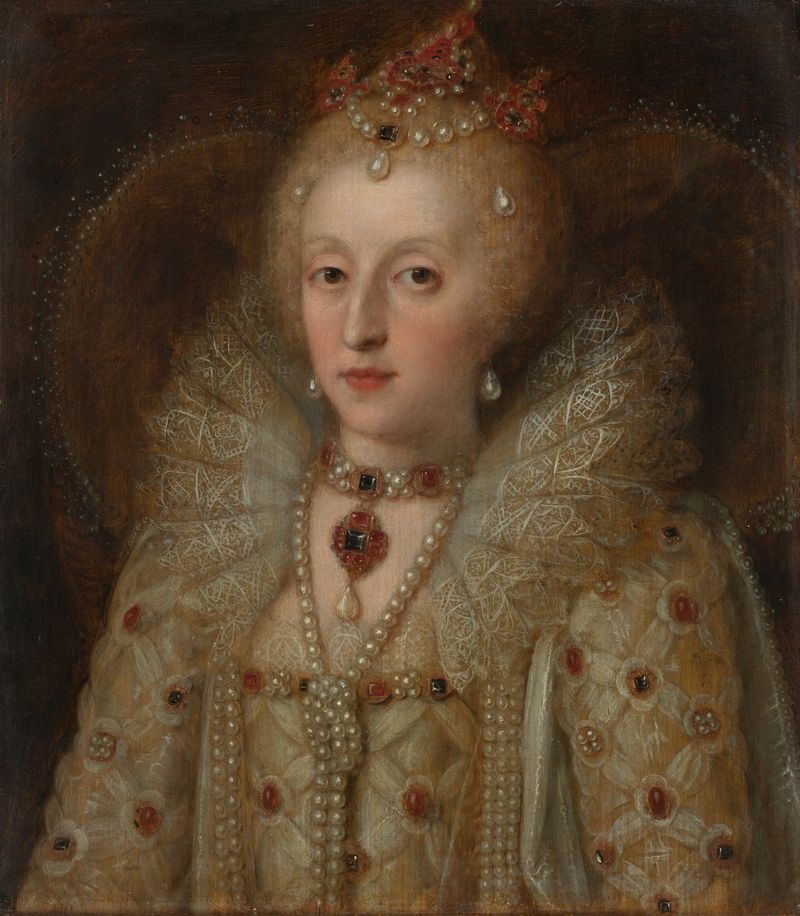
Portrait of Elizabeth I, Queen of England
Unknown Artist
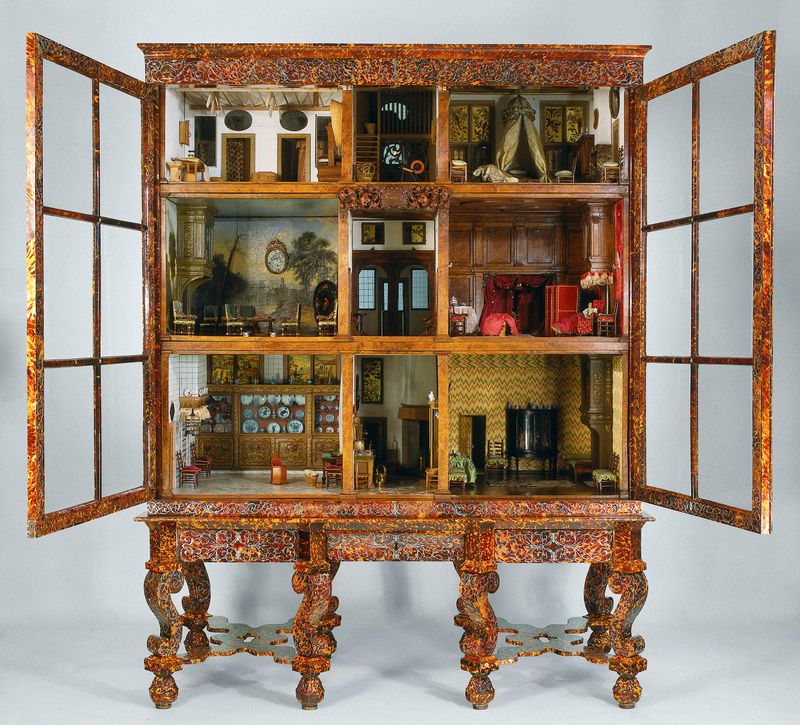
Dolls’ house of Petronella Oortman
Unknown Artist
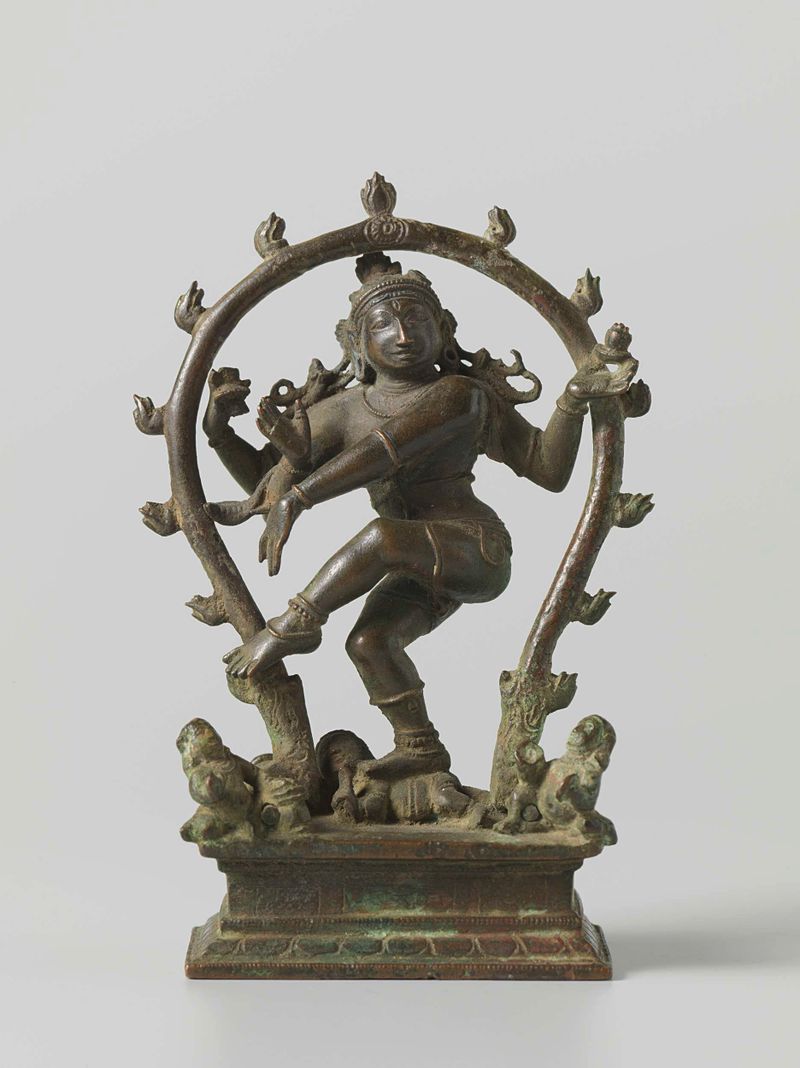
Shiva Nataraja
Unknown Artist

The Tale of Genji
Unknown Artist

The Tale of Genji
Unknown Artist

Cong
Unknown Artist
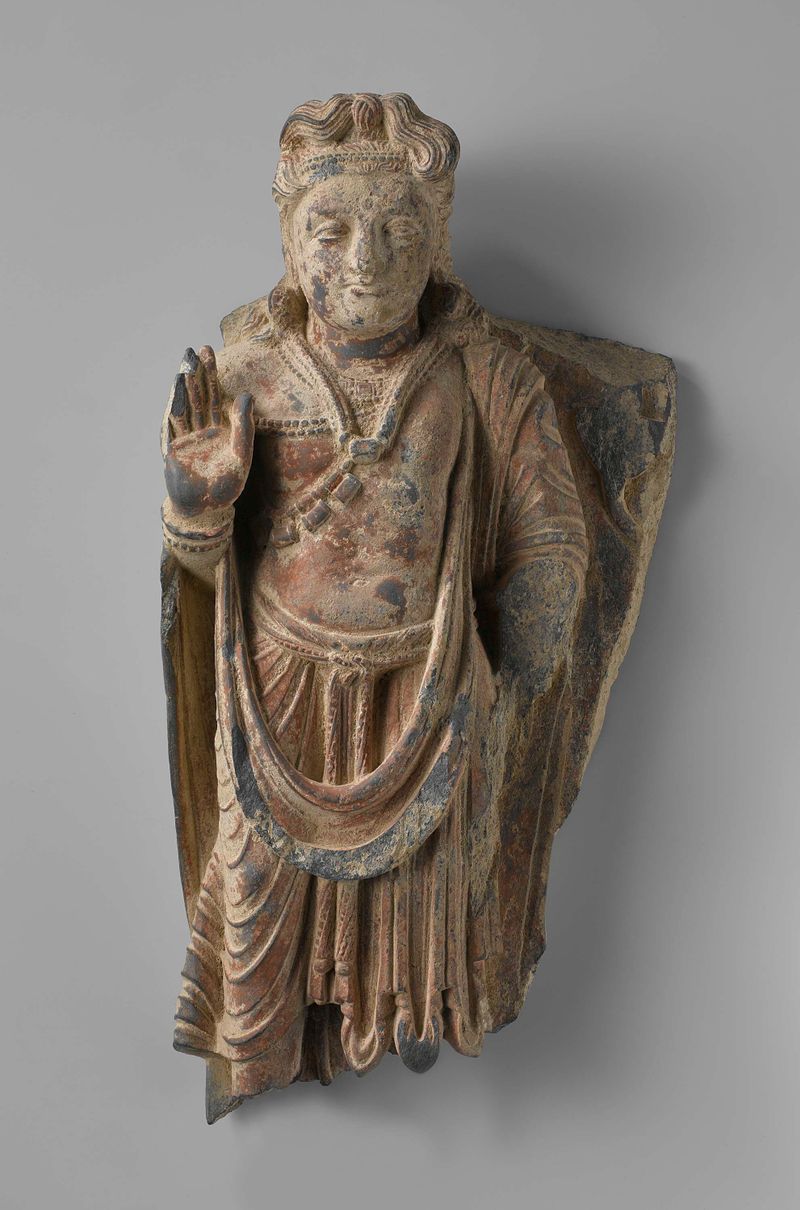
The bodhisattva Maitreya
Unknown Artist

Teabowl with a 'hare's fur' glaze
Unknown Artist
More Religious Art
Browse all →
The Return of the Prodigal Son
Rembrandt van Rijn

The Garden of Earthly Delights
El Bosco

Count Orgaz’ funeral
El Greco

The Hundred Guilder Print: the central piece with Christ preaching, the plate arched
Rembrandt van Rijn

The Descent from the Cross
Rogier van der Weyden

The return of the prodigal son
Rembrandt van Rijn