Afternoon Sun — History & Facts
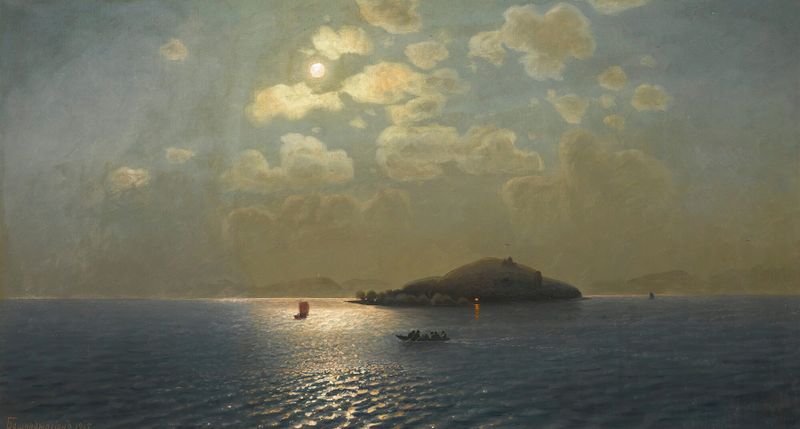
What if silence could speak through light? In Afternoon Sun, the golden rays seem to whisper stories of fleeting moments, capturing the essence of memory itself. Look to the lower left, where the soft hues of sunlight spill delicately across a tranquil landscape. Notice how the brushstrokes dance lightly across the canvas, creating an ethereal quality that blurs the boundaries between reality and recollection. The warm tones of yellow and orange contrast beautifully with the cool greens and blues, inviting the viewer to linger in this serene embrace.
The composition is carefully balanced, drawing the eye towards the interplay of light and shadow, which evokes a sense of nostalgia for tranquil afternoons. Delving deeper, one might realize that the layering of colors speaks to the complexities of memory—both vivid and blurred at times. The subtle interplay between light and dark suggests an emotional depth, hinting at the dual nature of recollection: moments of joy intertwined with the bittersweet passage of time. The scattered patches of sunlight can be seen as fragments of a cherished memory, illuminating the contours of the landscape while leaving shadows that remind us of what has been lost. In 1919, Bashinzhagyan was painting during a tumultuous period in Russia, shortly after the Revolution.
This work reflects a moment of personal introspection amidst global chaos, revealing how the artist sought solace in the beauty of light and nature. He embraced these themes as he navigated his evolving identity in the world of art, capturing a stillness that resonated with both his experience and the shifting tides of his era.