Ailsa Craig — History & Facts
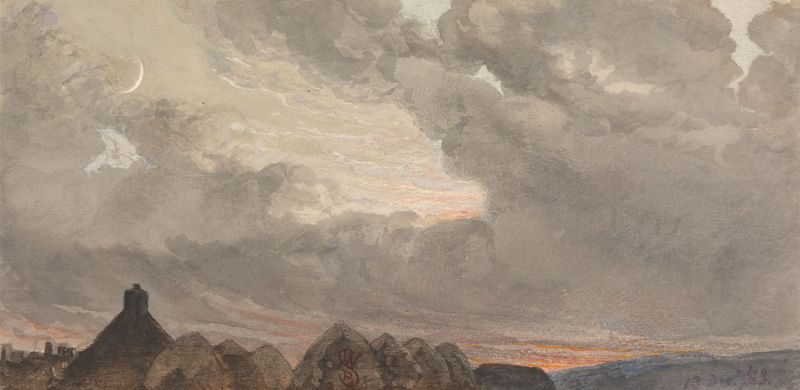
Can beauty exist without sorrow? In the delicate balance of nature's splendor lies a profound truth that echoes through the canvas. Begin your journey by focusing on the dramatic composition of the painting. Look to the horizon, where Ailsa Craig rises majestically, its rugged cliffs contrasting with the soft, swirling clouds above. The artist employs a palette of muted blues and earthy greens, capturing the interplay of light and shadow that defines the landscape.
The gentle ripples of the water reflect the colors above, seamlessly blending earth and sky in a harmonious embrace, inviting the viewer to delve deeper into its serene yet powerful presence. As you explore further, you'll discover emotional layers beneath the surface. The imposing stature of the island may evoke feelings of isolation and longing, while the tranquil waters suggest a soothing calm that belies hidden turbulence. The delicate brushwork in the clouds hints at a fleeting moment, where beauty and transience coexist, reminding us of the ecstasy found within nature’s impermanence. William Bell Scott painted this piece during a period marked by artistic exploration and the burgeoning of the Pre-Raphaelite movement.
Created in the mid-19th century, it reflects the era's fascination with nature and a desire to connect deeper emotions with the landscape. Living in Scotland, Scott was influenced both by the dramatic scenery around him and by the evolving styles of his contemporaries, resulting in a complex, contemplative work that resonates with viewers even today.