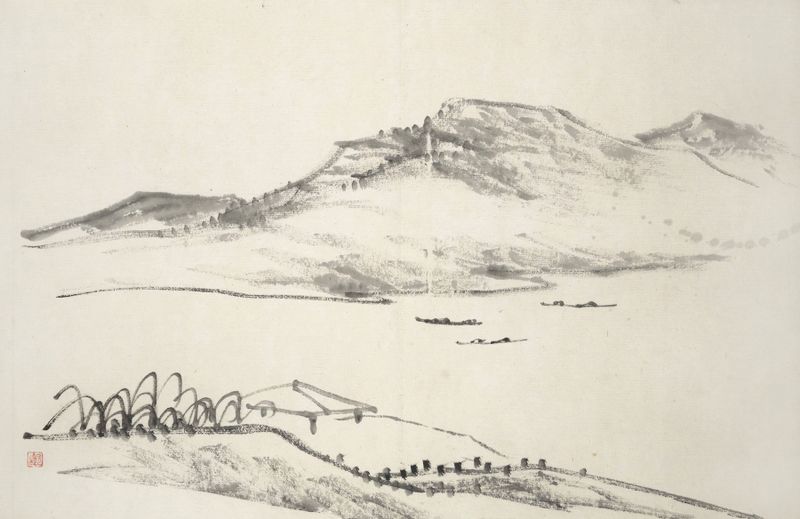
Album of Fifteen Ink Paintings Pl.03 — History & Facts
When did color learn to lie? In this delicate interplay of ink and pigment, destiny is not just a theme, but a whisper that beckons the viewer to delve deeper into the soul of the painting. Focus first on the swirling forms that dance across the canvas, their movement both chaotic and harmonious. Look closely at the soft gradations of color, where deep indigos bleed into warm ochres, creating a dreamlike atmosphere. The intricate brushstrokes reveal not only the artist's mastery of technique but also an emotional depth that beckons exploration.
Notice how the light appears to pulse within the ink, inviting the eye to trace the winding paths that suggest an unseen narrative. Hidden beneath the surface is a tension between stillness and motion, as if the ink itself holds the weight of the world. The convergence of shapes hints at connections—some joyful, others fraught with uncertainty—reflecting the complex nature of human experience. Each stroke speaks of a destiny intertwined, crafting a language of longing and introspection that resonates with the viewer, urging them to ponder their own journey. In 1850, Hine Taizan created this piece during a period of profound change in Japan, marked by the transition from isolation to engagement with the West.
Living in the Edo period, he was influenced by traditional Japanese aesthetics while also navigating new artistic ideas. This painting is an expression of his exploration of identity and fate within the shifting tides of his society, underscored by a mastery that would leave a lasting impact on future generations.
More Artworks by Hine Taizan
Browse all →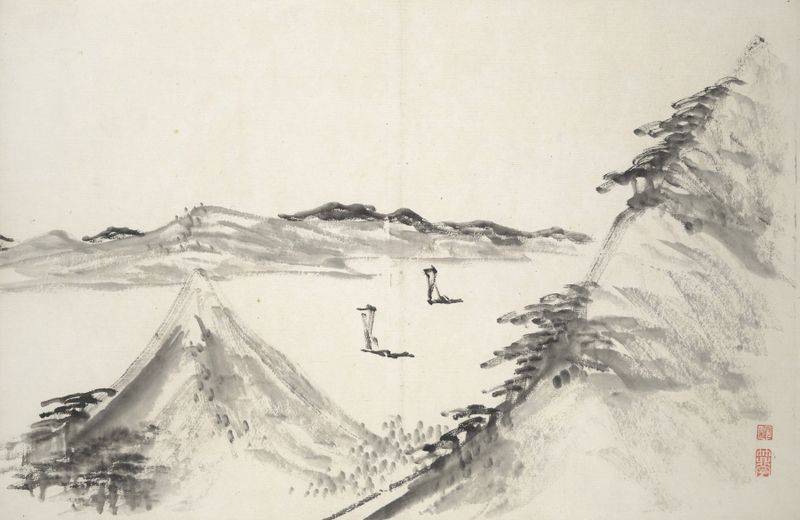
Album of Fifteen Ink Paintings Pl.15
Hine Taizan

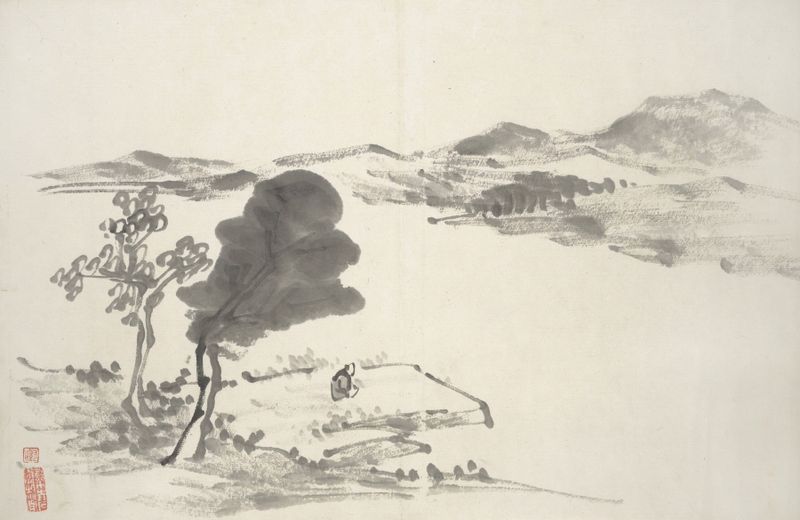
Album of Fifteen Ink Paintings Pl.06
Hine Taizan
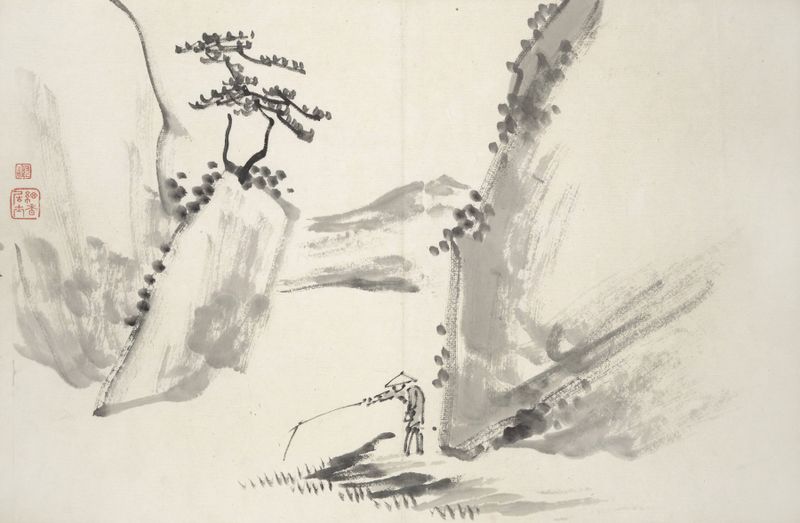
Album of Fifteen Ink Paintings Pl.01
Hine Taizan
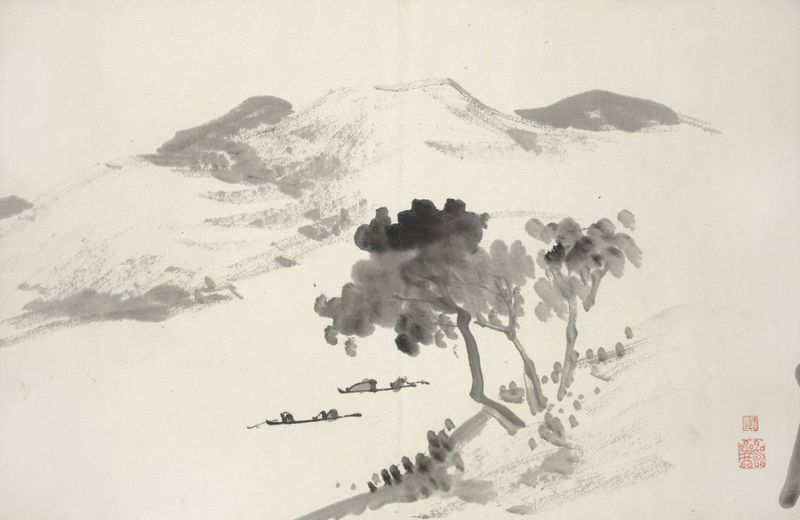
Album of Fifteen Ink Paintings Pl.09
Hine Taizan
Album of Fifteen Ink Paintings Pl.07
Hine Taizan
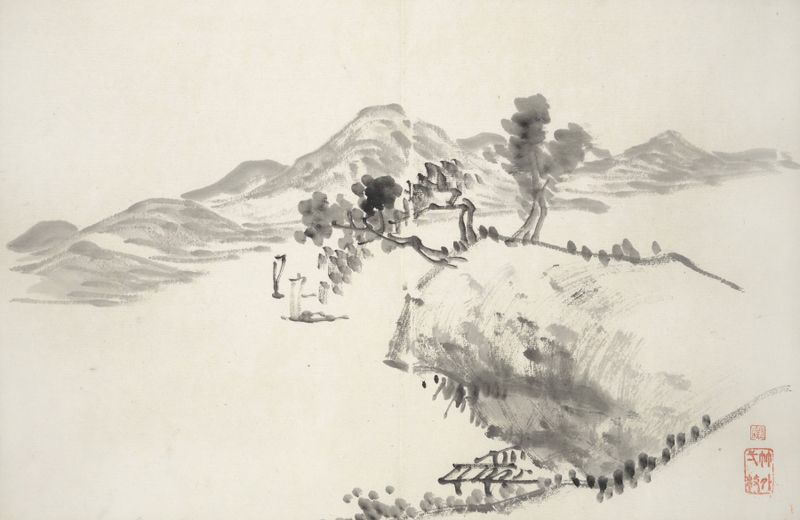
Album of Fifteen Ink Paintings Pl.13
Hine Taizan
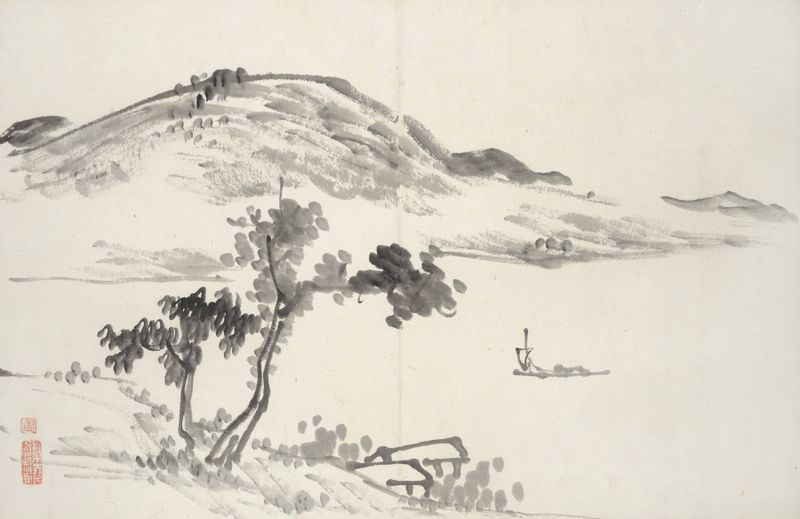
Album of Fifteen Ink Paintings Pl.05
Hine Taizan
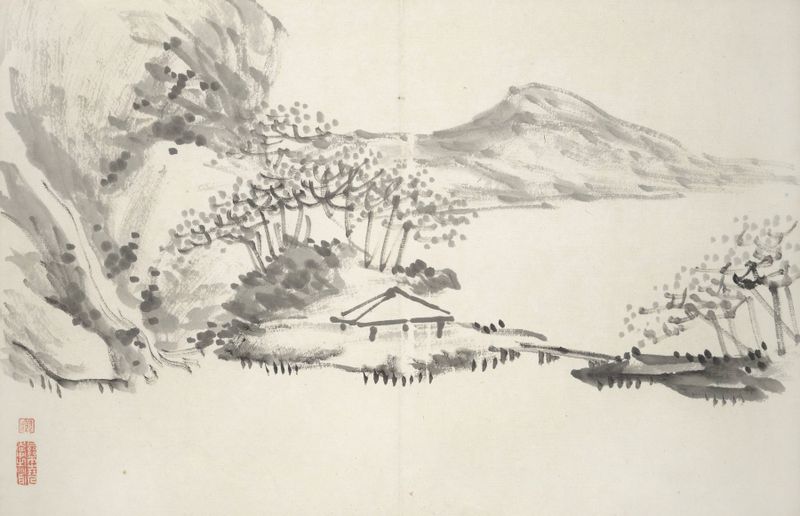
Album of Fifteen Ink Paintings Pl.10
Hine Taizan
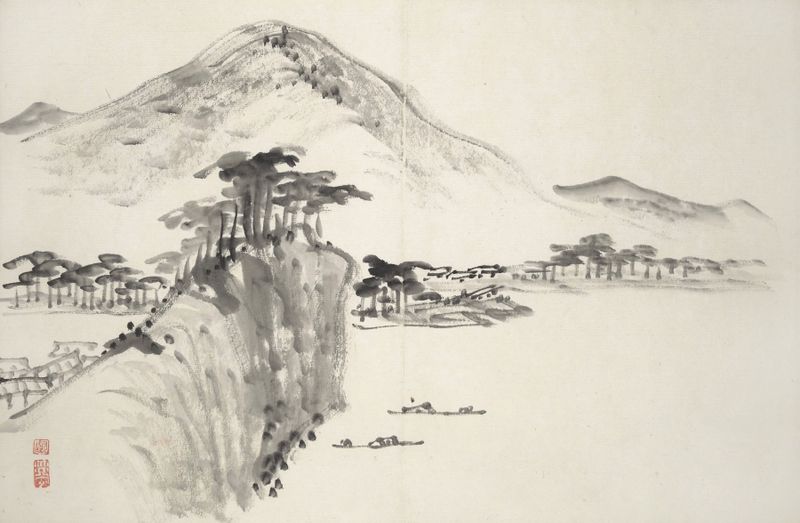
Album of Fifteen Ink Paintings Pl.14
Hine Taizan
Album of Fifteen Ink Paintings Pl.12
Hine Taizan