
Alej — History & Facts
Did the painter know this moment would outlive them? In Alej, Károly Kernstok captures a profound obsession that transcends time, inviting the viewer to linger in a world suspended between reality and the artist’s fervent imagination. Look to the center of the canvas, where a figure emerges, rendered in rich, earthy tones that evoke a sense of intimacy and urgency. The bold brushstrokes create dynamic movement, swirling around the subject as if the very air buzzes with emotion. Notice how the light caresses the figure's contours, illuminating the depths of their expression while casting shadows that hint at hidden turmoil.
The contrasting hues of deep browns and vibrant ochres work in harmony, drawing the eye and inviting a deeper contemplation of the inner life portrayed. As you explore the piece further, observe the subtle details—the clenched hands, the furrowed brow—alluding to an inner struggle. This duality between longing and trepidation reflects the human experience, suggesting that obsession can both inspire and imprison. Kernstok’s choice to depict the scene with such raw intensity lays bare the complexity of desire itself, revealing not only the beauty of the moment but also the weight of expectation that accompanies it. Károly Kernstok created Alej between 1923 and 1928 during a time of personal and artistic exploration in Hungary.
Emerging from the shadow of World War I, his works began to blend modernist influences with traditional Hungarian themes, reflecting the tensions of a society in flux. This period marked a significant evolution in his style, as he sought to convey deeper psychological truths through his art, establishing a bridge between the external world and internal struggles that resonate to this day.
More Artworks by Károly Kernstok
Browse all →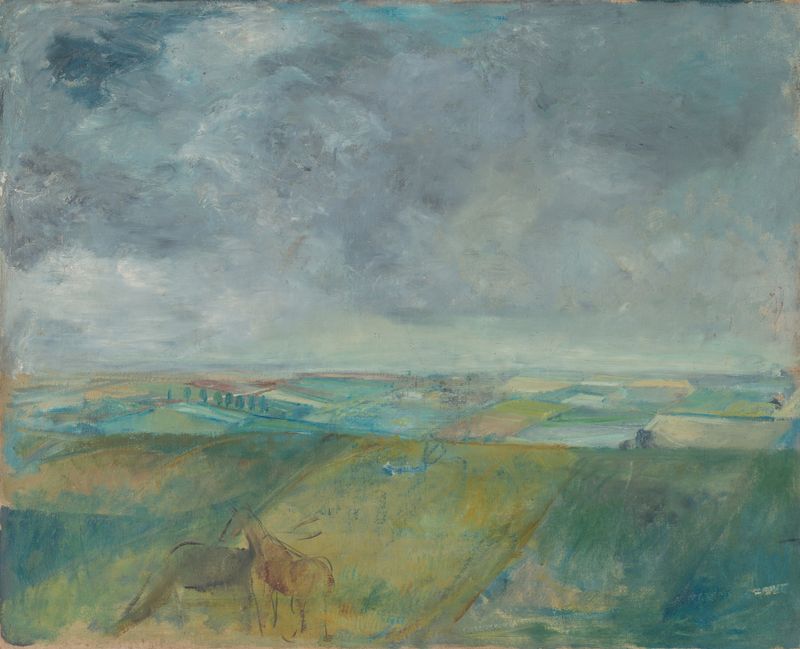
More Portrait Art
Browse all →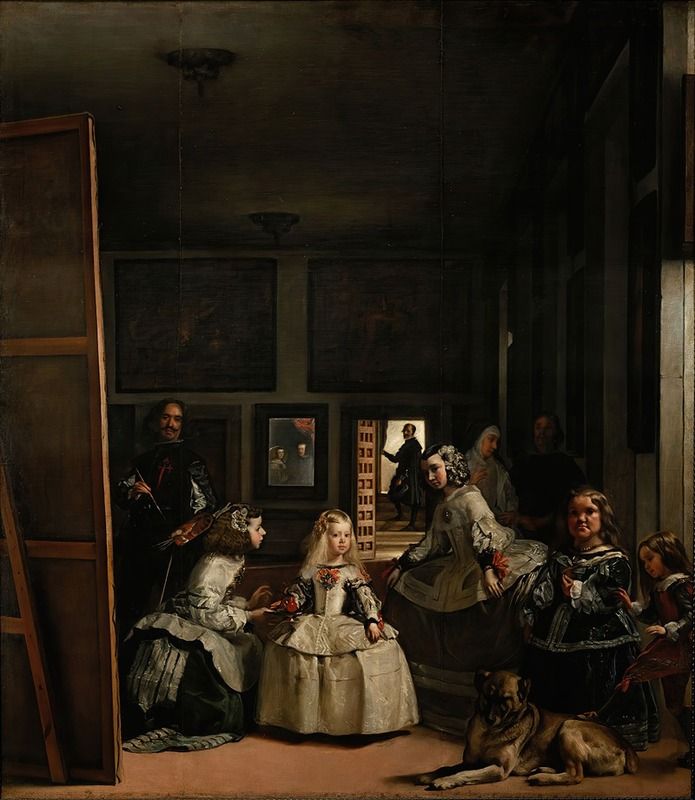
Las meninas
Diego Velázquez

Self-portrait with a Bandaged Ear and Pipe
Unidentified artist
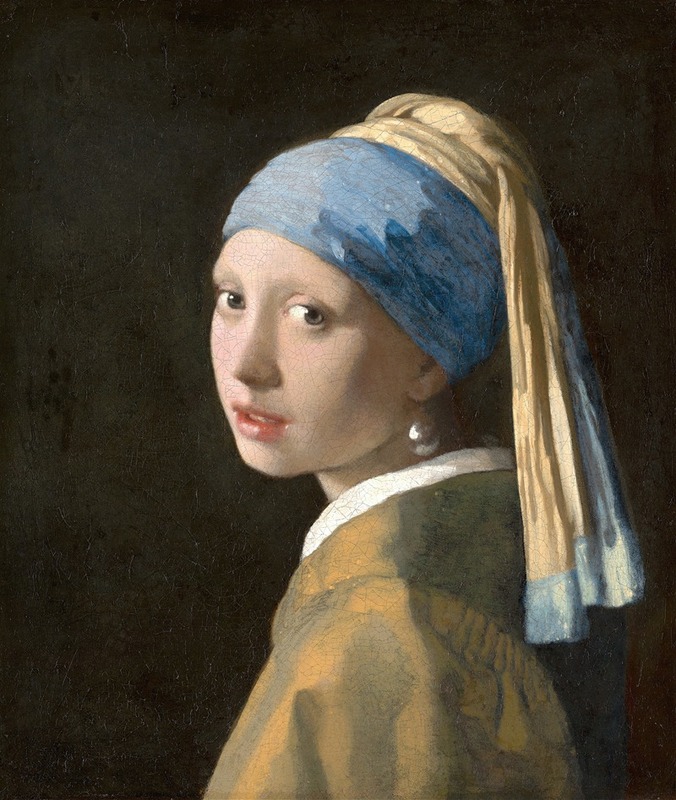
Girl with a Pearl Earring
Johannes Vermeer

The Sampling Officials of the Amsterdam Drapers’ Guild, Known as ‘The Syndics’
Rembrandt van Rijn

The Hundred Guilder Print: the man seen on the back in the lower left corner
Rembrandt van Rijn

Portrait of Dr Gachet
Vincent van Gogh