
Alnwick Castle — History & Facts
Where does light end, and longing begin? This question resonates deeply in the portrayal of Alnwick Castle, as a shimmering glow dances across the stone walls, beckoning the heart to wander through its halls of history and desire. Look to the left at the majestic towers, their silhouettes etched against a fading sky, a palette of dusky blues and warm ambers inviting contemplation. The delicate brushwork reveals texture in the masonry, while dappled sunlight highlights the archways, drawing your gaze toward the invitation of the castle’s entrance. The composition balances the solid structure of the castle with the ethereal quality of the natural surroundings, creating a nostalgic bridge between the permanence of stone and the fleeting nature of light. In the interplay of shadow and illumination lies a deeper emotional narrative.
The castle stands as a metaphor for aspiration, a symbol of both protection and isolation, where the viewer can sense an invisible weight of longing and dreams unfulfilled. This duality speaks to a universal desire: a yearning for connection, both with the past and the possibility of what might lie beyond the horizon. Each brushstroke narrates a silent story of those who once sought refuge within its walls, suggesting a shared experience of human vulnerability. William Beilby created Alnwick Castle during a time when the Romantic movement was at its height, likely in the late 18th century.
As he painted, the world around him was undergoing significant change, with a growing appreciation for the sublime in nature and heritage. His works reflect not only a personal engagement with the landscape but also the broader artistic trends that valued imagination and emotional resonance in response to the industrial transformations sweeping across England.
More Artworks by William Beilby
Browse all →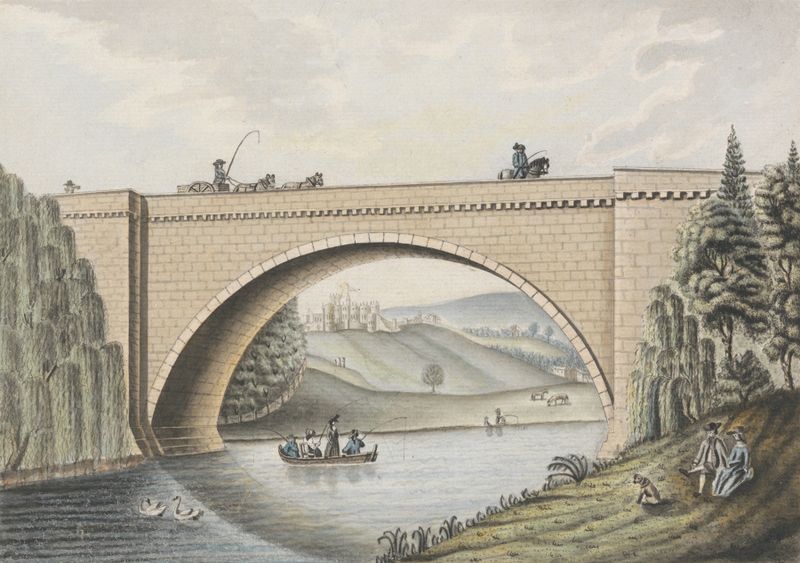
Brick Bridge
William Beilby
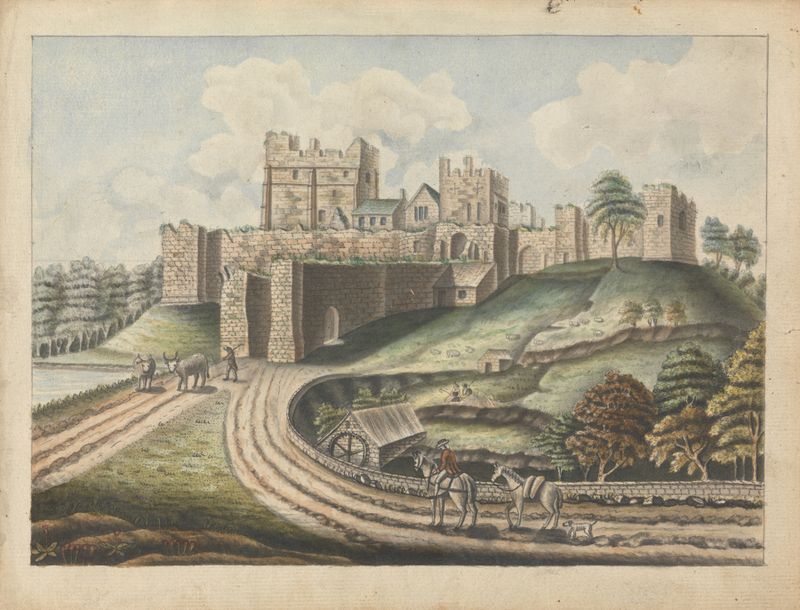
Prudhoe Castle, Northumberland
William Beilby
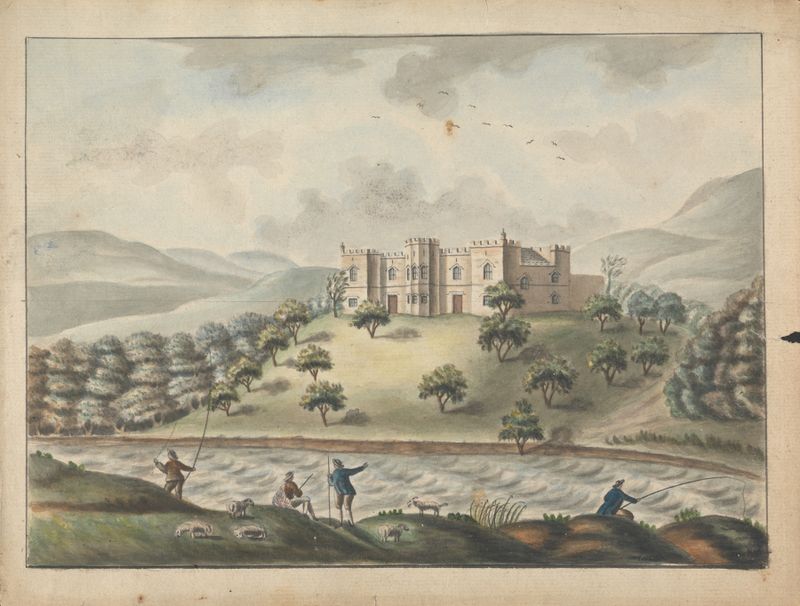
Kielder Castle, Northumberland..
William Beilby
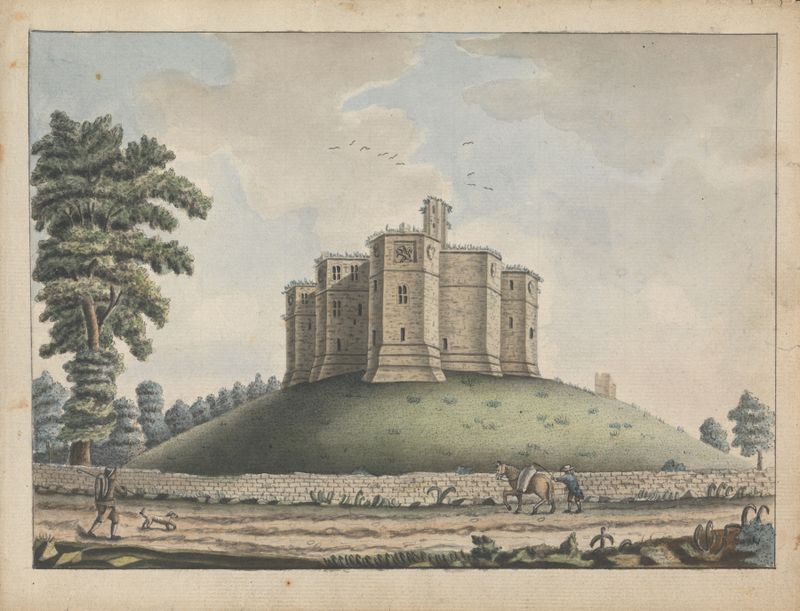
Warkworth Castle, Northumberland
William Beilby
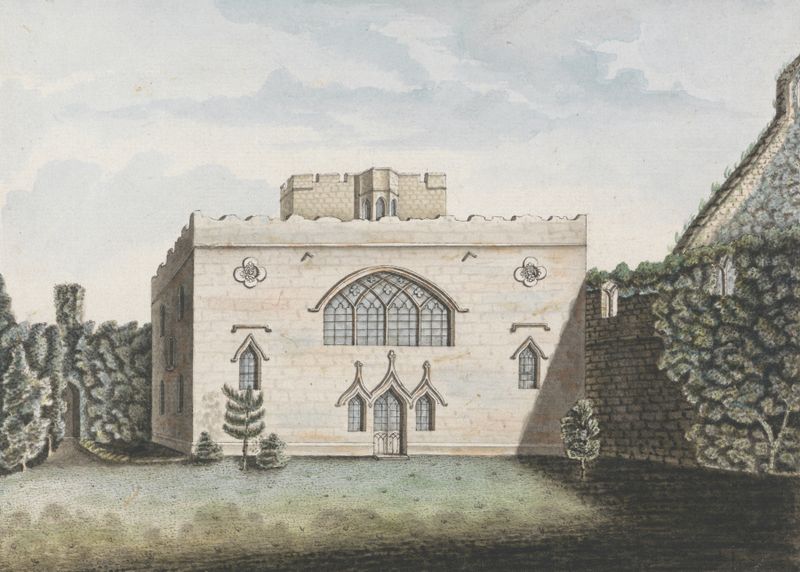
Syon House; Chapel
William Beilby
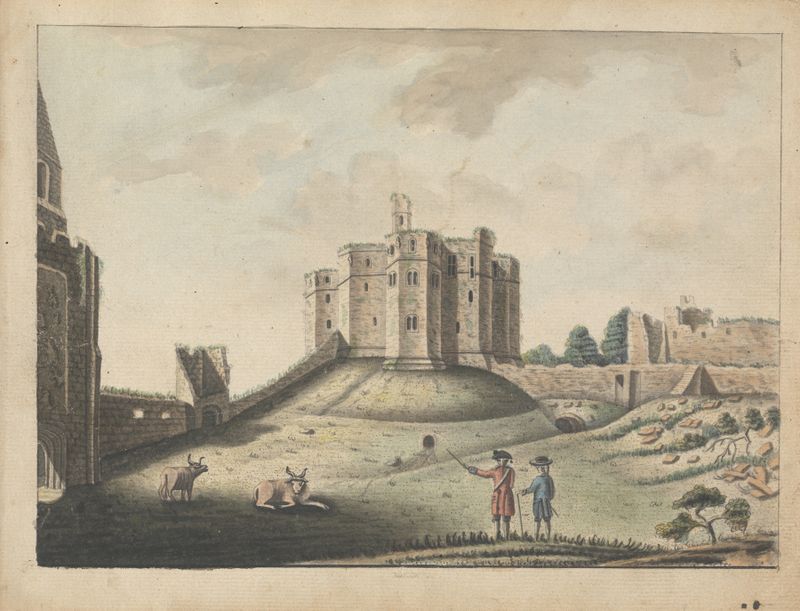
Warkworth Castle, Northumberland..
William Beilby
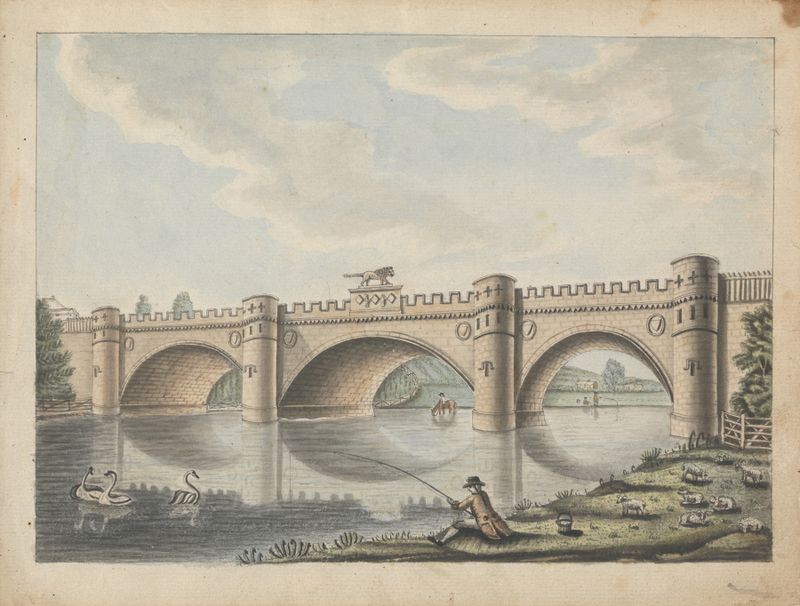
Bridge at Alnwick Castle, Northumberland
William Beilby
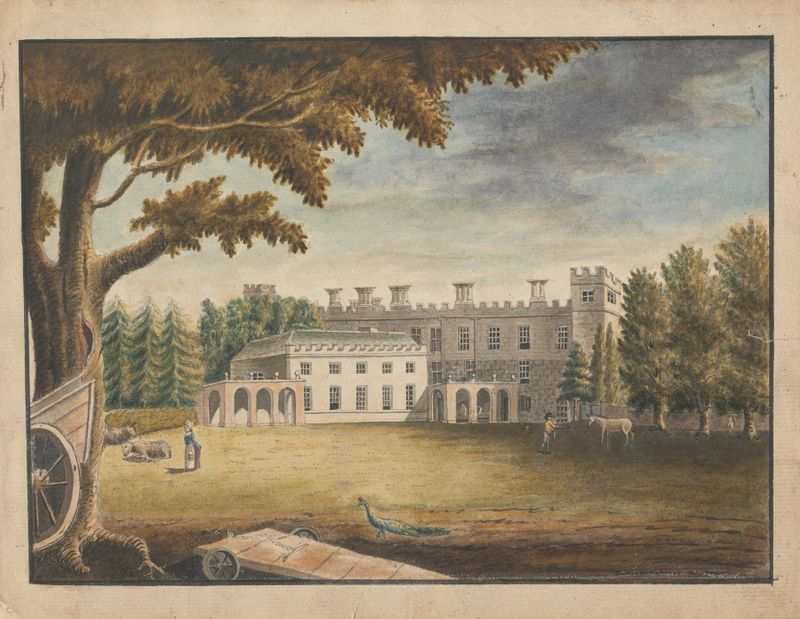
Syon House, London
William Beilby
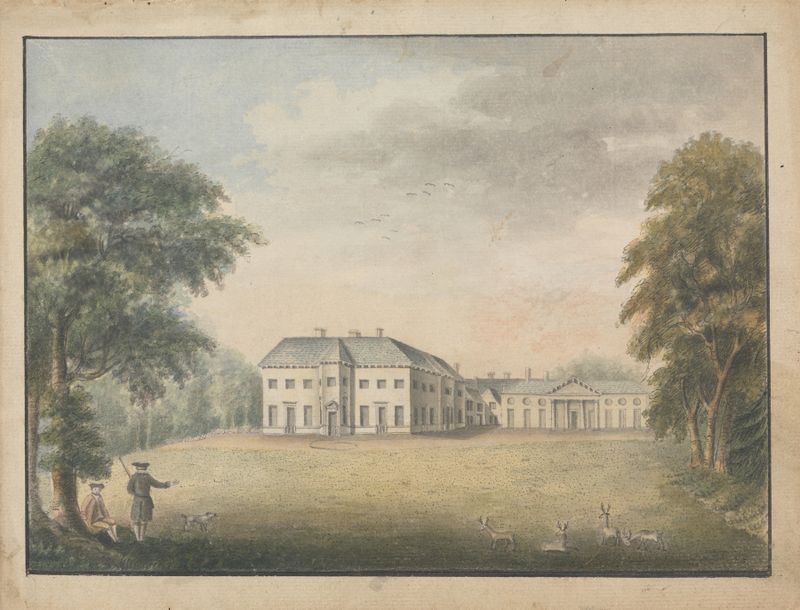
Stanwich Park, Yorkshire
William Beilby
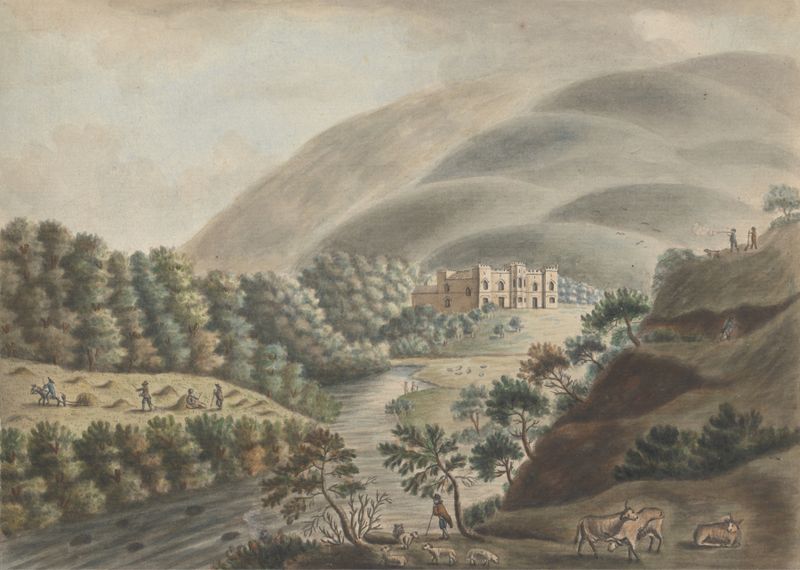
Kielder Castle, Northumberland
William Beilby
More Architecture Art
Browse all →
The statue of Liberty
Frédéric Auguste Bartholdi

View of Houses in Delft, Known as ‘The Little Street’
Johannes Vermeer

View of Houses in Delft, Known as ‘The Little Street’
Johannes Vermeer

The Cathedral in Rouen. The portal, Grey Weather
Claude Monet

The yellow house
Vincent van Gogh

The Church in Auvers-sur-Oise, View from the Chevet
Vincent van Gogh