
Altaarfragment met voorstelling van Petrus — History & Facts
In the delicate interplay between chaos and devotion, we encounter the hidden complexities of faith and human experience, captured in this work from the 12th century. Look to the center of the piece, where the figure of Petrus emerges with quiet authority, the folds of his garments rendered with meticulous detail. Notice how the deep blues and rich reds dominate the palette, framing the figure against a backdrop of golden accents that hint at the divine. The artist's deliberate use of line draws the eye across the composition, creating a sense of movement that contrasts with the stillness of the scene. Within this serene depiction lies the turmoil of spiritual struggle.
The anguished expressions of the surrounding figures resonate with a palpable tension, suggesting a myriad of unspoken fears and hopes. The chaotic complexity of their gestures speaks to the inner conflicts of faith, revealing a narrative that transcends the image itself. Each detail, from the intricate patterns of their clothing to the subtle interplay of light and shadow, adds layers of meaning, inviting contemplation on the nature of belief amid uncertainty. Painted between 1190 and 1200, the artist of this altar fragment created a work that reflects the turbulent socio-religious landscape of medieval Europe.
During this period, the Catholic Church held immense power, and artistic expression often served to communicate theological ideas. The anonymity of the creator underscores a collective devotion, emphasizing the era's focus on spirituality over individual recognition. This fragment remains a poignant reminder of the era’s artistic and cultural dynamics, echoing the chaos of its time within a fragile beauty.
More Artworks by Unknown Artist
Browse all →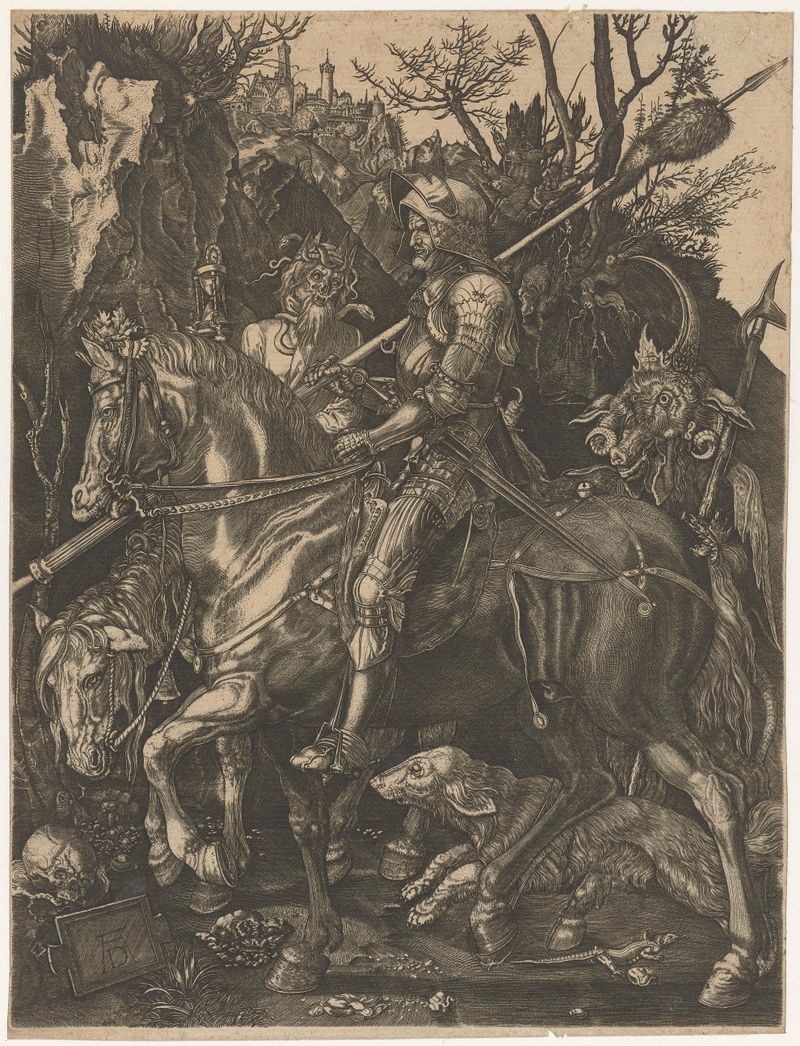
Ridder, Dood en Duivel
Unknown Artist
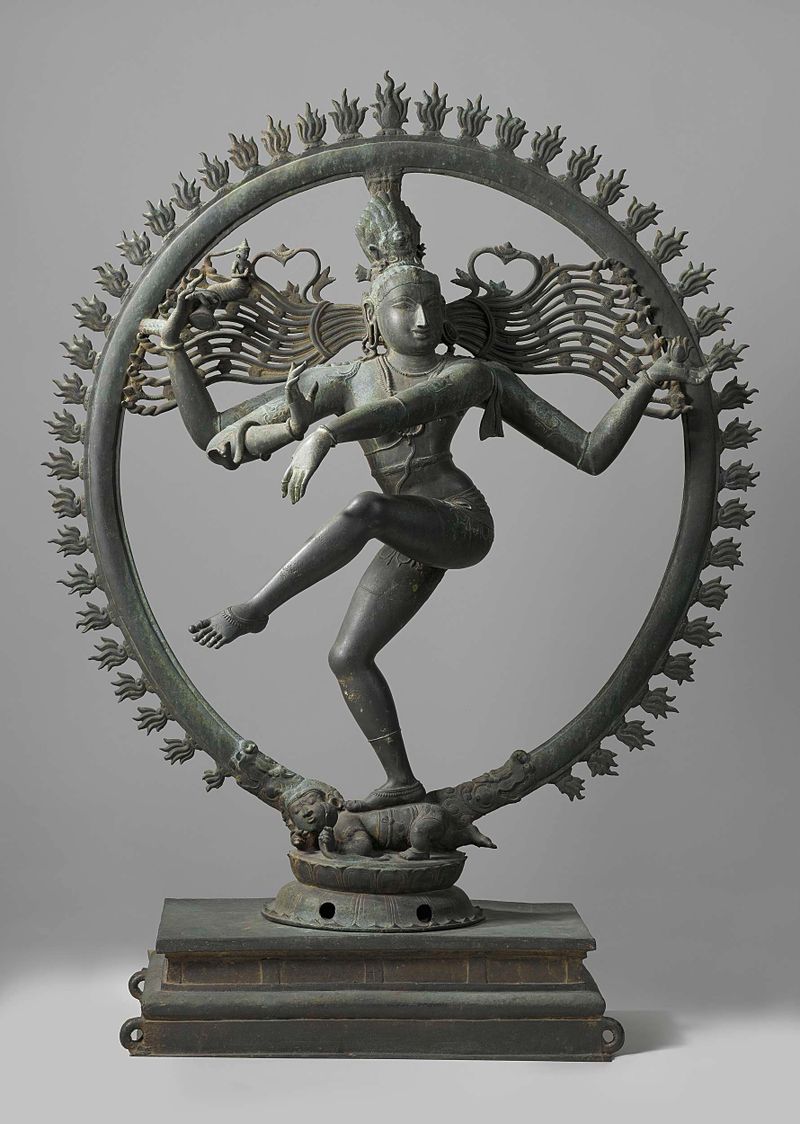
Shiva Nataraja
Unknown Artist
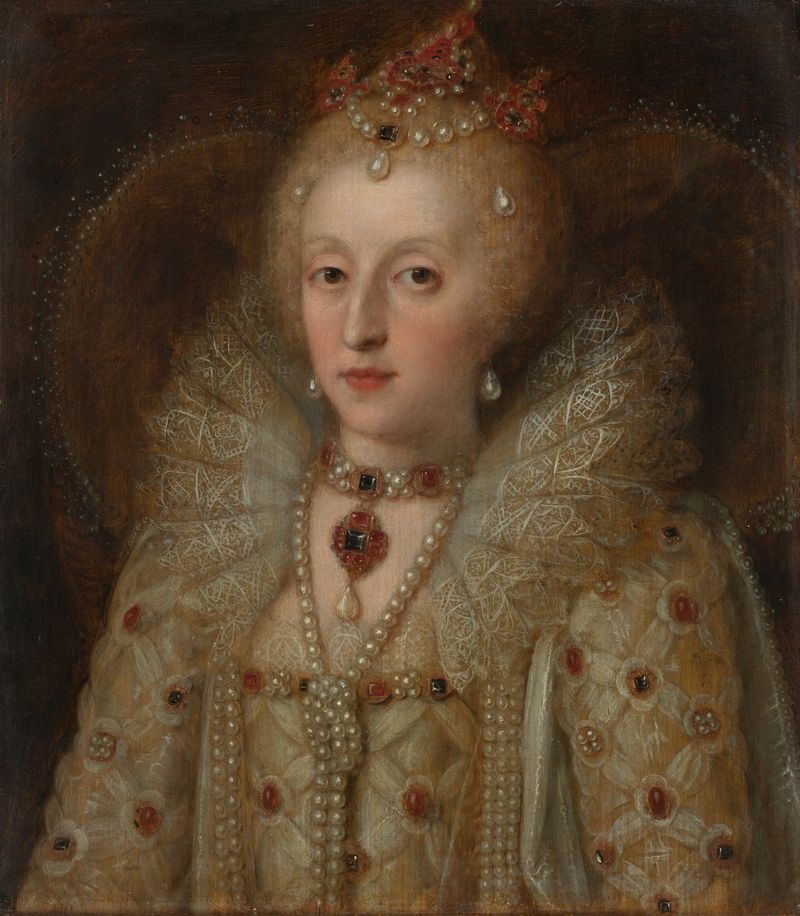
Portrait of Elizabeth I, Queen of England
Unknown Artist
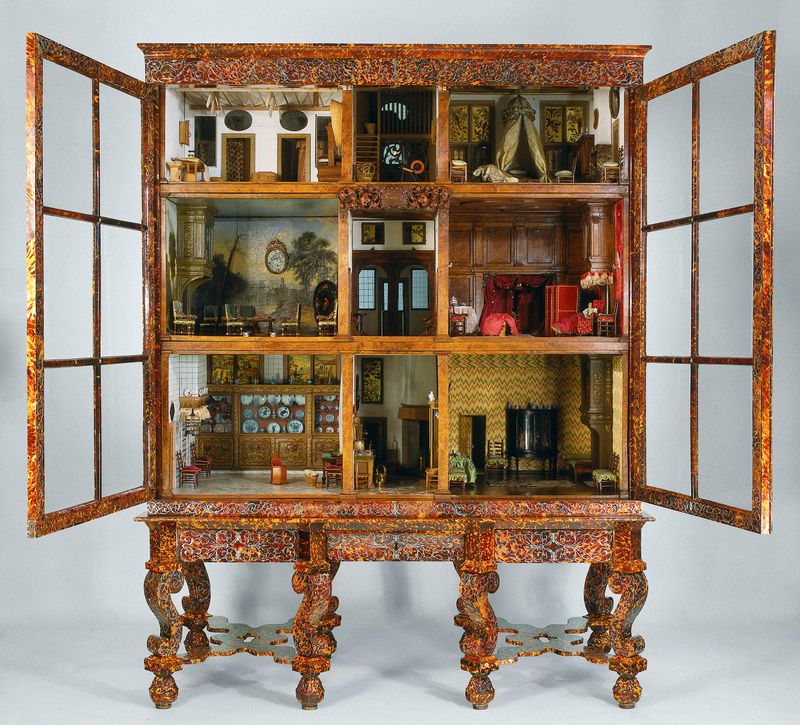
Dolls’ house of Petronella Oortman
Unknown Artist
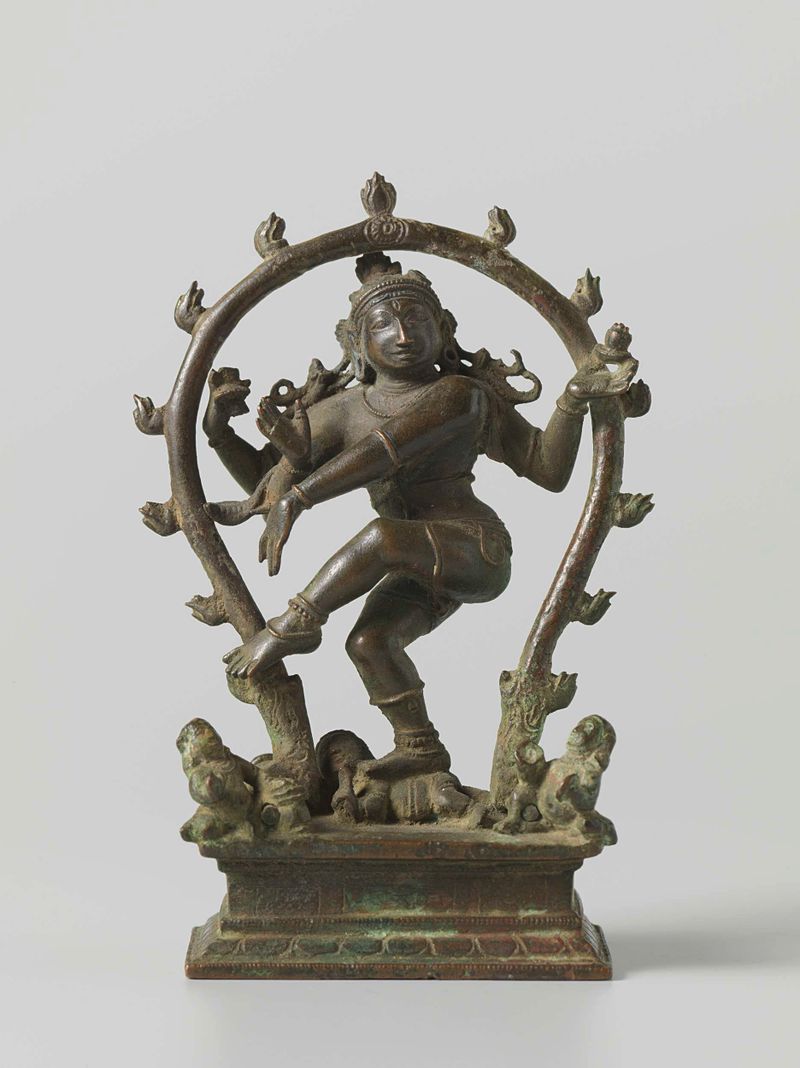
Shiva Nataraja
Unknown Artist

The Tale of Genji
Unknown Artist

The Tale of Genji
Unknown Artist

Cong
Unknown Artist
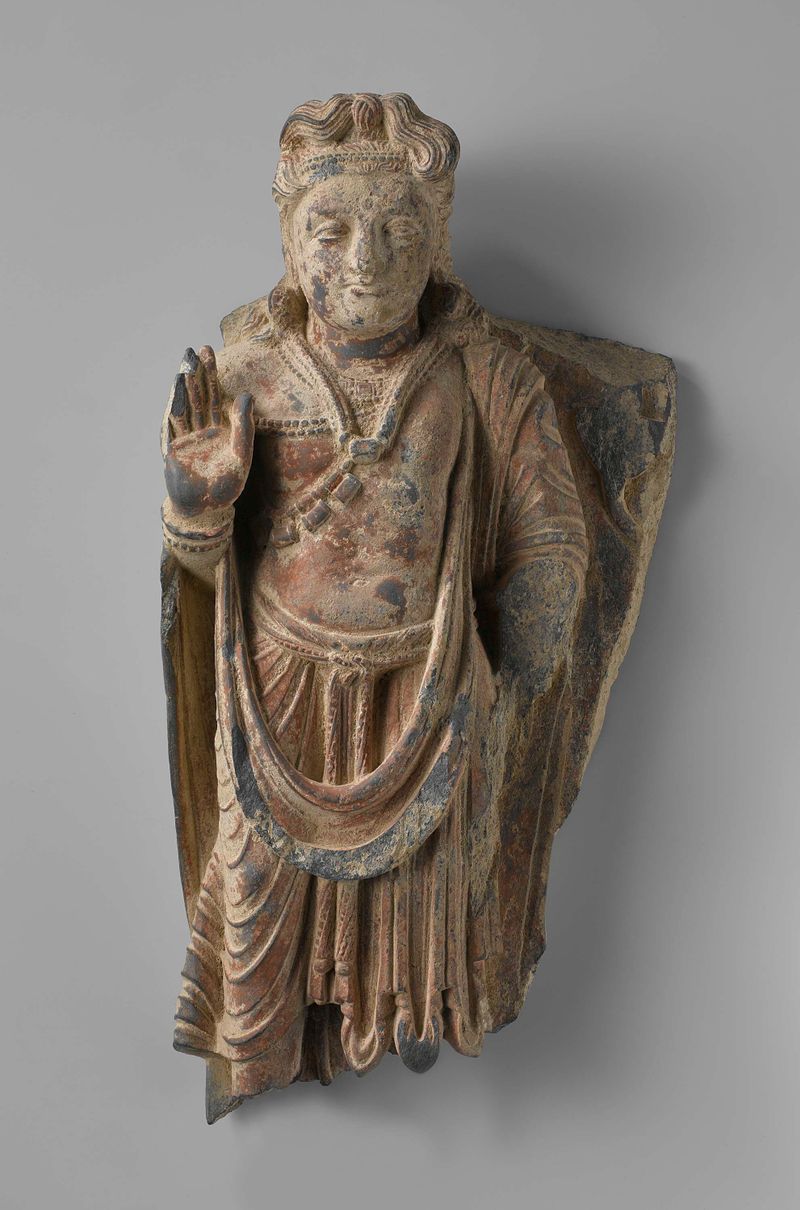
The bodhisattva Maitreya
Unknown Artist

Teabowl with a 'hare's fur' glaze
Unknown Artist
More Religious Art
Browse all →
The Return of the Prodigal Son
Rembrandt van Rijn

The Garden of Earthly Delights
El Bosco

Count Orgaz’ funeral
El Greco

The Hundred Guilder Print: the central piece with Christ preaching, the plate arched
Rembrandt van Rijn

The Descent from the Cross
Rogier van der Weyden

The return of the prodigal son
Rembrandt van Rijn