
Altar Caisse — History & Facts
In an era when transient moments seem to capture our attention, the permanence of creativity invites us to reflect on what we leave behind and how we are remembered. Begin your exploration of Altar Caisse by looking at the intricate details carved into the panel. Notice how the delicate figures, rendered in muted earth tones, interact with the architectural elements that frame them. The gentle play of light across the surfaces highlights every fold of fabric and expression on the figures, drawing your gaze deeper into their shared worship.
The balanced composition leads you through the narrative, inviting contemplation of the spiritual legacy embodied within this piece. Yet, the true depth of this artwork lies not only in its craftsmanship but in its layered meanings. The juxtaposition of serene devotion against a backdrop of looming shadows suggests the struggle between the divine and the earthly, an echo of historical tensions that shaped the artist’s world. Each figure, perhaps representing a saint, seems to carry the weight of collective hopes, dreams, and prayers, emphasizing the poignant connection between personal faith and communal memory. Created circa 1440, Altar Caisse emerges from a time when the Renaissance was reshaping the landscape of European art.
The unknown artist likely worked in a region where devotional pieces flourished, reflecting a society increasingly invested in the interplay of sacred and secular themes. While little is known about their personal life, the broader context of artistic innovation and spiritual expression during this period illuminates the significance of their work, a testament to the enduring legacy of creativity amidst changing times.
More Artworks by Unknown Artist
Browse all →
Ridder, Dood en Duivel
Unknown Artist
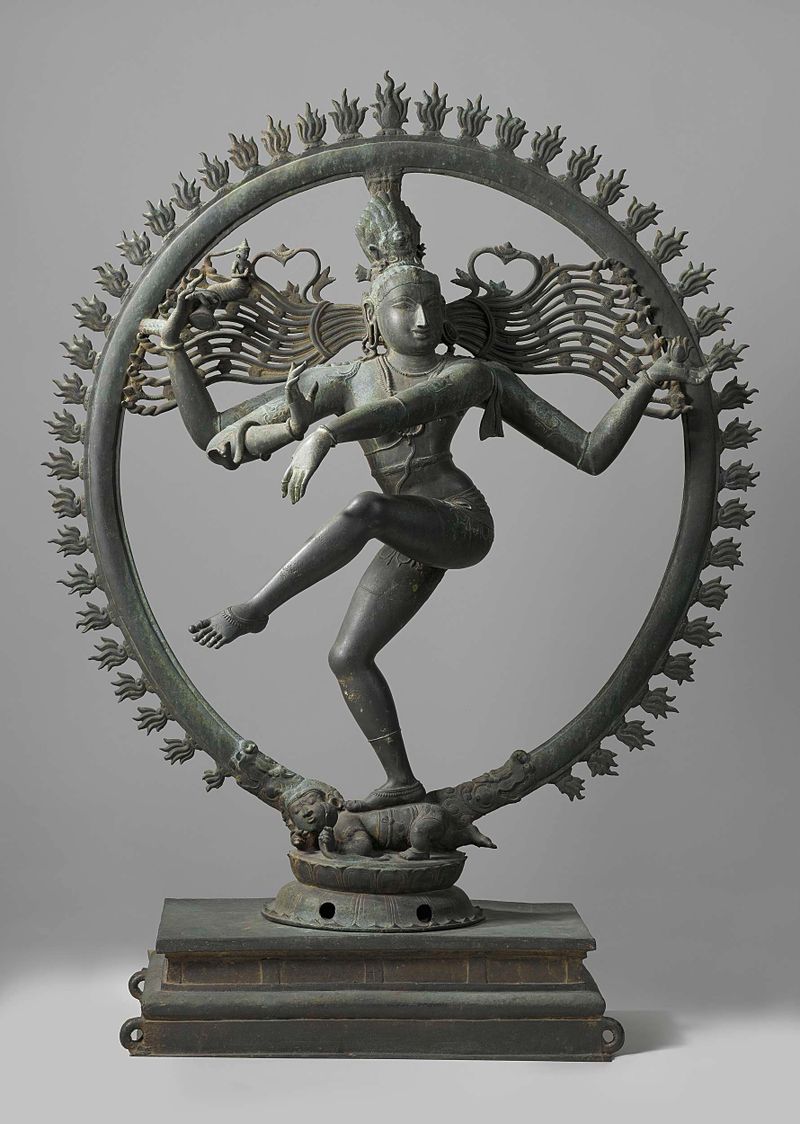
Shiva Nataraja
Unknown Artist
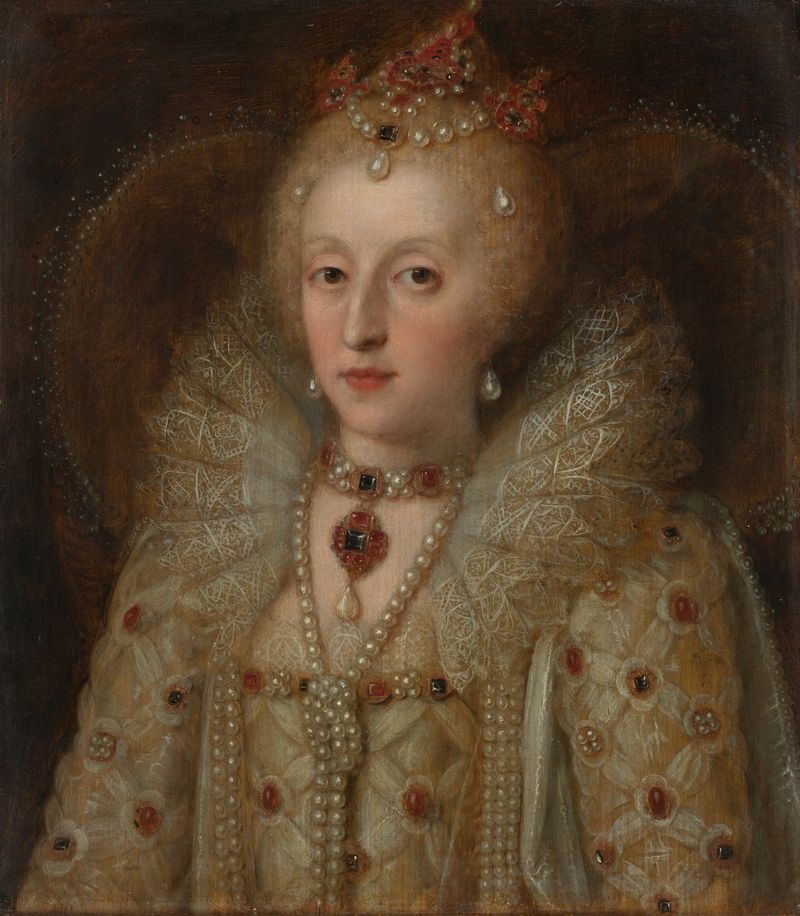
Portrait of Elizabeth I, Queen of England
Unknown Artist
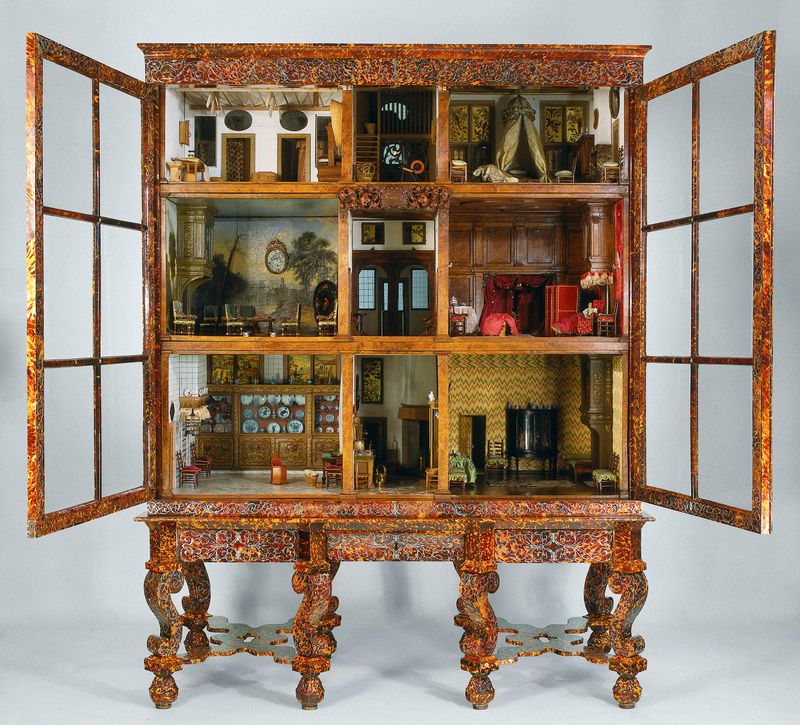
Dolls’ house of Petronella Oortman
Unknown Artist
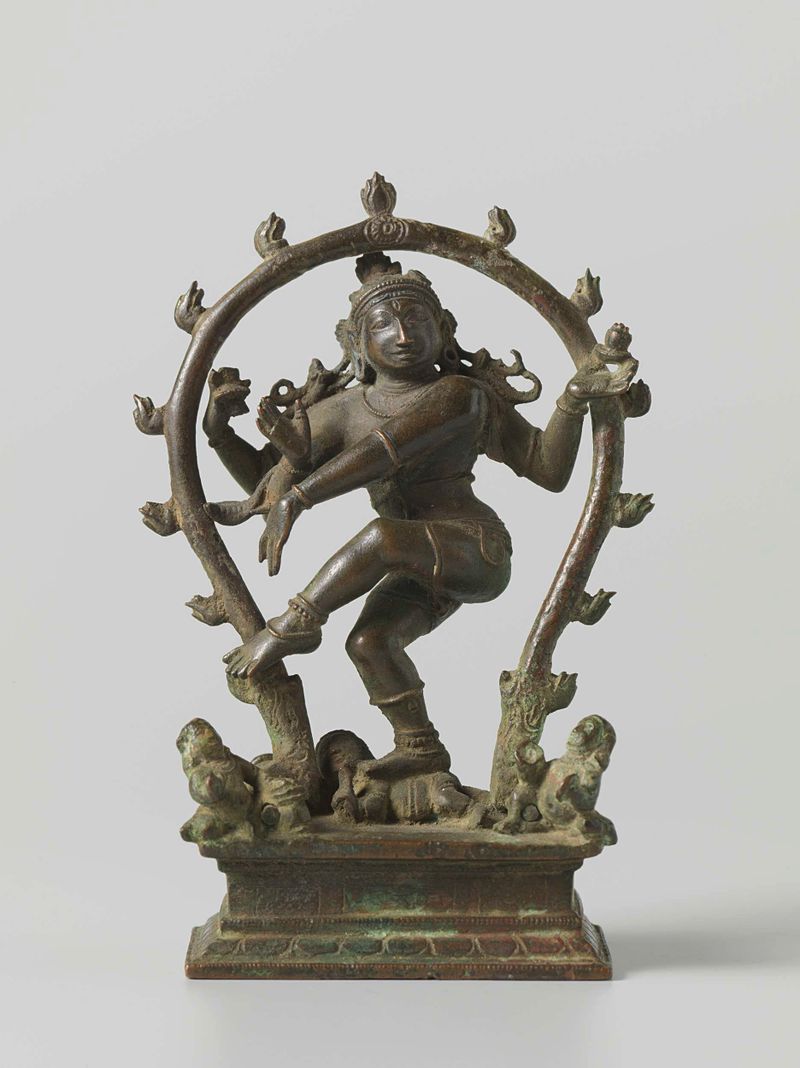
Shiva Nataraja
Unknown Artist

The Tale of Genji
Unknown Artist

The Tale of Genji
Unknown Artist

Cong
Unknown Artist
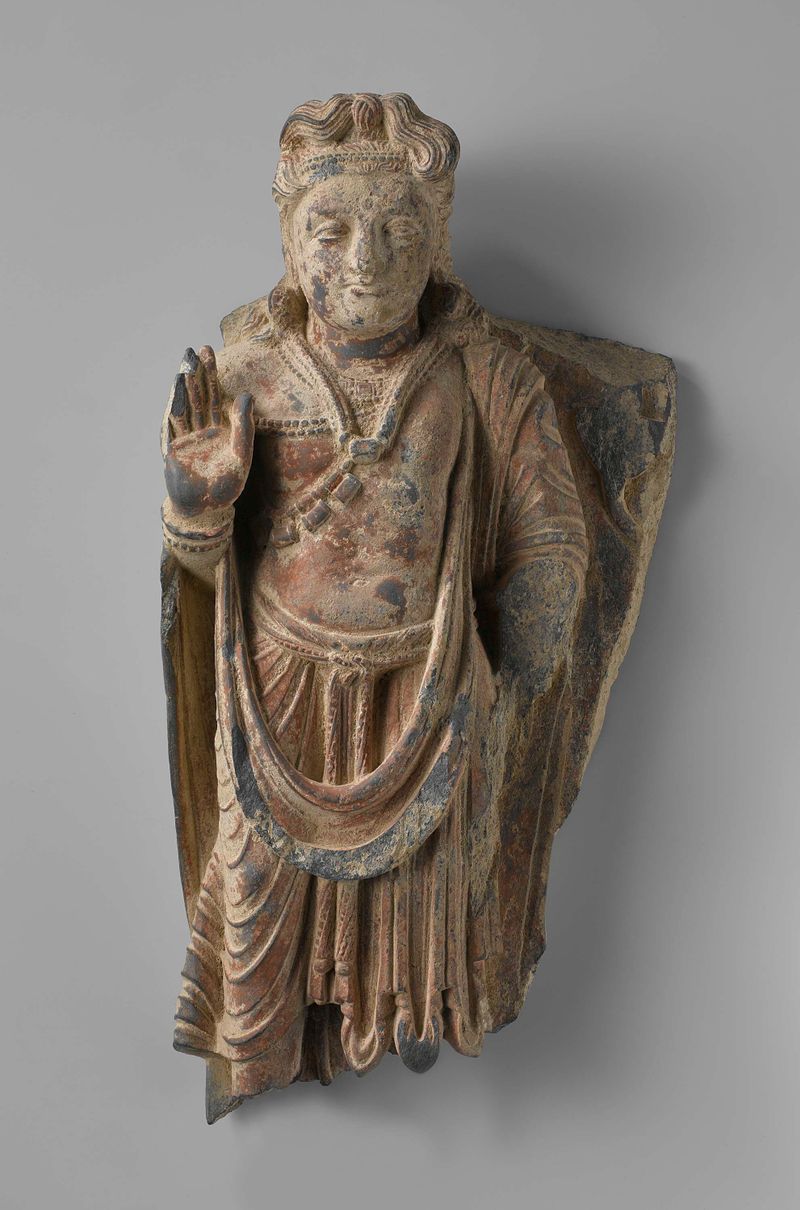
The bodhisattva Maitreya
Unknown Artist

Teabowl with a 'hare's fur' glaze
Unknown Artist
More Religious Art
Browse all →
The Return of the Prodigal Son
Rembrandt van Rijn

The Garden of Earthly Delights
El Bosco

Count Orgaz’ funeral
El Greco

The Hundred Guilder Print: the central piece with Christ preaching, the plate arched
Rembrandt van Rijn

The Descent from the Cross
Rogier van der Weyden

The return of the prodigal son
Rembrandt van Rijn