Amsterdam — History & Facts
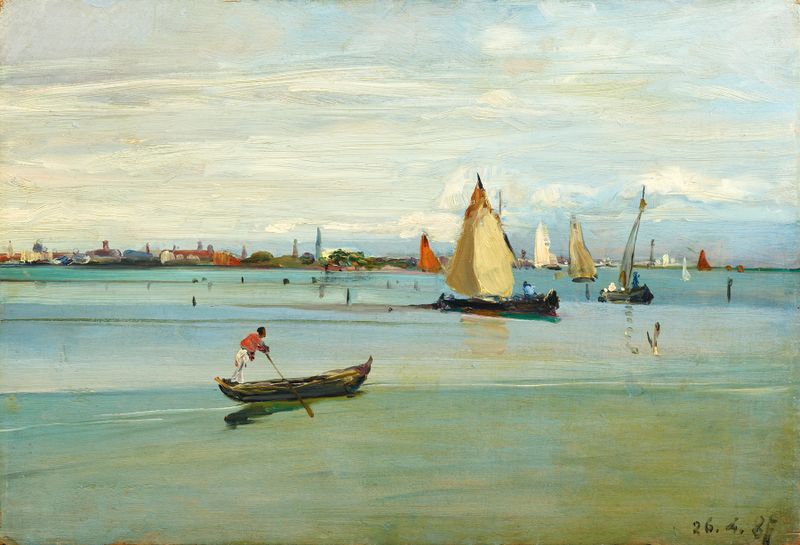
What if beauty was never meant to be finished? In Amsterdam, the chaos of urban life unfurls like a delicate tapestry, urging the viewer to embrace the imperfections that shape our world. Look to the foreground, where a bustling canal indicates the heartbeat of the city. The brushstrokes swirl with vibrant hues of blue and green, reflecting the water’s movement and drawing the eye towards the charming architecture lining the banks. Notice how the dappled light dances across the buildings, highlighting a blend of shadows and reflections that gives depth and energy to the scene.
The artist's choice of lively colors and dynamic compositions invites a sense of both wonder and confusion, echoing the ceaseless rhythm of city life. Delve into the details: a figure pauses mid-step, embodying the frenetic pace of the surroundings while simultaneously hinting at moments of introspection. The interplay of light and dark hints at emotional contrasts—joy amid struggle, beauty entwined with chaos. This tension evokes the idea that even amidst life's disarray, there is a surprising harmony, suggesting that imperfection may be the truest essence of existence. In 1883, Lorenzo Delleani painted Amsterdam while immersed in the vibrant artistic currents of the Italian and Dutch schools.
During this time, he was exploring urban landscapes, capturing the essence of life as it unfolded. This period in art history was marked by a shift toward depicting contemporary scenes with a focus on light and atmosphere, reflecting broader societal changes and the challenges of modernity.