An ideal landscape with a river, a fortress and horsemen — History & Facts
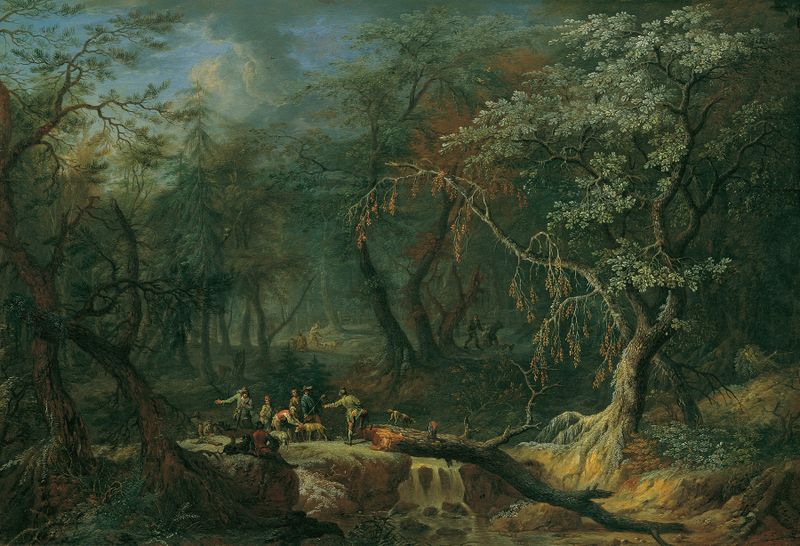
This sentiment echoes through the tranquil beauty of a serene landscape, where nature and artistry intertwine in perfect harmony. The canvas invites us to explore the delicate interplay of elements, revealing the innate allure of existence itself. Look to the left at the gently flowing river, its surface shimmering with reflections of soft blues and greens. Notice how the light dances upon the water, guiding our gaze to the distant fortress that stands stoically against the backdrop of a pale sky.
The horsemen, small yet significant, traverse the land, their figures rendered with an impressive attention to detail, embodying the spirit of adventure and exploration within the idyllic scenery. Delve deeper into the composition, and you will find contrasts that enrich the narrative. The fortress represents both strength and vulnerability, a bastion of civilization amid the untamed beauty of the landscape. The horsemen, depicted in dynamic poses, evoke a sense of movement and fleeting time, suggesting the transience of life against the unyielding permanence of the earth and sky.
Each brushstroke reveals the artist's intent to marry the organic with the constructed, creating a dialogue between freedom and structure. In 1751, Franz Christoph Janneck painted this work during a period marked by a growing appreciation for pastoral scenes in the art world. Residing in Vienna, he was influenced by the Rococo movement, which celebrated beauty and elegance. The era was an age of enlightenment, where artists sought to capture the harmonious interplay between humanity and nature, a theme that resonates powerfully in this extraordinary landscape.