An old homstead in Mohawk Valley — History & Facts
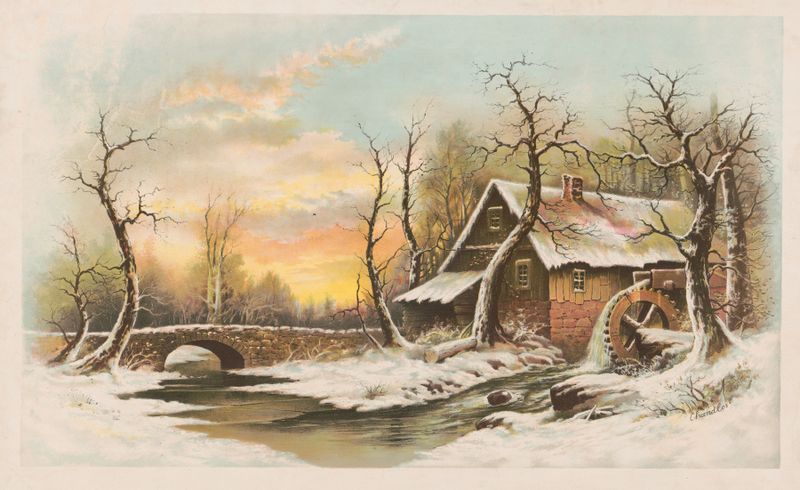
In the gentle embrace of nostalgia, there lies a profound balance between memory and oblivion. Look to the left at the quaint, weathered homestead, its rustic charm inviting you into a world suspended in time. The soft light of the late afternoon sun bathes the scene in a warm golden hue, casting deep shadows that add depth and character. Notice how the vibrant greens of the surrounding landscape juxtapose the earthy tones of the dwelling, creating a harmonious rhythm that guides the eye across the canvas.
The careful brushwork encapsulates not just the physicality of the structures, but hints at the stories they hold. As you explore further, consider the contrasting elements: the solidity of the homestead stands firm against the whisper of the wind rustling through the trees. This duality evokes a sense of stability amidst the passage of time, where the past and present coexist in a delicate equilibrium. The distant mountains watch over the scene, grounding the composition and reminding us of nature's permanence against the fleeting moments of human existence. In 1898, the creators of this painting were immersed in the artistic revival of the time, exploring themes of American identity and rural life.
Living amidst the burgeoning interest in Impressionism, they aimed to capture the essence of their surroundings in the Mohawk Valley. This period was marked by a growing appreciation for landscapes that reflected both the beauty of nature and the simplicity of life, serving as a poignant reminder of the balance we seek between progress and preservation.