Andernach a Rhein — History & Facts
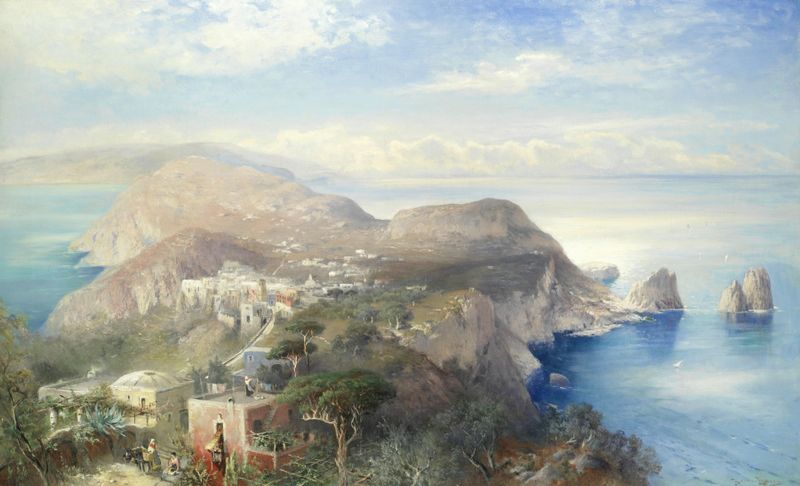
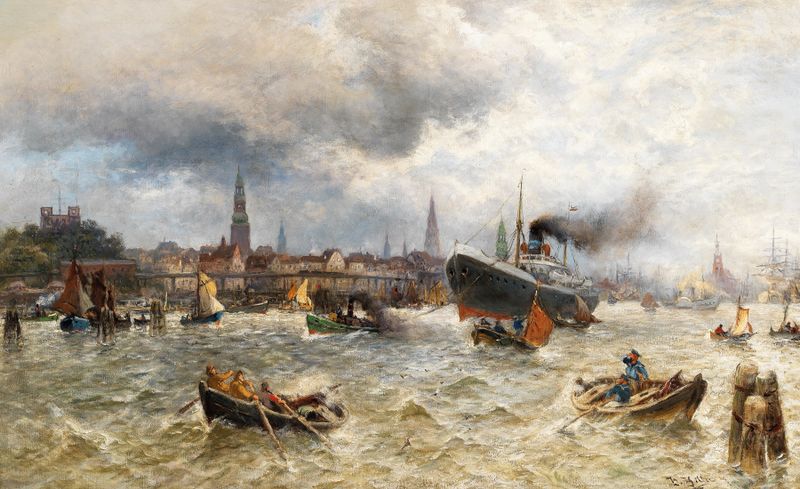
In that fleeting moment, desire intertwines with memory, manifesting in a landscape that both captivates and haunts. Look to the foreground where the gentle curves of the Rhine’s banks embrace the water, shimmering under a soft haze. The brushwork is meticulous yet fluid, allowing the lush greenery to whisper the warmth of summer. Notice how the light dances across the surface of the river, a shimmering ribbon that pulls the eye towards the distant horizon, veiled in soft blues and grays that signal an impending dusk.
This careful balance of warm and cool tones evokes a sense of serenity tinged with nostalgia—a longing for moments lost. Deeper insights emerge as the eye travels across the canvas. In the stillness of the water lies a metaphor for unfulfilled desires; the untouched shoreline suggests a yearning for connection and exploration. The distant mountains, shrouded in mist, speak of obstacles between the present and the dreams that linger just out of reach.
Each brushstroke is a reminder that beauty often exists alongside melancholy, inviting the viewer to reflect on their own relationships and aspirations. In 1872, amidst the burgeoning movement of plein air painting in Germany, Andernach a Rhein was created by an artist deeply influenced by the Romantic ideals of nature and emotion. Living in an era where the Industrial Revolution began to alter landscapes and lifestyles, Hiller sought to capture the tranquility of nature amidst a changing world. His work not only reflects the beauty of his surroundings but also embodies a profound desire to preserve moments that might otherwise fade away.