
Antieke ruines met graf plunderaars en palmboom — History & Facts
What if beauty was never meant to be finished? In the intricate ruins painted by Giuliano Giampiccoli, that question lingers like a whisper, inviting contemplation of time and decay. Look closely at the intricate details of the crumbling architecture, where the eye is first drawn to the bold outlines of the ancient columns that rise defiantly against the sky. Notice how the artist employs a warm palette, with earthy ochres and soft greens harmonizing under a bruised blue sky. The palm tree, swaying subtly on the left, provides a counterbalance to the stark ruins, wisps of life intertwining with the echoes of history.
The delicate brushwork captures both the solidity of stone and the ethereal quality of a dream, blurring the lines between memory and imagination. As you delve deeper, consider the contrasts Giampiccoli weaves through his composition: the vibrant life of the palm tree juxtaposed against the lifeless remnants of human endeavor. The figures of the grave robbers, almost ghostlike in their engagement with the past, evoke a tension between reverence and greed, creating a narrative that speaks to the inevitability of time’s passage. Their presence raises questions about what remains and what is lost, a poignant reminder of beauty forever caught in the act of fading. Giuliano Giampiccoli painted this work during a time when the Italian Baroque style was transitioning into a more Rococo sensibility, around 1739-1740.
Living in Bologna, he was influenced by the rich history of classical antiquity that surrounded him, creating works that not only reflected the artistic trends of his time but also a personal yearning for the sublime and the ephemeral. His art often highlights the buried stories of the past, resonating with a world in flux.
More Artworks by Giuliano Giampiccoli
Browse all →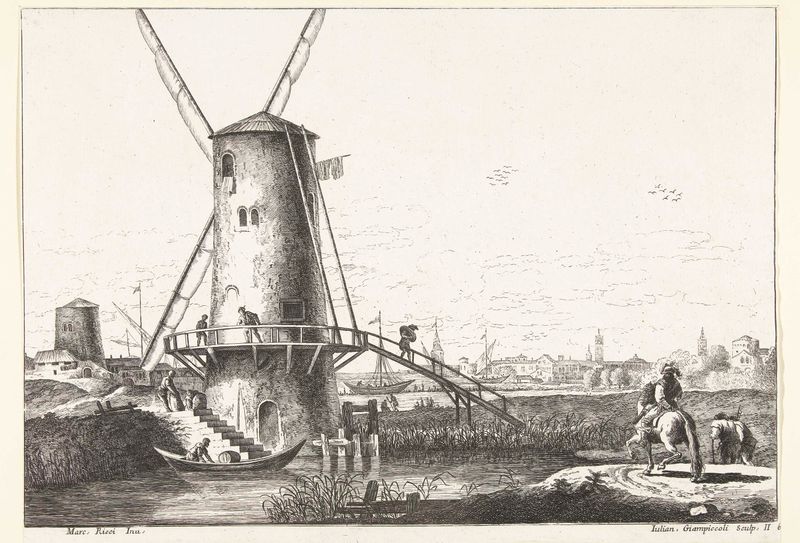
Landschap met molen aan water
Giuliano Giampiccoli
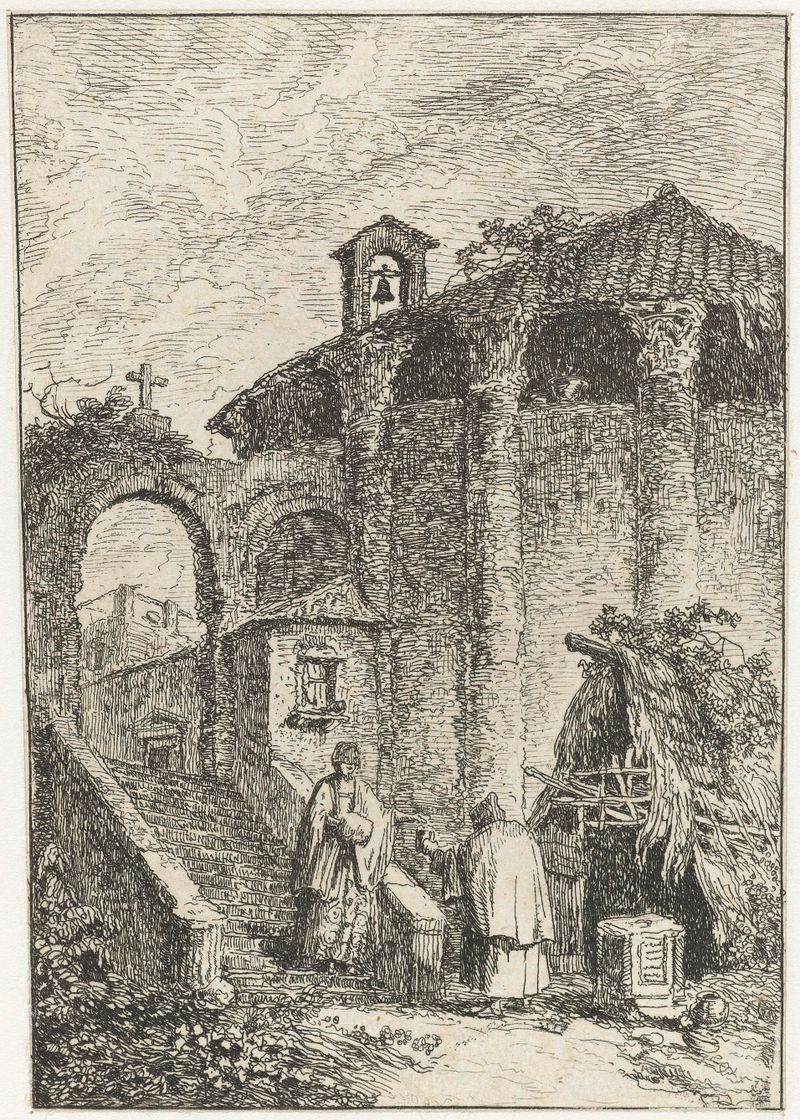
Gezicht op woningen en antieke ruïnes aan rand van stad
Giuliano Giampiccoli
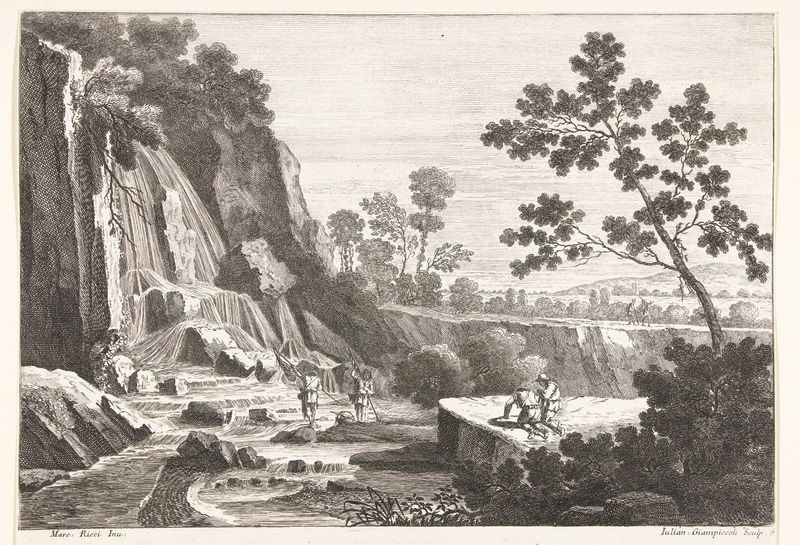
Landschap met waterval en vissers en andere figuren
Giuliano Giampiccoli
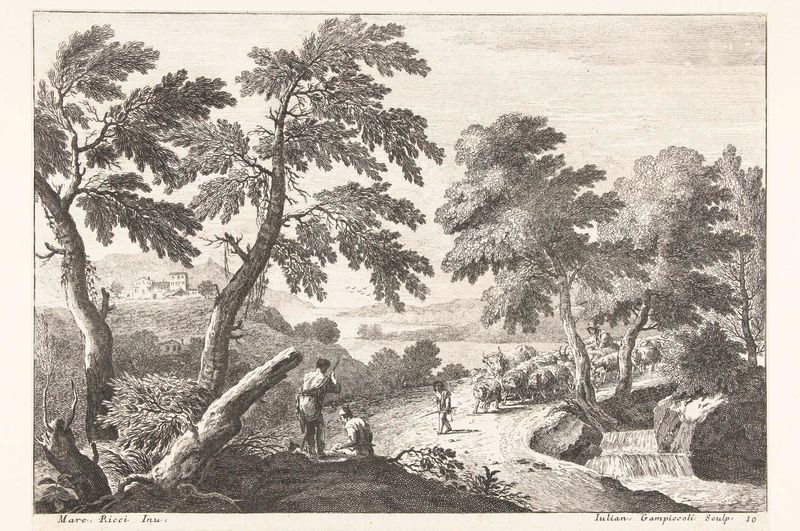
Landschap met herders op weg langs kleine waterval
Giuliano Giampiccoli
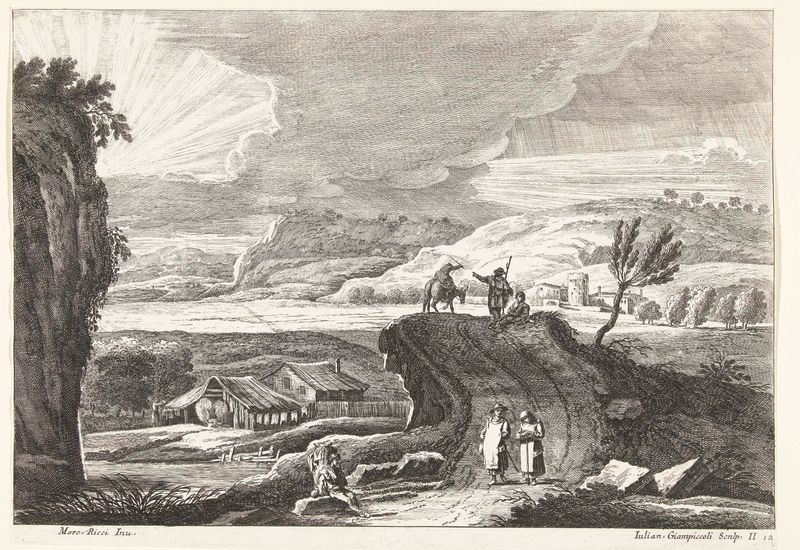
Heuvellandschap met pelgrims op weg en ondergaande zon
Giuliano Giampiccoli
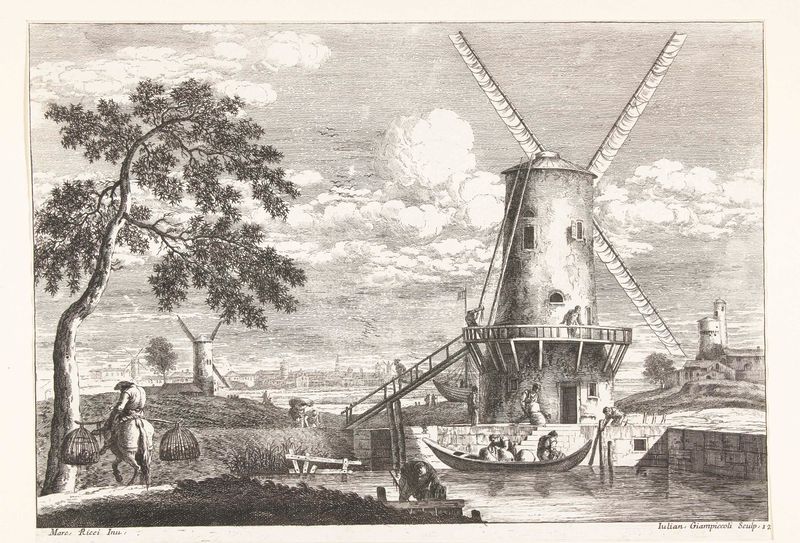
Landschap met molen aan water
Giuliano Giampiccoli
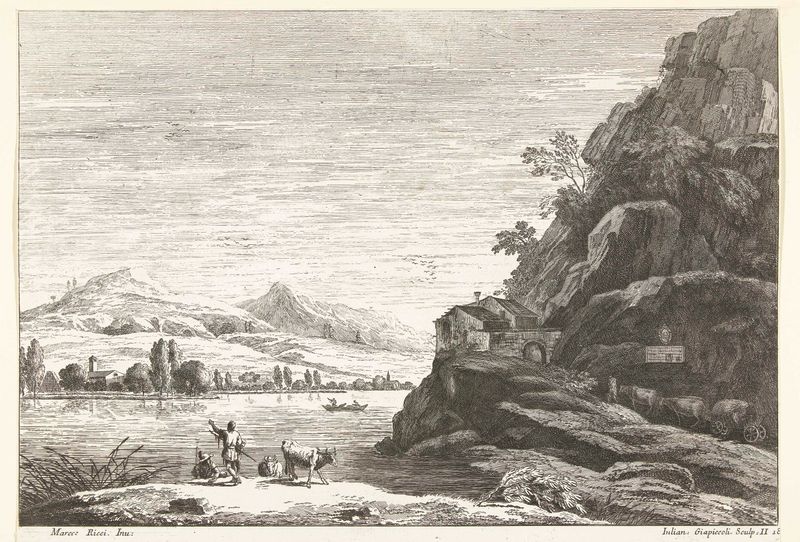
Rivierlandschap met huis tegen rots
Giuliano Giampiccoli
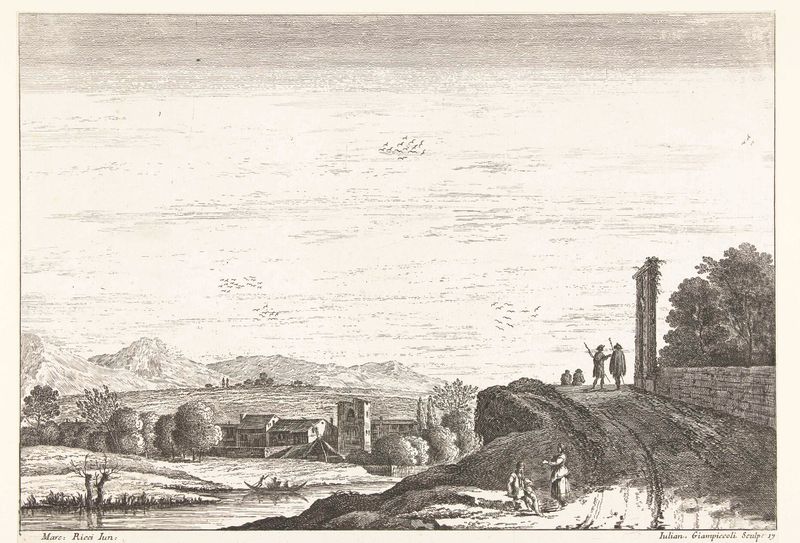
Weg langs rivier met figuren en twee antieke zuilen
Giuliano Giampiccoli
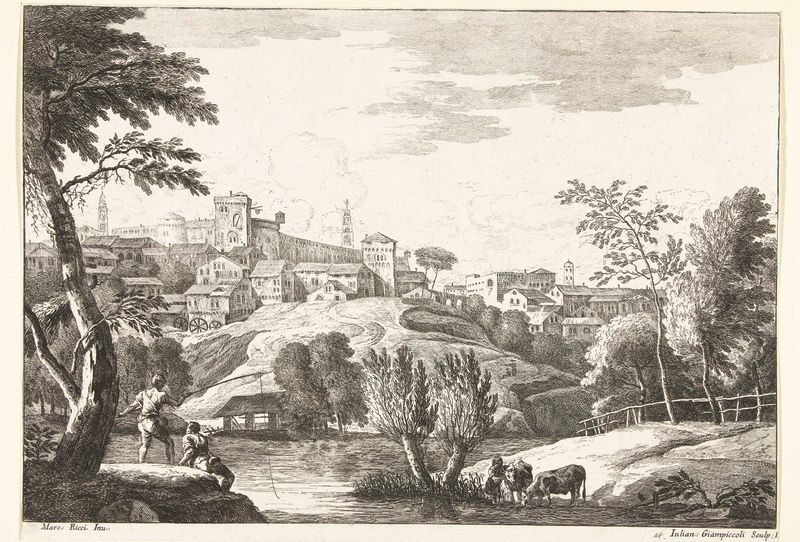
Heuvellandschap met stad en hengelaar
Giuliano Giampiccoli
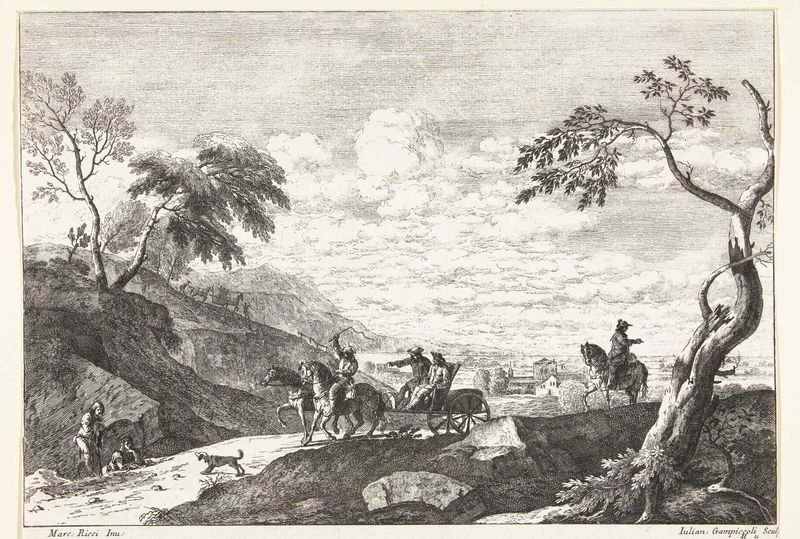
Heuvellandschap met twee mannen in rijtuig
Giuliano Giampiccoli
More Architecture Art
Browse all →
The statue of Liberty
Frédéric Auguste Bartholdi

View of Houses in Delft, Known as ‘The Little Street’
Johannes Vermeer

View of Houses in Delft, Known as ‘The Little Street’
Johannes Vermeer

The Cathedral in Rouen. The portal, Grey Weather
Claude Monet

The yellow house
Vincent van Gogh

The Church in Auvers-sur-Oise, View from the Chevet
Vincent van Gogh