
Apostel Bartholomeüs — History & Facts
Can beauty exist without sorrow? In the quietude of the artwork, a lingering melancholy dances alongside the divine, inviting us to ponder the weight of existence. Look closely at the figure of Bartholomew, draped in rich, muted colors that echo the solemnity of his gaze. Notice how the soft light cascades across his face, illuminating the contours of his expression while casting delicate shadows that deepen the mystery surrounding him. The artist’s deft brushwork creates intricate textures in his garments, suggesting both the weight of the world and the ethereality of the spiritual realm.
Your eyes are drawn to the subtle details—perhaps the faint hint of a halo or the way his hand rests thoughtfully upon a book, symbolizing knowledge amidst the divine silence. Delve deeper into the contrasts throughout the composition: the vibrant background hues juxtaposed against the somber figure evoke the eternal struggle between hope and despair. The choice of colors—golden tones entwined with somber browns—reflects the duality of faith and doubt, creating a dialogue between the material and the spiritual. Each brushstroke seems to weave sorrow into the fabric of beauty, suggesting that the path to enlightenment is often laden with trials and tribulations. Created between 1631 and 1699, this work arises from a time when the Baroque movement was flourishing, characterized by emotional intensity and dramatic contrasts.
An unknown artist, influenced by the spiritual fervor of the era, likely painted this piece during a period of significant religious and societal upheaval. The quest for meaning in faith was paramount, mirroring the artist's exploration of existential themes through his portrayal of the apostle, as he invites viewers to confront their own search for beauty amidst the complexities of life.
More Artworks by Unknown Artist
Browse all →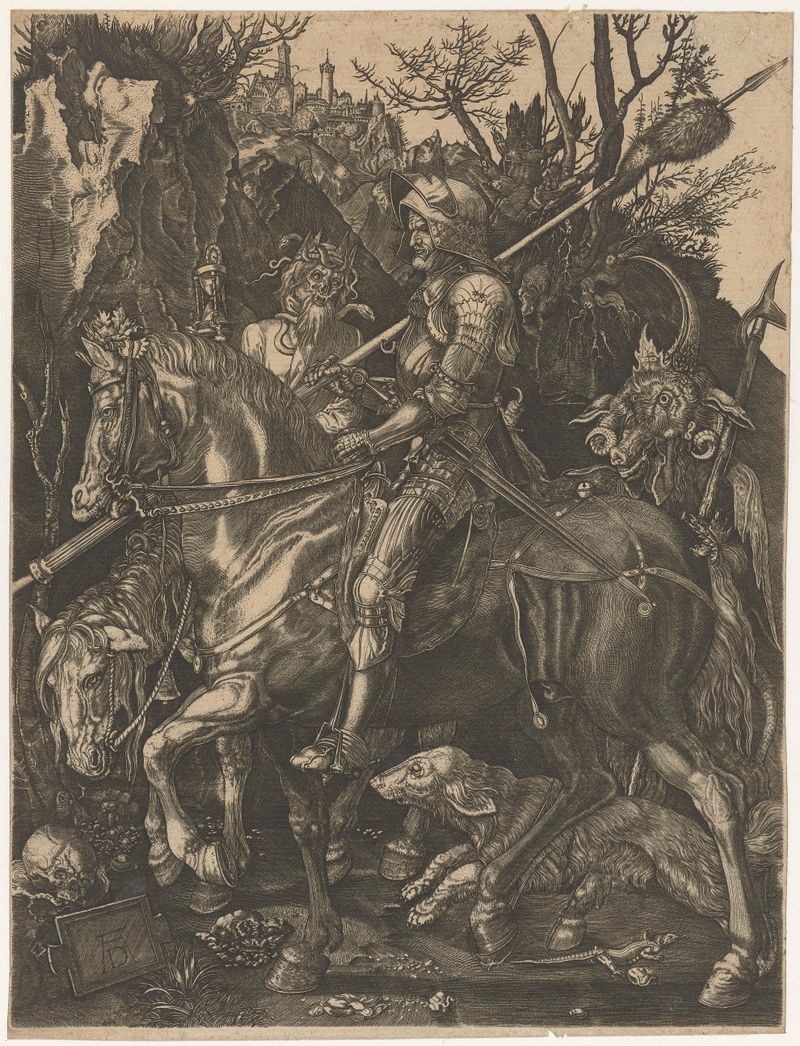
Ridder, Dood en Duivel
Unknown Artist
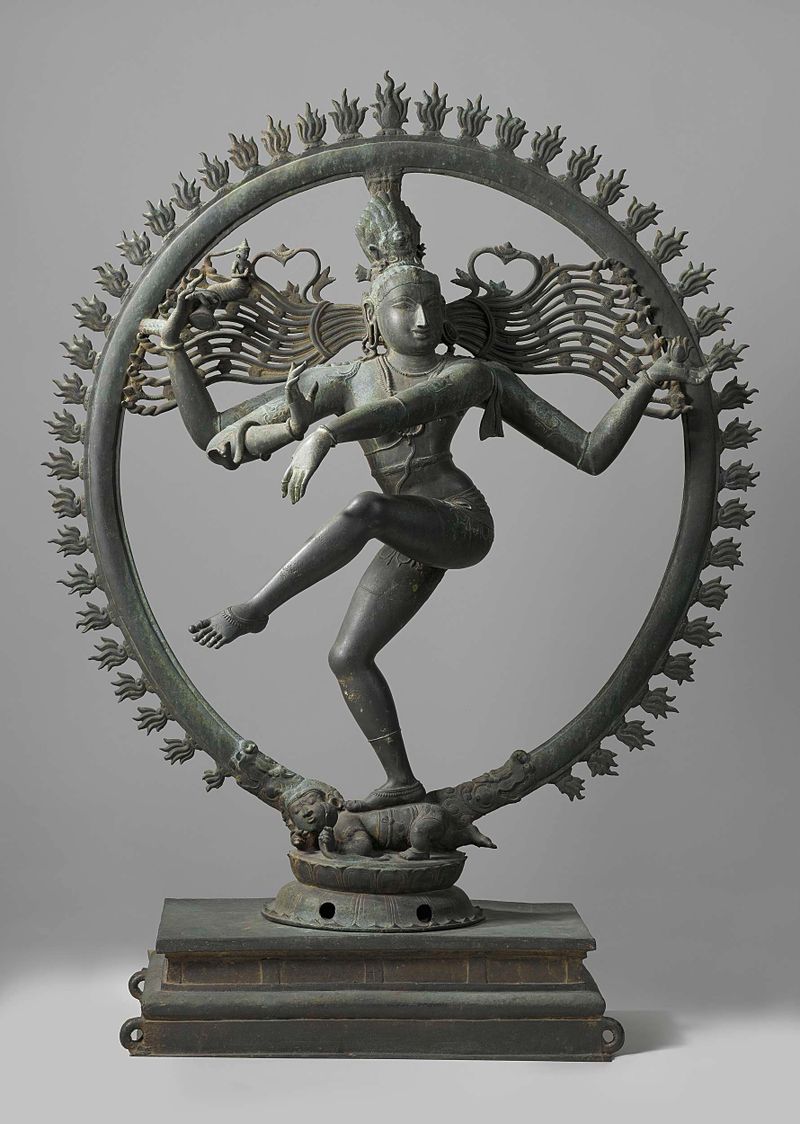
Shiva Nataraja
Unknown Artist
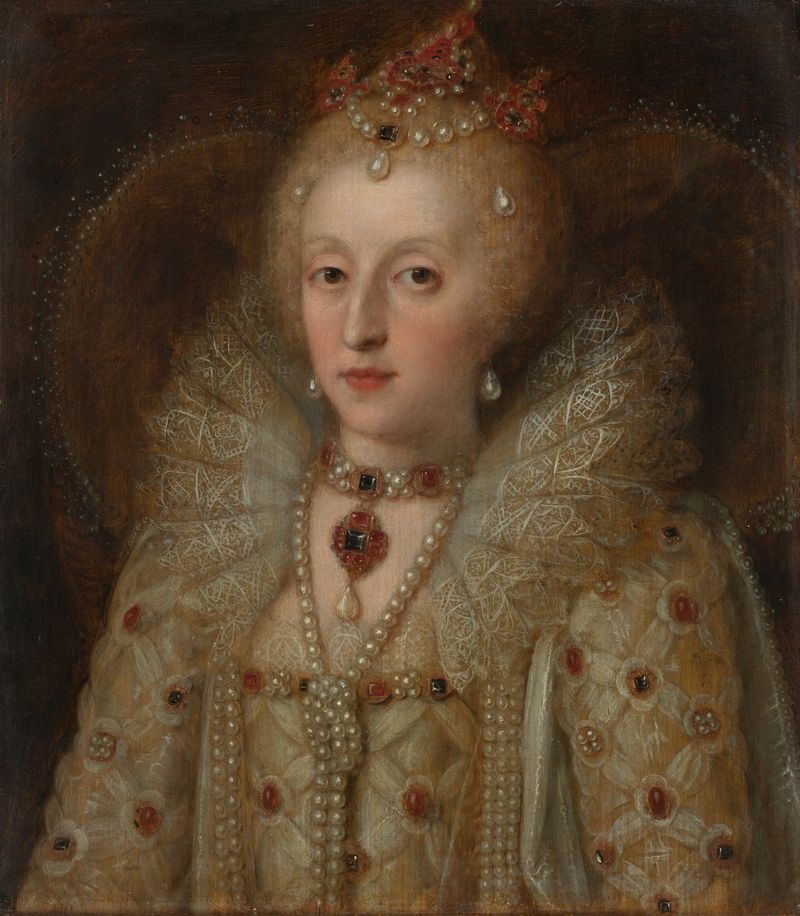
Portrait of Elizabeth I, Queen of England
Unknown Artist
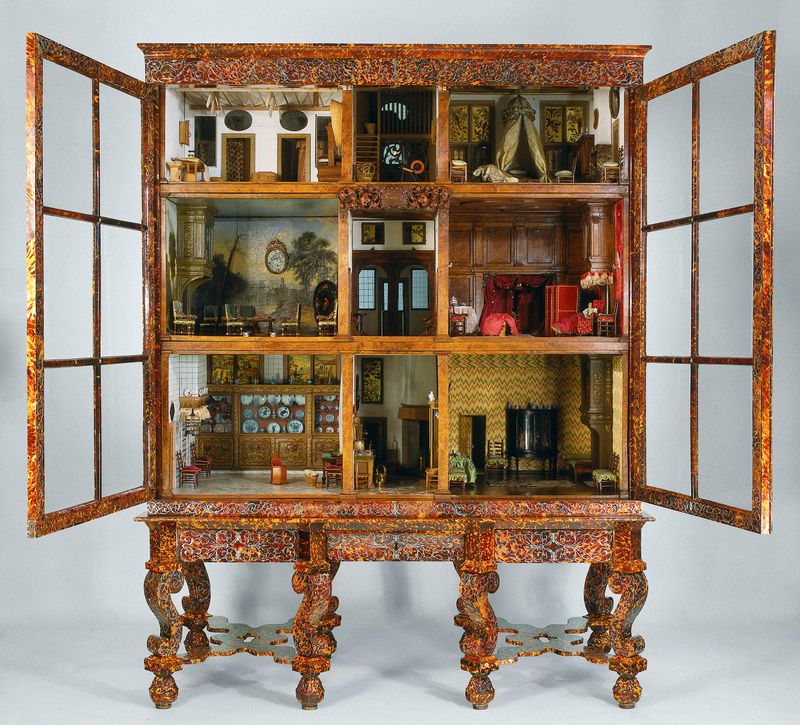
Dolls’ house of Petronella Oortman
Unknown Artist
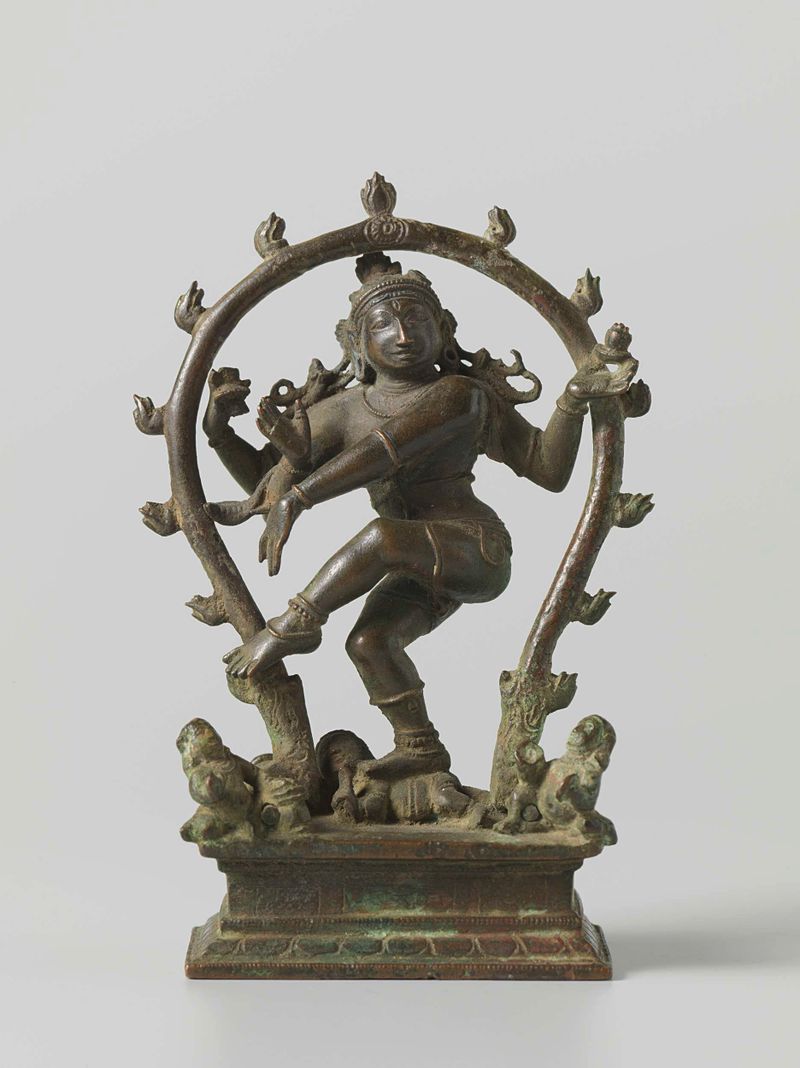
Shiva Nataraja
Unknown Artist

The Tale of Genji
Unknown Artist

The Tale of Genji
Unknown Artist
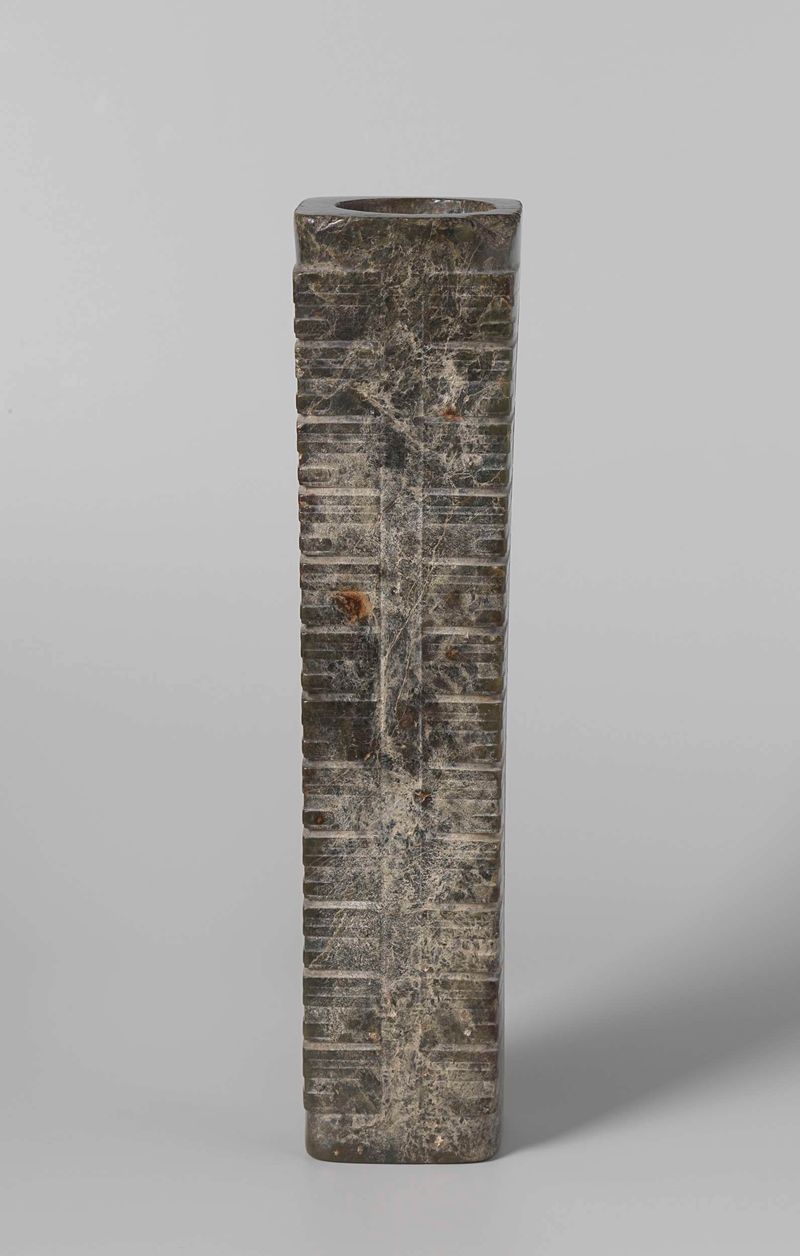
Cong
Unknown Artist
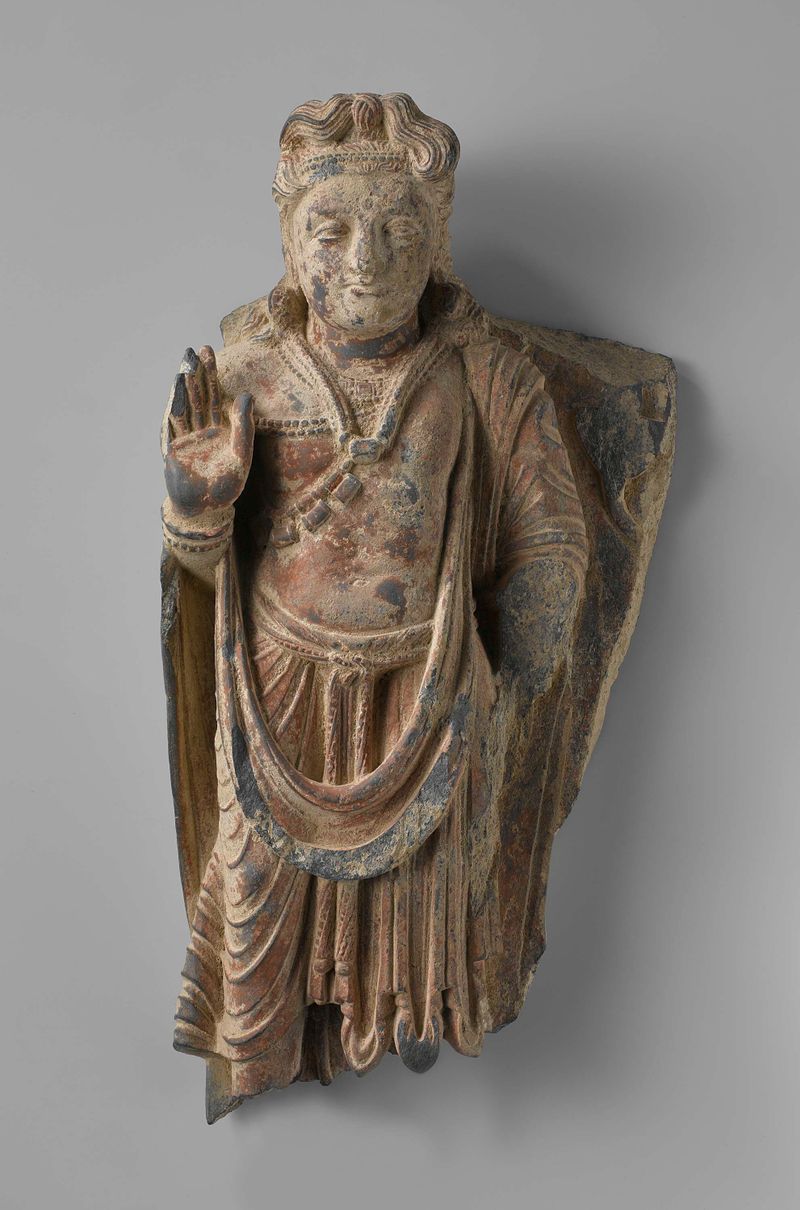
The bodhisattva Maitreya
Unknown Artist
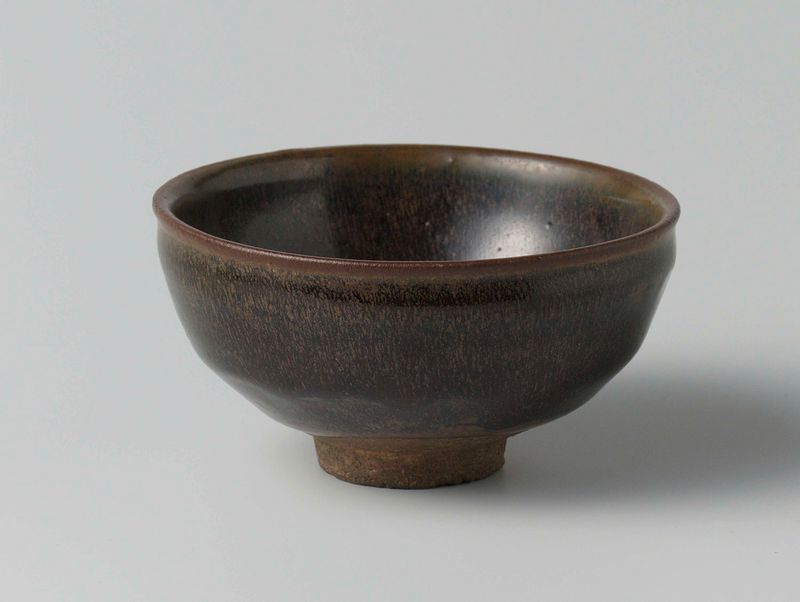
Teabowl with a 'hare's fur' glaze
Unknown Artist
More Religious Art
Browse all →
The Return of the Prodigal Son
Rembrandt van Rijn

The Garden of Earthly Delights
El Bosco

Count Orgaz’ funeral
El Greco

The Hundred Guilder Print: the central piece with Christ preaching, the plate arched
Rembrandt van Rijn

The Descent from the Cross
Rogier van der Weyden

The return of the prodigal son
Rembrandt van Rijn