
Apostel Judas Thaddeüs — History & Facts
Is this a mirror — or a memory? In the stillness of the moment, the figure stands resolute, embodying a silence that reverberates through time and space. Each hue whispers secrets of faith and doubt, drawing viewers into a contemplative encounter with the past. Look to the right at the intricately painted drapery; it clings to the figure, its folds expertly rendered in rich earth tones that contrast harmoniously with the deep shadows surrounding it. The light, seemingly ethereal, bathes the saint's face, illuminating a contemplative expression that hints at both wisdom and sorrow.
The artist’s meticulous attention to detail in the textures of the clothing and the gentleness of the hands invites the viewer to linger, exploring the complexity of the character portrayed. Hidden within this portrayal are layers of emotional tension and spiritual depth; the saint’s gaze, directed upward, suggests a yearning for divine guidance amidst the weight of earthly burdens. There is a palpable contrast between the vivid colors of his robes and the muted background that envelops him, symbolizing the clash between worldly allure and spiritual devotion. Each brushstroke captures the essence of a man caught in the liminal space between doubt and faith, resonating with anyone who has grappled with their own inner struggles. The work, attributed to an unknown artist, dates between 1631 and 1699, a period when religious art sought to inspire devotion amidst the challenges of the Counter-Reformation.
During these years, artists were exploring new techniques in chiaroscuro and realism as they responded to the evolving landscape of faith and society. In this context, the figure of Judas Thaddeus emerges not just as a biblical character but as a symbol of the timeless human quest for understanding and connection in silence.
More Artworks by Unknown Artist
Browse all →
Ridder, Dood en Duivel
Unknown Artist
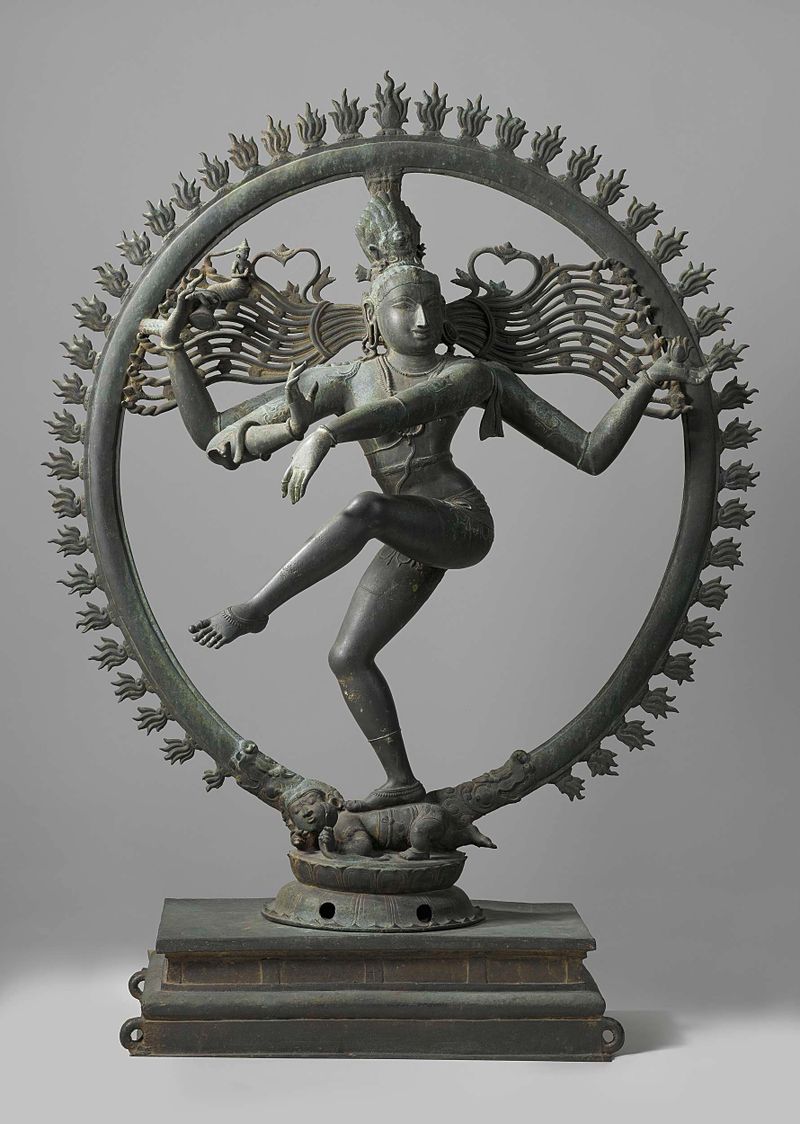
Shiva Nataraja
Unknown Artist
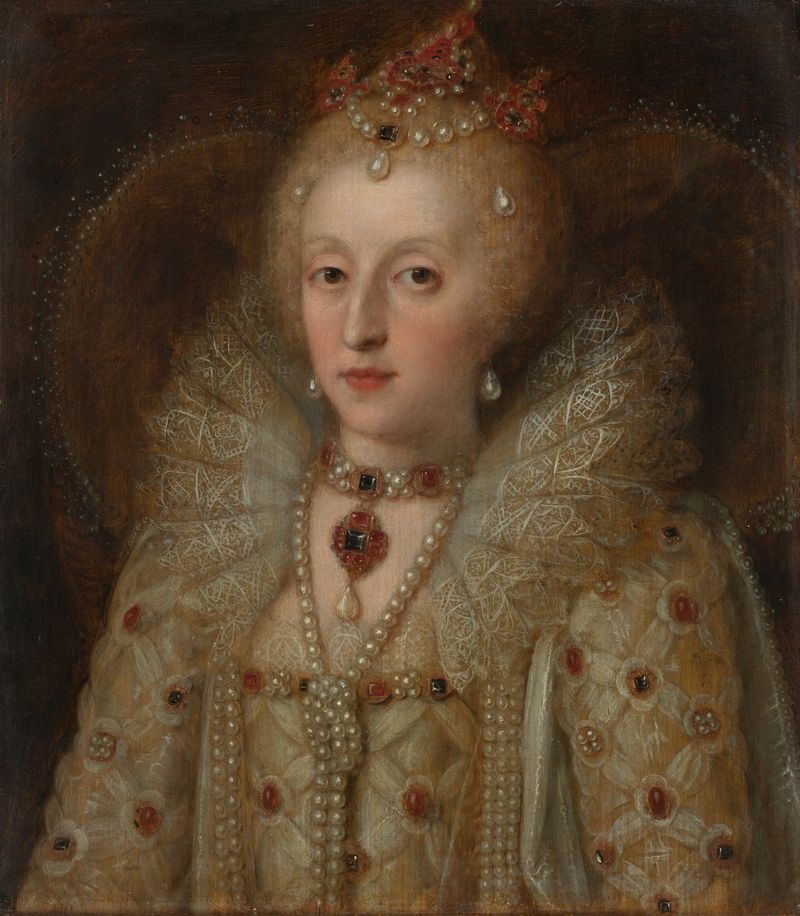
Portrait of Elizabeth I, Queen of England
Unknown Artist
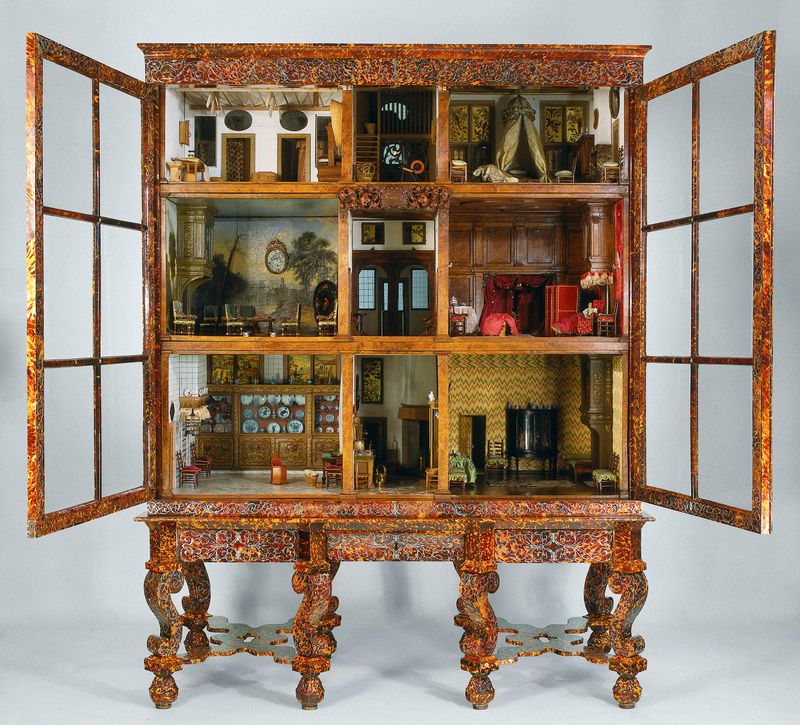
Dolls’ house of Petronella Oortman
Unknown Artist
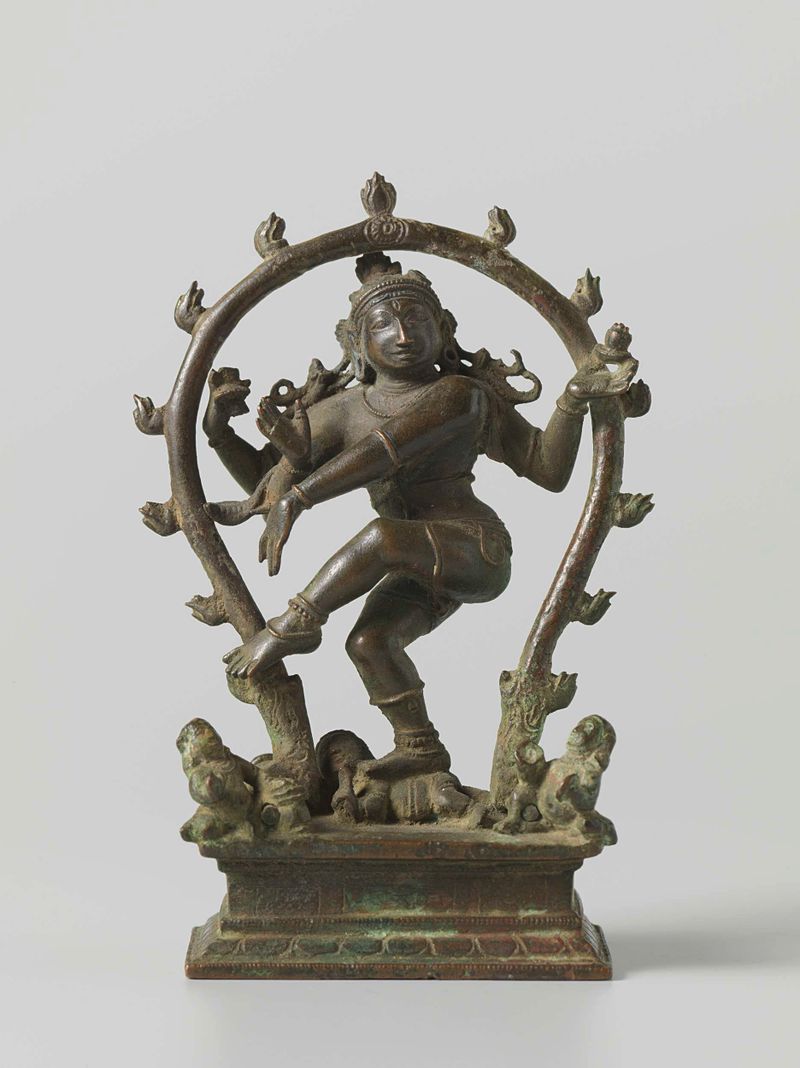
Shiva Nataraja
Unknown Artist

The Tale of Genji
Unknown Artist

The Tale of Genji
Unknown Artist

Cong
Unknown Artist
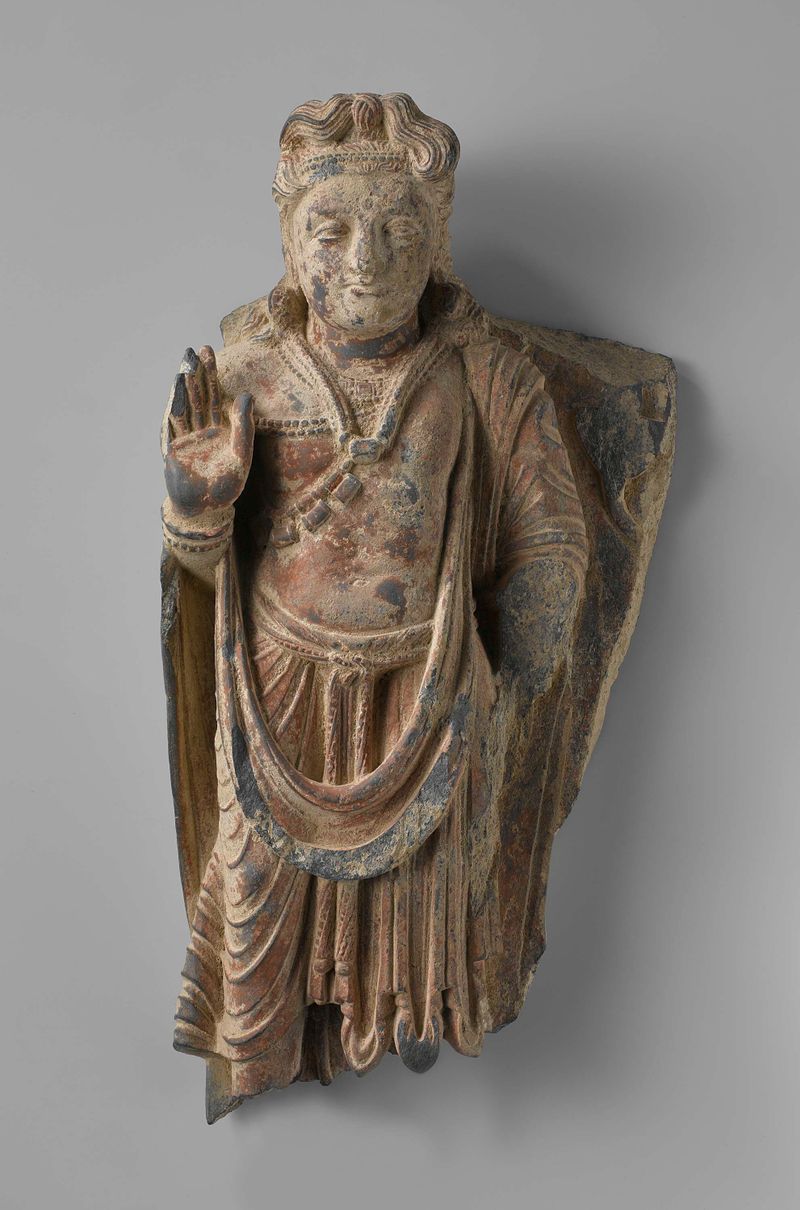
The bodhisattva Maitreya
Unknown Artist

Teabowl with a 'hare's fur' glaze
Unknown Artist
More Religious Art
Browse all →
The Return of the Prodigal Son
Rembrandt van Rijn

The Garden of Earthly Delights
El Bosco

Count Orgaz’ funeral
El Greco

The Hundred Guilder Print: the central piece with Christ preaching, the plate arched
Rembrandt van Rijn

The Descent from the Cross
Rogier van der Weyden

The return of the prodigal son
Rembrandt van Rijn