Appenine Landscape — History & Facts
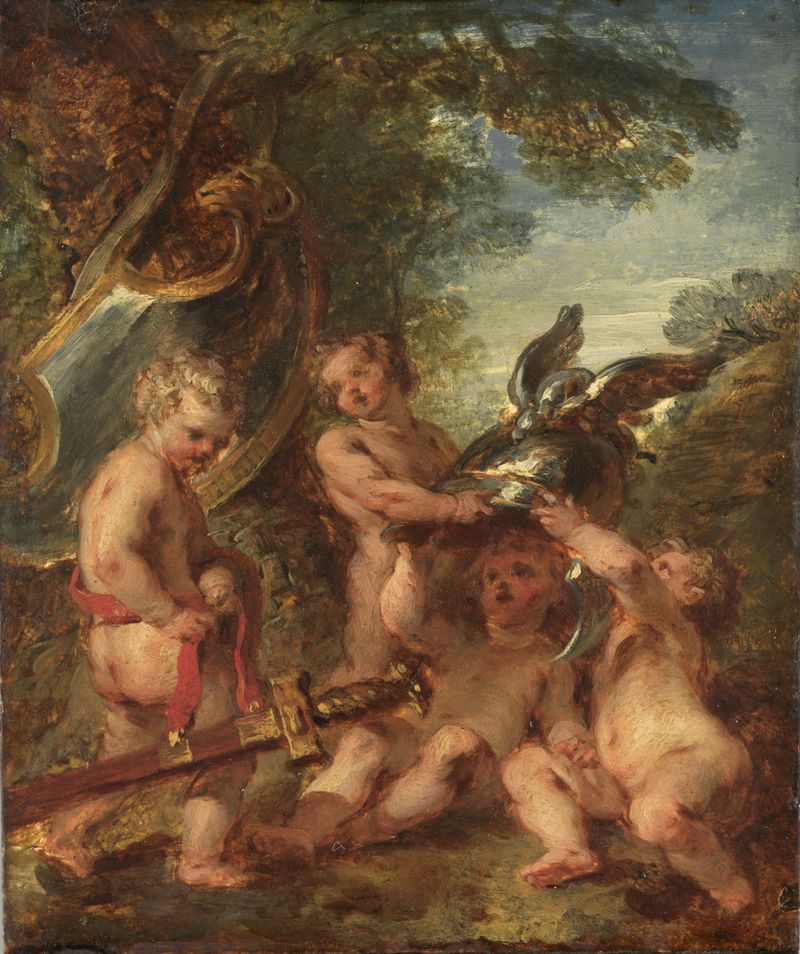
In the quiet, transformative embrace of nature, the canvas breathes life into the ethereal moments we often overlook. Here, the landscape becomes not just a backdrop but a sanctuary for the spirit. Look to the horizon, where gentle rolling hills punctuate the sky, inviting the eye to drift across the serene expanse. Notice how the soft, muted greens seamlessly blend with rich browns and the occasional burst of floral colors, creating a harmonious balance.
The careful brushwork captures the delicate interplay of light and shadow, particularly in the way sunlight dances across the foliage, emphasizing the vitality of the scene. The composition, with its subtle depth, leads the viewer’s gaze deeper into the undulating landscape. Beneath the tranquility lies a profound tension between permanence and transience. The fading light suggests moments slipping away, while the steadfast mountains represent enduring strength amid change.
The blooming flowers symbolize new beginnings, and the winding path invites contemplation of the journey through life’s myriad transformations. Each detail, from the wisps of clouds to the textured earth, speaks to a cyclical narrative of growth and decay. In the early 1730s, François Le Moyne painted this work during a time when he was establishing his reputation in Parisian circles. Influenced by the Rococo style, he sought to blend emotion with natural beauty, reflecting the shifting tastes of the art world.
The political and cultural currents of his time, marked by a burgeoning interest in the natural world, found poignant expression in this captivating landscape.