
Architectural fantasy featuring a prison courtyard — History & Facts
In a world filled with confinement, the delicate interplay of architecture and light holds the memory of innocence, whispering the stories lost behind the shadows of imprisonment. Look to the left of the canvas, where the archways rise like sentinels above the courtyard. Their intricate designs invite the eye, leading it upwards to the sky, a canvas of azure that contrasts the weight of stone. Notice how the sunlight filters through, casting soft patterns on the cobblestones below, creating a gentle rhythm that juxtaposes the harshness of the prison setting.
Marieschi’s use of light emphasizes not just the physical space, but the emotional landscape of entrapment and yearning. As you immerse yourself in the details, consider the juxtaposition of structure and nature—the walled courtyard cradling a small, hopeful tree that stands resilient against the oppressive walls. This solitary tree embodies the essence of innocence, a stark reminder of freedom amidst confinement, while the distant figures hint at the lives intertwined with the space. The tension between the architecture and the organic is palpable, compelling viewers to reflect on their own ideas of liberty and restriction. During this period, Michele Marieschi painted Architectural fantasy featuring a prison courtyard while navigating the vibrant artistic atmosphere of 18th-century Venice.
His work emerged amidst a flourishing of Baroque influences and a growing fascination with architecture in painting. While specific dates for this piece remain elusive, Marieschi's attention to detail reflects both the societal complexities of his time and a personal exploration of the boundaries between beauty and confinement.
More Artworks by Michele Marieschi
Browse all →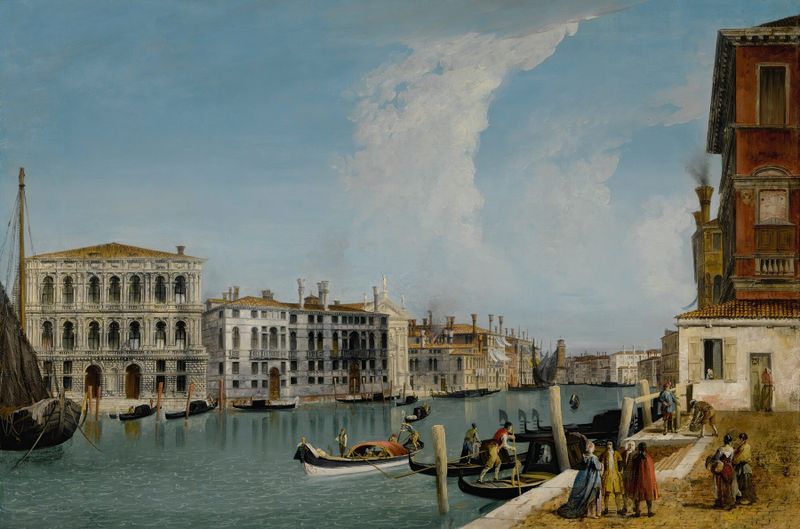
Venice, A View Of The Grand Canal With Ca’ Pesaro And Palazzo Foscarini-Giovanelli, From The Campiello Of The Palazzo Gussoni
Michele Marieschi
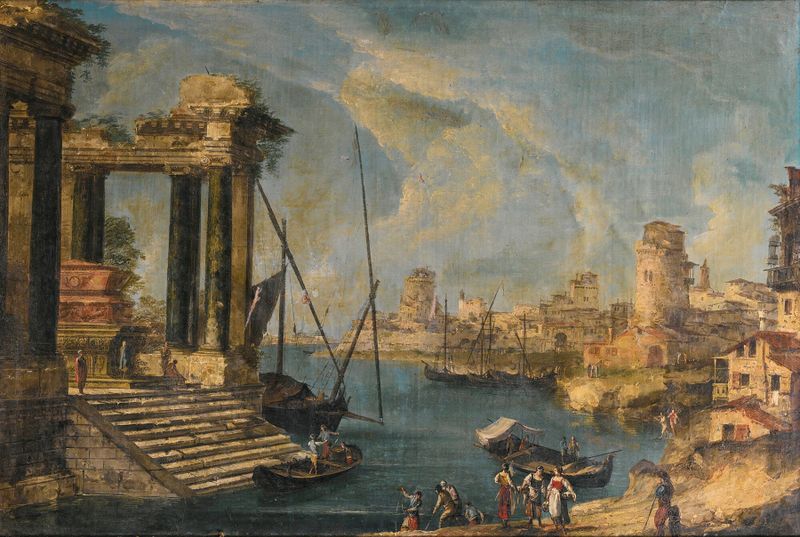
Venice, A Capriccio View Of The Lagoon
Michele Marieschi
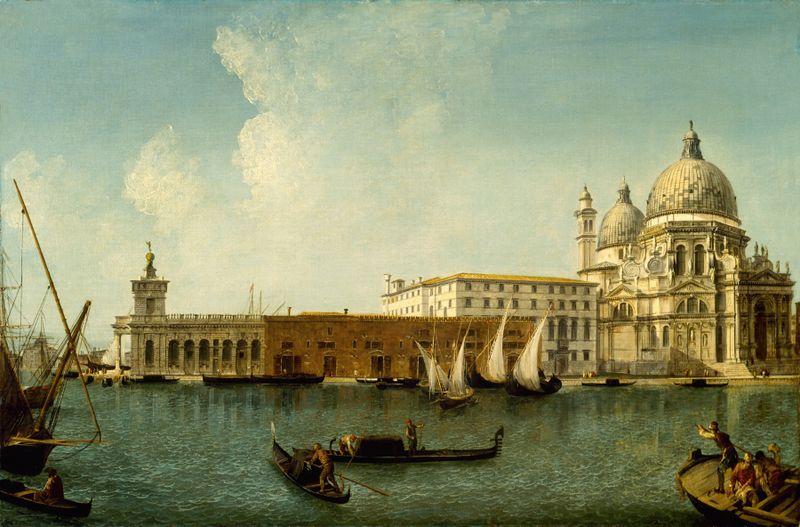
View of the Dogana and Santa Maria della Salute
Michele Marieschi
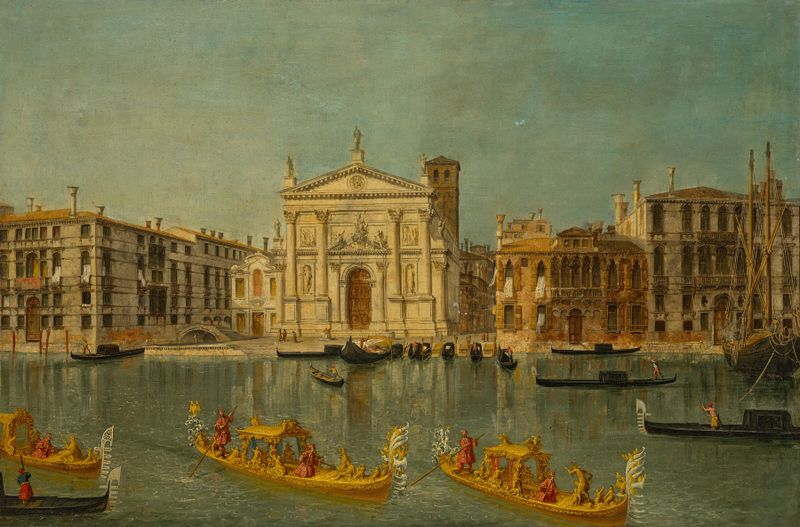
Venice; The Grand Canal with the Church of San Stae, with gilded gondolas in the foreground
Michele Marieschi
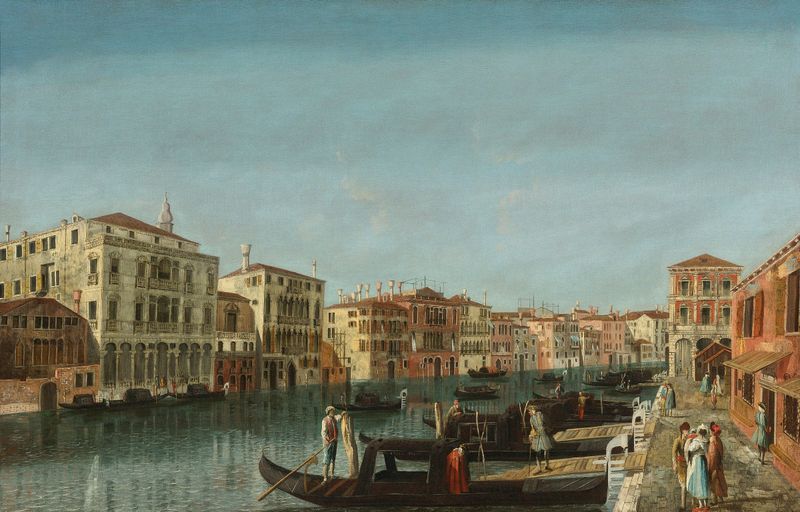
View Of The Grand Canal, Venice, At The Level Of The Pescheria And Of Palazzo Michiel Alle Colonne
Michele Marieschi
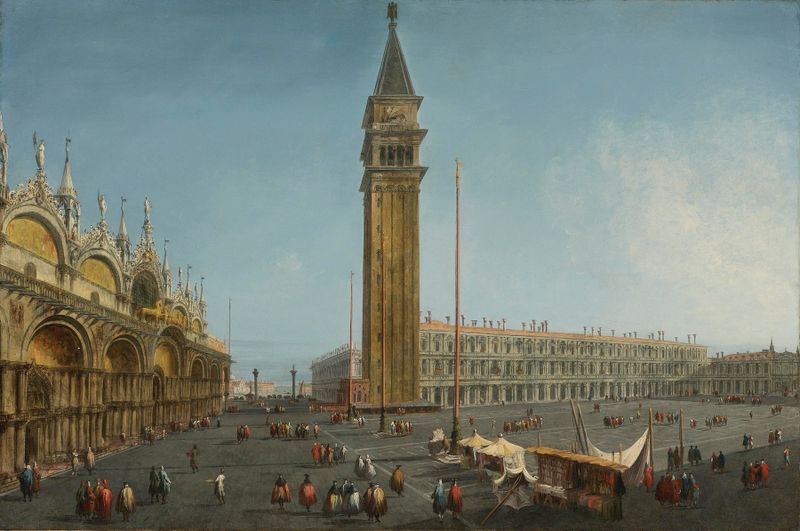
The Piazza San Marco, Venice, From The Torre Dell’orologio
Michele Marieschi
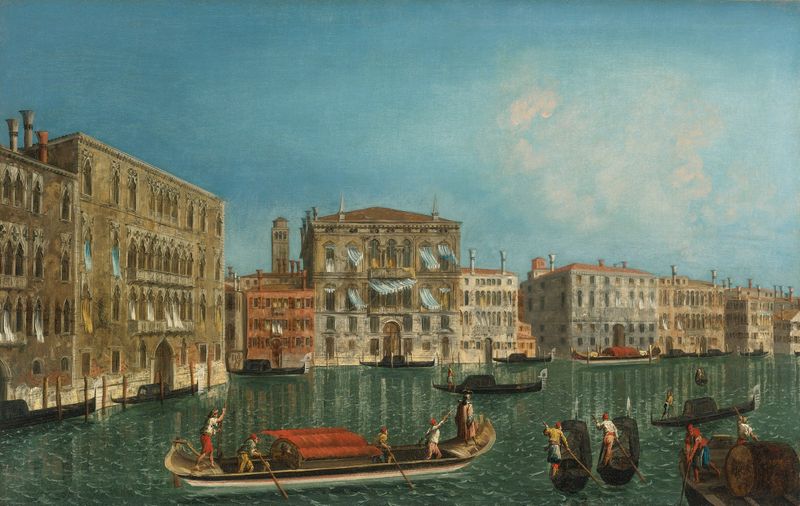
The Grand Canal, Venice, With Palazzo Foscari And Palazzo Balbi
Michele Marieschi
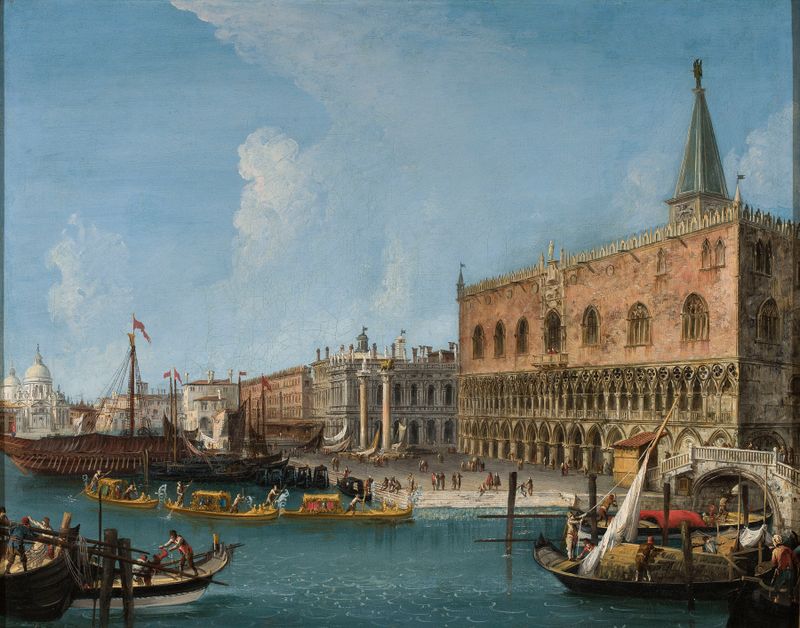
Doge’s Palace in Venice
Michele Marieschi
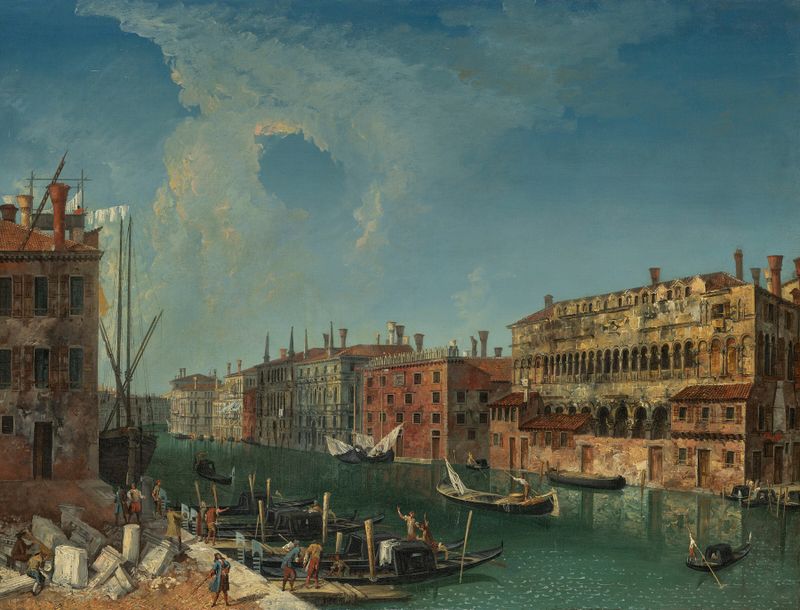
Venice, a stonemason’s yard on the Grand Canal, with a view of the Palazzo Ca’ Tron, the Palazzo Belloni Battagia and the Fondaco del Megio
Michele Marieschi
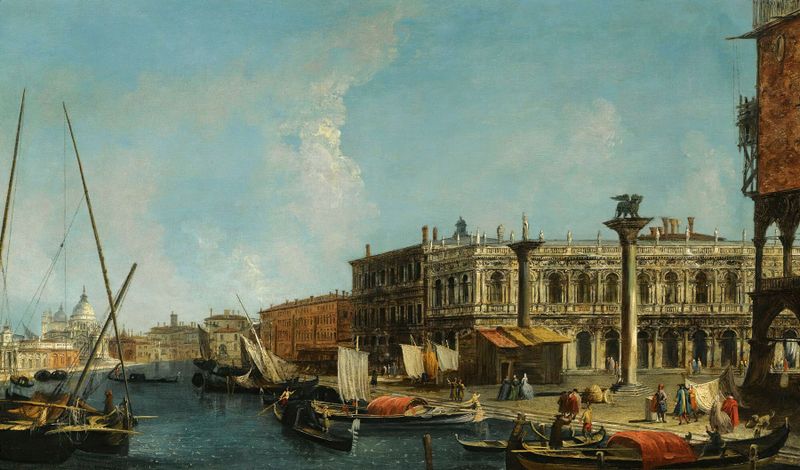
Venice, A View Of The Molo From The Bacino Di San Marco With The Piazzetta And The Entrance To The Grand Canal
Michele Marieschi
More Architecture Art
Browse all →
The statue of Liberty
Frédéric Auguste Bartholdi

View of Houses in Delft, Known as ‘The Little Street’
Johannes Vermeer

View of Houses in Delft, Known as ‘The Little Street’
Johannes Vermeer

The Cathedral in Rouen. The portal, Grey Weather
Claude Monet

The yellow house
Vincent van Gogh

The Church in Auvers-sur-Oise, View from the Chevet
Vincent van Gogh