
Architecture Piece — History & Facts
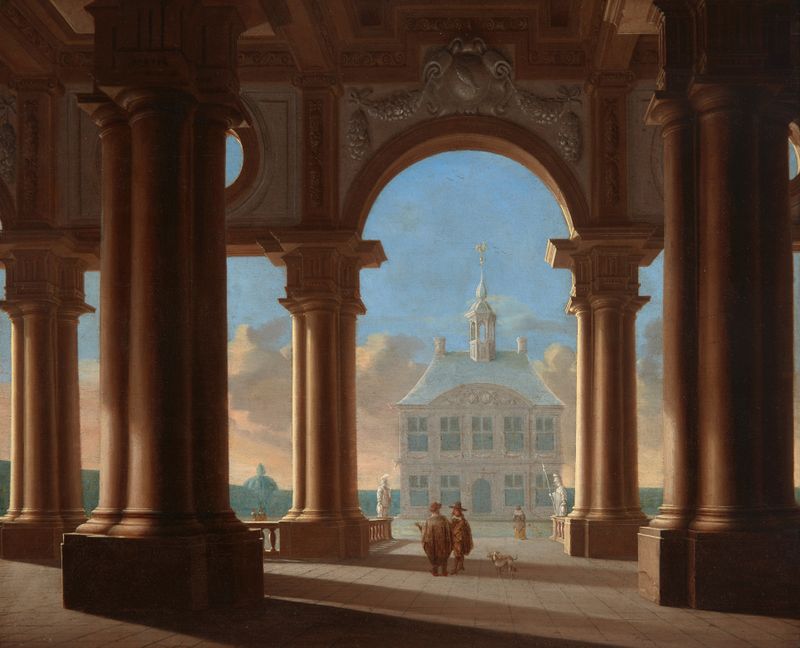
Is Architecture Piece a mirror — or a memory? Look closely at the intricate details of the arches and columns, each one a testament to the craftsmanship of the time. Notice how the light interacts with the textures, casting shadows that dance across the stone, imbuing the structure with a sense of life and permanence. Focus on the delicate balance between the imposing forms and the surrounding space, evoking a feeling of nostalgia that lingers in the air. Within this composition, the interplay of light and shadow reveals an emotional depth.
The muted color palette suggests a world that is simultaneously vibrant and melancholic, hinting at the grief woven into the fabric of the scene. The grandeur of the architecture stands in stark contrast to the solitude it conveys, suggesting that even in beauty, there is an underlying sense of loss and longing for what once was. Daniël de Blieck painted Architecture Piece in 1658 during a period of significant transition in Europe. The Baroque style was flourishing, characterized by its dramatic use of light and ornate details.
At this time, de Blieck was establishing his reputation as a landscape painter, often focusing on the relationship between natural and man-made structures. His works reflect the broader artistic trends of his era while also hinting at personal reflections on memory and absence.
More Artworks by Daniël de Blieck
Browse all →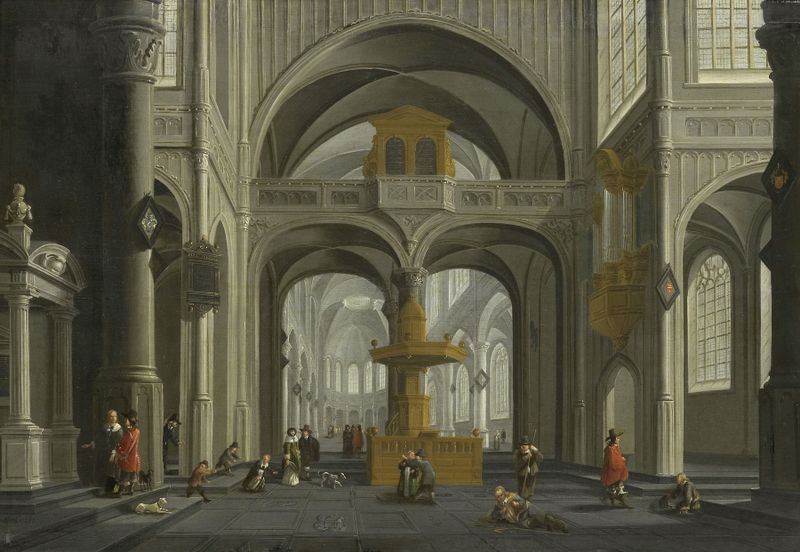
Church Interior
Daniël de Blieck
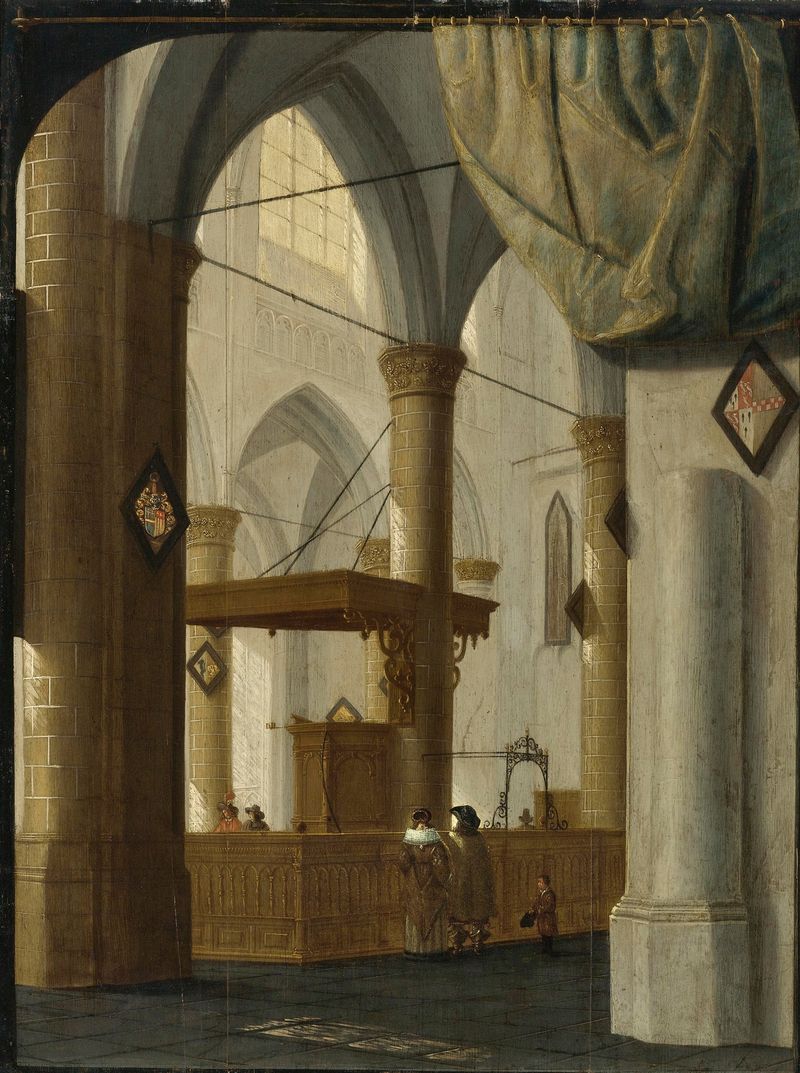
Interior Of The Grote Kerk, Dordrecht
Daniël de Blieck

Church interior by candlelight
Daniël de Blieck
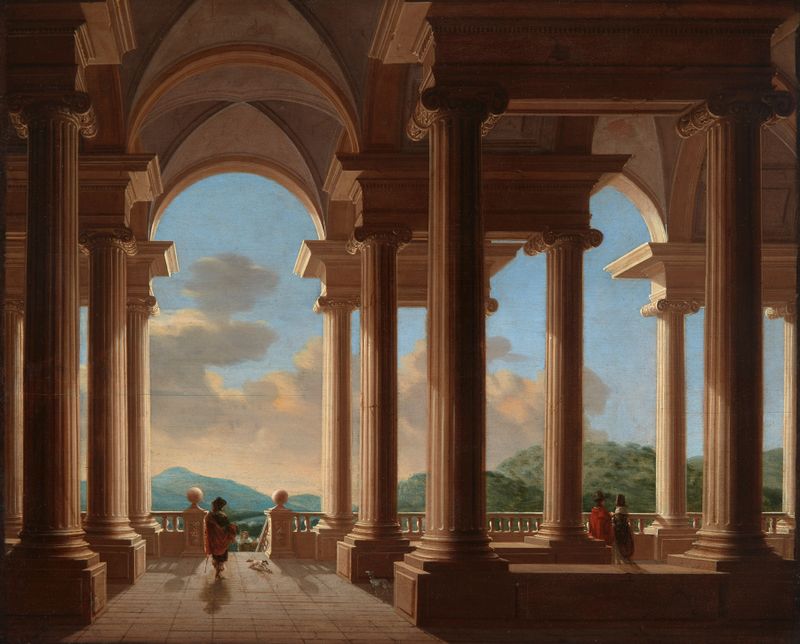
Terrace with a Colonnade – Architectural Study
Daniël de Blieck
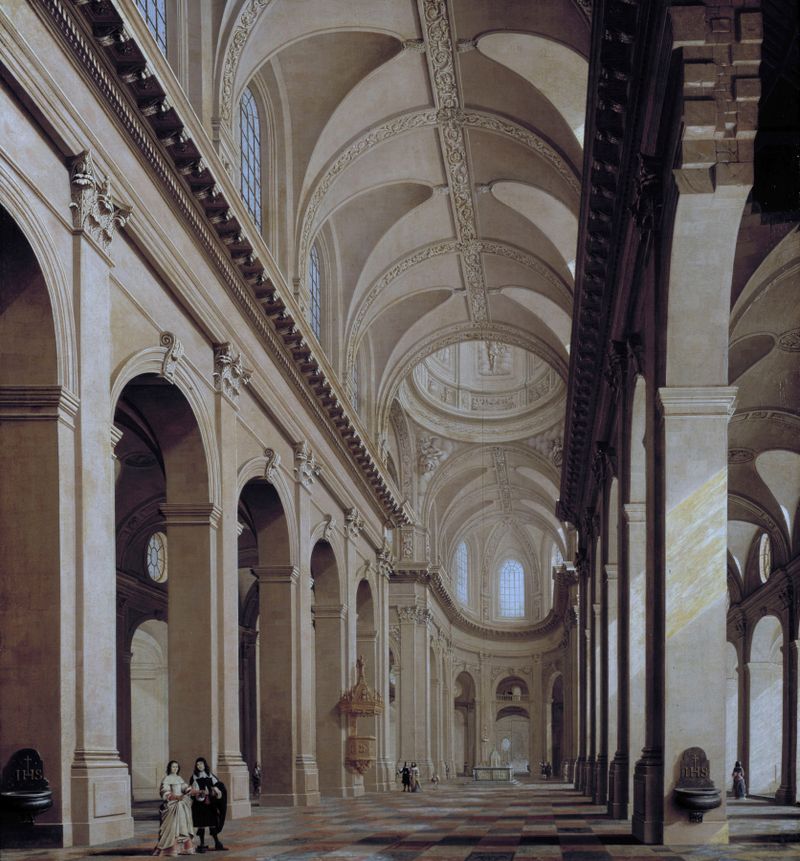
Vue idéalisée de l’intérieur de l’église Saint-Sulpice pendant sa construction
Daniël de Blieck
Palace Entrance – Architectural Study
Daniël de Blieck
Intérieur d’église
Daniël de Blieck
More Architecture Art
Browse all →
The statue of Liberty
Frédéric Auguste Bartholdi

View of Houses in Delft, Known as ‘The Little Street’
Johannes Vermeer

View of Houses in Delft, Known as ‘The Little Street’
Johannes Vermeer

The Cathedral in Rouen. The portal, Grey Weather
Claude Monet

The yellow house
Vincent van Gogh

The Church in Auvers-sur-Oise, View from the Chevet
Vincent van Gogh